

Arthritis affects more than 350 million people worldwide — and if you’re reading this, you already know that the statistics don’t capture what it actually feels like. The morning stiffness before you’ve taken a step. The planning that goes into tasks most people do without thinking. The days when pain sets the agenda and everything else has to work around it.
Living well with arthritis isn’t about pretending it isn’t there. It’s about building a practical toolkit — the right combination of movement, tools, therapies, and daily habits — that reduces pain, protects your joints, and keeps you doing the things that matter to you.
This guide covers everything that has genuine, evidence-based value for arthritis management: pain relief methods, supportive devices, exercise approaches, sleep strategies, daily living tools, and lifestyle habits. It draws on guidance from the Arthritis Foundation, the NHS, the Mayo Clinic, and NIH research.
There is no single solution that works for everyone — but there are strategies that work for most people, and this guide will help you find your combination.
Key Takeaways
- Arthritis management works best as a combination of strategies — movement, heat and cold therapy, supportive tools, and lifestyle habits together achieve more than any single approach
- Gentle, regular movement is one of the most evidence-backed interventions for arthritis — it reduces stiffness, builds joint-supporting muscle, and improves quality of life
- Heat works best for stiffness; cold works best for acute inflammation and swelling
- The right assistive tools can significantly reduce joint stress during everyday tasks
- Sleep quality and arthritis pain are closely linked — improving one consistently improves the other
- Small, consistent daily changes produce better long-term outcomes than occasional intensive efforts
What’s in This Guide
Understanding Arthritis: Types, Symptoms, and Triggers

Arthritis is not a single disease — it’s an umbrella term covering more than 100 conditions that affect joints and the tissues surrounding them. Understanding which type you have matters, because different types respond to different management strategies.
The Most Common Types
- Osteoarthritis (OA) — the most common form, caused by gradual wear and breakdown of joint cartilage. Most often affects knees, hips, hands, and spine. Typically worsens with activity and improves with rest in early stages
- Rheumatoid arthritis (RA) — an autoimmune condition in which the immune system attacks the joint lining. Causes inflammation, swelling, and joint damage. Often affects joints symmetrically (both hands, both knees). Morning stiffness lasting more than an hour is a hallmark symptom
- Psoriatic arthritis (PsA) — associated with psoriasis. Can affect any joint and may also cause tendon and ligament inflammation
- Gout — caused by uric acid crystal deposits in the joints, most commonly the big toe. Causes sudden, severe flares of intense pain and swelling
- Ankylosing spondylitis — primarily affects the spine and sacroiliac joints. Morning stiffness and lower back pain are common early symptoms
Common Symptoms Across Types
While symptoms vary by type and individual, the most commonly reported include joint pain, swelling, morning stiffness, reduced range of motion, fatigue, tenderness to touch, weak grip strength, and difficulty with daily tasks like walking, climbing stairs, or opening jars.
Common Triggers of Flare-Ups
Many people notice that specific factors consistently worsen their symptoms. Identifying your personal triggers — ideally by keeping a brief symptom journal — allows you to anticipate and prepare for difficult periods rather than being caught off guard.
Common triggers include overuse of joints, cold or damp weather, psychological stress, poor sleep, prolonged inactivity, repetitive movements, dietary inflammation (particularly relevant in gout and RA), and illness or infection.
👉 Related: Early Signs of Arthritis: Symptoms You Shouldn’t Ignore | How Weather Affects Arthritis Pain | Arthritis vs Normal Joint Pain: How to Tell the Difference
Pain Relief Methods: Heat, Cold, and Topical Therapy
Pain management is central to living well with arthritis. The most effective approach for most people combines multiple methods rather than relying on any single one — and knowing which method works best for which situation is key.
Heat Therapy
Heat is one of the most consistently effective, accessible, and low-risk tools for arthritis management. Warmth increases circulation to stiff tissues, relaxes tight muscles and tendons, helps synovial fluid distribute more evenly around the joint, and reduces the deep aching associated with chronic arthritis. It is particularly valuable first thing in the morning and before exercise or stretching.

Heat works best for: Morning stiffness, chronic joint aching, muscle tension around joints, preparing joints for movement, cold weather symptom management
Heat works less well for: Acutely inflamed, hot, or swollen joints — heat can worsen active inflammation
Useful heat therapy options:
- Electric heating pads — adjustable, consistent heat for knees, lower back, hips, or shoulders
- Infrared heating pads — penetrate more deeply than standard pads; useful for chronic joint pain
- Microwave heat wraps — portable, no power outlet needed; good for hands, wrists, and knees
- Warm baths or showers — one of the most effective morning stiffness interventions; let warm water run directly over stiff joints
- Heated gloves and mittens — specifically designed for arthritic hands; useful overnight or first thing in the morning
- Electric blankets — gentle all-body warmth that can reduce stiffness during sleep
👉 Related: Heat Therapy for Arthritis Pain Relief
Cold Therapy
Cold therapy works differently from heat — rather than promoting circulation and relaxation, it constricts blood vessels, reduces inflammation, and temporarily numbs the affected area. It is most valuable during acute flares, after activity that has worsened swelling, and for joints that feel hot and actively inflamed rather than simply stiff.
Cold works best for: Acute flare-ups with visible swelling, hot or actively inflamed joints, post-activity swelling, gout attacks
Cold works less well for: Chronic stiffness without inflammation — cold on already stiff joints typically increases discomfort
Useful cold therapy options:
- Gel ice packs — reusable, flexible, and can be moulded around joints
- Cold compression wraps — combine cold with compression for more effective swelling reduction
- Reusable cold sleeves — designed for specific joints (knee, wrist, elbow)
- Ice massage rollers — useful for targeted areas like the hands and feet
Always wrap cold packs in a cloth — never apply ice directly to skin. Limit sessions to 15–20 minutes.
👉 Related: Cold Therapy for Arthritis Pain
Topical Pain Relief
Topical creams, gels, and patches provide localised pain relief without the systemic effects of oral medications. They work best as a complement to other strategies rather than a standalone solution, and are particularly useful for people who want to avoid or reduce oral pain medication.
Common active ingredients include menthol (cooling sensation that interrupts pain signals), capsaicin (derived from chilli peppers; reduces substance P, a pain neurotransmitter — requires consistent use for 1–2 weeks to show full effect), diclofenac (prescription-strength topical NSAID in some formulations), and lidocaine (localised numbing agent). Always follow product directions and consult your GP or pharmacist if unsure which formulation is appropriate for your condition.
👉 Related: Best Pain Relief Creams for Arthritis | Self-Massage Techniques for Arthritis Pain
Massage and Therapy Devices
Massage reduces muscle tension around arthritic joints, improves local circulation, and provides both physical and psychological relief from chronic pain. It doesn’t treat the underlying condition, but it can meaningfully reduce the muscular tension that amplifies joint pain — particularly in the hands, shoulders, hips, and legs.
Hand Massagers
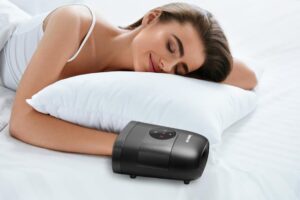
Powered hand massagers use air compression, heat, and sometimes vibration to relieve stiffness and aching in arthritic hands and fingers. They’re one of the most popular arthritis tools because the hands are so commonly and significantly affected — and because the relief from a 15-minute session can be striking for people with significant hand stiffness.
Look for models with adjustable compression and heat levels, open-fingertip or full-hand coverage, and cordless operation if hand dexterity is limited. See our full guide for detailed recommendations.
👉 Related: Best Hand Massagers for Arthritis
Foot and Leg Massagers
Foot and leg massagers — particularly those combining air compression with heat — are effective for foot arthritis, ankle swelling, neuropathy, and the calf and leg aching that often accompanies lower-limb arthritis. EMS (electrical muscle stimulation) foot plates are particularly useful for people with neuropathy or chronic poor circulation, as they actively stimulate blood flow.
👉 Related: Best Foot Circulation Devices for Neuropathy, Swelling & Leg Pain | Best Foot Massagers for Arthritis
Percussion Massagers
Percussion massage devices deliver rapid, rhythmic pulses to muscle tissue, which helps release tight muscles and improve circulation in the surrounding area. They’re most useful for the large muscles around arthritic joints — the quadriceps around the knee, the muscles of the hip, the shoulder girdle, and the upper back. Use caution: avoid applying strong percussion directly to an inflamed joint surface, and always start on the lowest intensity setting.
TENS Units
TENS (Transcutaneous Electrical Nerve Stimulation) devices send low-voltage electrical pulses through the skin that interrupt pain signals travelling to the brain. They don’t treat the underlying arthritis but can provide meaningful temporary pain relief, particularly for chronic joint pain. TENS units are not suitable for people with pacemakers or active DVT — see a healthcare professional before using one if you have any serious medical condition.
👉 Related: Best Arthritis Massagers for Pain Relief | Knee Massagers for Arthritis Pain
Exercise and Movement for Arthritis
Exercise is one of the most important things you can do for arthritis — and one of the most counterintuitive, because pain makes movement feel like the last thing you want to do. But the evidence is consistent and strong: regular, appropriate exercise reduces arthritis pain, improves joint function, strengthens the muscles that protect joints, and meaningfully improves quality of life. The Arthritis Foundation and NHS both list regular physical activity as a cornerstone of arthritis management.
The key words are regular and appropriate. High-impact, repetitive, or poorly timed exercise can worsen symptoms. The goal is movement that challenges the body gently, consistently, without adding unnecessary stress to compromised joints.
Gentle Stretching

Daily stretching helps maintain range of motion, reduces stiffness, and keeps the tendons and ligaments around arthritic joints from tightening further. It’s most effective when joints are already warm — after a morning heat session, after a warm shower, or after 5–10 minutes of gentle walking. Never stretch cold, stiff joints to the point of pain.
Useful starting stretches include neck side tilts, shoulder rolls, wrist circles, gentle knee bends, hamstring stretches done lying or seated (to avoid hip strain), and ankle rotations. Hold each gently for 20–30 seconds; don’t bounce.
👉 Related: Gentle Morning Stretches for Arthritis | Exercises to Improve Joint Mobility
Low-Impact Aerobic Exercise
Aerobic exercise improves cardiovascular health, supports healthy weight maintenance, reduces systemic inflammation, and directly improves arthritis symptoms through better circulation and endorphin release. Low-impact activities are preferred because they achieve these benefits without the joint stress of running, jumping, or high-impact training.
The most consistently recommended options for people with arthritis are walking (the most accessible starting point for most people), swimming and water aerobics (water supports body weight, dramatically reducing joint load), stationary cycling, tai chi (particularly effective for balance and lower-limb arthritis), and yoga adapted for arthritis.
Aim for 150 minutes of moderate-intensity activity per week — the NHS and Arthritis Foundation guideline — broken into whatever session lengths work for you. Even 10-minute sessions count.
👉 Related: Best Exercise Routines for Arthritis Pain | Chair Yoga for Arthritis Pain Relief
Strength Training
Building strength in the muscles surrounding arthritic joints is one of the most effective ways to reduce joint load and pain over the long term. Stronger quadriceps reduce force on the knee joint. Stronger hip muscles reduce strain on both the hip and knee. Stronger hand and forearm muscles reduce grip-related joint stress. Even light resistance training — resistance bands, bodyweight exercises, or light weights — produces meaningful benefit when done consistently.
Start with very low resistance, focus on correct form, and build gradually. Avoid working through pain — discomfort is normal, sharp pain is a signal to stop. A physiotherapist can design a strengthening program specifically tailored to your affected joints and fitness level.
Arthritis Support Tools: Braces, Gloves, and Compression
Supportive devices serve two purposes: they reduce load and stress on damaged joints during activity, and they provide the stability and confidence that arthritis can erode. The right device, correctly fitted and used appropriately, can make a significant difference to daily comfort and functional independence.
Knee Braces and Supports

Knee supports range from simple compression sleeves to sophisticated OA unloader braces. The right choice depends on your primary symptom: compression sleeves work well for mild pain and swelling; hinged braces are needed for joint instability; OA unloader braces specifically shift load away from the damaged compartment of the knee in single-compartment osteoarthritis. An important note: wearing a knee brace constantly can weaken surrounding muscles — use during activity, remove during rest, and continue strengthening exercises alongside.
👉 Related: Best Knee Braces for Arthritis Support
Compression Gloves
Compression gloves apply gentle, consistent pressure to the hands and fingers. This reduces swelling, improves circulation, adds warmth, and gives mild support to finger joints during activity. They’re most valued for morning stiffness — many people put them on first thing and wear them through the first hour or two of the day — and during activities like typing, crafting, or cooking that involve repetitive hand use.
Choose open-fingertip designs for all-day dexterity. Copper-infused gloves are popular; the copper itself doesn’t add therapeutic benefit, but the fabric tends to be soft, breathable, and antimicrobial, making them more practical for extended daily wear.
👉 Related: Best Compression Gloves for Arthritis | Copper Compression Gloves for Arthritis: Do They Really Relieve Pain?
Wrist and Thumb Supports
Wrist and thumb supports reduce strain during repetitive movements and provide stability for joints that are frequently used under load. They’re particularly useful for basal joint (CMC) thumb arthritis — one of the most painful and functionally limiting forms of hand arthritis — and for wrist arthritis that makes gripping and twisting movements painful. Look for supports that allow some movement rather than fully immobilising the joint, unless immobilisation has been specifically recommended.
👉 Related: Best Thumb & Wrist Braces for CMC Arthritis
Foot Pain and Walking Support
Foot and ankle arthritis affects mobility in a way that few other joint conditions match — because every step puts load through the feet, there’s almost no way to rest the affected joints while remaining mobile. The right footwear and walking support can make the difference between manageable daily activity and significant mobility limitation.
Arthritis-Friendly Footwear

What to look for: cushioned, shock-absorbing soles; wide toe boxes that don’t compress arthritic toes; adequate arch support; adjustable closures (velcro or laces rather than slip-ons, which often require toe gripping to keep on); and flexibility in the forefoot to allow natural toe movement. What to avoid: rigid soles with no flex, narrow toe boxes, high heels of any kind, and completely flat shoes with no arch support — ballet flats and flip-flops can significantly worsen foot arthritis pain.
👉 Related: Best Shoes for Arthritis Foot Pain
Orthotic Insoles
Orthotic insoles can significantly improve comfort for foot arthritis by redistributing pressure, providing arch support, and cushioning painful areas. Options range from off-the-shelf gel insoles and metatarsal pads for specific pain points, to custom orthotics prescribed by a podiatrist for complex alignment issues. If your foot pain is significantly limiting your walking, a podiatry assessment is worthwhile — custom orthotics can produce dramatic improvements for some people that off-the-shelf products can’t match.
👉 Related: Best Insoles for Arthritis Pain Relief
Walking Aids and Mobility Support
Walking aids aren’t a sign of giving up — they’re a practical tool for conserving energy, improving balance, and protecting joints during daily movement. A correctly fitted walking cane used on the opposite side to a painful knee or hip can reduce joint load by up to 25%. Rollator walkers offer support plus a seat for rest. Walking poles distribute upper-body load and improve stability on uneven terrain.
The most important factor with any walking aid is correct fit and technique — an ill-fitted cane can worsen posture and increase joint strain. A physiotherapist or occupational therapist can advise on the right type and correct setup for your height and gait.
👉 Related: Best Mobility Aids for Arthritis
Daily Living Aids for Arthritis
Assistive tools for daily living are about joint protection — reducing the force your painful joints have to exert during the tasks you do every day. They don’t feel as significant as a brace or a massage device, but used consistently, they reduce cumulative joint stress in a way that adds up meaningfully over days and weeks.
Kitchen Aids

The kitchen is one of the most challenging environments for hand and wrist arthritis — gripping, twisting, lifting, and cutting are unavoidable. Key tools include electric jar openers (eliminate the twisting grip that’s particularly hard on thumb and wrist joints), electric can openers, wide-handled ergonomic utensils that spread grip load across the palm, lightweight cookware and kettles, adaptive chopping boards with spikes and guards that hold food in place without gripping, and rocker knives that require a rolling motion rather than a downward cutting force.
👉 Related: Best Kitchen Tools for Arthritis Hands
Bathroom Safety Aids
The bathroom presents both comfort and safety challenges for people with arthritis — wet surfaces, getting in and out of the bath or shower, and managing personal care with limited hand dexterity. Useful aids include grab bars (fitted to walls, not suction-cup versions which aren’t reliable safety devices), shower chairs or benches that allow sitting while washing, long-handled sponges and back washers, raised toilet seats that reduce the depth of sit-to-stand movement, and non-slip bath mats throughout the bathroom.
👉 Related: Arthritis Tools for Safe Bathing and Showering
Dressing Aids
Getting dressed during a flare, or when hands are at their morning-stiff worst, is a genuine practical challenge. Button hooks allow single-hand or reduced-dexterity buttoning; zipper pulls eliminate the need for precise finger grip; elastic shoelaces convert lace-up shoes to slip-ons; sock aids allow putting on socks without bending; and long-handled shoehorns make shoes accessible without stooping or gripping.
👉 Related: Dressing Aids for Arthritis | Best Arthritis Tools for Daily Living
Sleep and Nighttime Pain Relief
The relationship between arthritis and sleep is bidirectional and significant: arthritis pain disrupts sleep, and poor sleep lowers pain tolerance, worsens fatigue, and increases inflammation — making the next day’s arthritis symptoms worse. Breaking this cycle is one of the most impactful things you can do for your overall arthritis management.
Sleep Position and Joint Support
How you sleep significantly affects how stiff you are in the morning. Side sleepers benefit from a firm pillow between the knees to prevent hip and lower back strain, and should avoid sleeping with the arm pressed under the head (a common cause of shoulder pain). Back sleepers should use a pillow under the knees to reduce lower back pressure. Stomach sleeping is generally not recommended for people with neck, back, or shoulder arthritis. The goal is a position that keeps the spine neutral and avoids prolonged joint compression overnight.
Supportive Pillows
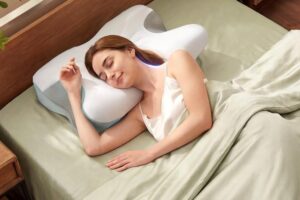
Specialist pillows can significantly improve sleep quality for people with arthritis. Cervical (contoured) pillows support the neck’s natural curve for people with neck or upper back arthritis. Knee pillows maintain hip-knee alignment for side sleepers. Wedge pillows elevate the upper body for people with reflux (common with some arthritis medications) or elevate the legs for circulation. Body pillows provide full-length support and can prevent rolling into problematic positions during sleep.
👉 Related: Best Cervical Pillows for Neck Pain and Arthritis
Mattress Considerations
There is no single “best” mattress for arthritis — comfort and support needs vary considerably depending on which joints are affected, preferred sleep position, and body weight. The general consensus from sleep research and physiotherapy guidance is that medium-firm mattresses suit most people with arthritis, providing enough support to maintain spinal alignment while cushioning pressure points. Memory foam and latex options both perform well for pressure relief. If budget allows, an adjustable bed base can be transformative — allowing precise head and foot elevation to find the position of least discomfort.
👉 Related: Best Mattresses for Arthritis Pain Relief
Warmth at Night
Gentle warmth before and during sleep can significantly reduce morning stiffness. An electric blanket or heated mattress pad warms the bed before you get in, keeping joints warm through the night. Compression gloves worn overnight can reduce hand and finger stiffness on waking. A heating pad applied to the most affected joints for 15–20 minutes before sleep can ease the transition into rest. Always follow manufacturer safety guidance for heated products used during sleep.
👉 Related: Heated Blankets for Arthritis Pain | Sleep Better With Arthritis
Lifestyle Habits That Make a Long-Term Difference
The tools and therapies covered above address symptoms directly. These lifestyle factors address the underlying conditions that influence how those symptoms behave — and they tend to be the most powerful levers for long-term arthritis management.
Weight Management
This is one of the most evidence-strong recommendations in arthritis management. Every kilogram of body weight generates approximately four kilograms of force on the knee joint during walking. Research consistently shows that even modest weight reduction — 5–10% of body weight — can produce significant, measurable reductions in knee and hip arthritis pain and improve mobility. This isn’t about appearance; it’s about joint load, and the mathematics are compelling.
Stress Management
Psychological stress increases muscle tension, lowers pain tolerance, and — particularly relevant for inflammatory types like RA — directly influences inflammatory activity. Managing stress isn’t separate from managing arthritis; it’s part of the same process. Effective approaches include regular gentle exercise (which also directly benefits joints), mindfulness and deep-breathing practices, adequate social connection, and ensuring activities that bring enjoyment remain part of daily life even when pain makes participation more effortful.
Activity Pacing
Pacing is the practice of spreading activity across the day to avoid the boom-bust cycle that many people with arthritis fall into — doing too much on a good day, paying for it with increased pain on the following days. Practical pacing means taking breaks before pain worsens (not after), alternating demanding tasks with easier ones, using assistive tools for high-strain activities, and building rest into the day as a structured strategy rather than a fallback when things get too bad.
Anti-Inflammatory Nutrition
Diet doesn’t cure arthritis, but it influences inflammation in ways that are relevant — particularly for people with inflammatory types. A Mediterranean-style diet rich in vegetables, fruits, wholegrains, oily fish, and olive oil, and low in processed foods, refined sugars, and red meat, is consistently associated with lower markers of inflammation. For gout specifically, dietary changes (reducing alcohol, organ meats, shellfish, and high-fructose foods) can dramatically reduce flare frequency.
Staying Socially Connected

Chronic pain conditions carry a significant risk of social withdrawal and isolation — and isolation consistently worsens pain outcomes through its effects on mood, motivation, and pain perception. Maintaining social connection, whether through support groups, hobbies adapted for arthritis, family engagement, or community activities, is a genuine part of arthritis management and not a luxury.
👉 Related: Managing Arthritis Fatigue | Fun Hobbies for People with Arthritis | Travel Tips for People with Arthritis
Quick Reference: Problem and Solution Guide
| Problem | Best First-Line Approach | Useful Tools and Products |
|---|---|---|
| Morning stiffness | In-bed warm-up routine + heat before getting up | Heating pad, compression gloves, warm shower |
| Swollen or acutely inflamed joints | Cold therapy + rest; medical review if severe | Gel ice packs, cold compression wraps |
| Hand and finger pain | Compression gloves + hand massager | Compression gloves, hand massager, easy-grip tools |
| Knee pain and instability | Appropriate knee support + quadriceps strengthening | Compression sleeve, hinged brace, or OA unloader brace |
| Foot pain and walking difficulty | Supportive footwear + orthotic insoles | Arthritis shoes, gel insoles, walking aid if needed |
| Grip weakness | Hand therapy tools + ergonomic kitchen aids | Grip trainers, jar opener, wide-handled utensils |
| Poor sleep from pain | Sleep position adjustment + pre-sleep heat | Knee pillow, cervical pillow, heated blanket |
| Muscle tension around joints | Massage therapy + stretching after warm-up | Hand massager, percussion massager, TENS unit |
| Fatigue and energy management | Activity pacing + regular gentle exercise | Walking aids for conservation, adaptive daily tools |
| Daily task difficulty | Assistive tools for specific tasks | Button hooks, jar openers, grab bars, dressing aids |
| Neuropathy or leg circulation | EMS/TENS foot stimulation + compression | Foot circulation device, compression leg wraps |
Frequently Asked Questions
What is the most effective pain relief for arthritis?
There is no single most effective approach — the evidence consistently points to combination strategies outperforming any individual method. For most people, a combination of regular gentle exercise (the most evidence-backed intervention for arthritis outcomes), heat therapy for stiffness, appropriate joint support devices, and activity pacing produces better results than any single treatment. Over-the-counter medications like NSAIDs and paracetamol provide short-term relief and have a role, but shouldn’t be the only tool. For inflammatory arthritis, disease-modifying medication prescribed by a rheumatologist is often the most powerful lever of all.
Does heat or cold work better for arthritis?
It depends on what you’re treating. Heat is better for stiffness — it relaxes tight muscles, improves circulation, and helps synovial fluid move more freely. It’s most useful in the morning, before exercise, and in cold weather. Cold is better for acute inflammation and swelling — it constricts blood vessels, reduces inflammatory activity, and provides temporary numbing of painful areas. It’s most useful during flares, after activity that has increased swelling, and for gout attacks. Most people with arthritis need both in their toolkit, used in the right situation.
Is exercise safe with arthritis?
Yes — and for most people with arthritis, it’s one of the most important things they can do. The concern that exercise damages arthritic joints is not supported by evidence; in fact, appropriate exercise protects joints by building the muscular support around them and maintaining healthy cartilage. The key qualifiers are “appropriate” and “consistent” — low-impact activities done regularly are far more beneficial than high-impact activities done occasionally. During acute flares, reduce intensity but try to maintain some gentle movement rather than stopping completely. A physiotherapist can design a program specifically tailored to your affected joints.
What helps arthritis pain at night?
Several strategies work well in combination. Optimising sleep position with supportive pillows reduces overnight joint strain. Applying heat to the most affected joints for 15–20 minutes before sleep can ease the transition into rest. An electric blanket or heated mattress pad maintains warmth through the night. Compression gloves worn overnight significantly reduce hand and finger stiffness on waking. Managing daytime activity through pacing reduces the pain load going into the evening. If nighttime pain is severe and regularly disrupting sleep, this is worth discussing specifically with your GP — it may indicate that the underlying condition needs better medical management.
What foods are bad for arthritis?
For inflammatory arthritis, foods associated with increased inflammatory markers include processed and ultra-processed foods, refined sugars and white flour products, red and processed meat, and trans fats. Alcohol can worsen inflammation and interacts with some arthritis medications. For gout specifically, foods high in purines — organ meats, shellfish, oily fish in large quantities, and high-fructose foods — are the most significant dietary triggers and can directly precipitate gout flares. Conversely, a Mediterranean-style diet rich in vegetables, wholegrains, oily fish, and olive oil is consistently associated with lower inflammatory markers and better arthritis outcomes.
Can arthritis be cured?
Currently, no — there is no cure for the most common forms of arthritis, including osteoarthritis and rheumatoid arthritis. However, “no cure” does not mean “no hope.” Many people with arthritis achieve significant symptom control and maintain excellent quality of life through a combination of appropriate medical treatment and the self-management strategies covered in this guide. For RA and other inflammatory types, modern biological medications can achieve remission in many patients — a level of disease control that allows essentially normal function. For OA, joint replacement surgery can be transformative for those with advanced disease.
How do I know which type of arthritis I have?
Diagnosis requires a medical assessment — typically a combination of your symptoms and their pattern, a physical examination, blood tests (which can identify markers of inflammatory arthritis like rheumatoid factor and anti-CCP antibodies), and imaging such as X-ray or MRI. Clues that suggest inflammatory arthritis (RA, PsA) include morning stiffness lasting more than an hour, symmetrical joint involvement, systemic symptoms like fatigue and malaise, and raised inflammatory markers on blood tests. OA tends to cause stiffness lasting less than 30 minutes, affects joints asymmetrically, and is associated with activity rather than rest. If you haven’t had a formal diagnosis, seeing your GP is the essential first step.
How do compression gloves help arthritis?
Compression gloves apply gentle, consistent pressure to the hands and fingers, which has several beneficial effects for arthritis. The compression reduces swelling by encouraging fluid away from the joints, improves circulation which brings warmth and eases aching, provides mild structural support to finger joints during activity, and — perhaps most valued by users — adds warmth that helps ease the stiffness that is worst in the morning. They don’t treat the underlying arthritis, but many people find them one of the most practically useful tools in their daily management toolkit, particularly for the first few hours of the day.
When should I see a doctor about arthritis symptoms?
See your GP if joint pain, swelling, or stiffness is persisting for more than a few weeks without an obvious cause; if morning stiffness regularly lasts more than an hour; if multiple joints are affected, particularly symmetrically; if joint symptoms are accompanied by systemic symptoms like unexplained fatigue, fever, skin rashes, or eye inflammation; if any joint is acutely hot, swollen, and extremely painful (which can indicate gout or septic arthritis — the latter requires urgent treatment); or if your arthritis symptoms are worsening significantly over time despite self-management. Early diagnosis and treatment — particularly for inflammatory types — significantly improves long-term outcomes.
Medical Sources and References
This guide is based on evidence-based guidance from the following sources:
- Arthritis Foundation — exercise, pain management, and disease-specific guidance
- NHS Arthritis Information — UK clinical guidance on arthritis management
- Mayo Clinic — symptoms, diagnosis, and treatment information
- NIH / NIAMS — research on arthritis management and treatment
- CDC Arthritis Resources — epidemiology and physical activity guidance
This article is for informational purposes only and does not replace professional medical advice, diagnosis, or treatment. Always consult your GP, rheumatologist, or other qualified healthcare professional about your specific condition and management plan.
Final Thoughts
Living well with arthritis is a practice, not a destination. There will be better days and harder days, and the right combination of strategies will shift as your condition and circumstances change. What works well today may need adjusting in six months. That’s not failure — it’s the nature of managing a chronic condition.
What the evidence consistently shows is that the people who do best with arthritis are the ones who stay active within their limits, use the tools and supports that reduce unnecessary joint stress, work with their healthcare team rather than around it, and don’t let the condition define the whole of their daily life.
Start with the section of this guide most relevant to your biggest current challenge. Make one or two changes. See what difference they make over two to three weeks. Then add another layer. The goal isn’t to implement everything at once — it’s to build a sustainable, personalised toolkit that you’ll actually use.
Your joints have been working hard. Give them the support they need.
👉 Explore the full Arthritis Wares library:
- Best Hand Relief Tools for Arthritis: Complete Guide
- Best Compression Gloves for Arthritis
- Best Knee Braces for Arthritis Support
- Best Foot Circulation Devices for Neuropathy, Swelling & Leg Pain
- Morning Arthritis Stiffness: Why It Happens & How to Feel Better Faster
- Best Hand Massagers for Arthritis
- Gentle Morning Stretches for Arthritis