

*This post may contain affiliate links, from which we may earn a small commission at no extra cost to you.*
Introduction
Living with arthritis can affect many parts of everyday life—from walking and cooking to sleeping and enjoying hobbies. Joint pain, stiffness, and swelling can make simple tasks more difficult, but the right combination of knowledge, supportive tools, and healthy habits can make a meaningful difference.
Arthritis affects millions of people worldwide and is one of the most common causes of joint discomfort and reduced mobility. While symptoms vary depending on the type of arthritis and the joints involved, many people successfully manage their condition through a combination of movement, supportive products, lifestyle changes, and pain-relief therapies.
This guide brings together many of the most helpful strategies for living well with arthritis. You’ll discover practical tips, supportive tools, and helpful resources designed to improve comfort, mobility, and independence.
A Complete Arthritis Resource Guide
Start Here: Arthritis Help by Topic
If you’re new to arthritis or trying to understand your symptoms, these guides provide helpful starting points.
- Arthritis Pain by Body Part: Where Arthritis Hurts and What Helps
- Early Signs of Arthritis: Symptoms You Shouldn’t Ignore
- Arthritis vs Normal Joint Pain: How to Tell the Difference
- 25 Arthritis Statistics Everyone Should Know
These articles explain common symptoms, how arthritis develops, and where joint pain often appears.
Understanding Arthritis Pain
Arthritis is a general term used to describe more than 100 different joint conditions that cause inflammation, stiffness, and pain.
Common Types of Arthritis
Some of the most common forms include:
- osteoarthritis
- rheumatoid arthritis
- psoriatic arthritis
- gout
Although these conditions develop differently, many people experience similar symptoms such as:
- joint stiffness after rest
- swelling around joints
- reduced range of motion
- pain during movement
Arthritis can affect joints throughout the body, including the hands, knees, hips, spine, shoulders, and feet.
Pain Relief Methods for Arthritis

Managing arthritis pain often involves a combination of therapies and lifestyle strategies. Many people use both medical treatments and home-based solutions to improve daily comfort.
Heat Therapy
Heat therapy is commonly used to relax stiff joints and improve circulation.
Common options include:
- heating pads
- heated blankets
- warm baths
- microwave heat wraps
Heat can help relax muscles surrounding painful joints and improve flexibility.
Cold Therapy
Cold therapy may help reduce inflammation and swelling during arthritis flare-ups.
Examples include:
- ice packs
- cold gel packs
- compression ice wraps
Cold therapy is often used after physical activity or during periods of swelling.
Red Light Therapy
Red light therapy devices use specific wavelengths of light to support circulation and reduce inflammation around painful joints.
Many people use these devices for:
- knee arthritis
- hand arthritis
- back pain
Massage and Therapy Devices
Massage devices are commonly used to reduce muscle tension surrounding painful joints.
Many people find relief using:
- hand massagers
- foot massagers
- massage guns
- heated massage tools
These devices may help improve circulation and relax tight muscles.
Related Arthritis Massage Therapy Guides
Exercise and Movement for Arthritis

While rest is sometimes necessary during flare-ups, regular movement is essential for maintaining joint flexibility and strength.
Gentle exercise can help:
- improve joint mobility
- strengthen muscles around joints
- reduce stiffness
- improve balance
Chair Yoga
Chair yoga is a gentle exercise option designed for individuals with limited mobility.
Benefits may include improved flexibility, reduced stiffness, and better balance.
Stretching and Range-of-Motion Exercises
Daily stretching helps keep joints mobile and reduce stiffness.
These exercises often focus on:
- hands and wrists
- hips and knees
- shoulders and neck
Arthritis Support Tools

Many people reduce joint strain by using supportive products designed for arthritis.
These tools help stabilize joints and reduce pressure during movement.
Joint Braces and Supports
Common joint supports include:
- knee braces
- thumb braces
- wrist supports
- elbow sleeves
Braces help stabilize joints and may reduce strain during activity.
Compression Supports
Compression garments can help improve circulation and reduce swelling around joints.
Examples include:
- compression gloves
- knee compression sleeves
- ankle compression supports
Foot Pain and Walking Support
Foot and ankle pain are common in arthritis, especially in osteoarthritis.
Supportive products may help reduce pressure on joints during walking.
Examples include:
- cushioned shoes
- orthotic insoles
- mobility aids
Daily Living Aids for Arthritis

Adaptive tools can make everyday activities easier for people with arthritis.
These products help reduce the strain placed on painful joints.
Examples include:
- jar openers
- ergonomic kitchen tools
- reacher grabbers
- dressing aids
Sleep and Night Pain Solutions
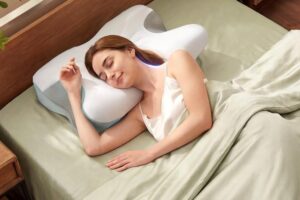
Many people experience increased arthritis pain at night due to inactivity and joint stiffness.
Improving sleep comfort can help reduce nighttime discomfort.
Supportive Pillows
Specialized pillows can help maintain joint alignment while sleeping.
Examples include:
- cervical pillows for neck support
- knee pillows for side sleepers
- wedge pillows for back support
Heated Blankets and Pads
Heat therapy during sleep may help relax stiff joints and improve comfort.
Related Sleep Solutions for Arthritis
Lifestyle Tips for Managing Arthritis
Small daily habits can help protect joints and reduce strain.
Helpful strategies include:
- pacing physical activity
- maintaining a healthy weight
- staying physically active
- protecting joints during repetitive tasks
- using ergonomic tools
Many people also notice that weather changes, sleep quality, and stress levels can influence arthritis symptoms.
Frequently Asked Questions
What is the best way to manage arthritis pain?
Most people manage arthritis using a combination of medical treatment, exercise, supportive products, and lifestyle adjustments.
Can exercise help arthritis?
Yes. Gentle exercise helps maintain joint flexibility and strengthen the muscles surrounding joints.
Do arthritis support products really help?
Many people find that braces, compression supports, ergonomic tools, and mobility aids make daily tasks easier and reduce joint strain.
Final Thoughts
Living with arthritis can feel challenging at times, but many people find that small daily adjustments can significantly improve comfort and mobility.
Understanding your symptoms, staying active with gentle exercise, and using supportive tools designed for joint protection can help make everyday activities easier.
By combining healthy habits, practical strategies, and supportive devices, many people successfully maintain independence and continue doing the activities they enjoy.