
Disclosure: As an Amazon Associate, Arthritis Wares earns from qualifying purchases at no extra cost to you. We are not paid or sponsored by any manufacturer. Affiliate links help support our work.
Winter can make everyday life with arthritis more challenging. Cold temperatures may make joints feel stiffer or less comfortable, while shorter days, icy conditions, and changes in your normal routine can make it harder to stay active.
The good news is that you don’t have to simply put up with uncomfortable winter mornings or spend the season avoiding activity.
A few practical changes can make cold-weather days easier: keep your body and extremities warm, keep joints moving, use heat appropriately, make your home more comfortable, and adapt outdoor activities when conditions are difficult.
Quick Answer: How Can You Manage Arthritis in Winter?
| Winter problem | What may help |
|---|---|
| Stiff joints when you wake up | Warm shower, heating pad, and gentle movement |
| Hands and fingers feel cold or stiff | Warm gloves or mittens, hand warmers, and gentle hand movement |
| Feet get cold | Warm socks, insulated slippers or shoes, and keeping feet dry |
| You’re less active in winter | Short indoor walks, stretching, stationary cycling, or other low-impact activity |
| Joints hurt after activity | Rest, gentle movement, and heat or cold depending on the type of discomfort |
| Outdoor walking is difficult | Choose safer times, use good traction, and consider indoor exercise |
| Household tasks become harder | Use easy-grip tools and arrange frequently used items within easy reach |
| Winter makes arthritis routines harder to maintain | Focus on small, repeatable habits rather than trying to change everything at once |
The goal isn’t to eliminate every symptom. It’s to make winter easier to manage while keeping as much comfortable movement and independence as possible.
Why Can Arthritis Feel Worse in Cold Weather?
Many people with arthritis notice that their joints feel different during cold weather. Stiffness, aching, or general discomfort may become more noticeable when temperatures drop.
That doesn’t necessarily mean cold weather is damaging your joints or directly causing an arthritis flare.
Weather and arthritis symptoms are complicated, and people respond differently. Rather than trying to predict exactly how temperature, humidity, or pressure will affect you, it can be more useful to focus on what consistently helps you feel more comfortable.
For many people, that means staying warm, avoiding long periods of inactivity, and modifying activities when winter conditions make them more difficult.
If you’re particularly interested in the relationship between weather and arthritis symptoms, see our guide to How Weather Affects Arthritis.
1. Keep Your Joints and Body Warm

One of the simplest winter strategies is also one of the most practical: don’t let yourself get unnecessarily cold.
You don’t need to keep your entire house extremely warm or wear heated clothing all day. Instead, pay attention to the areas that tend to become uncomfortable.
Try layering clothing
Layers allow you to adjust your clothing throughout the day.
A practical combination might include:
- A comfortable base layer
- A warm sweater or fleece layer
- A jacket or coat when going outside
- Warm socks
- Gloves or mittens
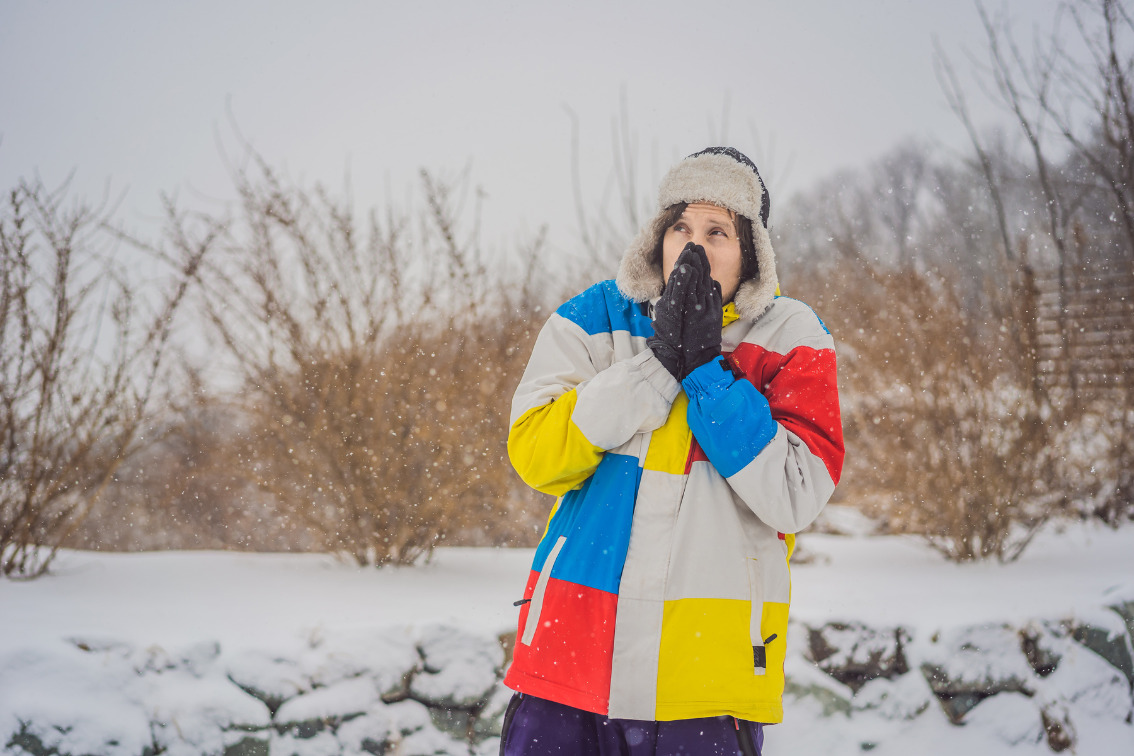
- A hat or other head covering in very cold weather
Loose, comfortable layers can also make it easier to remove clothing if you become too warm.
Pay particular attention to your hands and feet
Hands and feet can become uncomfortable quickly in cold weather.
Warm socks, insulated footwear, gloves, mittens, and hand warmers can help you stay more comfortable outdoors.
If cold feet are your main winter problem, see How to Warm Up Cold Feet for more specific strategies.
2. Keep Moving, Even When You Stay Indoors
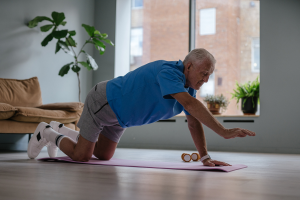
Winter can make it tempting to sit for long periods.
The problem is that prolonged inactivity can leave already-stiff joints feeling even less comfortable. Regular physical activity is an important part of managing arthritis, and winter doesn’t have to mean stopping your normal movement routine.
You don’t necessarily need a full workout.
Small amounts of movement throughout the day can be easier to manage.
Try:
- Walking around your home
- Gentle range-of-motion exercises
- Seated exercises
- Light stretching
- A stationary bicycle
- Walking indoors at a mall or other warm location
- Swimming or water exercise at an indoor pool
- Gentle yoga or tai chi
- Short periods of movement between household tasks
If your joints are particularly stiff in the morning, you may find it easier to move after you’ve warmed up rather than immediately attempting a demanding activity.
A simple winter movement habit
Instead of telling yourself that you need to exercise for an hour, try this:
Move for a few minutes whenever you’ve been sitting for a long time.
For example:
- Stand up.
- Walk around the room.
- Gently move your hands, shoulders, ankles, or knees.
- Sit down again if you need to.
Small habits are often easier to maintain throughout a long winter.
3. Use Heat for Stiff or Aching Joints
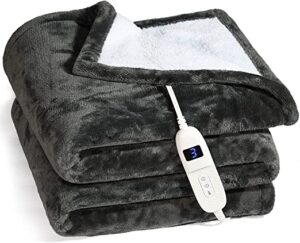
Warmth can be particularly useful when joints feel stiff.
A warm shower, bath, heating pad, warm compress, or other heat source may provide temporary relief from stiffness and aching. Heat is commonly used to relax muscles and make stiff joints feel more comfortable.
Practical ways to use warmth
Depending on the joint and your preferences, you could try:
- A warm shower in the morning
- A warm bath
- A heating pad
- A warm compress
- A heated blanket
- Warm water for stiff hands or feet
- A warm pool for gentle exercise
Heat can also be useful before gentle movement if stiffness makes it difficult to get started.
Use heat carefully
More heat isn’t necessarily better.
Avoid extremely hot temperatures and protect your skin when using heating pads or other direct heat sources. Don’t fall asleep with an electric heating pad turned on.
If a joint is suddenly swollen, hot, or acutely painful after an injury or activity, heat may not be the best choice. Cold can sometimes be more appropriate for acute pain and swelling.
If you’re unsure whether heat or cold is appropriate for your symptoms, ask a healthcare professional.
4. Protect Your Hands From Winter Cold
Cold hands can be more than an annoyance when you already have painful or stiff finger joints.
When you’re outside, insulated gloves or mittens can help retain warmth. Mittens may be particularly useful because keeping fingers together can help them stay warmer.
Hand warmers can also be useful when you’re spending extended periods outside.
At home, warm water can help make stiff hands more comfortable before activities such as:
- Preparing food
- Opening containers
- Writing
- Crafting
- Typing
- Household chores
If hand pain is one of your biggest arthritis problems, see our guide to Best Hand Relief Tools for Arthritis for more options.
If your fingers change color in the cold
Cold-sensitive fingers or toes that become white, blue, or unusually red, particularly when accompanied by numbness, tingling, or pain, can be a sign of Raynaud’s phenomenon rather than ordinary winter discomfort.
Don’t assume that persistent or unusual color changes are simply part of having arthritis. Discuss recurring symptoms with a healthcare professional.
5. Keep Your Feet Warm and Dry
Cold feet can make an otherwise comfortable winter day miserable.
Start with the basics:
- Wear warm, dry socks.
- Change damp socks promptly.
- Choose footwear that provides enough room for your toes.
- Use insulated slippers or shoes when appropriate.
- Avoid footwear that is so tight that it restricts comfortable movement.
- Keep floors and living spaces warm enough that you’re not constantly walking on cold surfaces.
If your feet are cold primarily because of winter temperatures, simple insulation may be all you need.
However, persistent coldness, numbness, tingling, pain, or color changes deserve more attention. Raynaud’s and other conditions can cause symptoms in the fingers and toes when exposed to cold.
For a more detailed guide, see How to Warm Up Cold Feet.
6. Make Your Home Easier to Live In During Winter

Winter isn’t only about temperature.
Snow, ice, bulky clothing, and spending more time indoors can make ordinary tasks harder.
Look around your home for small changes that reduce unnecessary strain.
In the kitchen
Consider:
- Easy-grip utensils
- Jar and bottle openers
- Lightweight cookware
- Electric appliances that reduce repetitive hand work
- Frequently used items stored at an easy-to-reach height
In the bedroom
Keep frequently used items within easy reach so you don’t have to repeatedly bend, stretch, or reach awkwardly.
If getting dressed is difficult on stiff mornings, consider keeping clothing organized where you can reach it easily.
In the living room
A comfortable chair with appropriate support can make it easier to alternate sitting and moving rather than remaining in one position for hours.
Small environmental changes can reduce the amount of unnecessary work your joints have to do.
7. Dress for Outdoor Winter Activities

You don’t necessarily have to stay indoors all winter.
Walking, shopping, visiting friends, or simply getting outside can still be part of your routine when conditions are suitable.
The key is to prepare for the environment.
Before going outside
Consider:
- Dressing in layers
- Wearing warm gloves or mittens
- Keeping your feet dry
- Wearing footwear with good traction
- Warming up indoors before more demanding activity
- Choosing a warmer time of day if mornings are particularly uncomfortable
If you’re walking on snow or ice, traction becomes especially important. Slipping and falling can cause injuries that are much more serious than ordinary arthritis discomfort. The Arthritis Foundation specifically recommends paying attention to traction and considering appropriate footwear or traction aids in icy conditions.
Know when to take your workout indoors
On very cold or hazardous days, there’s nothing wrong with changing plans.
An indoor walk, stationary bike, swimming session, or short home exercise routine may be a better option than risking a fall or becoming dangerously cold.
8. Adjust Your Routine During an Arthritis Flare
Winter can sometimes coincide with periods when your arthritis symptoms are more difficult to manage.
When that happens, don’t assume you have to maintain your normal activity level.
Instead, temporarily reduce the intensity while trying to avoid becoming completely inactive.
Gentle movement through a comfortable range of motion can help prevent joints from becoming increasingly stiff. If an activity clearly makes your pain worse, stop and adjust it.
A flare-day routine might look like:
Morning:
Warm shower → gentle movement → simple breakfast
Midday:
Short periods of activity → rest → repeat as tolerated
Evening:
Warm bath or other comfortable heat → gentle movement → relaxing bedtime routine
The exact routine will depend on your type of arthritis and symptoms.
If flares are frequent, severe, or becoming harder to manage, talk with your healthcare professional rather than simply trying to push through them.
9. Don’t Let Winter Turn Into Months of Inactivity
One of the easiest winter traps is gradually doing less.
You may stop walking because it’s cold. Then you spend more time sitting. Joints become stiff, everyday activities feel harder, and exercise becomes even less appealing.
Try to break that cycle early.
Instead of setting an ambitious winter fitness goal, maintain a few simple habits:
- Move regularly throughout the day.
- Keep doing activities you enjoy when conditions permit.
- Have an indoor alternative for outdoor exercise.
- Keep basic exercise equipment somewhere convenient.
- Choose activities that are comfortable enough to repeat.
- Give yourself permission to have easier days.
Consistency matters more than forcing yourself through a difficult workout.
10. Know When Winter Symptoms Need More Than Home Comfort Measures
Not every winter ache is simply a response to cold weather.
Contact a healthcare professional if you notice symptoms that are persistent, unusual, severe, or significantly different from your normal arthritis symptoms.
Examples include:
- A joint that becomes suddenly very swollen, hot, or red
- Severe or rapidly worsening pain
- New or persistent numbness or tingling
- Repeated color changes in fingers or toes
- Sores or skin changes that aren’t healing
- Difficulty walking or using a joint
- Symptoms that repeatedly interfere with sleep or daily activities
- A flare that isn’t settling with your usual management strategies
Persistent or recurrent pins and needles, for example, can have several possible causes and shouldn’t automatically be attributed to arthritis or cold weather.
If you’re concerned about a new symptom, getting it assessed is better than trying to diagnose the cause yourself.
A Simple Winter Arthritis Comfort Routine
You don’t need a complicated winter routine.
A practical starting point is:
Morning
- Take a warm shower if warmth helps your stiffness.
- Give stiff joints a few minutes of gentle movement.
- Dress warmly.
- Avoid rushing into demanding tasks before your joints have loosened up.
During the day
- Avoid sitting in one position for hours.
- Take short movement breaks.
- Keep hands and feet warm.
- Use heat when it provides comfortable, temporary relief.
- Adapt tasks that put unnecessary strain on painful joints.
When going outside
- Dress in layers.
- Protect your hands, feet, head, and ears.
- Wear footwear with good traction.
- Choose safer conditions when possible.
- Have an indoor alternative when weather conditions are poor.
Evening
- Use a warm bath or shower if it helps you relax and loosen up.
- Do gentle movement rather than remaining completely inactive.
- Prepare warm clothing and anything you’ll need for the following morning.
The best routine is the one you can realistically maintain.
Frequently Asked Questions
Does cold weather actually cause arthritis pain?
Cold weather doesn’t mean that your arthritis is being damaged by the temperature. However, many people notice that their joints feel stiffer or more uncomfortable during colder weather.
The relationship between weather and arthritis symptoms varies from person to person, so focus on the strategies that consistently make you more comfortable.
Is heat good for arthritis in winter?
Heat may provide temporary relief from stiffness and aching for some people. Warm showers, baths, heating pads, and warm compresses are common options.
Use heat at a comfortable temperature and avoid prolonged direct heat on your skin.
Should I exercise when it’s cold outside?
You don’t necessarily need to stop exercising because of cold weather.
If outdoor conditions are safe, dress appropriately, warm up, and choose activities you can perform comfortably. When it’s extremely cold, icy, or otherwise hazardous, move your exercise indoors instead.
What should I wear for arthritis in winter?
Start with comfortable layers and pay particular attention to your hands and feet.
Warm socks, gloves or mittens, insulated footwear, and a warm outer layer can help reduce exposure to cold. Heated clothing can be another option if you regularly spend time outdoors.
For a detailed comparison, see Best Heated Clothing for Arthritis: Gloves, Vests & Socks.
Why are my hands and feet especially cold?
Cold temperatures can make hands and feet feel cold simply because they’re exposed to the environment. However, persistent coldness accompanied by numbness, tingling, pain, or color changes can have other causes.
Raynaud’s phenomenon, for example, can cause fingers or toes to change color and become numb or painful in response to cold.
If this happens regularly, discuss it with a healthcare professional.
Is it better to rest when arthritis hurts in winter?
Sometimes rest is appropriate, particularly when symptoms are severe. But complete inactivity can contribute to stiffness.
A better approach for many people is to balance activity with rest: reduce activities that aggravate your symptoms while continuing gentle movement that you can tolerate.
What if winter makes my arthritis much harder to manage?
If your symptoms are substantially worse every winter or are interfering with sleep, work, walking, or everyday activities, talk with your healthcare professional.
You may need to review your overall arthritis management rather than simply adding more winter comfort products.
Related Reading
Best Heated Clothing for Arthritis: Gloves, Vests & Socks
Compare heated gloves, vests, and socks for people who want wearable warmth during cold weather.
How to Warm Up Cold Feet
Practical strategies for keeping cold feet warm, plus signs that persistent cold feet may need medical attention.
How Weather Affects Arthritis
A closer look at weather, joint symptoms, and why some people notice changes when conditions shift.
Gentle Morning Stretches for Arthritis
Simple seated or standing movements for starting the day when your joints feel stiff.
How to Reduce Morning Joint Stiffness From Arthritis
Practical strategies for making stiff arthritis mornings easier.
Arthritis Flare-Up Relief Strategies
What to consider when pain, stiffness, or swelling temporarily becomes more difficult to manage.
Bottom Line
Winter doesn’t have to mean putting your normal life on hold.
Keep your body and extremities warm, continue comfortable movement, use heat when it helps with stiffness, make your home easier to navigate, and adapt outdoor activities when cold, snow, or ice make them unsafe.
You don’t need a complicated collection of products or a perfect winter routine. A few practical changes that you can consistently maintain may make cold-weather days more manageable.
Practical tools. No hype.
Medical Disclaimer: This article is for informational purposes only and does not constitute medical advice. Always consult your doctor, rheumatologist, or occupational therapist before making changes to how you manage your arthritis.
