
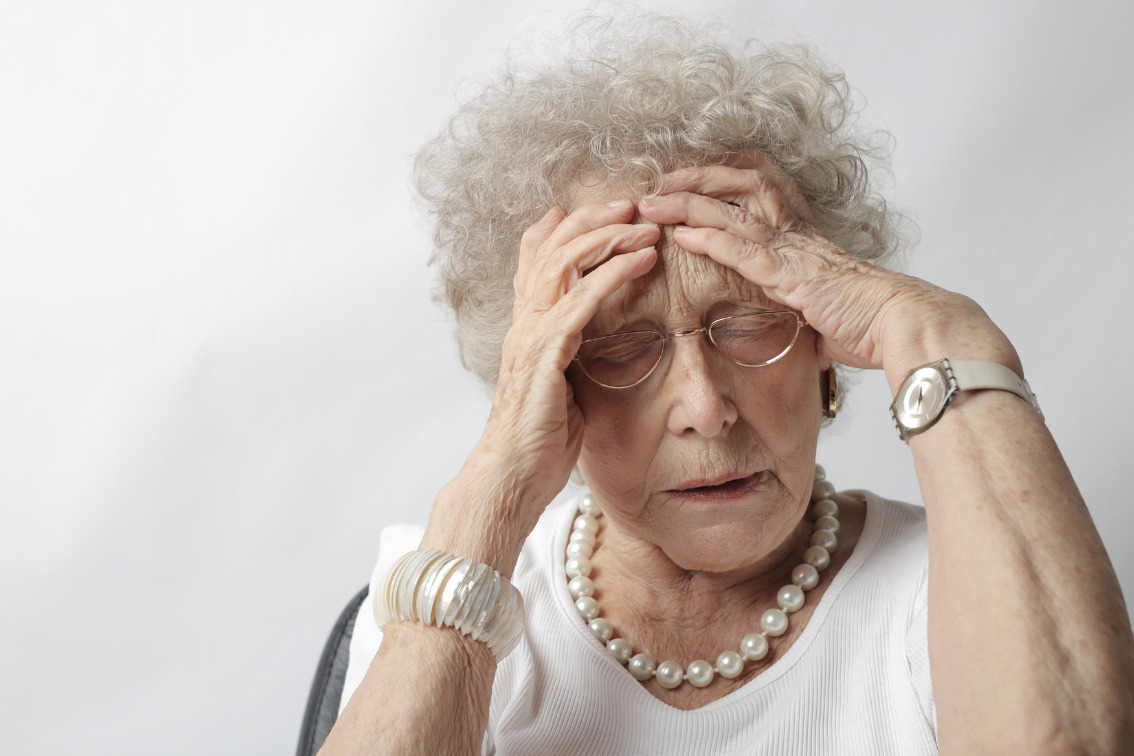
An arthritis flare-up is a period when symptoms become worse than usual. You may notice more joint pain, stiffness, swelling, fatigue, or difficulty with everyday activities. A flare can affect one joint or several, and its severity and duration can vary.
When symptoms suddenly increase, it can be tempting to push through your normal routine or stop moving altogether. Neither approach is necessarily helpful. A better strategy is to recognize what has changed, adjust your activities, manage symptoms carefully, and give yourself time to recover.
This guide explains how to respond to an arthritis flare-up, what may help, what to avoid, and when a change in symptoms needs medical attention. It also includes a free printable action plan to help you prepare for future flare-ups.
Quick Answer: What Should You Do During an Arthritis Flare-Up?
If your usual arthritis symptoms become worse:
- Reduce activities that aggravate your symptoms. Temporarily adjust lifting, gripping, walking, or other demanding tasks.
- Try comfortable heat or cold. Choose the option that feels helpful for your symptoms and follow safe-use instructions.
- Keep movement gentle and manageable. Avoid forcing painful joints, but do not assume complete bed rest is necessary.
- Follow your existing treatment plan. Use prescribed medicines and over-the-counter products only as directed.
- Make everyday tasks easier. Use assistive tools, ask for help, and allow extra time for essential activities.
- Watch for unusual symptoms. A suddenly hot, red, or markedly swollen joint—especially with fever—needs prompt medical assessment rather than being automatically treated as a routine flare.
If symptoms are severe, unusual, persistent, or different from your normal pattern, contact your healthcare professional.
1. Recognizing an Arthritis Flare-Up
A flare-up usually means your symptoms have increased compared with your normal baseline. The changes may develop gradually or appear more suddenly.
Common signs include:
- Increased joint pain or tenderness
- More stiffness, particularly after resting or waking up
- Swelling or warmth around affected joints
- Greater difficulty walking, gripping, dressing, cooking, or performing other daily tasks
- Increased fatigue or a general feeling of being unwell
- Reduced tolerance for activities that are normally manageable
The pattern depends on the type of arthritis and the individual. For example, someone with hand arthritis may find opening jars or fastening buttons suddenly more difficult. Someone with knee or hip arthritis may notice that walking, standing, or using stairs has become harder.
A flare does not always have an obvious cause. It is also important not to assume that every episode of new or worsening joint pain is an arthritis flare. An injury, infection, or another medical problem can cause similar symptoms.
2. What Can Trigger a Flare-Up?
People sometimes notice patterns between their activities, health, environment, and arthritis symptoms. However, triggers vary, and a factor that affects one person may not affect another.
| Possible influence | What to consider |
|---|---|
| Increased activity or repetitive movements | Unusually heavy work, prolonged standing, lifting, or repetitive gripping may aggravate symptoms. |
| Poor sleep or stress | These can make pain and fatigue harder to manage for some people. |
| Illness or changes in general health | An infection or another health problem can affect symptoms and may require medical assessment. |
| Weather changes | Some people report changes in joint discomfort with temperature, humidity, or barometric pressure, but responses vary. |
| Changes in routine | Travel, disrupted sleep, or a sudden change in activity may coincide with worsening symptoms. |
Do not assume that a particular food, weather change, or lack of water caused your flare without considering other factors. Evidence about many commonly reported triggers is mixed, and individual experiences differ.
Keep a Simple Symptom Record
If flare-ups happen repeatedly, a short record may help you recognize patterns and discuss them with your healthcare team.
Note:
- Which joints are affected
- Whether there is swelling, redness, or unusual warmth
- When symptoms began and how they change
- Any recent changes in activity, sleep, stress, or general health
- Medicines or other measures you used and whether they helped
- How symptoms affected your normal activities
You do not need to track everything. A few useful notes are often more practical than a detailed daily diary.
3. What to Do When a Flare-Up Begins
A simple response plan can help you avoid making decisions in the middle of a painful day.
Step 1: Check Whether the Symptoms Are Familiar
Compare the current symptoms with your usual arthritis pattern.
Ask yourself:
- Is the pain in a joint that normally bothers me?
- Is the change similar to previous flare-ups?
- Is there new or pronounced swelling, redness, or warmth?
- Do I have a fever, feel unusually unwell, or have another new symptom?
- Did the pain begin after an injury?
If the symptoms are new, severe, or unusual, seek medical advice rather than assuming they are caused by arthritis. A suddenly hot, red, or markedly swollen joint, particularly with fever or feeling unwell, requires urgent assessment.
Step 2: Scale Back Activities That Make Symptoms Worse
Temporarily reduce demanding tasks rather than trying to complete everything as usual.
Depending on the affected joints, this might mean:
- Breaking housework into shorter sessions
- Using a jar opener instead of twisting a tight lid
- Choosing lighter cookware or carrying smaller loads
- Sitting while preparing meals
- Taking more frequent breaks during walking or standing
- Postponing nonessential tasks until symptoms are easier to manage
The goal is to reduce unnecessary strain while keeping essential activities manageable.
Step 3: Try a Comfortable Symptom-Relief Method

Heat and cold are commonly used for arthritis discomfort, but the most suitable option depends on your symptoms, the affected joint, and your health circumstances.
Cold may be worth trying when a joint feels hot or swollen. Use a cold pack wrapped in a thin towel rather than placing ice directly against the skin. Follow the product’s instructions and stop if your skin becomes painful, excessively numb, or discoloured.
Heat may help when stiffness or muscle tension is the main problem. A comfortably warm pack, warm shower, or warm bath may make movement feel easier. Avoid excessive heat, especially over an area that is already hot or swollen.
Neither method is appropriate for every person or situation. Take particular care if you have reduced sensation, circulation problems, or difficulty judging temperature.
For a fuller comparison, read Heat vs. Cold Therapy for Arthritis.
Step 4: Keep Movement Gentle and Tolerable
Pain can make you reluctant to move, but complete inactivity is not automatically the best response to a flare.
If movement feels comfortable, try gentle joint movements, brief changes of position, or short periods of easy walking when appropriate. Avoid forceful stretching, heavy exercise, or movements that noticeably increase pain.
If a particular movement aggravates symptoms, modify it or leave it for now. Follow any activity restrictions given by your healthcare professional.
For more guidance, see the Arthritis Exercise Guide.
Step 5: Follow Your Treatment Plan
Continue prescribed treatment according to your healthcare professional’s instructions unless you have been advised otherwise.
Depending on your condition, your treatment plan may include medication, topical products, physical measures, or other approaches. Do not increase medication doses, combine pain-relief products, or start a new treatment simply because a flare has begun without checking whether it is appropriate for you.
Topical products may help some people with certain types of arthritis, but their suitability depends on the active ingredient, your other medicines, and your health history.
See Topical Pain Relief for Arthritis for more information.
4. What to Avoid During a Flare-Up
When symptoms increase, a few common responses can make daily life more difficult.
Avoid Pushing Through Significant Pain
Trying to finish every task despite worsening symptoms may leave you struggling to manage the rest of the day. Prioritize essential activities and postpone, simplify, or delegate what can wait.
Avoid Complete Inactivity Unless Advised
Rest can be useful when symptoms are severe, but staying in one position for long periods may increase stiffness for some people. Change position regularly and use gentle movement when tolerated.
If your healthcare professional has recommended rest or specific movement restrictions, follow that advice.
Avoid Applying Excessive Heat or Cold
Very hot packs, direct ice, and prolonged applications can damage skin. Use a protective layer, follow the product instructions, and check your skin regularly.
Avoid Suddenly Increasing Exercise
A flare is not the time to force a difficult workout or try to make up for missed exercise. Return to more demanding activity gradually as symptoms allow.
Avoid Ignoring New or Unusual Symptoms
A flare that feels different from your usual pattern deserves attention. Do not rely on your regular home-care routine to manage a potentially serious problem.
5. Rest, Sleep, and Everyday Support

Managing a flare involves more than treating the painful joint. Fatigue, disrupted sleep, and the effort required to complete ordinary tasks can all make the experience harder.
Allow Time for Rest
Build short rest periods into your day, especially after activities that require prolonged standing, walking, or hand use. Rest before you become completely exhausted when possible.
You do not need to remain in bed all day unless your medical circumstances require it. Alternate manageable activity with rest according to your symptoms.
Protect Your Sleep Routine
Pain may make it harder to get comfortable at night. Supportive pillows, a comfortable sleeping position, and a consistent bedtime routine may help.
If pain repeatedly disrupts your sleep, discuss it with your healthcare professional rather than assuming that poor sleep is simply part of having arthritis.
Make Daily Tasks Easier
During a flare, small adjustments can save effort and reduce strain:
- Keep frequently used items within easy reach.
- Use larger-handled utensils or tools that are easier to grip.
- Choose loose, easy-to-manage clothing.
- Prepare simple meals rather than attempting demanding cooking tasks.
- Ask for help with lifting, cleaning, shopping, or other difficult jobs.
You can find more ideas in the Arthritis Supplies & Tools Guide.
Eat and Drink Normally and Regularly
Maintain your usual balanced eating and drinking routine as far as you can. Adequate food and fluids support general health, but there is no single food or drink that reliably stops an arthritis flare.
Be cautious about restrictive diets, supplements, or claims that a particular product can quickly eliminate inflammation.
6. Returning to Your Normal Routine
Symptoms may settle at different rates. Avoid setting a rigid deadline for recovery or assuming that one better day means you should immediately resume every activity.
As symptoms improve:
- Start with manageable tasks. Choose activities that do not significantly aggravate your symptoms.
- Increase activity gradually. Add time or effort in small steps rather than returning to your full routine at once.
- Continue taking breaks. You may need to pace yourself even when pain has eased.
- Notice how you respond. If an activity causes a clear increase in pain or swelling, reduce the demand and reassess.
- Seek advice if progress stalls. Contact your healthcare professional if symptoms persist, worsen, recur frequently, or interfere substantially with daily life.
The aim is to find a sustainable level of activity, not to force a rapid return to your previous routine.
7. When to Seek Medical Help

Not every flare requires urgent care, but it is important to recognize when symptoms may indicate something other than your usual arthritis.
Seek urgent medical assessment if you develop:
- A suddenly very painful, hot, red, or markedly swollen joint
- Joint symptoms accompanied by fever, chills, or feeling seriously unwell
- Severe or sudden pain following an injury
- A new inability to use a joint or bear weight that is not typical for you
A hot, swollen joint can sometimes indicate an infection or another condition that needs prompt treatment. Do not assume it is a routine flare, even if you already have arthritis.
Contact your healthcare professional for advice if:
- Your usual symptoms are substantially worse than normal
- A flare does not improve as expected or continues to interfere with daily activities
- Flare-ups are becoming more frequent
- Your current treatment is no longer providing adequate relief
- You are considering changing medication or adding a new treatment
If you have been given a specific flare-management plan for your type of arthritis, follow it and use the contact instructions provided by your healthcare team.
8. Prepare a Personal Flare-Up Plan
It can be difficult to remember what to do when pain and fatigue increase. Preparing a simple plan in advance means you do not have to work everything out during a difficult day.
Your plan can include:
- Your usual early warning signs
- The joints and activities most affected
- Symptom-relief methods you can use safely
- Your prescribed medicines and instructions
- Tasks you can postpone or ask someone to help with
- Contact details for your healthcare team
- Symptoms that require urgent medical attention
Get the Free Arthritis Flare-Up Action Plan
Use this printable to record your own warning signs, preferred coping strategies, and next steps before your next flare-up.
Download the Free Arthritis Flare-Up Action Plan (PDF)
The printable is free, with no sign-up required. Personalize it to match the guidance you have received from your healthcare professional.
If you want to prepare a few practical supplies for difficult days, see our separate guide to Best Arthritis Flare-Up Kit Products. That article focuses on optional products that may make symptom management and daily tasks easier; you do not need to buy a collection of products to manage a flare.
Frequently Asked Questions
How long does an arthritis flare-up last?
There is no single timeline. Duration depends on the type of arthritis, the cause of the worsening symptoms, and the individual. If symptoms are unusually severe, persistent, or different from your normal pattern, contact your healthcare professional rather than simply waiting for them to pass.
Should I use heat or cold during a flare-up?
It depends on the symptoms and the individual. Cold may feel helpful for a hot or swollen joint, while gentle heat may ease stiffness for some people. Use either carefully, protect your skin, and follow any advice specific to your condition.
Should I rest completely during an arthritis flare?
Not necessarily. Temporarily reducing demanding activities can help you manage symptoms, but complete inactivity may increase stiffness. Gentle movement and changes of position may be appropriate when tolerated. Follow any restrictions recommended by your healthcare professional.
Can stress cause an arthritis flare-up?
Some people notice that stress and poor sleep coincide with worsening symptoms. However, the relationship varies, and stress should not automatically be assumed to be the cause of a flare. Relaxation, adequate rest, and practical support may help with overall symptom management.
What should I do if my usual arthritis treatment is not helping?
Do not increase doses or combine treatments without checking the instructions and suitability of the products. Contact your healthcare professional if symptoms are not responding as expected, especially if they are severe, unusual, or worsening.
When should I be concerned about a swollen joint?
A sudden, very painful, hot, red, or markedly swollen joint needs urgent medical assessment, particularly if you also have a fever or feel unwell. These symptoms can have causes that require prompt treatment and should not automatically be attributed to arthritis.
Related Reading
- Heat vs. Cold Therapy for Arthritis
- Topical Pain Relief for Arthritis
- Arthritis Exercise Guide
- Arthritis Supplies & Tools: Complete Guide to Daily Living Aids
- Best Arthritis Flare-Up Kit Products
Medical Disclaimer: This article is for informational purposes only and does not constitute medical advice. Always consult your doctor, rheumatologist, or occupational therapist before making changes to how you manage your arthritis.
