

Disclosure: As an Amazon Associate, Arthritis Wares earns from qualifying purchases at no extra cost to you. We are not paid or sponsored by any manufacturer. Affiliate links help support our work.
Hydrotherapy uses water to support movement, exercise and relaxation. For people living with arthritis, warm water and gentle aquatic exercise may help ease stiffness, make movement more comfortable and provide a low-impact way to stay active.
You do not need an expensive whirlpool tub or special equipment to get started. A warm bath may provide temporary comfort, while exercising in a swimming pool allows you to move against the water’s resistance without placing as much weight on your joints.
This guide explains the potential benefits of hydrotherapy for arthritis, ways to try it at home or in a pool, useful equipment to consider, and precautions that can help you get started safely.
Quick Answer: Can Hydrotherapy Help Arthritis?
Hydrotherapy may help some people with arthritis move more comfortably, manage stiffness and maintain physical activity. Warm water can relax muscles, while the buoyancy of pool water reduces the load on weight-bearing joints during exercise.
There are two important distinctions:
- Warm baths: May temporarily ease stiffness and help you relax, but they do not treat the underlying cause of arthritis.
- Aquatic exercise: Uses water to support gentle movement and provide resistance. It can be a useful exercise option for people who find some land-based activities uncomfortable.
Results vary by person and condition. Hydrotherapy is best viewed as one part of an arthritis management plan, not a replacement for prescribed treatment or advice from a healthcare professional.
What Is Hydrotherapy?
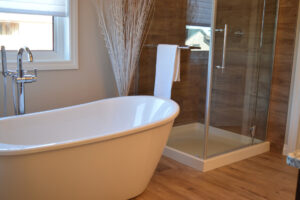
Hydrotherapy is the use of water for comfort, movement or therapeutic exercise. In arthritis care, it can refer to several different activities.
Warm-water bathing
A warm bath or shower may temporarily ease stiffness and relax tense muscles. It is a simple option for people who want to feel more comfortable before beginning their daily activities.
Aquatic exercise
Aquatic exercise involves gentle movements in a swimming pool. Water supports part of your body weight and provides resistance as you move, allowing you to work on mobility, balance and strength at a manageable pace.
Supervised aquatic physiotherapy
Some physiotherapy and rehabilitation facilities offer pool-based exercise under professional supervision. A physiotherapist can adapt movements to your abilities, symptoms and rehabilitation goals.
These approaches are related, but they are not interchangeable. A relaxing bath may help you feel more comfortable, while a structured aquatic exercise program is intended to improve movement and physical function.
Potential Benefits of Hydrotherapy for Arthritis
Water-based activities can be useful for some people with osteoarthritis, rheumatoid arthritis and other joint conditions. The benefits depend on the activity, water temperature, individual health and how the body responds.
1. Makes movement easier
Water buoyancy supports part of your body weight. In a pool, this can reduce the load on your knees, hips and feet, making gentle movement more comfortable than some exercises performed on land.
2. May ease stiffness
Warm water may help relax muscles and temporarily reduce the feeling of stiffness around painful joints. Some people find it easier to begin gentle movement after warming up.
3. Provides gentle resistance
Water naturally resists movement. Walking, bending your knees or moving your arms through water can provide some muscular work without the need for heavy weights.
4. Supports mobility and physical activity
Pool exercise can help you practise range-of-motion movements and stay active when walking or exercising on land is uncomfortable. Regular activity can support overall physical function.
5. Offers a relaxing environment
Warm-water bathing and gentle swimming-pool exercise may help some people relax and manage the stress that can accompany chronic pain.
What hydrotherapy does not guarantee: It does not cure arthritis, and a warm bath should not be described as a proven way to eliminate joint inflammation. Benefits vary, and some people may find particular activities uncomfortable or unsuitable.
Hydrotherapy Options for Arthritis

You can choose an approach based on your mobility, budget, access to a pool and personal preferences.
1. Warm baths at home
A warm bath is one of the simplest ways to try water-based comfort without buying special equipment.
Practical starting points:
- Use comfortably warm water rather than very hot water.
- Begin with a short soak, perhaps 10–15 minutes, and see how you feel.
- Get in and out slowly, using a properly installed grab bar or suitable bathing aid if needed.
- If bathing makes you dizzy, overheated or uncomfortable, get out carefully and stop.
- Consider gentle movement of your hands, ankles or knees while seated comfortably, provided it does not increase pain.
There is no single water temperature or bathing duration that is right for everyone. Your age, health, skin sensitivity and ability to get in and out of the bath safely all matter.
Do you need Epsom salts or bath jets?
No. Plain warm water is enough to try a warm bath. Epsom salts are popular, but there is limited evidence that adding them provides additional arthritis-specific relief.
Portable bath jet devices are optional relaxation accessories, not necessary hydrotherapy equipment. Before buying one, check that it is compatible with your bathtub, easy to clean and safe to use according to the manufacturer’s instructions.
For many readers, a comfortable bath and a safe way to enter and exit are more useful priorities than a bath massager.
2. Aquatic exercise in a swimming pool
Aquatic exercise is worth considering if you want to work on movement, flexibility or strength while reducing the weight your joints support.
You can begin with simple movements in a pool where you can stand securely. A supervised class or physiotherapy program may be a good starting point if you are uncertain about balance, mobility or suitable exercises.
Beginner-friendly water exercises
Water walking
- Stand in water at a depth where you feel stable.
- Walk slowly forward for a short distance.
- Take comfortable steps without forcing your knees or hips.
- Turn carefully and walk back if you feel steady.
Gentle knee bends
- Stand near the pool wall or another secure support.
- Bend your knees slightly within a comfortable range.
- Straighten your legs slowly.
- Repeat a few times without forcing the movement.
Arm movements
- Stand comfortably with your arms in the water.
- Move your arms forward, outward and back at a gentle pace.
- Keep the movements within a comfortable range.
- Stop if your shoulders, elbows, wrists or hands become more painful.
Heel raises
- Hold a secure poolside support if needed.
- Slowly raise your heels while keeping your toes on the pool floor.
- Lower your heels with control.
- Repeat only as long as you feel stable and comfortable.
Start with a few minutes rather than aiming for a long session. Build up gradually if the activity feels manageable. Stop if you experience sharp pain, dizziness, unusual breathlessness or worsening symptoms.
3. Supervised aquatic physiotherapy
If arthritis significantly limits your movement, a physiotherapist may help you decide whether supervised aquatic exercise is appropriate.
A program can be adapted to your current abilities and may include walking, range-of-motion movements, balance practice or strengthening exercises.
Ask about pool access, water temperature, accessibility, supervision and whether the facility can accommodate your mobility needs. You do not need to enrol in a specialized program if ordinary pool exercise is already comfortable and appropriate for you.
Hydrotherapy Equipment: What Is Worth Buying?
Most people do not need to buy anything to try hydrotherapy. If you already have access to a swimming pool, a few optional accessories may make exercise more convenient.
Aquatic exercise dumbbells
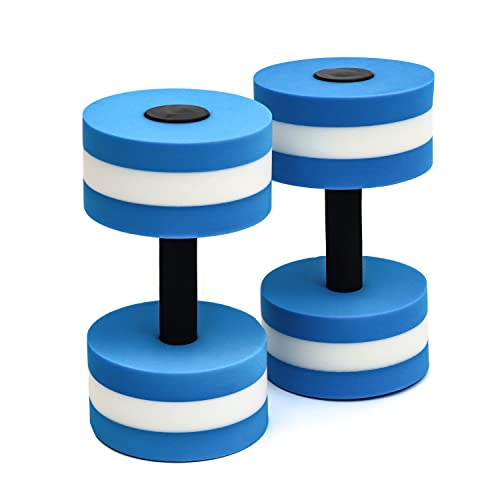
Aquatic dumbbells are usually made from lightweight foam. They provide resistance when you push or pull them through water and can be used for simple arm exercises.
They are not essential for beginners. Start with unweighted movements and add equipment only if it suits your ability and goals.
Example product to consider: Trademark Innovations Aquatic Exercise Dumbbells, Set of 2.
These are an option for people who already have pool access and want to add resistance to their water workouts. Check the current product listing for dimensions, material, availability and buyer feedback before purchasing. Foam handles may not suit every person with hand arthritis, so consider how comfortably you can hold and control them.
Other equipment that may help
Depending on your needs, you might also consider:
- Water shoes: May provide a more secure fit and some protection on pool surfaces. Check the pool’s rules and choose footwear designed for water use.
- Water-exercise gloves: Can add resistance during arm movements, although they may be difficult to put on or remove if your hands are painful.
- A bath seat or transfer bench: May help some people who struggle to sit down in a bathtub or step over the tub edge.
- A properly installed grab bar: Can provide a handhold when entering or leaving the bath. Choose a product suitable for the installation surface; a suction handle should not be assumed to support full body weight.
These are optional aids, not treatments for arthritis. Choose equipment based on a specific difficulty you want to address rather than buying several products at once.
A Gentle Beginner Pool Routine

If you have access to a suitable pool and feel comfortable exercising in water, the following is a simple example of how to structure a short session.
Adjust it to your abilities, and seek professional guidance if you have significant balance problems, severe mobility limitations or uncertainty about which movements are suitable.
Example 10-minute session
- Easy warm-up — 2 minutes: Stand comfortably in the water and make gentle arm and ankle movements.
- Water walking — 3 minutes: Walk slowly at a pace that allows you to remain steady.
- Gentle arm movements — 2 minutes: Move your arms through the water without forcing your shoulders or hands.
- Comfortable range-of-motion movements — 2 minutes: Practise a few gentle knee bends or other movements suitable for you.
- Slow down — 1 minute: Reduce your pace and allow your breathing to settle.
You can shorten the routine or take breaks whenever needed. This is an example, not a required exercise prescription. If a movement increases pain during the session or leaves you noticeably worse afterward, reduce the intensity or stop and ask a healthcare professional for advice.
Is Hot-and-Cold Contrast Therapy Necessary?
No. You do not need to alternate hot and cold water to benefit from warm-water bathing or aquatic exercise.
Some people use heat or cold for temporary symptom relief, but the most suitable option depends on their symptoms and health circumstances. Very hot or very cold water can be uncomfortable or unsafe for people with reduced sensation or certain circulation problems.
For practical advice about choosing between these approaches, see Heat Therapy vs. Cold Therapy for Arthritis.
Hydrotherapy Safety: What to Know Before You Start
Water-based activity is not automatically safe for everyone. Consider these precautions before bathing or exercising in a pool.
- Avoid excessive heat. Very hot water can cause overheating, dizziness or light-headedness.
- Take care with reduced sensation. If you have neuropathy or reduced ability to feel temperature, you may not notice water that is too hot or cold.
- Consider your heart and respiratory health. Ask a healthcare professional whether warm-water bathing or pool exercise is appropriate if you have significant cardiovascular or respiratory conditions.
- Protect your skin. Avoid soaking in communal pools with open wounds or skin infections unless a healthcare professional and the facility confirm it is safe.
- Plan for safe entry and exit. Wet floors and tub edges can be slippery. Use appropriate supports and ask for help if needed.
- Adapt activity during a flare. If a joint is especially painful, hot or swollen, avoid forcing movement and seek advice on what activity is appropriate.
- Follow pool safety rules. Use a suitable depth, enter carefully and choose a facility where assistance is available if you need it.
Stop an activity if you develop chest pain, faintness, unusual shortness of breath or severe or sudden symptoms, and seek appropriate medical help.
If you are unsure whether hydrotherapy is suitable for your condition, discuss it with your doctor or physiotherapist.
Frequently Asked Questions
Is hydrotherapy good for osteoarthritis?
Aquatic exercise may help some people with osteoarthritis maintain physical activity and improve comfort or function. Warm baths may temporarily ease stiffness, but neither approach cures osteoarthritis or guarantees pain relief.
Is swimming or walking in water better for arthritis?
Neither is best for everyone. Water walking may be easier to start if you want simple, supported movement. Swimming may be suitable if you are comfortable with the technique and have the necessary shoulder and joint mobility. Choose an activity you can do safely and comfortably.
How often should I do aquatic exercise?
There is no single schedule that suits everyone. Start with short, manageable sessions and increase gradually if you tolerate them well. A physiotherapist can help you plan activity around your condition, fitness and symptoms.
Is a warm bath as effective as aquatic physiotherapy?
They serve different purposes. A warm bath may provide temporary comfort and relaxation. Aquatic physiotherapy uses planned exercises, sometimes under professional supervision, to work on movement and function. A bath should not be treated as an equivalent substitute for a rehabilitation program.
Do I need a whirlpool tub for hydrotherapy?
No. You can try warm-water bathing in an ordinary bathtub or aquatic exercise in a suitable pool. A whirlpool tub is an expensive optional purchase, not a requirement for arthritis self-care.
Can I use hydrotherapy during an arthritis flare?
It depends on your symptoms and the type of activity. Gentle movement may be appropriate for some people, but a particularly painful, hot or swollen joint may need a change in activity. Do not force movement through significant pain; seek individualized advice if you are unsure.
Getting Started With Hydrotherapy
You do not need an expensive setup to explore whether water-based activity suits you.
If you prefer home care, begin with a comfortably warm bath and pay attention to how your body responds. If you want to improve movement and strength, consider a pool or an aquatic exercise class. Ask a physiotherapist for guidance if you need help choosing suitable movements.
The goal is not to find a product that promises to eliminate arthritis pain. It is to find a safe, manageable way to feel more comfortable and keep moving.
Related Reading
- Heat Therapy vs. Cold Therapy: Which Is Best for Arthritis?
- The Best Exercise Equipment for Arthritis
- Gentle Exercises to Improve Mobility and Reduce Pain
- Home Remedies for Arthritis: What Really Works (and What to Avoid)
- Living Well With Arthritis: Practical Relief, Tools & Daily Strategies
Medical Disclaimer: This article is for informational purposes only and does not constitute medical advice. Always consult your doctor, rheumatologist, or occupational therapist before making changes to how you manage your arthritis.
