

Disclosure: As an Amazon Associate, Arthritis Wares earns from qualifying purchases at no extra cost to you. We are not paid or sponsored by any manufacturer. Affiliate links help support our work.
Choosing exercise equipment when you have arthritis is not simply about finding the most popular home-gym product. The right equipment should match your mobility, the joints affected by arthritis, the type of exercise you want to do, and what you can use comfortably and consistently.
Some people may benefit from resistance bands for strength training. Others may prefer a recumbent bike for seated cardio, water-exercise equipment for pool workouts, or simple hand-exercise tools for targeted hand and finger exercises.
You also do not need specialized equipment to exercise with arthritis. Walking, chair exercises, range-of-motion exercises, and many strengthening exercises can be done with little or no equipment.
This guide focuses on equipment that can make certain types of exercise more accessible, comfortable, or convenient at home.
Quick Answer: What Is the Best Exercise Equipment for Arthritis?
There is no single piece of exercise equipment that is best for everyone with arthritis. The best choice depends on your goals and physical limitations.
| Equipment | Best For | Main Advantage | Consider If… | Potential Drawback |
|---|---|---|---|---|
| Resistance bands | Strength training | Adjustable resistance | You want inexpensive home exercise | Some bands require gripping |
| Recumbent exercise bike | Seated cardio | Supported seating position | Walking is uncomfortable | Requires more space |
| Water-exercise equipment | Pool exercise | Water provides support | You have access to a pool | Requires pool access |
| Hand exercise tools | Hand and finger exercise | Targeted resistance | You want to work on hand function | Too much resistance may aggravate symptoms |
| Elliptical | Low-impact cardio | Continuous gliding motion | You have adequate balance and mobility | Getting on and off may be difficult |
| Pedal exerciser | Seated movement | Compact and accessible | You prefer exercising while seated | Exercise intensity may be limited |
For most beginners, resistance bands are one of the simplest pieces of equipment to consider for strength training. If your main goal is cardio and walking is uncomfortable, a recumbent bike or water exercise may be worth considering.
If you’re looking for exercises rather than equipment, start with our Arthritis Exercise Guide: Safe Exercises & Tips.
Do You Actually Need Exercise Equipment?
No.
You can build a useful exercise routine without purchasing specialized equipment.
Depending on your abilities, you can exercise using:
- Walking
- A sturdy chair
- A wall or countertop for support
- Body-weight exercises
- Gentle range-of-motion exercises
- Household activities that keep you moving
- Stairs, when appropriate and safe
- Stretching or mobility exercises
Equipment becomes useful when it solves a particular problem.
For example, a resistance band can provide adjustable resistance for strength training. A recumbent bike can provide a seated alternative to walking. A pedal exerciser can make movement possible while sitting.
The goal is not to own more exercise equipment. The goal is to find tools that make regular physical activity more practical for you.
How to Choose Exercise Equipment for Arthritis
Before buying anything, consider five questions.
1. What Type of Exercise Do You Want to Do?
Different equipment serves different purposes.
- Strength: resistance bands or light weights
- Cardio: recumbent bike, elliptical, pedal exerciser
- Water exercise: aquatic dumbbells or gloves
- Hand exercise: hand exercisers and therapy tools
- Mobility: straps and selected stretching equipment
2. Which Joints Are Affected?
Equipment that works well for your knees may not be appropriate for painful hands or shoulders.
If gripping is difficult, for example, equipment requiring a firm grip may be frustrating even if the exercise itself is appropriate.
3. How Much Mobility Do You Have?
Getting onto an elliptical or conventional exercise bike may be difficult for someone with limited balance or mobility.
A seated pedal exerciser or chair-based exercise may be a more practical starting point.
4. How Much Space Do You Have?
A resistance band can fit in a drawer.
A recumbent bike requires substantially more floor space.
Measure the area where you plan to use and store equipment before ordering larger products.
5. Will You Actually Use It?
An inexpensive piece of equipment that you use several times a week is more useful than an expensive machine that sits unused.
Choose equipment that fits naturally into your routine.
1. Resistance Bands: Best for Adjustable Strength Training
Resistance bands are among the most versatile exercise tools for home strength training.
They are lightweight, relatively inexpensive, easy to store, and available in different resistance levels.
Why Consider Resistance Bands?
Resistance bands can be used for a variety of upper- and lower-body exercises, including:
- Arm exercises
- Rows
- Shoulder exercises
- Leg exercises
- Hip exercises
- Seated strengthening exercises
You can usually change the difficulty by using a different resistance level or changing how much the band is stretched.
What to Look For
When choosing resistance bands, consider:
- Multiple resistance levels
- Comfortable handles or loops
- Material that is easy to grip
- A resistance level appropriate for your current strength
- Clear instructions for different exercises
If arthritis affects your hands, pay particular attention to how much gripping is required.
Simple Resistance-Band Exercises
Some possibilities include:
Seated arm curls: Sit in a sturdy chair and perform controlled curls using light resistance.
Seated rows: Anchor the band appropriately and pull it toward your body while keeping the movement controlled.
Leg exercises: Use appropriate band positioning to add resistance to selected leg movements.
Start with light resistance rather than choosing a band that requires you to strain.
Safety Tips
- Start with lighter resistance.
- Use slow, controlled movements.
- Do not force a painful joint through its range of motion.
- Reduce resistance if an exercise aggravates a joint.
- Check bands regularly for signs of wear.

2. Recumbent Exercise Bikes: Best for Supported Cardio
A recumbent exercise bike places the rider in a more reclined position than a traditional upright exercise bike.
For some people with arthritis, the supported seat and controlled pedaling motion make it a comfortable way to perform aerobic exercise.
Why Consider a Recumbent Bike?
Potential advantages include:
- Seated exercise
- Back support
- Adjustable resistance
- Controlled pedaling
- No need to balance on a moving bicycle
A recumbent bike may be particularly worth considering if walking is uncomfortable but you can comfortably get into and out of the seat.
What to Look For
Consider:
- A comfortable, supportive seat
- Easy-to-adjust resistance
- A step-through design if getting onto equipment is difficult
- Pedal straps that are easy to use
- A display that is easy to read
- A footprint that fits your available space
Getting Started
Start with a short period of easy pedaling and low resistance.
As the activity becomes more comfortable, you can gradually increase the duration or resistance.
There is no need to begin with a long workout.

3. Water Exercise Equipment: Best for Pool-Based Exercise
Water exercise can be a useful option for people who find some land-based activities uncomfortable.
Buoyancy reduces the amount of body weight your joints have to support, while the water itself provides resistance as you move.
You can exercise in water without buying any equipment, but simple aquatic equipment can add resistance or make certain movements easier.
Equipment to Consider
Examples include:
- Water dumbbells
- Aquatic resistance gloves
- Pool noodles
Why Consider Water Exercise?
Water exercise may allow you to perform movements that feel difficult on land.
Possible activities include:
- Water walking
- Leg movements
- Arm movements
- Water aerobics
- Gentle swimming
Simple Water Routine
A beginner might start with:
- 3–5 minutes of comfortable water walking
- Gentle arm movements
- Controlled leg movements
- Short periods of additional walking or water exercise
Adjust the duration and intensity according to your abilities.

One Important Limitation
Water exercise requires access to a suitable pool.
It also isn’t automatically appropriate during every arthritis flare. If movement is significantly more painful than usual, you may need to reduce or modify activity.
4. Hand Exercise Tools: Best for Hand and Finger Exercise
Hand exercise tools can provide resistance for people who want to work on grip strength or hand function.
However, more resistance is not necessarily better for arthritic hands.
If finger or thumb joints are painful or inflamed, aggressive squeezing can make symptoms worse.
What to Look For
Look for:
- Multiple resistance levels
- Soft or comfortable materials
- Products that allow gradual progression
- Designs that don’t require excessive gripping
Possible Hand Exercises
Depending on your symptoms and the type of tool:
- Gentle squeezing
- Finger extensions
- Individual finger movements
- Grip exercises
- Range-of-motion exercises
Start gently rather than trying to maximize grip strength immediately.

Related Reading: Best Hand Therapy Tools for Arthritis
5. Elliptical Machines: Best for Low-Impact Cardio
An elliptical provides a continuous gliding movement rather than the repeated impact associated with activities such as running.
Some people may find this comfortable for cardio exercise, particularly when walking is difficult.
Why Consider an Elliptical?
Potential advantages include:
- Adjustable resistance
- Adjustable pace
- Continuous movement
- Upper- and lower-body movement on some models
- No outdoor walking required
Who Might Want One?
An elliptical may be worth considering if you:
- Have adequate balance
- Can safely step onto and off the machine
- Want a home cardio machine
- Prefer an indoor workout
- Find some higher-impact activities uncomfortable
It may not be the best choice for someone with significant balance or mobility problems.
Getting Started
Begin with a few minutes at a comfortable pace and low resistance.
Increase the duration gradually rather than immediately aiming for a long workout.

6. Under-Desk Pedal Exercisers: Best for Seated Movement
A pedal exerciser is a small device that sits on the floor and allows you to pedal while seated.
It can be useful for people who want to add movement without purchasing a full-size exercise bike.
Why Consider a Pedal Exerciser?
Potential advantages include:
- Compact size
- Seated use
- Easy storage
- Lower cost than a full exercise bike
- Can be used while seated at home
The resistance and stability of different models vary, so look for a unit that stays securely in place during use.

This is also a good option to consider if a full-size exercise bike is impractical because of space.
Other Exercise Equipment to Consider
Not every piece of exercise equipment needs its own major section.
Depending on your goals, you might also consider:
Light Hand Weights
Light dumbbells can provide another way to perform strengthening exercises.
Choose weights that allow controlled movement without excessive gripping or straining.
Exercise Mats
An exercise mat can make floor-based exercises more comfortable and provide a defined space for stretching or mobility work.
If getting down onto the floor is difficult, however, a mat may not add much value.
Stretch Straps
A stretch strap can help with certain flexibility and mobility exercises, particularly when reaching a foot or leg directly is difficult.
It should be used gently rather than to force a joint into a deeper stretch.
Exercise Equipment by Goal
If you’re unsure what to buy, start with your exercise goal rather than the product.
| Your Goal | Equipment to Consider |
|---|---|
| Build strength | Resistance bands, light weights |
| Exercise while seated | Pedal exerciser, resistance bands |
| Indoor cardio | Recumbent bike, elliptical |
| Pool exercise | Water dumbbells, resistance gloves |
| Hand and finger exercise | Hand exercisers, therapy tools |
| Gentle stretching | Stretch strap, exercise mat |
| Improve general mobility | Equipment may not be necessary |
This approach can help prevent buying equipment simply because it is marketed as “arthritis-friendly.”
Exercise Equipment for Different Mobility Levels
Your mobility can also affect which equipment makes sense.
If You Walk Comfortably
You have many choices, including:
- Walking
- Resistance bands
- Cycling
- Elliptical exercise
- Water exercise
- Light strength training
If Standing for Long Periods Is Difficult
Consider:
- Recumbent cycling
- Pedal exercisers
- Seated resistance-band exercises
- Chair exercises
- Water exercise, if pool access is practical
If Balance Is a Concern
Be cautious with equipment that requires you to step onto a platform or maintain balance while exercising.
A seated option may be more appropriate.
Consider discussing exercise choices with a physical therapist if balance problems are significant.
If Hand Arthritis Makes Gripping Difficult
Look for equipment with:
- Large handles
- Comfortable grips
- Lower resistance
- Minimal gripping requirements
You may also prefer lower-body exercise equipment that doesn’t require your hands to hold handles tightly.
How Much Exercise Equipment Do You Really Need?
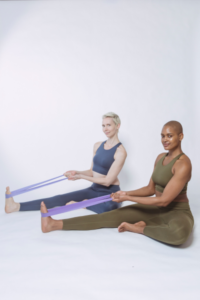
Probably less than you think.
A simple home setup might consist of:
- A sturdy chair
- A resistance band
- Comfortable walking shoes
- Optional light weights or another piece of equipment based on your goals
You do not need a complete home gym to become more active.
If a particular piece of equipment solves a real problem for you, it can be worth the investment. If it simply duplicates an exercise you can already do comfortably, it may not be necessary.
Buying Tips Before You Order
Before purchasing exercise equipment, check:
Size and Storage
Measure your available space.
Don’t forget to consider where the equipment will be stored when you’re not using it.
Ease of Use
Look for controls, straps, resistance adjustments, and handles that you can operate comfortably.
Stability
Larger machines should feel stable during use.
For smaller pedal exercisers and similar equipment, stability on your floor is particularly important.
Adjustability
Equipment with multiple resistance or height settings can be more useful as your abilities change.
Weight and Assembly
Large exercise machines can be heavy and may require assembly.
Consider whether you will be able to move and set up the equipment safely.
Return Policy
Exercise equipment can be difficult to evaluate from a product listing alone.
A reasonable return policy can be especially important if you are unsure whether the equipment will be comfortable for your joints.
Exercise Equipment Does Not Replace Good Exercise Habits
Equipment can make exercise easier to access, but it does not make an exercise routine automatically effective.
The basics still matter:
- Start gradually
- Exercise at an appropriate intensity
- Use good technique
- Modify movements when necessary
- Allow time for recovery
- Choose activities you can maintain
- Pay attention to how your joints respond
If you’re looking for the exercises themselves, see our Arthritis Exercise Guide: Safe Exercises & Tips.
Exercise Safety for People With Arthritis
Before using new exercise equipment:
- Start with low resistance or an easy setting.
- Begin with short sessions.
- Increase duration or resistance gradually.
- Avoid forcing painful joints through a movement.
- Modify an exercise if it repeatedly aggravates a joint.
- Use stable support if balance is an issue.
- Follow the manufacturer’s safety instructions.
- Stop if you experience sharp or severe pain.
If you have significant mobility limitations, balance problems, severe joint pain, or a medical condition that affects exercise, consider asking a healthcare professional for individualized guidance.
Frequently Asked Questions
What is the best exercise equipment for arthritis?
There is no single best piece of equipment for everyone. Resistance bands are a versatile choice for strength training, while recumbent bikes and water exercise can provide lower-impact cardio options. Hand exercise tools can be useful for targeted hand and finger exercises.
Are resistance bands good for arthritis?
Resistance bands can be useful for strengthening exercises because they provide adjustable resistance and can be used in many different positions. Choose a resistance level that allows controlled movement without aggravating your joints.
Is a recumbent bike good for arthritis?
A recumbent bike can be a useful option for people who want seated aerobic exercise. The supported seat and controlled pedaling may be more comfortable than some other forms of cardio, although individual responses vary.
Is an elliptical good for arthritis?
An elliptical can provide low-impact cardiovascular exercise, but it isn’t suitable for everyone. You need enough balance and mobility to safely get on and off the machine and maintain control during exercise.
What exercise equipment is best for people with limited mobility?
Seated options such as pedal exercisers, resistance bands, and chair-based exercise equipment may be useful for people who cannot comfortably stand for long periods. The best choice depends on your mobility and the joints affected.
Are hand grippers good for arthritis?
Hand-strengthening tools can be useful for some people, but strong gripping is not appropriate for everyone with painful or inflamed hand joints. Start with gentle resistance and stop or modify the exercise if it increases symptoms.
Do I need exercise equipment to exercise with arthritis?
No. Walking, chair exercises, range-of-motion exercises, and many strengthening activities can be performed with little or no equipment. Equipment is most useful when it makes a particular type of exercise easier, more accessible, or more convenient.
Related Reading
Arthritis Exercise Guide: Safe Exercises & Tips
Our main exercise guide covers types of exercise, how much activity to aim for, exercising with limited mobility, arthritis flares, and exercise safety.
Best Hand Therapy Tools for Arthritis
A more focused guide to tools for hand, finger, and grip exercises.
How to Reduce Morning Joint Stiffness From Arthritis
Practical strategies for getting moving when arthritis stiffness is particularly noticeable in the morning.
Key Takeaways
- You don’t need specialized equipment to exercise with arthritis.
- The best equipment depends on your exercise goals, mobility, affected joints, available space, and budget.
- Resistance bands are a versatile option for home strength training.
- Recumbent bikes can provide supported seated cardio.
- Water-exercise equipment can add resistance to pool workouts.
- Hand exercise tools can be useful for targeted hand and finger exercises when used appropriately.
- Ellipticals can provide low-impact cardio but require adequate balance and mobility.
- Pedal exercisers offer a compact option for seated movement.
- Start with equipment that solves a specific problem rather than buying a large collection of products.
- Choose equipment you can use safely and consistently.
Medical Disclaimer: This article is for informational purposes only and does not constitute medical advice. Always consult your doctor, rheumatologist, or occupational therapist before making changes to how you manage your arthritis.
