
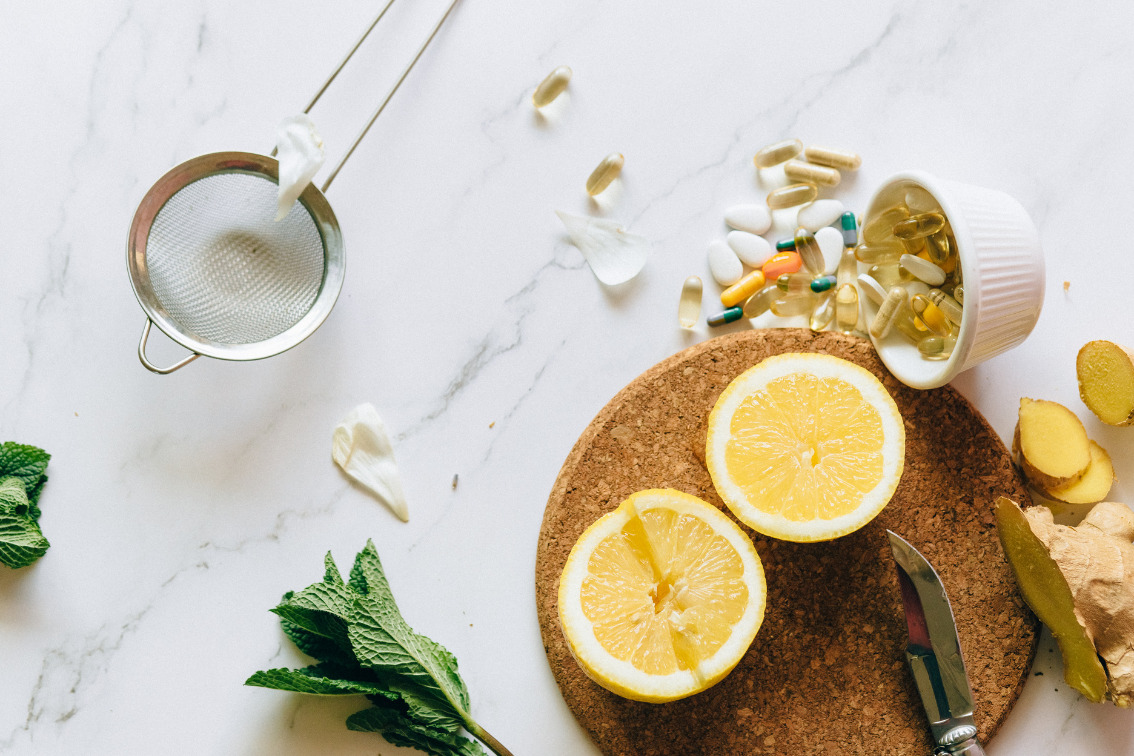
When arthritis pain flares up, it’s natural to look for relief you can find at home. From heating pads and gentle exercise to turmeric supplements and herbal teas, there is no shortage of advice about “natural” arthritis remedies.
But not every popular home remedy is supported by good evidence. Some may offer comfort, while others are unlikely to make a meaningful difference. A few can even be risky, particularly if you have rheumatoid arthritis, take prescription medications, or have other health conditions.
This guide cuts through the noise. We’ll look at home remedies that may genuinely help manage arthritis pain and stiffness, popular remedies that are unlikely to work, and approaches that deserve extra caution.
The goal isn’t to find a miracle cure. It’s to build a practical, evidence-informed toolkit that can complement your medical care and make everyday life with arthritis a little easier.
Important: Home remedies can help manage symptoms, but they do not cure arthritis or replace appropriate medical treatment. If you have persistent, worsening, or unexplained joint pain, talk with your healthcare provider.
The Best Home Remedies for Arthritis
The most useful home approaches tend to fall into a few categories: managing pain and stiffness, supporting movement, reducing strain on painful joints, and building healthy habits that support your overall well-being.
Here are the options most worth considering.
1. Use Heat and Cold Therapy for Pain and Stiffness

Heat and cold are two of the simplest tools for managing arthritis symptoms at home.
Heat can be especially soothing when joints feel stiff or muscles around a joint feel tight. A warm shower, heating pad, warm compress, or heated wrap may help you loosen up before moving.
Cold can be useful when a joint feels swollen, hot, or irritated after activity. An ice pack or cold pack wrapped in a thin towel can provide temporary relief.
How to use heat
- Apply heat for about 15–20 minutes at a time.
- Use a comfortable temperature rather than very high heat.
- Try heat before gentle movement if stiffness is your main problem.
- Avoid falling asleep with an electric heating pad turned on.
How to use cold
- Apply a cold pack for about 10–15 minutes at a time.
- Always protect your skin with a towel or cloth.
- Stop if your skin becomes excessively numb, painful, or discolored.
Heat and cold affect people differently, so pay attention to what makes your own symptoms feel better.
Read next: Heat and Cold Therapy for Arthritis Pain
2. Keep Moving With Gentle, Joint-Friendly Exercise
It may seem counterintuitive to exercise when your joints hurt, but regular, appropriate movement is one of the most important home strategies for managing arthritis.
Gentle activity can help maintain joint mobility, strengthen the muscles that support your joints, and reduce stiffness. It may also make everyday activities easier over time.
Options that many people with arthritis find manageable include:
- Walking
- Swimming
- Water exercise
- Gentle cycling
- Yoga adapted for your abilities
- Tai chi
- Range-of-motion exercises
- Gentle strengthening exercises
You don’t have to exercise for an hour to benefit. Even short periods of movement spread throughout the day can be a useful starting point.
If an exercise consistently causes significant pain or swelling, stop and discuss your options with a healthcare professional or physical therapist.
3. Eat an Anti-Inflammatory, Nutrient-Rich Diet
There is no single “arthritis diet,” but the foods you eat regularly can influence your overall health and may support a healthier inflammatory balance.
Rather than focusing on one miracle food, think about your overall eating pattern.
Foods commonly included in an anti-inflammatory style of eating include:
- Colorful fruits and vegetables
- Leafy greens
- Whole grains
- Beans and legumes
- Nuts and seeds
- Olive oil
- Fatty fish such as salmon, sardines, and mackerel
At the same time, it can be helpful to limit excessive intake of highly processed foods, added sugars, and other foods that contribute to poor overall nutrition.
Diet is not a substitute for arthritis treatment, but a balanced eating pattern can support general health and may be a useful part of a broader approach to managing symptoms.
Read next: Anti-Inflammatory Foods for Arthritis Relief
4. Consider Turmeric and Curcumin Carefully
Turmeric is one of the most popular natural remedies associated with arthritis.
Its main active compound, curcumin, has been studied for its anti-inflammatory properties, and some research suggests that certain curcumin preparations may help reduce symptoms in people with osteoarthritis.
However, there are important limitations.
The evidence varies depending on the specific supplement, dosage, formulation, and type of arthritis being studied. Turmeric used in cooking is also very different from a concentrated curcumin supplement.
If you’re considering a curcumin supplement, talk with your healthcare provider or pharmacist first, particularly if you take prescription medications.
Read next: Natural Supplements for Arthritis Relief: What Actually Works
5. Get Omega-3 Fatty Acids From Food
Omega-3 fatty acids are found naturally in foods such as fatty fish, walnuts, and some seeds. Fish oil supplements are another source.
Omega-3s have anti-inflammatory properties and have been studied particularly in connection with inflammatory conditions such as rheumatoid arthritis.
Food sources are generally a good place to start. If you’re considering a supplement, check with your healthcare provider first. Fish oil can interact with certain medications and may not be appropriate for everyone.
6. Try Topical Capsaicin for Certain Types of Arthritis Pain

Capsaicin is derived from chili peppers and is available in topical creams and other products.
Unlike many “natural” remedies, topical capsaicin has been studied as an option for certain types of arthritis pain. It works by affecting pain signaling in the nerves near the skin.
Capsaicin products can cause burning or warmth when first applied. This sensation often decreases with continued use, but it can be uncomfortable.
If you try capsaicin:
- Follow the product directions carefully.
- Start with a small amount.
- Don’t apply it to broken or irritated skin.
- Wash your hands thoroughly after use.
- Avoid touching your eyes after application.
Read next: Arthritis Gels, Creams & Patches: How Each One Works
7. Take a Warm Bath or Try a Soothing Soak
A warm bath can be a comforting way to relax stiff muscles and temporarily ease joint discomfort.
Some people add Epsom salts to their bath, although the evidence that magnesium is absorbed through the skin in meaningful amounts is limited.
The benefit may come primarily from the warm water itself, along with the opportunity to relax.
For a soothing bath:
- Use comfortably warm rather than excessively hot water.
- Soak for around 15–20 minutes if comfortable.
- Get out carefully, especially if you have balance or mobility concerns.
- Use a bath mat or grab bar if needed.
If you enjoy Epsom salt baths, there’s generally no reason not to use them as part of a relaxing routine unless your healthcare provider has advised otherwise.
Read next: The Power of Hydrotherapy for Arthritis Pain Relief
8. Use Arthritis-Friendly Tools to Reduce Joint Strain
Home remedies don’t have to mean herbs or supplements.
For many people with arthritis, practical tools can make a significant difference by reducing strain and making everyday activities easier.
Depending on your symptoms, useful options may include:
- Compression gloves
- Supportive braces
- Ergonomic kitchen tools
- Easy-grip utensils
- Jar openers
- Button hooks
- Heated mittens
- Microwaveable heat wraps
These products don’t treat the underlying cause of arthritis, but they may help you manage daily tasks with less discomfort.
Read next: Best Arthritis Tools for Daily Living (2026)
For hand arthritis: Best Compression Gloves for Arthritis
9. Prioritize Sleep and Manage Stress
Pain, stress, and poor sleep can form a frustrating cycle.
When you’re tired or stressed, pain may feel more difficult to manage. At the same time, joint pain can make it harder to sleep.
Simple habits that may help include:
- Keeping a consistent sleep schedule
- Practicing slow breathing or relaxation exercises
- Spending time outdoors
- Taking short, gentle walks
- Using a relaxing bedtime routine
- Managing screen time before bed
These strategies aren’t a cure for arthritis, but improving sleep and managing stress can make it easier to cope with chronic pain.
10. Maintain a Healthy Weight When Appropriate
For people with osteoarthritis affecting weight-bearing joints, particularly the knees and hips, maintaining a healthy weight can reduce the mechanical load placed on those joints.
If weight loss is appropriate for you, even modest changes may be beneficial.
This isn’t about pursuing a specific body size or following a restrictive diet. The goal is to support joint function and overall health in a sustainable way.
If you’re unsure what approach is right for you, consider speaking with your healthcare provider or a registered dietitian.
What About DIY and Homemade Arthritis Remedies?
Some people prefer to make their own balms, teas, compresses, or bath treatments at home.
These can be enjoyable additions to a self-care routine, but it’s important to distinguish between comfort and proven treatment.
A homemade balm may feel soothing because of massage, warmth, cooling sensations, or the moisturizing effect of the ingredients. That doesn’t necessarily mean it has been clinically proven to reduce arthritis inflammation.
If you’d like to experiment with simple natural preparations, use sensible precautions and realistic expectations.
Read next: DIY Arthritis Remedies: Natural Ways to Find Relief at Home
Popular Arthritis Home Remedies That Don’t Have Strong Evidence
The internet is full of claims about natural arthritis cures. Some are harmless but unsupported, while others can distract from treatments that are more likely to help.
Copper Bracelets and Magnetic Jewelry
Copper bracelets and magnetic jewelry have been promoted for arthritis pain for decades.
However, research has not demonstrated convincing evidence that these products provide meaningful relief from arthritis pain or inflammation.
Verdict: Fine as jewelry if you enjoy wearing it, but don’t rely on it as an arthritis treatment.
Gin-Soaked Raisins
This traditional folk remedy is often promoted as a natural arthritis treatment.
There is no good evidence that gin-soaked raisins treat arthritis or reduce inflammation.
Verdict: A popular folk remedy, but not a proven treatment.
Apple Cider Vinegar
Apple cider vinegar is sometimes promoted as a cure for arthritis or a way to “remove toxins.”
There is no good evidence that drinking apple cider vinegar treats arthritis pain or inflammation. Consuming large amounts may also cause problems such as tooth erosion or digestive irritation.
Verdict: Fine as a food ingredient, but not a proven arthritis remedy.
The Alkaline Diet
The theory behind alkaline diets suggests that eating certain foods can change the body’s pH and reduce arthritis inflammation.
Your body tightly regulates blood pH, and food does not meaningfully change it in the way these claims suggest.
Verdict: Focus on a balanced, nutritious diet rather than trying to change your body’s pH through food.
Avoiding Nightshade Vegetables
Tomatoes, peppers, eggplants, and potatoes are sometimes blamed for worsening arthritis.
There is no strong evidence that most people with arthritis need to avoid these foods.
If you personally notice that a specific food consistently makes you feel worse, discuss the pattern with your healthcare provider rather than eliminating large food groups without a clear reason.
Verdict: No general need to avoid nightshade vegetables.
Natural Arthritis Remedies That Deserve Extra Caution
“Natural” doesn’t automatically mean safe.
Bee Venom Therapy
Bee venom therapy has been promoted as a treatment for arthritis, but bee stings can cause serious allergic reactions and other complications.
Verdict: Not a home remedy to experiment with. The potential risks are significant.
Willow Bark
Willow bark contains salicin, a compound related to aspirin.
It may interact with medications and isn’t appropriate for everyone, particularly people with certain allergies, bleeding risks, or medication combinations.
Verdict: Don’t assume it’s safe simply because it’s natural. Talk with a healthcare professional before using it medicinally.
Concentrated Herbal Supplements
Herbal products can have real biological effects.
They may also interact with prescription medications, including some used for blood thinning, blood pressure, diabetes, and other chronic conditions.
Supplement quality can also vary between products.
Verdict: Always check with your healthcare provider or pharmacist before starting a concentrated herbal or nutritional supplement.
What Should You Try First?
If you’re looking for a practical place to start, consider these lower-risk strategies:
- Use heat for stiffness and cold for temporary relief from swelling or irritation.
- Move gently every day within your abilities.
- Focus on an overall nutritious eating pattern rather than miracle foods.
- Consider topical options such as capsaicin when appropriate.
- Use supportive tools to reduce strain on painful joints.
- Prioritize sleep and stress management.
- Discuss supplements with your healthcare provider before starting them.
The best approach is usually not one remedy. It’s a combination of small strategies that fit your symptoms, your diagnosis, and your daily life.
Frequently Asked Questions About Home Remedies for Arthritis
Do home remedies cure arthritis?
No. There is currently no home remedy that can cure arthritis. However, some approaches can help manage symptoms such as pain and stiffness and may complement medical treatment.
What is the best home remedy for arthritis pain?
There isn’t one remedy that works for everyone. Heat, cold, gentle movement, exercise, supportive tools, and certain topical treatments can all be useful depending on the type of arthritis and the symptoms you’re experiencing.
Is heat or cold better for arthritis?
It depends on your symptoms. Heat is often more comfortable for stiffness, while cold may provide temporary relief when a joint feels swollen or irritated. Try both and see which works better for you.
Are natural arthritis remedies safe?
Some are, but not all. Natural supplements and herbal products can interact with medications and cause side effects. Talk with your healthcare provider or pharmacist before starting new supplements or concentrated herbal products.
Does turmeric really help arthritis?
Some research suggests that certain curcumin preparations may help reduce symptoms associated with osteoarthritis, but results vary and more research is needed. Turmeric and curcumin should not be viewed as a cure for arthritis.
Can exercise make arthritis worse?
Some discomfort when beginning a new activity can occur, but appropriate exercise is generally an important part of arthritis management. If an activity causes significant or persistent pain or swelling, stop and talk with a healthcare professional.
When should I see a doctor about arthritis pain?
See a healthcare professional if joint pain is persistent, worsening, significantly affecting your daily activities, or accompanied by symptoms such as unexplained swelling, redness, warmth, fever, or sudden severe pain.
Final Thoughts: Choose What Helps, Skip the Hype
Living with arthritis often means experimenting with different strategies to find what works for your body.
The good news is that you don’t need to chase every viral “natural cure” to find useful relief. Simple approaches such as heat and cold therapy, regular gentle movement, supportive tools, healthy eating, and appropriate topical treatments may be more practical than many of the remedies promoted online.
Think of home remedies as part of a larger toolkit—not a replacement for medical care.
Start with one or two strategies that fit your symptoms and lifestyle. Pay attention to what actually helps, and don’t be afraid to let go of approaches that don’t make a noticeable difference.
The goal isn’t to find a miracle cure. It’s to make living with arthritis a little more manageable, one useful strategy at a time.