
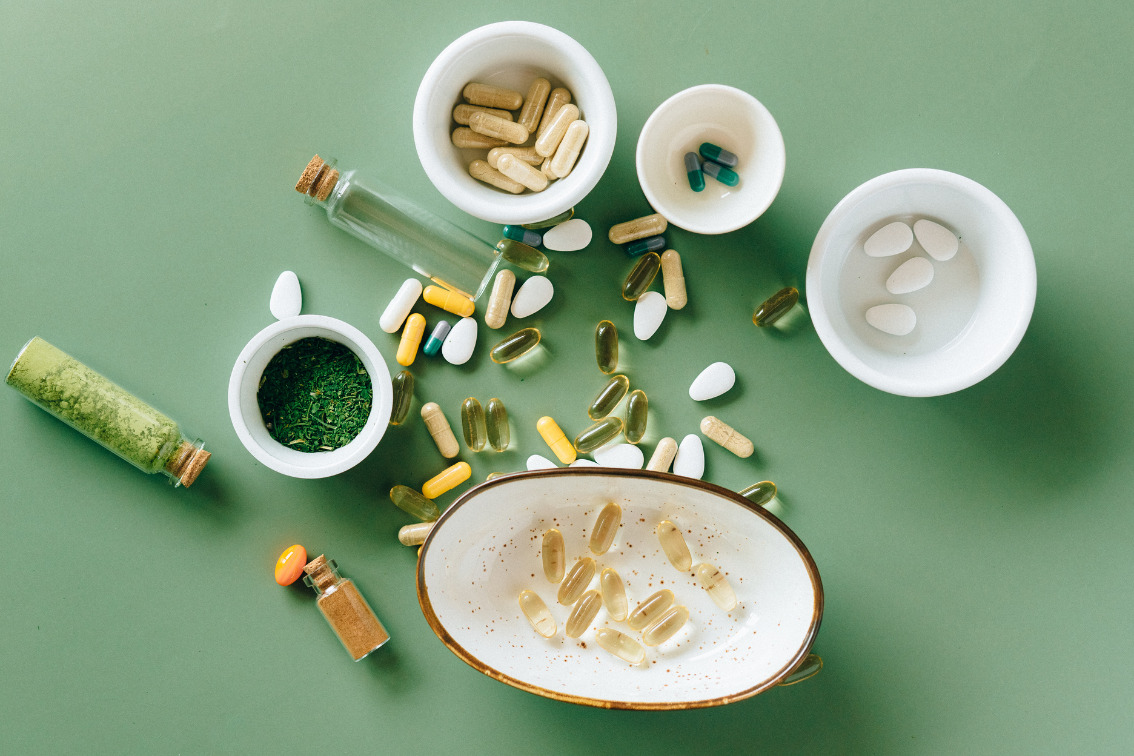
When arthritis pain is part of daily life, it’s natural to look for simple things you can do at home.
Maybe you want to make a soothing bath soak, brew a warming herbal tea, prepare a warm compress, or create a simple moisturizing balm for sore hands. These kinds of DIY remedies can become comforting parts of a daily self-care routine.
But there’s an important distinction to make: a remedy can feel soothing without being proven to treat the underlying arthritis.
This guide focuses on simple natural preparations you can make or prepare at home. Some may provide comfort through warmth, massage, moisturizing, cooling, or relaxation. Others contain ingredients that have been studied for potential anti-inflammatory or pain-relieving effects, although evidence for homemade preparations is often limited.
Think of these ideas as additions to your arthritis toolkit—not replacements for appropriate medical care.
Important: Always patch-test new topical preparations. If you have sensitive skin, allergies, broken skin, circulation problems, or a diagnosed medical condition, check with your healthcare provider before trying new remedies. Ask your doctor or pharmacist about potential interactions if you consume herbs or supplements regularly.
For a broader look at which home remedies have the best evidence, see our guide:
Home Remedies for Arthritis: What Really Works (and What to Avoid)
Why Try DIY Arthritis Remedies?

Making your own remedies can have a few practical advantages.
They’re accessible
Many ingredients are inexpensive and available at grocery stores, pharmacies, or health food shops.
They can become part of a relaxing routine
Preparing a cup of tea, soaking in a warm bath, or massaging a moisturizer into stiff hands can create a calming ritual.
You can customize them
You can adjust scents and ingredients to suit your preferences—as long as you choose ingredients that are appropriate for you.
They encourage self-care
Taking a few minutes to focus on your hands, feet, knees, or other painful areas can be a valuable reminder to slow down and pay attention to what your body needs.
The important thing is to keep expectations realistic. Homemade remedies may support comfort and relaxation, but they aren’t proven cures for arthritis.
1. DIY Ginger and Turmeric Tea

Ginger and turmeric are two of the most popular ingredients in natural arthritis remedies.
Both contain compounds that have been studied for potential anti-inflammatory effects. However, drinking a homemade tea is not the same as taking a standardized supplement, and the amount of active compounds can vary considerably.
Still, if you enjoy the flavor, this can be a warming addition to your daily routine.
Ingredients
- 1-inch piece of fresh ginger, sliced
- 1-inch piece of fresh turmeric root, sliced, or a small amount of turmeric powder
- 2 cups water
- Lemon juice, to taste
- Honey, optional
Instructions
- Add the ginger and turmeric to a small saucepan with the water.
- Bring to a gentle simmer.
- Simmer for about 10 minutes.
- Strain into a mug.
- Add lemon and honey if desired.
Best for
A warming, comforting drink that can become part of a relaxing daily routine.
Important note
If you take blood-thinning medication or have a condition affected by bleeding risk, ask your healthcare provider before consuming large amounts of ginger or turmeric regularly.
2. DIY Herbal Warm Compress
A warm compress is one of the simplest home remedies for stiff, uncomfortable joints.
The primary benefit may come from the warmth itself, while the herbal infusion can add a pleasant sensory element.
Ingredients
- 2 cups water
- 1–2 tablespoons dried chamomile or sliced fresh ginger
- A clean washcloth
Instructions
- Bring the water to a boil.
- Add the chamomile or ginger.
- Allow it to steep for 10 minutes.
- Let the liquid cool to a comfortably warm temperature.
- Soak a clean washcloth in the liquid.
- Wring it out and place it over the affected joint.
- Leave it in place for approximately 10–15 minutes.
Rewarm the cloth as needed.
Best for
- Stiff hands
- Stiff fingers
- Knees
- Other areas where gentle warmth feels soothing
Safety tip
The compress should feel comfortably warm, never hot enough to burn your skin.
If you have reduced sensation or circulation problems, check with your healthcare provider before using heat.
3. DIY Epsom Salt Bath

A warm bath can be a relaxing way to ease muscle tension and temporarily soothe stiff joints.
Many people enjoy adding Epsom salt to bathwater. Although claims about significant magnesium absorption through the skin aren’t well established, the warm bath itself can be relaxing.
Ingredients
- Warm bathwater
- 1–2 cups Epsom salt, if desired
- Optional: a few drops of a skin-safe bath fragrance or essential oil properly diluted for bath use
Instructions
- Fill the bath with comfortably warm water.
- Add the Epsom salt if you enjoy using it.
- Stir the water to dissolve the salt.
- Soak for approximately 15–20 minutes.
- Dry your skin gently afterward.
Best for
- General relaxation
- Muscle tension
- Stiffness
- A calming bedtime routine
Safety tip
Avoid very hot water, especially if you have cardiovascular problems, circulation issues, or difficulty regulating body temperature.
Be careful getting in and out of the tub if you have mobility or balance challenges.
4. Simple Moisturizing Hand Balm

Dry, cracked skin can make already uncomfortable hands feel even worse.
A simple homemade balm can help moisturize the skin and make hand massage more comfortable. The benefit here is primarily skin care and massage—not proven treatment of arthritis itself.
Ingredients
- ½ cup shea butter
- ¼ cup coconut oil
- 1–2 tablespoons beeswax
Instructions
- Place the ingredients in a heat-safe container.
- Melt them gently using a double boiler.
- Stir until combined.
- Pour into a clean container.
- Allow to cool and solidify.
- Apply a small amount to dry skin as needed.
Best for
- Dry hands
- Dry knuckles
- Massage before bed
- Creating a soothing hand-care routine
Safety tip
Don’t apply to open wounds or irritated skin. Patch-test before widespread use.
5. DIY Cooling Peppermint Massage Oil
Peppermint oil creates a cooling sensation that some people find soothing.
The cooling effect should not be confused with treating the underlying cause of arthritis pain. The massage itself may also feel relaxing.
Ingredients
- 2 tablespoons carrier oil, such as jojoba or coconut oil
- 2–4 drops peppermint essential oil
Instructions
- Combine the oils in a small, clean bottle.
- Shake gently.
- Apply a small amount to the skin around the affected area.
- Massage gently.
Best for
- A cooling sensation
- Relaxation
- Gentle massage around stiff joints
Safety tips
Always dilute essential oils. Do not apply peppermint oil directly to the skin. Avoid eyes, mucous membranes, and broken skin.
Stop using the mixture if you experience burning, rash, or irritation.
6. DIY Lavender Massage Oil for Evening Relaxation
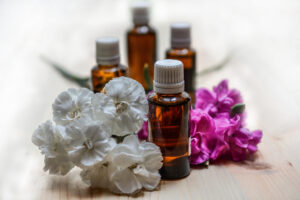
Lavender is widely used for relaxation and aromatherapy.
Although it should not be considered a proven arthritis treatment, the calming scent and gentle massage may make it a pleasant addition to an evening routine.
Ingredients
- 2 tablespoons carrier oil
- 2–4 drops lavender essential oil
Instructions
- Mix the ingredients in a clean container.
- Apply a small amount to your hands.
- Massage gently around the affected area.
- Use as part of a relaxing bedtime routine.
Best for
- Evening relaxation
- Gentle hand massage
- Dry skin
- Bedtime routines
Safety tip
Patch-test first. Essential oils can cause skin irritation or allergic reactions in some people.
7. DIY Herbal Bath Sachet
If you enjoy baths but don’t want loose herbs floating throughout the tub, a bath sachet is an easy alternative.
Ingredients
- A clean muslin bag, reusable tea bag, or thin cotton cloth
- Dried chamomile
- Dried lavender
- Optional: dried rose petals
Instructions
- Fill the sachet with your chosen dried herbs.
- Tie it securely.
- Place it under warm running bathwater or let it float in the bath.
- Remove it before draining the tub.
Best for
- Relaxation
- A calming bath ritual
- Bedtime routines
Safety tip
If you have allergies to specific plants or flowers, avoid them.
8. DIY Heat Pack for Stiff Joints
A homemade heat pack can be a simple way to apply gentle warmth.
Option 1: Rice Heat Pack
Fill a clean cotton sock or fabric pouch with dry uncooked rice and secure it tightly.
Heat it in the microwave in short intervals, checking the temperature carefully between each interval.
Option 2: Reusable Warm Towel
Soak a clean towel in warm water, wring it out thoroughly, and apply it to the affected area.
Best for
- Morning stiffness
- Stiff hands
- Tight muscles
- Relaxation before gentle movement
Safety tips
Always test the temperature before applying heat to your skin.
Never use a homemade heat pack while sleeping.
If you have reduced sensation, diabetes-related nerve problems, or circulation issues, ask your healthcare provider whether heat therapy is appropriate for you.
9. Simple Anti-Inflammatory Smoothie
Rather than focusing on a single “superfood,” you can build a nutritious smoothie around ingredients that contribute to an overall healthy eating pattern.
Ingredients
- A handful of berries
- A handful of leafy greens
- Plain yogurt or an unsweetened alternative
- Ground flaxseed or chia seeds
- Water or unsweetened milk
- Optional: a small amount of fresh ginger
Instructions
Blend until smooth.
Best for
A convenient way to add fruits, vegetables, and nutrient-rich ingredients to your diet.
Keep expectations realistic
No smoothie can cure arthritis. Think of this as a convenient nutrition option rather than a medical treatment.
For more information, see:
Anti-Inflammatory Foods for Arthritis Relief
DIY Remedies That Need Extra Caution
Not every natural ingredient is suitable for homemade arthritis treatments.
Homemade Capsaicin Cream
Capsaicin can be an evidence-based topical treatment when used in appropriately formulated commercial products.
However, making a concentrated capsaicin cream at home using chili powder is much harder to control.
The concentration can vary, and accidental exposure to the eyes or sensitive skin can be extremely uncomfortable.
Our recommendation: If you want to try capsaicin for arthritis pain, a commercially prepared product with clear dosing instructions is generally a more predictable option than a homemade version.
Read next: Best Topical Pain Relief for Arthritis (2026 Guide)
Homemade Turmeric Balms
Turmeric is widely promoted in DIY arthritis recipes, but evidence supporting oral curcumin supplements does not automatically prove that a homemade turmeric balm will reduce arthritis inflammation.
Turmeric can also stain skin and clothing.
If you enjoy making a turmeric balm as a moisturizing or massage product, that’s one thing. Just don’t assume it has the same evidence base as a standardized oral product studied in clinical research.
Arnica Preparations
Arnica is used in some topical products for bruising and muscle soreness.
However, evidence for arthritis pain is limited, and homemade arnica preparations can vary in concentration.
Never use arnica on broken skin, and don’t assume that “natural” means risk-free.
Essential Oil Safety for Arthritis
Essential oils are concentrated substances. More is not better.
Before using an essential oil:
- Dilute it in an appropriate carrier oil.
- Patch-test on a small area first.
- Avoid broken or irritated skin.
- Keep oils away from your eyes.
- Stop if you develop a rash or burning sensation.
- Keep essential oils away from children and pets.
- Be especially cautious if you have allergies or sensitive skin.
Some people should avoid or use extra caution with certain essential oils. If you’re pregnant, breastfeeding, managing a complex medical condition, or taking multiple medications, ask your healthcare provider before using them regularly.
How to Make DIY Arthritis Remedies Part of a Routine
The most useful DIY remedy is one you’ll actually enjoy using.
You might create a simple routine such as:
Morning
Use a warm compress for stiff hands, followed by gentle range-of-motion exercises.
Afternoon
Drink a cup of ginger tea or prepare a nutritious snack.
Evening
Take a warm bath or use a gentle moisturizer while massaging your hands.
Before bed
Use a calming routine that may include gentle stretching, relaxation, and a consistent sleep schedule.
The point isn’t to do everything. Pick one or two approaches that fit naturally into your day.
Frequently Asked Questions
What is the best DIY remedy for arthritis pain?
There isn’t one DIY remedy that works for everyone. Warm compresses, baths, gentle massage, and simple self-care routines may provide temporary comfort. For treatments with stronger evidence, consider approaches such as appropriate exercise, heat and cold therapy, and certain commercially prepared topical products.
Are homemade arthritis remedies safe?
Some are relatively low-risk, but homemade remedies can still cause skin irritation, allergic reactions, burns, or medication interactions. Always research ingredients and check with a healthcare professional if you have concerns.
Can I make my own arthritis cream?
You can make simple moisturizing balms, but homemade products containing active ingredients such as capsaicin are difficult to formulate consistently. If you’re looking for a topical arthritis treatment, a commercially prepared product with standardized ingredients may be a better option.
Does turmeric balm help arthritis?
There is not enough evidence to conclude that homemade turmeric balms effectively treat arthritis. Curcumin has been studied in some oral supplement formulations, but that evidence should not automatically be applied to homemade topical preparations.
Can essential oils cure arthritis?
No. Essential oils do not cure arthritis. Some may provide a pleasant cooling, warming, or calming sensation, and massage itself may feel soothing, but essential oils should be viewed as complementary self-care rather than arthritis treatment.
How long do homemade balms last?
Shelf life depends on the ingredients and whether water is present. Oil-based balms without water generally last longer than water-based creams, but homemade products can become contaminated or rancid over time.
Use clean containers, label products with the date you made them, and discard anything that develops an unusual smell, appearance, or signs of mold.
When in doubt, make a fresh batch.
Should I talk to my doctor before trying DIY remedies?
It’s a good idea if you have rheumatoid arthritis, take prescription medications, have sensitive skin, have allergies, have circulation problems, or plan to consume herbs or supplements regularly.
Your doctor or pharmacist can also help identify potential interactions.
Final Thoughts: Keep DIY Remedies Simple and Realistic
DIY arthritis remedies can be a comforting addition to your self-care routine.
A warm compress, relaxing bath, cup of ginger tea, or gentle hand massage may not cure arthritis, but small rituals like these can help you feel more comfortable and more in control of your daily routine.
The key is to keep your expectations realistic.
Choose simple ingredients, use appropriate safety precautions, and pay attention to how your body responds. If something doesn’t help, there’s no reason to keep using it simply because it’s labeled “natural.”
And remember that the most effective arthritis management plan is rarely based on one remedy. Gentle movement, appropriate medical care, healthy habits, supportive tools, and practical pain-management strategies can all have a place in your toolkit.
For a broader look at which home remedies are actually supported by evidence, visit:
Home Remedies for Arthritis: What Really Works (and What to Avoid)
Related Reading
- Essential Oils for Arthritis Pain Relief: A Natural Approach
- Heat vs Cold Therapy for Arthritis: Which One Works Best?
- Natural Supplements for Arthritis Relief: What Actually Works
- The Power of Hydrotherapy for Arthritis Pain Relief
- Best Arthritis Tools for Daily Living (2026)
- Arthritis Gels, Creams & Patches: How Each One Works