
Disclosure: As an Amazon Associate, Arthritis Wares earns from qualifying purchases at no extra cost to you. We are not paid or sponsored by any manufacturer. Affiliate links help support our work.
Heat can be comforting when arthritis leaves your joints feeling stiff or your surrounding muscles tense. A heating pad or wrap offers a convenient way to apply warmth at home, before gentle movement, or while going about some daily activities.
The right option depends on where you want warmth, whether you need to move around, and how easy the product is to operate. An electric heating pad may suit home use, a microwavable wrap can be convenient for short sessions, a cordless belt offers more portability, and a disposable heat wrap may be useful when travelling.
This guide compares four types of heating products and explains what to consider before buying, including controller design, heat duration, fit, and safe use.
Quick answer: An electric heating pad is a practical starting point for targeted warmth at home. Choose a microwavable wrap for cordless use around the neck or shoulders, a rechargeable belt if portability matters, or a disposable heat wrap for outings. No single type is best for every person or every joint.
Quick Comparison: Heating Pads and Wraps for Arthritis
| Product type | Best for | Main advantage | What to consider |
|---|---|---|---|
| VALGELUIK Electric Heating Pad | Home use | Adjustable heat and a larger treatment area | Requires an electrical outlet |
| Bed Buddy Microwavable Neck Wrap | Neck and shoulders | Cordless, reusable warmth | Heating time and temperature require care |
| Cordless Electric Waist Belt | Portable warmth around the waist or back | Rechargeable design and hands-free fit | Battery life, fit, weight, and controls |
| ThermaCare Back HeatWraps | Travel and outings | Disposable, wearable heat | Single-use cost and product-specific wear instructions |
These products serve different needs. Compare the exact model specifications and instructions before deciding which is appropriate for you.
1. VALGELUIK Electric Heating Pad — Best for Home Use
Best for: People who want adjustable warmth for the back, shoulders, or other suitable areas while resting at home.
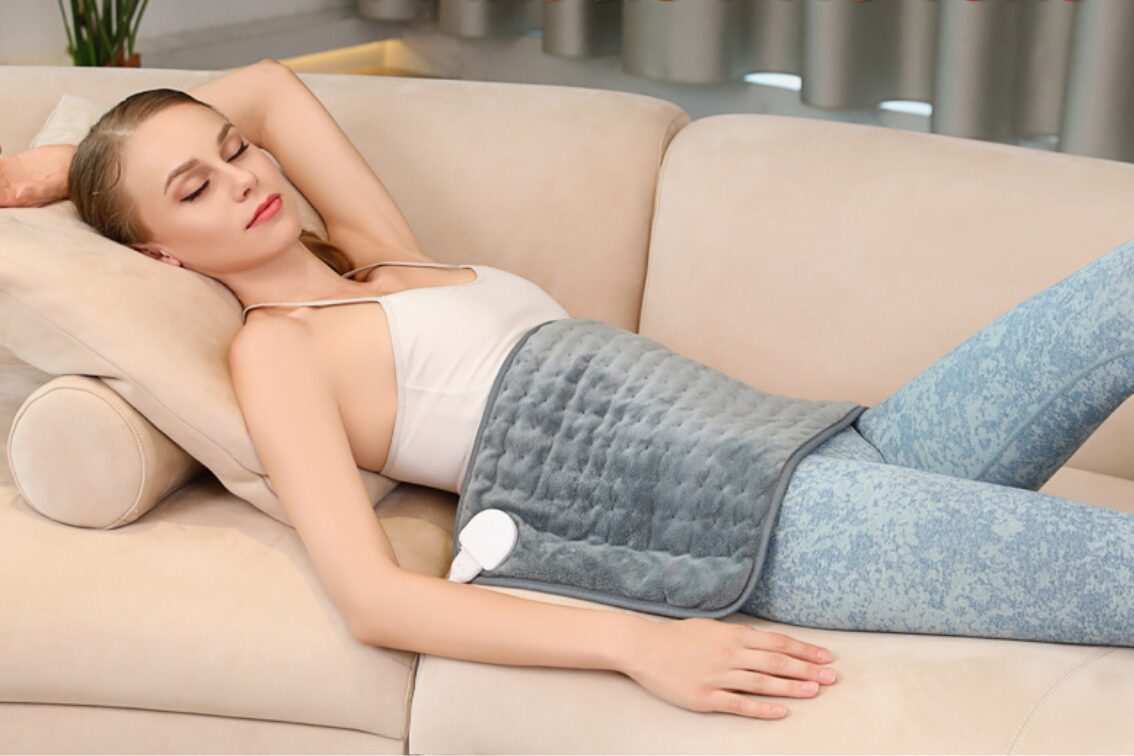
An electric heating pad plugs into an outlet and provides warmth without needing to be reheated in a microwave. The VALGELUIK heating pad linked below is listed as a 12 × 24-inch model with dry and moist heat options and an automatic shutoff feature.
What stands out
- A relatively large surface for targeted warmth.
- Adjustable heat settings.
- Dry and moist heat options, according to the product listing.
- An automatic shutoff feature.
What to consider
The pad needs to remain connected to a power source, so it is better suited to use while sitting or resting in one place. Check the current listing for the exact temperature settings, shutoff timing, and instructions for using moist heat.
If hand pain makes small buttons difficult to operate, inspect the controller before buying. A controller that is easy to see and adjust may be more useful than one with numerous settings.
Verdict: A practical option for people who want a reusable heating pad for home use and do not need to move around while using it.

2. Bed Buddy Microwavable Neck Wrap — Best for Neck and Shoulder Warmth
Best for: People who want a cordless wrap that can be warmed in a microwave and positioned around the neck and shoulders.
The Bed Buddy Microwavable Neck Warmer is a reusable heat wrap designed to contour around the neck and shoulder area. Unlike an electric heating pad, it does not need to stay plugged into an outlet while being used.
What stands out
- No electrical cord during use.
- A shape designed for the neck and shoulders.
- Reusable construction.
- Convenient for a short period of warmth while sitting or relaxing.
What to consider
Microwavable products need careful heating because the temperature can vary depending on the microwave, the heating time, and the condition of the filling. Follow the product’s exact heating instructions rather than estimating the time.
Check the temperature before applying the wrap, and avoid using it if it feels excessively hot. Do not fall asleep with it in place.
This type of wrap is designed for a particular area, so it is not a substitute for a larger heating pad when you want warmth across the lower back or another broad area.
Verdict: Worth considering if you prefer cordless warmth around the neck and shoulders and are comfortable following microwave heating instructions.

3. Cordless Electric Waist Belt — Best for Portable Use
Best for: People who want a rechargeable heating product that fits around the waist or abdomen rather than a pad that must remain plugged into the wall.
The cordless electric waist belt linked below is advertised with three heat levels and three massage modes. Its belt-style design can make it more convenient to wear than a conventional flat heating pad.
What stands out
- Cordless operation while the battery is charged.
- A wearable design for the waist or abdominal area.
- Multiple heat levels.
- Additional massage modes on the advertised model.
What to consider
A cordless product is not necessarily suitable for use during every activity. Check the manufacturer’s instructions about walking, bending, sitting, and other movement while wearing it.
Before buying, verify:
- Battery capacity and expected operating time.
- Charging method and charging time.
- Belt dimensions and adjustability.
- Weight and comfort when fastened.
- Whether the controller is easy to operate.
- Whether the product is intended for your preferred body area.
The massage function is an additional feature, not proof of greater effectiveness for arthritis. If your main goal is warmth, consider whether the extra controls and functions are worth having.
Verdict: A possible option for people who value portability and a wearable design, provided the fit, battery performance, and instructions meet their needs.

4. ThermaCare Back HeatWraps — Best for Outings and Travel
Best for: People who want disposable heat wraps for occasions when carrying an electric heating pad or microwavable wrap is inconvenient.
ThermaCare Advanced Back Therapy HeatWraps are air-activated disposable wraps intended for the back. They are designed to provide warmth without a plug, microwave, or rechargeable battery.
What stands out
- No electrical cord or microwave needed.
- Portable packaging for travel or outings.
- A wearable format designed for the back.
- Convenient when a reusable heating product is impractical.
What to consider
Disposable wraps are used according to their specific wear instructions and then discarded, so ongoing use can cost more than using a reusable heating pad.
Do not assume that every disposable heat wrap provides the same temperature or duration. Check the current package for the exact wear time, application instructions, and restrictions.
Some products are intended to be worn beneath clothing, but this does not mean they are appropriate for every person or situation. Avoid excessive pressure over the wrap, and do not use it in ways prohibited by the manufacturer.
Verdict: A convenient travel option for people who want a disposable heat wrap designed for the back and are comfortable with its instructions and recurring cost.

How Heat May Help With Arthritis Discomfort
Some people find gentle warmth helpful when joints feel stiff, particularly in the morning or after sitting still for a long time. Heat may temporarily ease muscle tension and make movement feel more comfortable.
However, the effects vary from person to person. A heating pad does not repair damaged joints or treat the underlying cause of arthritis, and it should not be described as a guaranteed way to relieve pain.
When heat may be useful
Depending on your symptoms and the advice of your healthcare professional, gentle warmth may be worth trying:
- Before gentle movement when you feel stiff.
- After a period of inactivity when muscles feel tight.
- During cold weather when warmth feels comforting.
- While resting with a suitable heating pad or wrap.
Heat is not appropriate for every symptom. If a joint is unusually hot, markedly swollen, or suddenly more painful, do not automatically apply heat. Consider medical advice about the cause and the appropriate treatment.
For a broader discussion of when to use warmth or cold, read Heat vs Cold Therapy for Arthritis: Which One Works Best?.
How to Choose the Right Heating Pad or Wrap
The best product is one that suits the area you want to warm, fits comfortably, and can be used safely.
Choose according to the body area
- Neck and shoulders: A shaped microwavable wrap may fit better than a large flat pad.
- Back: A larger heating pad, a suitable wearable belt, or a back-specific disposable wrap may be more practical.
- Other joints: Check whether the product can be positioned securely over the intended area and whether the manufacturer permits that use.
Not every heating product is designed for every joint. Check the intended application rather than assuming a product can be used anywhere.
Consider how you will use it
An electric pad is convenient when you can sit near an outlet. A microwavable wrap offers cordless use for a limited period. A rechargeable belt may provide more freedom from cords, while a disposable wrap can be useful away from home.
Think about where you will use the product most often before paying extra for portability or additional features.
Look for controls you can operate
Arthritis can make small buttons, tight straps, and fiddly fasteners difficult to manage. Before buying, look for:
- Clearly marked controls.
- Buttons that appear easy to press.
- A readable display, if included.
- A belt or wrap that can be secured without excessive hand strength.
- Simple instructions for adjusting heat or switching the device off.
If possible, inspect product photos and the controller layout. A simpler device may be a better fit than one with many settings or extra functions.
Check heat duration and automatic shutoff
Different products deliver warmth in different ways. Electric pads may have selectable heat settings and automatic shutoff, while microwavable products cool as they are used. Rechargeable and disposable products have their own operating times and restrictions.
Do not choose based on advertised duration alone. Check how long the product is intended to be used per session and whether it has an automatic shutoff.
Think about cleaning and maintenance
Reusable products need appropriate care. Check whether the pad or wrap can be washed, whether any controller must be removed, and how it should be stored.
For disposable wraps, check the package instructions and replacement cost. Never wash or reuse a disposable product unless its manufacturer explicitly says it is designed for that purpose.
Heating Pad Safety: How to Reduce the Risk of Burns
Heating products can cause burns if they are too hot, used for too long, or applied to skin that cannot sense heat normally.
Follow these precautions:
- Follow the product instructions. Use the specified heat setting, application method, and session duration.
- Start with gentle warmth. Use a lower setting initially and stop if the heat feels uncomfortable.
- Protect your skin as directed. Use a cover or cloth barrier when the manufacturer recommends one. Do not add a barrier if the instructions prohibit it.
- Check your skin regularly. Stop using the product if you notice excessive redness, burning, discomfort, or skin changes.
- Do not sleep with an active heating pad or wrap. You may not notice excessive heat while asleep.
- Avoid use on areas with reduced sensation. Nerve damage or reduced ability to feel temperature can increase burn risk.
- Take extra care with circulation problems. Ask a healthcare professional whether heat is suitable for you if you have poor circulation or a condition that affects skin sensation.
- Do not use damaged electrical products. Inspect cords, connectors, and heating surfaces before use.
- Use microwavable products carefully. Follow the exact heating time and allow for any required cooling or temperature checks.
- Follow restrictions on wearable and disposable wraps. Do not exceed the specified wear time or use them in a way the manufacturer prohibits.
People with diabetes-related nerve damage, neuropathy, reduced sensation, or significant circulation problems should seek individualized advice before using heat. Children, people who need assistance with daily activities, and anyone who may have difficulty removing a hot product may also need extra precautions.
Making Heat Part of Your Routine
If heat is appropriate for your symptoms, try using it at a time when it fits naturally into your day.
In the morning: Gentle warmth before moving around may help some people feel more comfortable when they wake up stiff. See Morning Arthritis Pain Relief for more strategies.
Before gentle movement: Some people find warmth helpful before a comfortable range-of-motion routine. Avoid forcing a joint to move beyond what feels comfortable.
After a busy day: A short session while resting may help you relax if surrounding muscles feel tense.
Use heat as one part of a broader approach to managing arthritis, rather than relying on it as the only strategy. Follow any guidance from your healthcare professional about movement, medication, and symptom management.
Frequently Asked Questions
Are heating pads good for arthritis?
Some people find that gentle heat temporarily reduces the feeling of stiffness or muscle tension. Benefits vary, and heating pads do not treat the underlying cause of arthritis.
How long should I use a heating pad?
Follow the manufacturer’s instructions for the specific product. Many heating-pad instructions recommend short sessions, often around 15–20 minutes, but permitted duration varies by model and individual circumstances. Do not assume that a longer session will provide greater benefit.
Is moist heat better than dry heat?
Neither is automatically better for everyone. Some heating pads offer both options. Choose the method that feels comfortable and follow the product instructions, taking care not to expose your skin to excessive heat or moisture.
Can I use a heating pad on a swollen joint?
Do not automatically apply heat to a joint that is unusually hot, markedly swollen, or suddenly more painful. Cold may be more appropriate for some types of swelling, but the best choice depends on the cause. Seek medical advice if symptoms are new, severe, or unexplained.
Are cordless heating wraps worth considering?
They may be useful if you want warmth without remaining beside an electrical outlet. However, battery life, fit, weight, charging time, and ease of operation vary. Check the specifications and instructions for the exact model.
Can I use a heating pad while sleeping?
Do not sleep with an active heating pad or wrap. Reduced awareness during sleep can increase the risk of burns. If you want warmth before bed, use the product according to its instructions and switch it off before sleeping.
Final Thoughts
Heating pads and wraps offer different ways to apply warmth, but the most suitable option depends on your symptoms, routine, and ability to operate the product safely.
- For home use: Consider an electric heating pad with suitable heat controls and automatic shutoff.
- For neck and shoulder warmth: A shaped microwavable wrap may be convenient.
- For portability: A cordless waist belt may suit you if its fit and operating time meet your needs.
- For travel: A disposable back heat wrap can be practical when reusable products are inconvenient.
Before buying, compare the exact product specifications, controller design, intended application, care instructions, and safety precautions. The goal is to find a product that fits your routine—not simply the one with the most features.
Related Reading
- Heat vs Cold Therapy for Arthritis: Which One Works Best?
- Best Heated Blankets for Arthritis: Compare Bed Blankets and Throws
- Top Arthritis Tools for Daily Living
Medical Disclaimer: This article is for informational purposes only and does not constitute medical advice. Always consult your doctor, rheumatologist, or occupational therapist before making changes to how you manage your arthritis.
