

Many people living with arthritis are convinced their joints can predict the weather. Aching knees before a rainstorm, stiff fingers during a cold snap, or heavier joints on a humid day are common, real experiences.
But what does the research actually say? Is there a genuine biological link between a shifting barometer and a flare-up, or is it coincidence?
Key Takeaway: You can’t control the weather, but you can control your micro-environment. Managing indoor climate, staying active, and keeping a relief toolkit on hand may significantly reduce weather-related arthritis pain.
Can Weather Really Affect Arthritis Symptoms?
The short answer: yes, but it’s highly individual.
Researchers have spent decades trying to map how weather affects arthritis. Some studies show a correlation between shifting weather variables and joint symptoms; others find inconsistent results. Most experts agree there’s no single universal “arthritis weather” — responses vary person to person.
What triggers a severe flare for one person may do nothing for someone else. This variation generally comes down to five factors:
- Barometric pressure shifts
- Abrupt temperature drops
- Fluctuating humidity levels
- Seasonal changes in activity level
- Individual nervous system sensitivity
How Different Weather Conditions May Affect Your Joints
| Weather Factor | Possible Effect on Joints | Why It May Happen |
|---|---|---|
| Dropping barometric pressure | Aching before rain or storms | Tissue around joints may slightly expand, irritating sensitive nerves |
| Cold temperatures | Stiffness, reduced range of motion | Muscles constrict, synovial fluid thickens, circulation to joints drops |
| High humidity | Heaviness, increased swelling | May alter fluid regulation in tissue around inflamed joints |
| Reduced activity (any season) | Worsening stiffness over time | Lack of movement reduces synovial fluid circulation |
The Barometric Pressure Connection: Why Joints Hurt Before Rain
Barometric pressure is the weight of the air pressing down on the earth. As a storm system approaches, that pressure drops.
Think of the tissue around your joints like a balloon. When outside air pressure drops, it places less resistance against your body, allowing tendons, muscles, and scar tissue around your joints to expand slightly. In a joint already affected by inflammation or cartilage loss, this micro-expansion can stretch sensitive nerves and trigger a noticeable spike in discomfort.
While large-scale research remains mixed on the exact mechanics, barometric pressure drops are the most frequently reported pre-rain trigger among people with arthritis.
Cold Weather and Joint Stiffness: The Circulation Factor
If your joints feel locked up during late autumn and winter, you’re far from alone. This tends to happen for a few overlapping reasons:
- Muscle tightening: Cold temperatures cause muscles, ligaments, and tendons to constrict to preserve core warmth, adding tension around arthritic joints.
- Thicker synovial fluid: The fluid that lubricates your joints can thicken in cold weather, making smooth movement harder.
- Reduced circulation: The body prioritizes blood flow to vital organs in cold conditions, reducing circulation to hands, knees, and feet.
- The inactivity trap: Cold weather drives most people indoors, and reduced movement is one of the fastest ways to worsen stiffness.
For a deeper dive, see our guide on Managing Arthritis Pain in Winter.
Humidity, Dampness, and Arthritis Flare-Ups

High humidity is another frequently cited trigger. Many people report a feeling of heaviness, increased swelling, or deeper aching in their joints during damp, humid conditions.
While no universal biological mechanism has been established, experts believe high humidity — especially combined with sudden temperature swings — may alter fluid regulation in body tissue, making inflamed joints feel more congested and sensitive.
Why Weather Sensitivity Differs From Person to Person
Because weather-related discomfort is personal, your specific patterns depend on a unique mix of variables:
- Type of arthritis: People with osteoarthritis may react differently to barometric shifts than those with autoimmune conditions like rheumatoid arthritis.
- Severity of joint damage: Joints with significant cartilage loss have more exposed nerve endings, which may increase sensitivity to pressure shifts.
- Regional adaptation: A sudden drop to 40°F might trigger a flare for someone in a warm climate, while someone used to northern winters may tolerate it easily.
One of the most reliable ways to understand your own pattern is to track your symptoms alongside a local weather app for a few weeks and look for repeat triggers.
5 Ways to Manage Weather-Related Flare-Ups
1. Keep Your Joints Intentionally Warm

Maintaining warmth helps prevent muscle bracing and supports healthy circulation:
- Dress in lightweight, breathable layers you can add or remove easily
- Consider thermal or moisture-wicking fabrics
- Use targeted heat therapy — heated gloves for stiff fingers, warm compresses for knees, or a heating pad for your back and hips before getting out of bed
2. Keep Moving, Even Indoors
Physical inactivity is one of the biggest accelerators of arthritis stiffness. Gentle, consistent movement keeps synovial fluid circulating:
- Short morning stretching routines
- Supported chair yoga
- Gentle resistance band exercises
- Light mobility and range-of-motion work
3. Optimize Your Indoor Micro-Climate
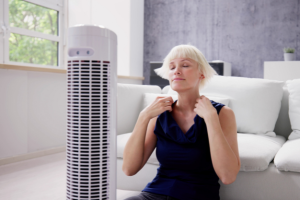
You can’t control the weather outside, but you can control the climate inside your home:
- Run a dehumidifier if damp, humid air tends to trigger your pain
- Use a humidifier during dry winter months when heating strips moisture from the air
- Keep indoor temperatures steady, and avoid sitting directly in front of AC vents or drafty windows
4. Stay Hydrated Year-Round
It’s easy to lose your sense of thirst in cold weather, but proper hydration matters for joint health — cartilage relies on water to maintain its cushioning properties. Keep a water bottle within reach and aim for steady hydration throughout the day.
5. Keep a Relief Toolkit Ready

When a weather front hits, having supportive aids organized and within reach can make a real difference:
- Heat therapy wraps and reusable cold packs
- A compact TENS unit for targeted pain management
- Topical pain relief creams or gels
- Joint-specific compression sleeves or gloves
The Scientific Verdict: Action Over Causation
Current clinical evidence doesn’t offer a single, universal formula proving exactly how weather affects arthritis pain — but patient experience is real. Your body’s response to your environment is a valid signal of how your nervous system and joints interact with the world around you.
Rather than debating the exact cause, the more useful approach is practical adaptation: identify your patterns, prepare ahead of weather shifts, and adjust your comfort strategy accordingly.
Frequently Asked Questions
Does bad weather cause arthritis?
No. Arthritis develops from genetic factors, joint wear-and-tear, injury, or autoimmune responses. Weather may influence symptoms and pain perception, but it doesn’t cause the underlying condition.
Why do my joints ache specifically before it rains?
This is often linked to a drop in barometric pressure that typically precedes a storm. Lower air pressure may allow inflamed tissue around joints to expand slightly, which can irritate sensitive nerve endings.
Is cold weather permanently bad for arthritic joints?
Cold weather doesn’t cause permanent structural damage. It can, however, temporarily increase muscle tension, thicken joint fluid, and reduce circulation — leading to heightened stiffness and discomfort.
What is the best climate for someone with arthritis?
There’s no single best climate, since triggers vary by individual. Some people feel better in warm, dry conditions; others do better in cooler, stable environments. Managing your immediate indoor climate is often more effective than relocating.
Our Approach to This Article
This guide was written and reviewed by our editorial team based on general findings from published arthritis and rheumatology research, cross-checked against guidance from major arthritis health organizations. It’s updated periodically as understanding evolves, and it’s intended as general information rather than a substitute for advice from your doctor or rheumatologist.
Ready to build a full relief strategy? Read our Ultimate Guide to Living Well With Arthritis for daily strategies, lifestyle adjustments, and product recommendations.