

Self-massage can be a simple way to ease muscle tension and temporarily relieve some arthritis-related stiffness and discomfort. You can use your hands for a few minutes at a time, focusing on the muscles around a joint rather than pressing hard on the joint itself. Massage tools can also help when reaching an area or using your hands becomes difficult.
This guide explains practical self-massage techniques, how to build a short routine, and which tools may be worth considering.
Disclosure: As an Amazon Associate, Arthritis Wares earns from qualifying purchases at no extra cost to you. We are not paid or sponsored by any manufacturer. Affiliate links help support our work.
Quick Answer: Can Self-Massage Help Arthritis?
Gentle self-massage may help relax tight muscles, ease temporary stiffness and make an uncomfortable area feel more comfortable. It is a useful addition to an arthritis self-care routine, although it does not treat the underlying arthritis or repair damaged joints.
For many people, the best approach is to start with light strokes, use comfortable pressure, and massage the muscles surrounding the affected joint. A warm towel beforehand may help you relax, while a massage tool can make hard-to-reach areas easier to manage.
How Self-Massage May Help
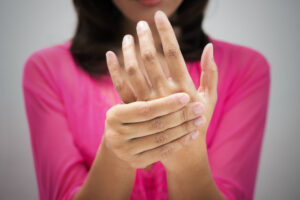
Arthritis can affect both joints and the muscles around them. When movement is uncomfortable, surrounding muscles may become tense, adding to the feeling of stiffness.
Gentle massage may offer several practical benefits:
- Relaxes tight muscles: Slow, comfortable strokes can help ease muscle tension around sore areas.
- Provides temporary comfort: Massage may help some people feel less discomfort for a while.
- Helps you relax: A short massage routine can be a calming part of your daily self-care.
- Makes movement feel easier: When surrounding muscles feel less tense, everyday movements may feel more comfortable.
Results vary from person to person. Massage works best as one part of a broader approach to managing arthritis, alongside suitable movement, joint protection and any treatment recommended by your healthcare professional.
Before You Start: Prepare the Area
A few simple steps can make self-massage more comfortable.
- Choose a comfortable position. Sit in a supportive chair or rest the area on a pillow so you do not need to strain to reach it.
- Warm your hands. Rub your palms together or use comfortably warm water.
- Consider a warm towel. A warm, not hot, compress may help tight muscles feel more relaxed before massage.
- Use a little lotion if needed. A fragrance-free lotion can help your hands glide over the skin without excessive rubbing.
- Start gently. Begin with light pressure and increase it only if it remains comfortable.
Allow a few minutes rather than trying to work deeply into the muscles. You do not need to press hard for a massage to feel soothing.
Five Gentle Self-Massage Techniques for Arthritis
These techniques are simple starting points. Choose the ones that suit the area you want to massage, and skip any movement that causes pain or strains your hands.
1. Long, Gentle Strokes
Long strokes are a good way to begin and finish a massage.
How to do it:
- Place your palm or the flat pads of your fingers on the muscle.
- Glide slowly along the area using light, even pressure.
- Repeat several times, keeping your hand relaxed.
Best for: The forearms, upper arms, thighs and calves.
This technique is particularly useful when you want a gentle massage without gripping, pinching or applying concentrated pressure.
2. Small Circular Movements
Small circles can help you focus on a particular muscle without using deep pressure.
How to do it:
- Rest your fingertips or palm on the muscle beside the joint.
- Make small, slow circles.
- Move gradually to nearby areas, keeping the pressure comfortable.
Best for: Muscles around the shoulders, forearms, thighs and calves.
Avoid pressing directly on a hot, swollen or acutely painful joint. For painful fingers or wrists, use a very light touch and avoid forcing the joints through movement.
3. Gentle Muscle Kneading
Kneading involves gently moving the soft tissue between your fingers and thumb or using the heel of your palm. It is optional; simple strokes may be easier if your own hands are affected by arthritis.
How to do it:
- Use your palm or fingertips to gently move the muscle.
- Keep the movement slow and comfortable.
- Avoid pinching hard or trying to force a tight muscle to release.
Best for: Larger muscles in the upper arms, shoulders and thighs.
If gripping is difficult, use your palm instead of pinching with your fingers, or choose long strokes instead.
4. Gentle Hand and Finger Massage

Hand arthritis can make gripping, opening containers and other everyday tasks uncomfortable. A short hand massage may help your hands feel more relaxed.
How to do it:
- Rest one hand comfortably on a pillow or table.
- Use the opposite palm to stroke gently over the back of the hand.
- Lightly massage the fleshy area at the base of the thumb if comfortable.
- Use gentle strokes along the palm and fingers without squeezing individual joints.
- Repeat on the other hand if it feels helpful.
Best for: People who experience hand stiffness or tension.
Keep the pressure light around finger joints. If using the opposite hand is tiring or painful, try a warm towel and gentle finger movements instead, provided those movements are comfortable for you.
5. Massage Around the Knees
The muscles in the thighs and calves can feel tight when knee arthritis makes walking or standing uncomfortable. You can massage these surrounding muscles without putting direct pressure on the knee joint.
How to do it:
- Sit with your leg supported and relaxed.
- Use your palm to make slow strokes along the front and sides of the thigh.
- If comfortable, continue with gentle strokes over the muscles of the calf.
- Avoid pressing firmly on the kneecap or on a swollen, warm or painful area.
Best for: People who want to relax the muscles around an uncomfortable knee.
Massage is not a substitute for appropriate knee exercises or treatment, but it may be a pleasant addition to your routine.
A Simple Five-Minute Self-Massage Routine
You do not need a complicated sequence or a long session. Start with one area and see how it responds.
Minute 1: Get comfortable
Sit with the affected area supported. Warm your hands or place a comfortably warm towel over the surrounding muscles.
Minutes 2–3: Use long strokes
Massage the muscles around the area with slow, light strokes. For hand discomfort, focus on the palm and back of the hand. For knee discomfort, focus on the thigh muscles.
Minute 4: Add gentle circles
If it feels good, use small circular movements on the surrounding muscles. Skip this step if your hands become tired.
Minute 5: Finish gently
Return to long strokes, then stop and notice how the area feels. You can follow with comfortable movement if appropriate.
Try this routine when you have a few quiet minutes, rather than feeling that you must massage every day. Short, comfortable sessions are a sensible place to begin.
Should You Use Heat or Cold With Self-Massage?

Heat and cold can be useful additions to an arthritis self-care routine, but they serve different purposes.
When heat may help
A warm towel or other suitable heat source may help tight muscles feel more relaxed before massage. Keep the temperature comfortable and protect your skin, particularly if you have reduced sensation.
When cold may help
A cold pack wrapped in a thin towel may help soothe an area that feels hot or swollen. Apply it according to the product instructions and avoid placing ice directly on your skin.
Important: If a joint becomes newly hot, red or significantly swollen, or you develop sudden severe pain, do not massage the area. Seek medical advice, particularly if the symptoms are new or unusual for you.
For more guidance, see our guide to heat vs. cold therapy for arthritis.
Helpful Massage Tools for Arthritis
Using your hands is often enough for a gentle massage. However, a tool can be useful if you have difficulty reaching your back, your hands tire easily, or you prefer a kneading massage.
The three options below have different purposes. Choose according to the area you want to massage and the type of pressure you find comfortable.
Body Back Buddy Classic Massage Cane
Best for: Reaching the back and shoulders
The Body Back Buddy Classic is a manual massage cane with multiple knobs and curved sections designed to help you reach different areas of the back and shoulders.
Its main advantage is reach: the shaped handle can help you position a contact point where your hands might struggle to reach. You control the pressure yourself, so you can keep it light and adjust the position as needed.
It may be a useful option if you want a non-electric tool for occasional muscle massage. The handle does require some positioning and pulling or pushing, so consider whether those movements are comfortable for your hands and shoulders.

TOLOCO Deep Tissue Massage Gun
Best for: People who prefer powered percussion massage
The TOLOCO massage gun listing describes a percussion massager with multiple attachment heads, 10 speed settings and an LED screen. These features provide options for choosing an attachment and adjusting the intensity.
A powered massage gun can reduce the amount of repetitive hand movement needed compared with manual kneading. It may appeal to someone who wants to massage larger muscle groups, such as the thighs or shoulders.
Start at the lowest comfortable setting and use light pressure. A massage gun is intended for muscles, not for pounding directly on arthritic joints or bony areas. Its size, weight and grip are also worth considering if your hands are painful or your grip is limited.

Boriwat Back Massager With Heat
Best for: A relaxing kneading massage at home
The Boriwat back massager is a pillow-style device with rotating kneading nodes and a heat feature. It is designed for areas such as the neck, back and shoulders, and may also be usable on other areas according to the manufacturer’s instructions.
Unlike a massage cane, this device provides powered kneading rather than requiring you to move a tool manually. The heat function adds warmth while you relax, making it an option for people who enjoy a combined massage-and-heat experience.
Position the device so the massage feels comfortable and does not force your body into an awkward posture. Follow the instructions for use and the recommended session duration.

Which Massage Tool Should You Choose?
| Tool | Main advantage | Consider it if… |
|---|---|---|
| Body Back Buddy Classic | Manual control and extended reach | You want to reach your back or shoulders |
| TOLOCO massage gun | Adjustable powered percussion | You prefer a powered tool for larger muscles |
| Boriwat back massager | Kneading massage with heat | You want a relaxing, hands-free-style massage while seated or resting |
Product features and included accessories can vary by listing, so check the current Amazon product details before buying.
Tips for Making Self-Massage More Comfortable
- Keep sessions short: Start with a few minutes and adjust according to how you feel.
- Focus on muscles around joints: Avoid forceful pressure on painful or swollen joints.
- Choose an easy position: Support your arms or legs so you are not straining to reach.
- Use a tool that suits your grip: Large handles, powered devices or a simple warm towel may be easier than manual kneading, depending on your needs.
- Stop if symptoms worsen: Massage should feel comfortable. Stop if it causes sharp pain, increased swelling, numbness or lingering discomfort.
- Adapt to the day: If your hands are sore, use gentle strokes with your palm, warm your hands, or skip self-massage rather than pushing through pain.
If you have significant swelling, reduced sensation, a recent injury or a medical condition that affects circulation, ask your healthcare professional whether massage is appropriate for the area.
When to Ask a Professional for Help
A qualified massage therapist familiar with arthritis may help you identify comfortable techniques and areas to avoid. A physiotherapist or occupational therapist can also advise on movement, positioning and ways to reduce strain on your joints during everyday activities.
Ask for professional guidance if you are unsure how to massage a particular area, if symptoms persist or worsen, or if a joint develops new or unusual swelling, warmth or severe pain.
Frequently Asked Questions
How often should you massage arthritis pain?
There is no single schedule that suits everyone. Begin with a short, gentle session and see how you feel afterward. If massage leaves you more uncomfortable, reduce the pressure or frequency, or stop.
Is it better to massage directly on an arthritic joint or around it?
For general self-massage, focusing on the surrounding muscles is usually the more comfortable approach. Avoid firm pressure directly over a painful, hot or swollen joint.
Can self-massage help stiff hands?
Gentle strokes over the palm and back of the hand may help some people feel more comfortable. Avoid forceful squeezing or pressure on finger joints. If using one hand to massage the other is difficult, try a warm towel or ask an occupational therapist about easier techniques.
Is a massage gun good for arthritis?
A massage gun may be useful for massaging surrounding muscles, particularly larger areas such as the thighs and shoulders. Choose a comfortable low setting and avoid direct percussion on joints, bones or swollen areas. A massage gun is optional; gentle hands-on techniques may be enough.
Should I use heat before or after massage?
A comfortably warm towel before massage may help you relax. Heat can also feel soothing afterward, depending on your preference. If an area is hot or swollen, avoid adding heat and consider whether cold is more appropriate. Protect your skin with either option.
Can massage replace arthritis medication or treatment?
No. Self-massage is a comfort measure, not a treatment for the underlying disease. Continue to follow your healthcare professional’s advice about medication, exercise and other arthritis management strategies.
Related Reading
- DIY Arthritis Remedies You Can Make at Home
- Best Arthritis Tools for Daily Living
- Arthritis Supplies & Tools: Complete Guide
- Best Massagers for Arthritis Pain Relief
- Heat vs. Cold Therapy for Arthritis
Massage is one option within a broader arthritis management plan. Our Living Well With Arthritis: Practical Relief, Tools & Daily Strategies explores additional practical strategies, therapies and tools.
Medical Disclaimer: This article is for informational purposes only and does not constitute medical advice. Always consult your doctor, rheumatologist, or occupational therapist before making changes to how you manage your arthritis.
