
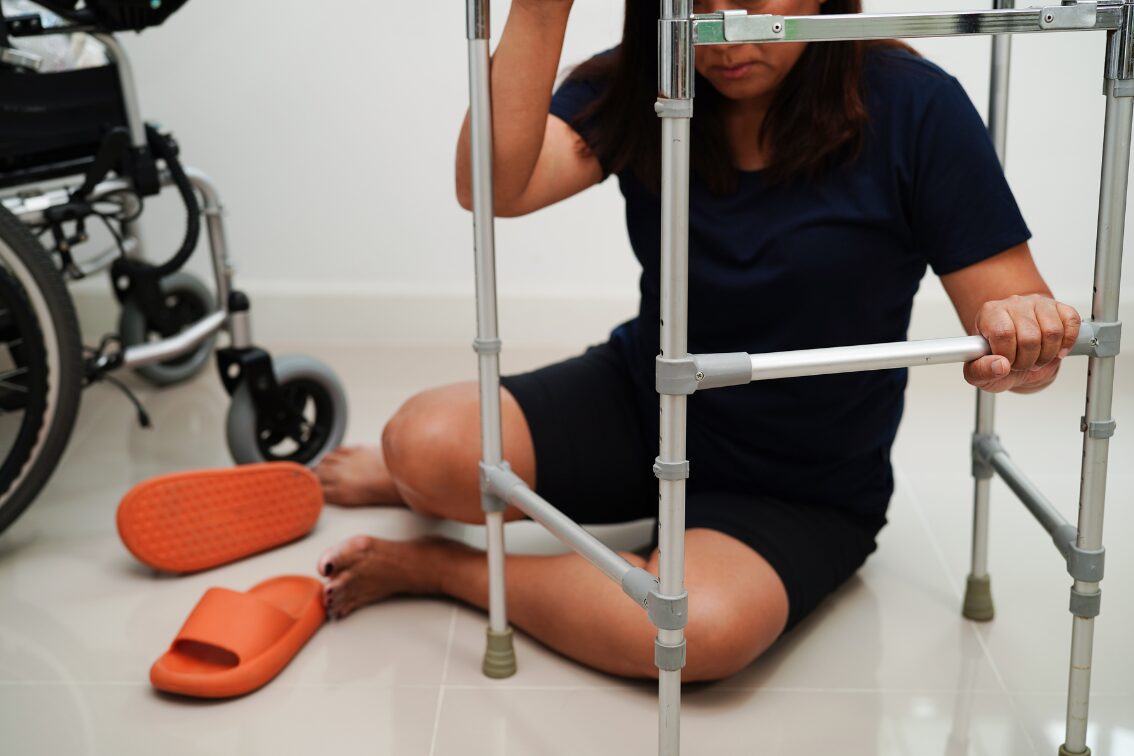
Arthritis can make everyday movement more difficult. Stiff knees, painful hips, reduced grip strength, foot pain, and fatigue can affect how confidently you stand, walk, climb stairs, or get in and out of a chair.
A fall can lead to injuries, reduced confidence, and greater difficulty staying independent. The good news is that many fall risks can be reduced by combining safer movement habits, appropriate exercise, home modifications, and the right mobility aids.
This guide explains practical ways to reduce fall risks when living with arthritis, from improving bathroom safety and nighttime lighting to choosing walking aids and recognizing health problems that may affect balance.
Quick Answer: How Can You Reduce Fall Risk With Arthritis?
Start by addressing the hazards that affect you most. Keep walkways clear, improve lighting, remove loose rugs, wear stable footwear, and use handrails or professionally fitted mobility aids when needed. Regular strength and balance exercise can also help, provided the activities are appropriate for your abilities.
If you have fallen, feel unsteady, experience recurring dizziness, or have difficulty walking safely, speak with a healthcare professional. A physiotherapist or occupational therapist can assess your movement, identify hazards, and recommend suitable changes.
Why Arthritis Can Increase Fall Risk
Arthritis does not automatically mean you will fall. However, symptoms and related limitations can make some everyday activities more challenging.
Common contributing factors include:
- Joint pain and stiffness: Painful knees, hips, ankles, or feet can make walking, turning, and standing up more difficult.
- Reduced strength: Weakness in the legs and muscles that support posture can affect stability.
- Limited movement: Stiff joints may make it harder to adjust your position or respond to a change in balance.
- Foot problems: Pain, deformity, or difficulty finding stable footwear can affect walking.
- Fatigue: Tiredness may make it harder to move carefully, particularly late in the day.
- Medication effects: Some medicines can cause dizziness, drowsiness, or changes in blood pressure.
- Fear of falling: Avoiding activity because of fear can contribute to reduced strength and confidence over time.
Several factors may occur together. That is why fall prevention works best when it addresses your particular difficulties rather than relying on one product or a single exercise.
1. Make Your Home Safer, One Room at a Time
Home modifications can reduce common hazards without requiring a major renovation. Start with the places where you spend the most time and where a fall would be particularly dangerous.
Living room and hallways
- Remove loose rugs or secure them with suitable non-slip backing.
- Keep electrical cords and clutter away from walking routes.
- Leave enough space to move around furniture without squeezing through narrow gaps.
- Make sure frequently used items are within comfortable reach.
- Avoid using lightweight furniture as a handhold unless it is designed and securely installed for support.
Bedroom
- Keep a light within easy reach of the bed.
- Use a clear path between the bed and the bathroom.
- Choose a bed height that allows you to sit down and stand up as safely as possible.
- Keep shoes, clothing, and other frequently used items off the floor.
- Consider a properly installed bedside support if getting in and out of bed is difficult.
A bedside rail or transfer aid is not suitable for everyone. Some designs can create entrapment risks or become unstable if installed incorrectly. Follow the manufacturer’s instructions and seek professional advice if you are unsure which type is appropriate.
Related Reading: Arthritis Home Safety Checklist
Bathroom
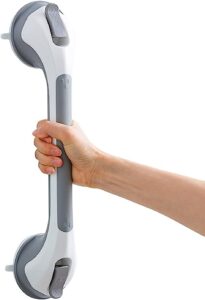
Bathrooms deserve special attention because wet surfaces, awkward transfers, and limited space can combine to increase fall risk.
- Install securely anchored grab bars where you need support entering or leaving the shower or using the toilet.
- Use a non-slip bath or shower surface designed for your bathroom.
- Consider a shower chair if standing for the duration of a shower is difficult.
- Keep towels, soap, and toiletries within easy reach.
- Use a raised toilet seat or toilet safety frame if getting up and down is difficult and the equipment is appropriate for your setup.
A suction-cup handle should not be assumed to be a weight-bearing grab bar. Choose equipment designed for the intended task and have permanent grab bars installed into suitable structural supports.
Related Reading: Arthritis-Friendly Bathroom Safety
Stairs and entrances
- Use a securely installed handrail when available.
- Keep stairs clear of shoes, packages, and other objects.
- Improve lighting at the top and bottom of stairways.
- Make step edges easier to see if poor visibility is a problem.
- Repair loose flooring and uneven surfaces where possible.
- Keep entrance areas clear of clutter, and address wet or icy outdoor surfaces before walking on them.
If stairs have become difficult or frightening, ask a physiotherapist or occupational therapist about safer techniques and whether a mobility aid or home modification would help.
Related Reading: Arthritis-Friendly Home Modifications
2. Improve Lighting, Especially at Night

Poor lighting makes it harder to notice obstacles, changes in floor height, and objects left in walkways. This can be especially troublesome when joint stiffness makes it difficult to lift your feet or turn quickly.
Consider these changes:
- Install night lights along the route between your bedroom and bathroom.
- Use motion-sensor lighting where it makes sense.
- Ensure stairways, entrances, and hallways are well lit.
- Keep a lamp or light switch within easy reach of the bed.
- Replace bulbs that leave dark areas or shadows.
- Use lighting that is easy to operate if finger pain makes small switches difficult.
Motion-sensor lights can be useful when reaching for a switch is awkward, but they should activate reliably and provide enough light to see the floor clearly.
Related Reading: Arthritis-Friendly Home Lighting
3. Choose Footwear That Supports Safe Movement
Foot pain, ankle stiffness, and difficulty lifting the toes can make walking less comfortable. Slippers that slip off, loose footwear, or worn soles may add to the challenge.
Look for footwear that:
- Fits securely without squeezing painful toes.
- Has a stable sole and adequate traction for the surfaces you use.
- Provides enough room for your toes.
- Is easy to put on and remove without difficult bending or gripping.
- Does not slide around on your feet when you walk.
Avoid walking in loose slippers or socks on slippery floors if they make you feel unstable. However, very thick or heavily textured soles are not automatically safer; the best choice depends on your balance, gait, and environment.
If you have persistent foot pain, deformity, numbness, or difficulty finding comfortable shoes, a podiatrist or other appropriate healthcare professional can help assess your needs.
Related Reading: Best Shoes for Arthritis Pain Relief
4. Use Safer Movement Habits
Falls can happen during ordinary transitions, such as standing up, turning, reaching for an object, or stepping into a shower. Arthritis-related stiffness and pain may make these movements harder.
Try the following habits.
When getting out of bed
- Move toward the edge of the bed without rushing.
- Sit for a moment before standing if you feel stiff or lightheaded.
- Place both feet securely on the floor.
- Stand using a stable support designed for that purpose, if needed.
- Begin walking only when you feel steady.
If you regularly feel dizzy when standing, tell your healthcare professional. Do not assume that moving more slowly will solve the underlying problem.
When standing up from a chair
- Choose a stable chair that is not excessively low or soft.
- Move toward the front of the seat before standing, if comfortable.
- Place your feet securely on the floor.
- Use the chair’s armrests or a suitable support rather than pulling on an unstable table.
- Take a moment to establish your balance before walking.
When turning or reaching
- Turn with small steps rather than twisting suddenly on a planted foot.
- Avoid reaching far to the side while standing on an unstable surface.
- Keep commonly used items at a convenient height.
- Carry smaller loads when possible, leaving a hand free for a handrail or appropriate support.
- Avoid rushing when you are tired or experiencing a flare.
These changes can make movement more manageable, but they cannot eliminate every fall risk. If you frequently lose your balance, arrange an assessment rather than relying only on movement tips.
5. Consider a Cane, Walker, or Other Mobility Aid
A correctly selected mobility aid may improve stability, reduce the demands of walking, and help you remain active. The right choice depends on your balance, strength, walking pattern, hand function, and environment.
Cane
A cane may be appropriate for some people who need a little additional support while walking. Correct height and technique matter, especially if hand or wrist arthritis makes gripping difficult.
Walker or rollator
A walker may provide a broader base of support for someone who needs more assistance with balance. A rollator with wheels and brakes may suit some people, but it requires sufficient control to operate safely.
A wheeled device is not automatically safer than a non-wheeled walker. The correct choice depends on your abilities and the places where you will use it.
Grab bars and transfer supports
Fixed grab bars may help with specific transfers, such as getting into a shower or standing from the toilet. Other supports, including bed rails and chair-assist handles, need to be selected and installed carefully.
Important: Do not use furniture, towel rails, or unanchored objects as substitutes for a properly designed support.
If you are uncertain which mobility aid to use, ask a physiotherapist or occupational therapist to assess your walking and daily activities. A poorly fitted aid or incorrect technique can create additional hazards.
Related Reading:
6. Build Strength and Balance Safely
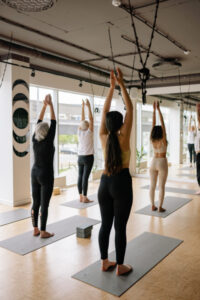
Appropriate physical activity can help maintain strength, mobility, and balance. Avoiding all movement because of arthritis pain may contribute to deconditioning, making everyday tasks more difficult over time.
The most suitable activity depends on your symptoms, fitness, and fall history.
Options to discuss with a healthcare professional include:
- Strength exercises: May help maintain the muscles needed for standing and walking.
- Balance training: Can improve balance-related skills when exercises are appropriate and performed safely.
- Walking: May help maintain mobility if you can walk safely on a suitable surface.
- Water-based exercise: Buoyancy reduces weight-bearing demands for many activities.
- Tai chi or adapted movement classes: May help some people improve balance, coordination, and confidence.
Start at a level you can manage and increase activity gradually. If you have already fallen, feel unsteady, or need to hold onto furniture when walking, do not begin challenging balance exercises alone. Ask about supervised or supported options.
Stop an activity if it causes severe pain, marked dizziness, chest discomfort, or unusual shortness of breath, and seek appropriate medical advice.
Related Reading: Gentle Exercise Strategies for Arthritis Stiffness
7. Review Health Factors That May Affect Balance
Not every fall is caused by a slippery floor or painful joint. Health conditions, changes in vision, dizziness, and medication side effects can also contribute.
Consider discussing the following with your healthcare professional:
- Medication review: Some prescription medicines and over-the-counter products can cause drowsiness, dizziness, or changes in blood pressure. Do not stop or change medication on your own.
- Vision: Changes in vision can make it harder to identify obstacles and judge distances.
- Dizziness or lightheadedness: Recurring symptoms, especially when standing, deserve assessment.
- Foot sensation: Numbness or reduced sensation may affect awareness of foot position and the walking surface.
- Previous falls: A previous fall, near-fall, or increasing fear of falling can signal a need for a more detailed assessment.
- Pain and fatigue: Symptoms that alter your walking pattern or reduce concentration may affect safety.
If you have fallen more than once, feel increasingly unsteady, or have begun avoiding everyday activities because you fear falling, ask your healthcare professional about a fall-risk assessment.
8. Avoid Common Fall-Prevention Mistakes
Small oversights can undermine otherwise sensible safety measures.
- Relying on unstable furniture: A lightweight chair or table may move when you use it for support.
- Using an unsuitable grab handle: Some handles are designed for balance assistance, not for supporting full body weight.
- Choosing a mobility aid without checking fit: Incorrect height or technique may make walking harder.
- Walking in poor lighting: Even familiar rooms can contain unexpected obstacles at night.
- Ignoring recurring dizziness: This may have a medical cause that needs attention.
- Stopping all physical activity: Avoidance can contribute to reduced strength and confidence.
- Buying equipment without considering the user: A product that works for one person may not suit someone with limited grip strength, poor balance, or a different home layout.
The best prevention plan combines environmental changes, appropriate movement, and attention to individual health needs.
9. Create a Simple Home Fall-Prevention Checklist
Use this checklist to identify changes you can make. You do not need to complete everything at once; start with the hazards most relevant to you.
Walkways and stairs
- Remove loose rugs or secure them appropriately.
- Clear cords, clutter, and other trip hazards.
- Improve lighting in hallways and on stairs.
- Check that handrails are secure.
- Repair loose flooring and uneven surfaces where possible.
Bedroom and bathroom
- Keep a light within easy reach of the bed.
- Clear the route to the bathroom.
- Check whether getting in and out of bed is safe.
- Add appropriate non-slip protection in wet areas.
- Consider professionally installed grab bars where support is needed.
- Keep frequently used toiletries and clothing within easy reach.
Personal safety
- Check that indoor and outdoor footwear fits securely.
- Make sure any cane or walker is correctly fitted.
- Discuss recurring dizziness or lightheadedness with a healthcare professional.
- Arrange a medication review if you are concerned about side effects.
- Ask about strength and balance exercises appropriate for your abilities.
- Seek help if you have fallen, experienced near-falls, or become increasingly unsteady.
You can also use the Arthritis Home Safety Checklist to review your living space in more detail.
Frequently Asked Questions
Does arthritis increase the risk of falling?
Arthritis can contribute to fall risk when pain, stiffness, weakness, reduced mobility, or foot problems affect movement. Other factors, including vision, medications, and balance disorders, may also play a role. Having arthritis does not mean that a fall is inevitable.
What exercises may help reduce fall risk?
Strength and balance exercises can help some people improve stability and mobility. The right program depends on your abilities, symptoms, and fall history. If you are unsteady or have already fallen, ask a healthcare professional about supervised exercises before attempting challenging balance activities.
Where should I start when making a home safer?
Begin with clear walkways, good lighting, secure handrails, and attention to bathroom safety. Then address the areas where you personally have the most difficulty, such as standing from a low chair or getting into the shower.
Can a cane or walker prevent falls?
A properly selected and correctly used mobility aid may improve support for some people, but it cannot guarantee that falls will be prevented. The type of aid, its fit, your walking pattern, and the environment all matter.
Can arthritis medication contribute to falls?
Some medicines can cause dizziness, drowsiness, or blood pressure changes that affect balance. Side effects vary by medicine and person. Ask your doctor or pharmacist to review your medication if you are concerned, and do not stop prescribed treatment without medical advice.
What should I do if I have already fallen?
If you may have a serious injury, cannot get up safely, have severe pain, or hit your head and are concerned about injury, seek urgent medical help. Even if you feel relatively well afterward, arrange an assessment if the fall was unexplained, you have recurrent falls, or you have new pain or difficulty walking. A healthcare professional can help identify contributing factors and ways to reduce future risk.
What is the most important change for preventing falls?
There is no single change that works for everyone. For one person, it may be improving bathroom safety; for another, it may be correcting footwear, reviewing dizziness, or using a properly fitted mobility aid. Addressing the risks that apply to you is more useful than relying on a single product.
Final Thoughts: Protect Safety Without Giving Up Independence
Fall prevention with arthritis is about making everyday movement safer and more manageable, not avoiding activity altogether.
Start with practical steps: improve lighting, clear walkways, make bathroom transfers safer, choose stable footwear, and use an appropriate mobility aid when needed. Keep moving within your abilities, and ask for professional help if pain, dizziness, weakness, or balance problems are making daily activities unsafe.
Small changes can make a meaningful difference, especially when they are matched to your needs and combined with a plan to address underlying health factors.
Medical Disclaimer: This article is for informational purposes only and does not constitute medical advice. Always consult your doctor, rheumatologist, or occupational therapist before making changes to how you manage your arthritis.
