
Disclosure: As an Amazon Associate, Arthritis Wares earns from qualifying purchases at no extra cost to you. We are not paid or sponsored by any manufacturer. Affiliate links help support our work.
Moving around the house at night can be challenging when you live with arthritis. Stiff joints, painful hands, and difficulty getting comfortable after resting can make reaching for a light switch or walking through a dark hallway more awkward than it should be.
Good lighting can make everyday movement easier by helping you see obstacles, locate switches, and move between rooms without fumbling in the dark. The most useful solutions are not necessarily the brightest or most expensive. They are the ones that provide light where you need it and require as little effort as possible to operate.
This guide compares practical lighting options for people with arthritis, including touch lamps, motion-sensor lights, and illuminated switches. It also covers placement, glare, and other home-safety considerations.
Quick Answer: What Lighting Helps Most With Arthritis?
For nighttime movement, motion-sensor lights are a useful starting point because they turn on automatically without requiring you to grip a switch. Touch lamps can make bedside lighting easier to operate, while illuminated switches help you locate controls in a dark room.
The best setup depends on your home and your needs:
- Bedroom: A touch lamp or easily operated bedside light.
- Bathroom: Motion-sensor lighting or a clearly accessible switch, with sufficient light to see the floor and obstacles.
- Hallways: Motion-sensor lights positioned along the walking route.
- Stairs: Adequate, even lighting across the entire staircase, with switches accessible at the top and bottom where appropriate.
Lighting can improve visibility, but it cannot eliminate fall risk. Clear walking routes, secure handrails, suitable footwear, and stable furniture arrangements remain important.
Why Lighting Matters When You Have Arthritis
Arthritis can make ordinary nighttime routines more demanding. You might need to get out of bed to use the bathroom, retrieve medication, or check on something in another room. If your hands are stiff or painful, operating a small switch can be frustrating. If your knees, hips, or feet are uncomfortable, moving through a dark space may feel less secure.
Useful lighting addresses several practical problems:
- Hard-to-operate switches: Small toggles and stiff controls can be uncomfortable for sore fingers and thumbs.
- Poor visibility: Dim rooms make it harder to identify objects, changes in floor level, and obstacles.
- Reaching and bending: A switch placed awkwardly may require an uncomfortable movement.
- Disorientation after waking: A convenient bedside light can help you illuminate the room before standing.
- Shadows and glare: Poorly positioned lighting can make it harder to judge the walking surface.
The aim is to make lighting easy to activate and bright enough for the task without creating harsh glare.
Best Lighting Solutions for Arthritis-Friendly Homes
Different products solve different problems. You may need only one or two well-placed lights rather than a collection of gadgets.
1. Motion-Sensor Lights: Best for Hands-Free Activation
Motion-sensor lights switch on automatically when they detect movement within their sensing range. Depending on the model, they may be battery-powered, rechargeable, plug-in, or hardwired.
They are especially useful when you want light without reaching for a switch.
Where they can help:
- Bedroom-to-bathroom walking routes
- Hallways and entrances
- Closets or other small spaces
- Areas where a wall switch is inconvenient to reach
What to look for:
- A sensor that detects movement from the direction you will approach
- Enough brightness to see the floor and nearby obstacles
- Adjustable sensitivity or illumination duration, if needed
- A mounting method that is secure and easy to maintain
- A power source that does not require frequent difficult battery changes
Avoid placing a light where its beam shines directly into your eyes when you wake up or approach it. Test the sensor from your usual walking direction before relying on it.

2. Touch Lamps: Best for Bedside Lighting
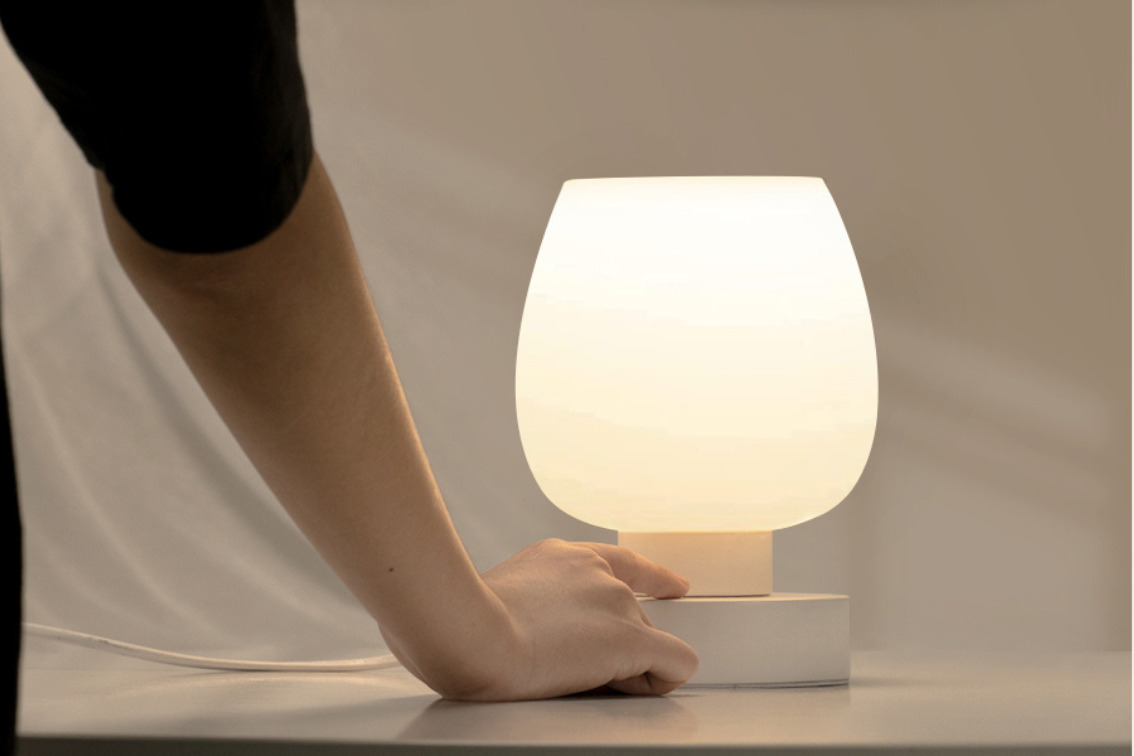
Touch lamps can be easier to operate than lamps with small rotary knobs or stiff switches. Many models turn on or change brightness when you touch a designated part of the lamp.
They can be useful on a bedside table, where you want to turn on a light before getting out of bed.
Potential advantages:
- Less need to pinch, twist, or grip a small control
- Convenient access while seated or lying in bed
- Dimming options on some models
- Portable designs for different rooms
What to check before buying:
- Does the lamp respond to a light touch, or does it require a firm tap?
- Is the control easy to locate in the dark?
- Can you operate it without reaching far across the bedside table?
- Does the brightness adjust in a way that suits nighttime use?
- Is the lamp stable enough that touching it will not cause it to tip?
Touch controls are not ideal for everyone. Some require repeated taps to cycle through settings, and some models may not respond reliably to every user’s touch. If possible, choose a lamp with a simple control and a stable base.

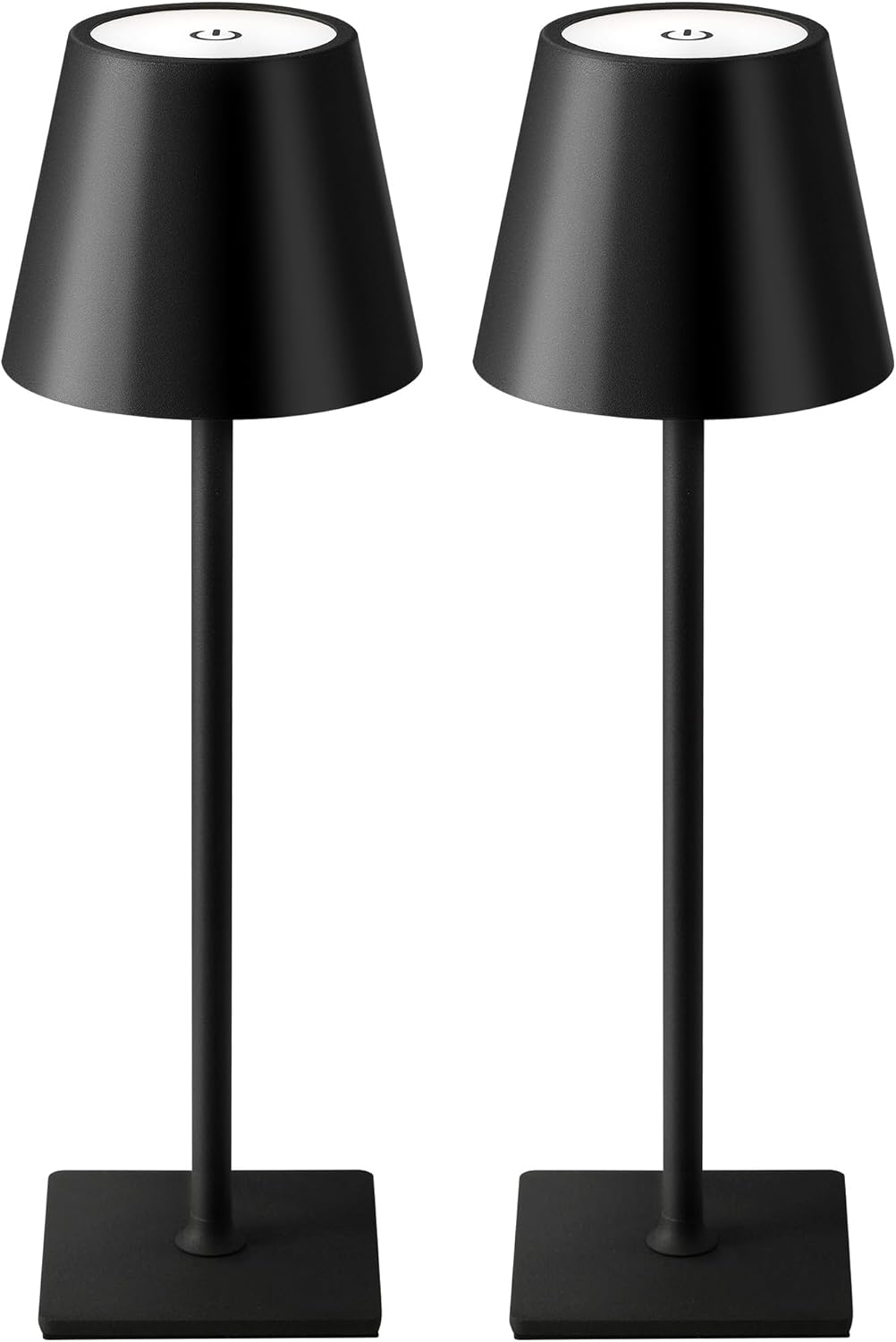
3. Rechargeable Cordless Lamps: Best Where Outlets Are Inconvenient
A rechargeable lamp can provide portable light without needing to remain plugged into an outlet. This can be useful for a bedside table or another location where you want to avoid a power cord crossing a walking route.
Potential advantages:
- No power cord running from the lamp to the outlet while in use
- Flexible placement
- Touch controls and dimming on some models
- Useful during brief power interruptions, depending on the battery and charge level
Things to consider:
- Battery life and charging frequency
- How easy the charging connection is to use
- Whether the lamp is light enough to move comfortably
- Whether the lamp provides enough light for the intended task
A cordless lamp is not a substitute for adequate lighting along a hallway or staircase. It should also be recharged before the battery runs out, rather than becoming an unreliable light source when you need it.
4. Illuminated Light Switches: Best for Finding a Wall Switch
An illuminated switch has a small light that makes the switch easier to locate in a dark room. It may be helpful if you prefer a conventional wall switch but struggle to find it at night.
Some illuminated switches are designed for particular electrical configurations, so compatibility matters.
Before buying one:
- Confirm whether the model is suitable for your existing wiring and lighting circuit.
- Check whether it is intended for single-pole or another type of installation.
- If you are unsure about compatibility or installation, use a qualified electrician.
- Consider whether a plug-in or battery-powered motion light would solve the problem more simply.
A switch that glows in the dark does not illuminate the entire room. It helps you find the control, so you may still need a separate light to see where you are going.

5. Easy-to-Operate Bedside Lamps: Best for Simple Controls
Not every arthritis-friendly lamp needs a touch sensor. A lamp with a large, clearly marked switch may be easier to use than a small touch control or a complicated dimmer.
Look for a control you can operate without painful pinching or twisting. The lamp should sit within comfortable reach, with enough space around it to avoid knocking it over.
Some bedside lamps also include USB charging ports or electrical outlets. These may be convenient, but they are secondary features. Prioritize ease of operation, stability, and suitable light output.

How to Plan Lighting Room by Room
The best lighting plan follows your actual nighttime routine. Start with the places you visit after dark and the points where you currently need to reach, bend, or walk without enough light.
Bedroom
- Keep a simple bedside light within comfortable reach.
- Turn on the light before standing up, when practical.
- Make sure the route from the bed to the doorway is visible.
- Keep slippers, clothing, charging cables, and other items out of the walking path.
A bedside lamp should not require you to lean far across the bed or reach behind furniture.
Bathroom
- Ensure the route into the bathroom is adequately lit.
- Consider a motion-sensor light if finding the switch is difficult.
- Make sure the floor, toilet, and route to the sink are clearly visible.
- Use lighting designed for the location, especially where moisture is present.
Night lights should supplement—not replace—adequate bathroom lighting.
Hallways and Doorways
- Place lights where they illuminate the walking surface, not just the wall.
- Avoid gaps between pools of light that leave obstacles hidden in shadow.
- Check that furniture, shoes, and other items do not obstruct the route.
- Position motion sensors so lights activate before you enter a dark area.
Stairs
Stairs deserve special attention because a missed step can cause a serious fall.
- Provide adequate, even lighting across every step.
- Make sure the top and bottom of the staircase are clearly visible.
- Keep handrails secure and unobstructed.
- Where appropriate, provide accessible switches at both ends.
- Do not rely on a small decorative night light as the only source of stair lighting.
If stairs are difficult to navigate because of pain, weakness, or balance problems, discuss additional safety measures with an occupational therapist or healthcare professional.
Choosing Light Brightness and Color
Brighter lighting is not automatically better. The goal is enough light to see clearly without uncomfortable glare.
Consider these practical points:
- Avoid direct glare: Position lamps so the light source does not shine directly into your eyes.
- Reduce dark shadows: Use lighting that illuminates the floor and obstacles consistently.
- Choose comfortable color temperature: Warm light may feel more relaxing in a bedroom, while a more neutral light may help with visibility in some areas. Personal preference and the task both matter.
- Use adjustable brightness when helpful: Dimming can make a bedside light more comfortable, provided the lowest setting is still bright enough to see safely.
- Keep lenses and shades clean: Dust can reduce light output.
For a nighttime walking route, visibility is more important than creating a particular mood. Test the setup after dark to make sure you can see the floor, doorways, and obstacles clearly.
Common Lighting Mistakes to Avoid
Relying on a Small Night Light to Illuminate an Entire Room
A small night light may help you orient yourself, but it may not provide enough illumination to identify obstacles or judge changes in floor level. Use sufficient lighting for the route and task.
Putting Lights Too Far Away
A light is less useful if you have to stretch, bend, or walk through darkness to reach it. Place controls where they can be operated comfortably.
Creating Trip Hazards With Cords
Avoid running lamp cords across walking routes. Secure cords away from foot traffic and keep outlets accessible without awkward reaching.
Using Motion Lights That Activate Too Late
A sensor may fail to detect movement from certain angles or may have a short range. Test it in your actual environment and adjust its position or settings.
Forgetting About Maintenance
Rechargeable lamps need charging, battery lights need replacement batteries, and sensors may need cleaning or adjustment. Choose a setup that you can maintain comfortably or ask someone to help with difficult tasks.
Frequently Asked Questions
What is the best type of light for someone with arthritis?
It depends on the difficulty you are trying to solve. Motion-sensor lights reduce the need to operate a switch, touch lamps can simplify bedside lighting, and illuminated switches make conventional controls easier to locate. Many homes benefit from a combination.
Are motion-sensor lights safer than regular night lights?
Motion-sensor lights can be convenient because they turn on automatically, but no single lighting type guarantees safety. Placement, brightness, sensor reliability, and the condition of the walking route all matter.
Are touch lamps easier for people with painful hands?
They can be, particularly when they replace small knobs or stiff switches. However, touch sensitivity and control design vary. Choose a model that responds reliably to a light touch and does not require repeated awkward movements.
Should I leave a light on all night?
There is no single rule for every home. A low-level light may help you navigate, while a motion-sensor light may provide illumination only when needed. Choose an arrangement that gives you enough visibility without uncomfortable glare or creating other hazards.
Can better lighting prevent falls?
Good lighting can help you see obstacles and changes in the walking surface, which is one part of fall prevention. It cannot eliminate falls on its own. Clear walkways, stable handrails, appropriate footwear, and attention to balance and mobility are also important.
Final Thoughts
Arthritis-friendly lighting is about reducing effort and making nighttime movement easier to manage. A touch lamp can simplify bedside lighting, motion sensors can provide hands-free illumination, and illuminated switches can make controls easier to find.
Start with the part of your nighttime routine that causes the most difficulty. Choose lighting that is easy to operate, positioned within comfortable reach, and bright enough to show the route clearly. Small, practical changes can make a home easier to navigate without adding unnecessary gadgets.
Related Reading
- Arthritis-Friendly Home Modifications
- Fall Prevention Strategies for Arthritis
- Bedroom Safety & Comfort Upgrades
Medical Disclaimer: This article is for informational purposes only and does not constitute medical advice. Always consult your doctor, rheumatologist, or occupational therapist before making changes to how you manage your arthritis.
