
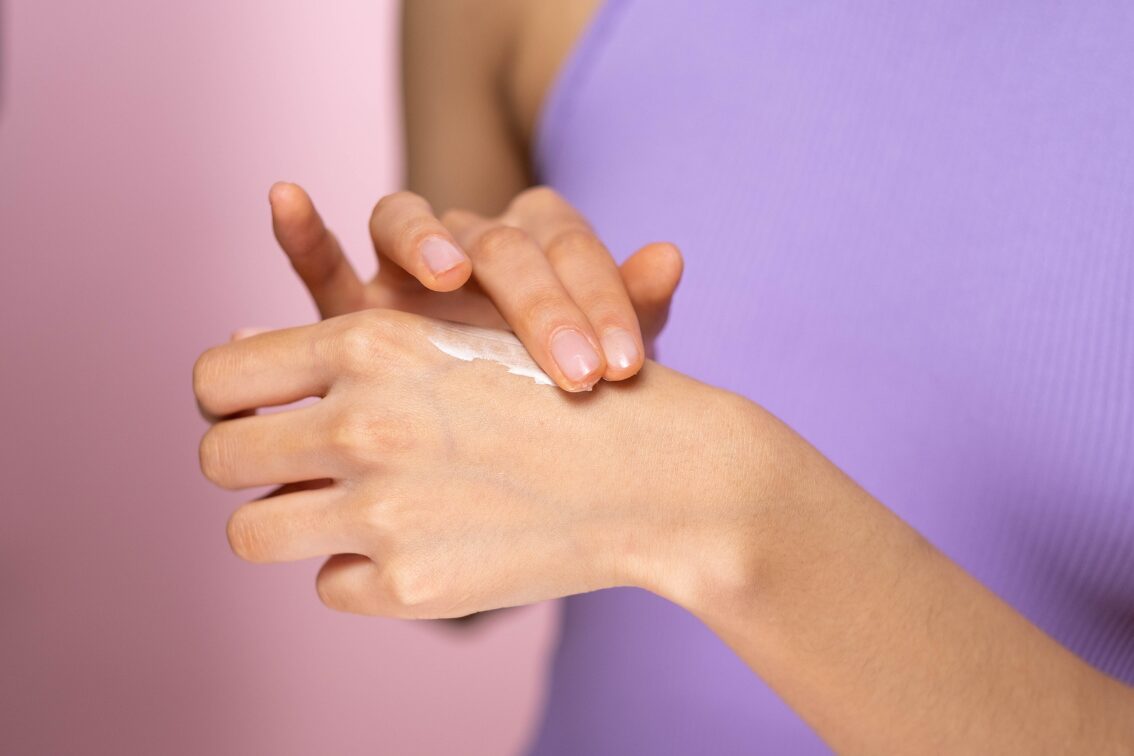
Topical pain relief — creams, gels, patches, and temperature-based therapies applied directly to a sore joint — has become one of the most widely used approaches to managing arthritis day to day. For many people, it sits alongside or partially replaces oral medication because it delivers active ingredients exactly where they’re needed, with far less whole-body exposure.
But “topical treatment” covers a wide range of products that work through completely different mechanisms. An NSAID gel reduces inflammation at the source. A menthol cooling gel interrupts pain signals temporarily. A lidocaine patch numbs nerve endings. A capsaicin cream gradually depletes the compounds that carry pain signals to the brain. Using the wrong type for your type of pain is the most common reason people feel topical treatments don’t work.
This guide explains how each category works, when to use it, and what to look for — with links to detailed reviews and buying guides for each type.
How We Review Topical Arthritis Products
Our editorial team researches each product category using published clinical studies, pharmacist-reviewed ingredient data, and feedback from people living with arthritis. We assess mechanism of action, evidence quality, safety profile, and real-world usability. Affiliate links help support the site — they never influence which products we include or how we rank them.
What’s in This Guide
Arthritis Creams and Gels

Creams and gels are the most commonly used topical arthritis treatments — and the category with the strongest clinical evidence, particularly for NSAID gels. They work well for most commonly affected joints including hands, fingers, knees, elbows, and shoulders. The four main types each work through a different mechanism, which is why matching the right one to your symptoms matters so much.
NSAID Gels (Diclofenac)
Diclofenac gel — sold over the counter as Voltaren — is the only topical treatment that actually reduces inflammation rather than masking pain. It penetrates the skin and reaches joint tissue directly, inhibiting the same COX enzymes targeted by oral NSAIDs, but with significantly less systemic absorption. It requires consistent use over several days to reach peak effect, which is why people who try it once and stop often underestimate it. For osteoarthritis of the knee and hand, it has strong clinical trial evidence behind it.
Best for: Swelling, stiffness, warmth around the joint — any pain with an inflammatory component.
Important: Not recommended alongside oral NSAIDs without medical guidance. Check with your pharmacist if you take other medications.
Menthol Cooling Gels
Menthol works through counter-irritation: it activates cold-sensing receptors in the skin, creating a cooling sensation that temporarily overrides pain signals. It doesn’t change what’s happening inside the joint, but it is genuinely effective at breaking the pain cycle during flare-ups and after activity. Fast-absorbing gels like Biofreeze provide relief within minutes and are available in roll-on formats — useful if squeezing a tube is painful for your hands.
Best for: Flare-ups, post-activity soreness, fast on-demand relief.
Lidocaine Numbing Creams
Lidocaine is a local anesthetic that blocks sodium channels in nerve membranes, temporarily preventing pain signals from being transmitted. Applied topically, it produces quiet, noticeable numbing without the strong sensation of menthol — making it practical for daytime use. It doesn’t treat inflammation, but it makes arthritic joints significantly more comfortable for several hours per application. Most formulas are fragrance-free, which suits sensitive skin and workplace use.
Best for: Sharp, localized, or nerve-adjacent pain; hands and fingers; people sensitive to strong scents.
Natural and Gentle Blends
Creams using arnica, MSM, boswellia, or plant oil bases work through milder mechanisms and suit daily maintenance, mild arthritis, or users who prefer to avoid pharmaceutical ingredients. They generally build effect over weeks of consistent use rather than providing immediate relief. Evidence for topical versions of these ingredients is less robust than for diclofenac, but they are well-tolerated and a reasonable choice for mild symptoms.
Best for: Daily comfort, mild symptoms, sensitive skin, routine maintenance.
Topical Patches for Arthritis Pain
Patches deliver active ingredients — most commonly lidocaine, menthol, or diclofenac — through the skin slowly and continuously over 8–12 hours, without requiring reapplication. This makes them particularly useful in situations that creams and gels handle less well.
They work best when:
- Pain lasts all day or overnight and you don’t want to remember to reapply
- The joint is hard to reach — a patch stays in place on a lower back or shoulder without assistance
- You need to use your hands for work — patches don’t transfer to surfaces or clothing the way gels can
- Applying cream is itself painful — placing a patch on one hand is easier than using that hand to rub in a gel
The main limitation is that patches are less adjustable. You can’t vary coverage area or pressure the way you can with a cream, and daily use on the same spot can cause mild skin irritation. Rotating application sites helps.
👉 How gels, creams, and patches compare in detail: Topical Solutions for Arthritis Explained
Heat and Cold Therapy

Heat and cold are among the oldest and most reliably effective physical approaches to arthritis pain — and among the easiest to use at home without any prescription or specialist equipment. Knowing which to use and when is one of the most practically useful things you can learn about managing arthritis day to day.
When Heat Helps
Heat increases blood flow, relaxes surrounding muscles, and makes joint tissue more pliable. It’s most effective for stiffness — particularly morning stiffness, tightness after sitting for long periods, or a deep ache from cold weather or overexertion. Apply heat before movement to loosen a stiff joint, not after inflammation has already started.
Use heat for: Morning stiffness, chronic aching, muscle tension around the joint, preparation for exercise or stretching.
Avoid heat when: The joint is actively swollen, red, or warm to the touch — heat will worsen acute inflammation.
When Cold Helps
Cold reduces inflammation and numbs pain signals. It’s most effective during or after a flare-up — when a joint is visibly swollen, hot, or has been overused. Menthol cooling gels provide a milder, more convenient version of this effect compared to an ice pack, with the added benefit of counter-irritation pain relief.
Use cold for: Active flare-ups, swollen joints, post-activity soreness, acute pain after overexertion.
Avoid cold when: The joint is stiff and already cold — applying cold therapy to a stiff morning joint typically makes it worse.
👉 Read the full guide: Heat vs Cold Therapy for Arthritis — Which One Works Best and When
Natural and Plant-Based Topical Options
Plant-based topical treatments appeal to many people with arthritis — particularly those managing medication load, dealing with sensitivities, or preferring to start with gentler options. The evidence base varies between ingredients, so it’s worth knowing what you’re actually getting from each one.
Capsaicin Creams
Capsaicin is one of the better-studied natural topical ingredients. Derived from chili peppers, it works by depleting substance P — a neurotransmitter that carries pain signals to the brain — with repeated use. Several clinical trials have found it effective for osteoarthritis pain. The catch is a burning or warming sensation during the first week of use, which many people find off-putting. Those who persist through the adjustment period often find it very effective for chronic pain. Always use gloves when applying, and keep away from eyes and mucous membranes.
Arnica
Arnica gel is one of the most popular plant-based topicals for joint and muscle pain. Small studies have found it broadly comparable to mild NSAID gels for some users, though evidence is limited. It’s generally well-tolerated topically and works well as a gentle daily option — particularly for people who want something to apply as part of a morning routine.
Essential Oil Blends
Peppermint, eucalyptus, rosemary, lavender, and frankincense oils all have some evidence for topical pain relief when properly diluted in a carrier oil. They work primarily through counter-irritation and mild anti-inflammatory effects. They’re a reasonable daily complement to other treatments but generally not strong enough to manage significant arthritis pain on their own.
Hemp Seed Oil
Hemp seed oil — found in products like Hempvana — is rich in fatty acids and has mild anti-inflammatory properties. It is not CBD oil; CBD comes from a different part of the hemp plant and has more studied pain-relief properties. Hemp seed creams are comfortable, non-greasy, and suitable for daily use, but they are gentler than pharmaceutical options and better suited to mild symptoms.
👉 See also: DIY Arthritis Remedies You Can Make at Home — natural balms, oils, and teas
How to Choose the Right Topical for Your Pain
The right topical treatment depends on three things: your primary symptom, the joint affected, and how quickly you need relief. Use this as a starting point.
| Your Primary Symptom | Best Topical Type | Example |
|---|---|---|
| Swelling, inflammation, warmth around joint | NSAID gel (diclofenac) | Voltaren |
| Sharp, localized, or nerve-adjacent pain | Lidocaine cream or patch | Aspercreme with Lidocaine |
| Flare-up or post-activity soreness | Menthol cooling gel | Biofreeze |
| Morning stiffness or tight joints | Warming cream or heat therapy | Capsaicin cream, heat pad |
| Mild daily discomfort or maintenance | Natural or gentle blend | Penetrex, arnica gel |
| Sensitive skin or scent sensitivity | Fragrance-free lidocaine | Aspercreme (fragrance-free) |
| Hard-to-reach joints (back, shoulder) | Patch | Lidocaine or menthol patch |
On joint location: the hands and knees have the most clinical evidence for topical diclofenac specifically. Shoulders and back tend to suit patches or spray formats. Feet respond well to menthol gels applied after activity.
Can You Use More Than One Topical Treatment?
Yes — and many people do, strategically. The key is using products with different active ingredients at different times, rather than layering them on top of each other simultaneously.
The most common and sensible combination pairs a fast-acting option with Voltaren:
- Use Biofreeze or Aspercreme when you need immediate relief — before a task, during a flare-up, or after activity
- Use Voltaren on its own twice-daily schedule for ongoing inflammation control
Allow at least 30–60 minutes between different products on the same joint, and wash your hands between applications. If you’re also taking oral NSAIDs, check with your pharmacist before adding topical diclofenac — the combined NSAID exposure is worth discussing.
Frequently Asked Questions
What is topical pain relief for arthritis?
Topical pain relief refers to creams, gels, patches, and temperature-based therapies applied directly to painful joints. Unlike oral medications, they work locally — delivering active ingredients to joint tissue through the skin rather than through the bloodstream, which means less whole-body exposure and fewer systemic side effects.
Are topical arthritis treatments safer than oral medications?
For most people, topical treatments involve less systemic absorption than oral equivalents — which is why they’re often preferred for older adults or people who can’t tolerate oral NSAIDs. But “safer” is relative and depends on the ingredient, how it’s used, and your individual health situation. Topical diclofenac still carries some of the same cautions as oral diclofenac, just at lower levels. Always follow product directions and check with your doctor if you’re managing multiple conditions or medications.
How long does it take for topical arthritis treatments to work?
It depends entirely on the type. Menthol gels and lidocaine creams work within minutes. NSAID gels like Voltaren build effect over several days of consistent use and are most effective after a week or two of regular application. Natural blends generally take one to two weeks of daily use before noticeable improvement. Patches typically start working within 30–60 minutes of application.
Can I use topical treatments alongside oral medications?
Often yes, but with care. Using topical diclofenac alongside oral NSAIDs like ibuprofen increases your total NSAID exposure, which raises the risk of side effects. Check with your pharmacist or doctor before combining them. Menthol gels and lidocaine creams generally don’t interact with oral medications in the same way.
Which topical treatments are safe during pregnancy?
This is a question for your doctor or midwife specifically. Most topical NSAID gels are not recommended during pregnancy, particularly in the third trimester. Some natural and menthol-based options may be acceptable at low doses but should still be discussed with a healthcare provider before use.
Final Thoughts
Topical pain relief works best when you match the treatment to the type of pain — not just pick the most popular product and hope for the best. Whether your pain is driven by inflammation, nerve signaling, muscle tension, or stiffness shapes which type of product is actually going to help.
Use the guides below to go deeper on whichever category fits your situation best.
Explore More Topical Arthritis Resources
- Best Pain Relief Creams for Arthritis: Reviews and Buying Guide (2026)
- Topical Solutions for Arthritis: Gels, Creams, and Patches Explained
- Heat vs Cold Therapy for Arthritis: Which One Works Best and When
- DIY Arthritis Remedies You Can Make at Home
- Essential Oils for Arthritis Pain Relief