
Disclosure: As an Amazon Associate, Arthritis Wares earns from qualifying purchases at no extra cost to you. We are not paid or sponsored by any manufacturer. Affiliate links help support our work.
Knee arthritis can make everyday activities such as walking, standing, climbing stairs, or getting up after sitting uncomfortable. Stiffness may also be more noticeable after resting or first thing in the morning.
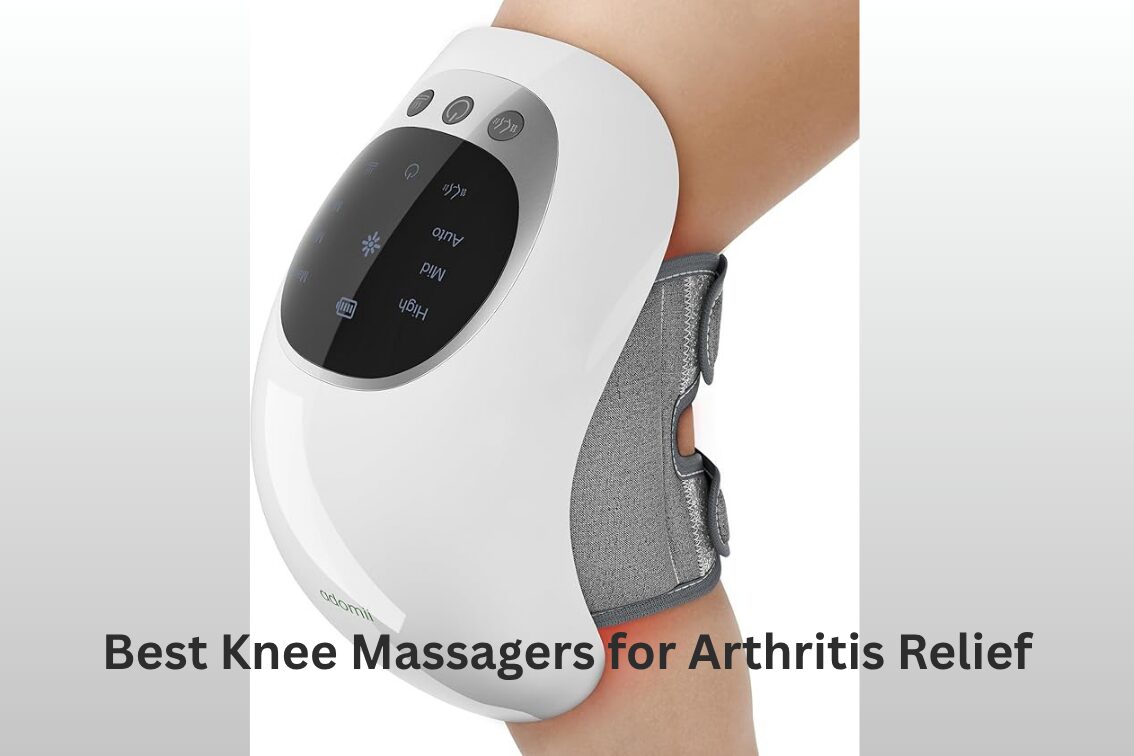
A knee massager can be a convenient way to add heat, vibration, compression, or other features to a home comfort routine. These devices don’t treat the underlying cause of arthritis, but some people may find particular features useful for temporary comfort or stiffness.
The important question isn’t simply “What is the best knee massager?” It’s “Which type of knee massager fits my symptoms, preferences, and daily routine?”
This guide compares five current knee-massager options and explains what to look for before buying.
Quick Answer: What Should You Look for in a Knee Massager?
The right knee massager depends on what you want the device to do.
- For warmth and simple comfort: Look for a heated wrap with straightforward controls.
- For warmth plus vibration: A heated vibrating wrap may be useful if you prefer massage sensations along with heat.
- For compression: Choose an air-compression model if adjustable pressure is one of your priorities.
- For cordless use: Look for a rechargeable model if you want to move around more easily while using it.
- For multiple features: Multi-therapy models combine several options, but they may also cost more and have more controls to learn.
For arthritis, fit and ease of use matter as much as the number of features. A complicated device that is difficult to put on, adjust, or remove may not be practical if your hands are stiff or painful.
What Can a Knee Massager Actually Do?
Knee massagers are not all the same. Depending on the model, they may use one or more of these features:
Heat
Heat can feel soothing when your knees feel stiff or uncomfortable. Many people use warmth as part of a routine before activity or when relaxing.
However, more heat is not necessarily better. A device should have adjustable settings and should be used according to the manufacturer’s instructions.
Vibration
Vibration provides a mechanical massage sensation around the knee. Some people may find this relaxing or more comfortable than simply applying heat.
The experience can vary considerably between devices, so vibration intensity and adjustment options are worth considering.
Air Compression
Compression models use inflatable air chambers that repeatedly inflate and deflate around the leg or knee.
Compression can feel different from vibration and may appeal to people who like a squeezing or pressure sensation. However, compression is not appropriate for everyone, particularly people with certain circulation problems.
Red Light
Some newer knee massagers include red-light or near-infrared light features.
These products are marketed for various therapeutic benefits, but the evidence for consumer red-light devices varies depending on the condition, device, wavelength, and treatment protocol. I would treat red light as an additional feature rather than assuming that it makes one knee massager more effective than another.
At-a-Glance: Current Knee Massager Picks
Rather than declaring one device the overall “best,” the choices below are organized around different features and situations.
| Product | Main Features | Best For | What Stands Out |
|---|---|---|---|
| FORTHiQ Knee Massager Pro+ | Heat, vibration, red light | People wanting multiple therapy features | Touchscreen controls and memory mode |
| COMFIER Heated Knee Wrap | Heat, vibration | Simple home use | Straightforward wrap-style design |
| MEKZU Knee Massager | Heat, air compression | People interested in compression | Inflating and deflating air chambers |
| Nektek Cordless Knee Massager | Heat, vibration | Portable use | Rechargeable cordless design |
| COMFIER Cordless Knee Massager | Heat, vibration, compression | People wanting several features | Cordless multi-function design |
1. FORTHiQ Knee Massager Pro+ — Best for Multiple Features
The FORTHiQ Knee Massager Pro+ combines several features in one device, including heat, vibration, and red-light functionality.
That makes it worth considering if you want to experiment with different modes rather than buying a simple heated wrap.
Features to consider
- Adjustable heat settings
- Multiple vibration settings
- Built-in red-light functionality
- Touchscreen controls
- Memory mode
- Wearable knee-wrap design
Why it may suit someone with arthritis
Having several adjustable features allows you to choose the sensation that feels most comfortable rather than relying on one type of therapy.
The touchscreen and memory function may also be useful if you prefer not to repeatedly configure the device.
However, more features also mean more controls to learn. If you mainly want simple warmth, a basic heated wrap may make more sense.
Keep in mind
This is a feature-rich option rather than a simple heat wrap. Before purchasing, check the current product listing for the exact settings, fit range, charging requirements, and included accessories.

2. COMFIER Heated Knee Wrap — Best for Simple Heat and Vibration
The COMFIER Heated Knee Wrap is a more straightforward option for someone who wants heat and vibration without the larger feature set of a multi-therapy device.
Features to consider
- Heat
- Vibration
- Flexible wrap-style design
- Corded operation
- Adjustable positioning
Why it may suit someone with arthritis
A wrap-style device can be easier to position than a larger rigid massager. The flexible design may also make it useful for other areas of the body, depending on the manufacturer’s instructions.
The main trade-off is that this model needs to remain connected to a power source while being used.
Keep in mind
If you have difficulty reaching the controls or handling cords, consider whether a rechargeable model would be easier for you to use.

3. MEKZU Knee Massager — Best for Air Compression
The MEKZU Knee Massager combines heat with air compression.
Instead of relying primarily on vibration, it uses inflatable air chambers that repeatedly apply and release pressure around the knee and leg.
Features to consider
- 14 air bag compression
- Heat + Vibration + Dual-Wavelength Red Light
- Adjustable pressure
- Wrap-style design
Why it may suit someone with arthritis
Some people prefer the feeling of rhythmic compression to vibration. If you are specifically looking for a knee massager with an air-pressure function, this type of design is worth considering.
Start with the lowest comfortable setting. Compression should feel supportive rather than painful or excessively tight.
Keep in mind
Compression isn’t appropriate for everyone. If you have been diagnosed with a circulation disorder, blood clot, or another condition for which compression may be a concern, ask your healthcare professional before using a compression device.

4. Nektek Cordless Knee Massager — Best for Portability
The Nektek Cordless Knee Massager combines heat and vibration in a rechargeable design.
The biggest practical advantage is the absence of a power cord during use.
Features to consider
- Rechargeable cordless operation
- Heat
- Vibration
- Lightweight wearable design
- Multi-joint use (knees, elbows and shoulders) according to the manufacturer’s instructions
Why it may suit someone with arthritis
A cordless device can be convenient if you don’t want to remain next to an electrical outlet while using your massager.
It may also be easier to take along when traveling.
Keep in mind
Cordless convenience comes with the need to keep the battery charged. Check the current product specifications for battery life and charging time before buying.
5. COMFIER Cordless Knee Massager — Best for Heat, Vibration and Compression
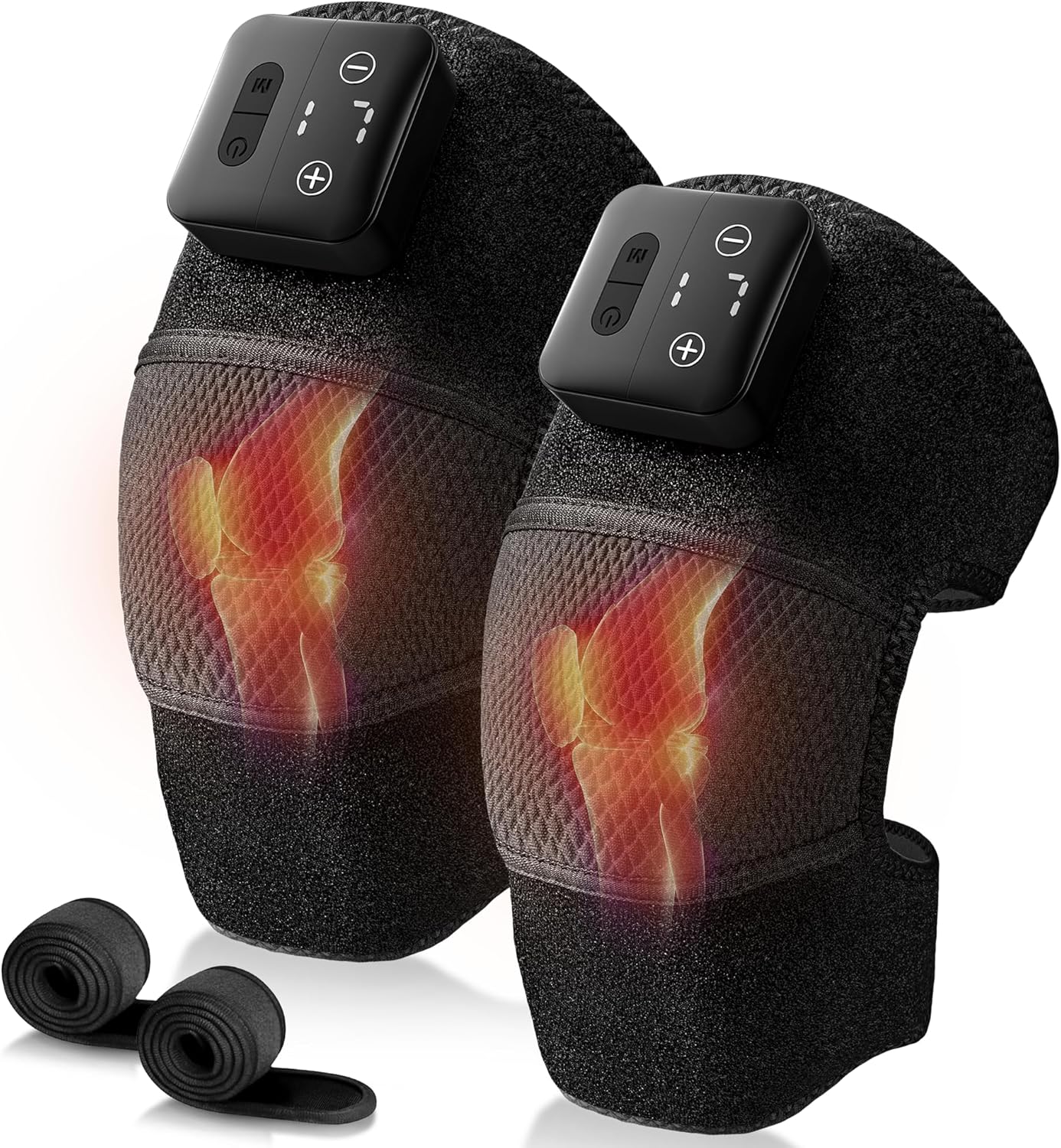
The COMFIER Cordless Knee Massager combines several features in one wearable design, including heat, vibration, and air compression.
Features to consider
- Cordless operation
- Heat
- Vibration
- Air compression
- Adjustable wrap-style fit
Why it may suit someone with arthritis
This model may appeal to someone who wants both the sensation of vibration and the adjustable pressure of air compression without being connected to a wall outlet.
The wrap-style fastening can also make it easier to adjust the fit as needed.
Keep in mind
More functions don’t necessarily mean better results. If you only want heat, a simpler device may be easier to operate and less expensive.

How to Choose a Knee Massager for Arthritis
Before buying, consider these practical questions.
1. What sensation do you actually want?
If your main goal is warmth, you may not need vibration or compression.
If you enjoy massage sensations, vibration may be more appealing.
If you specifically want adjustable pressure around the knee, consider an air-compression model.
2. Can you put it on and take it off easily?
This is particularly important if arthritis affects your hands.
Look for:
- Large, easy-to-handle straps
- Simple controls
- Clearly marked buttons
- A design that doesn’t require complicated assembly
- A fit you can adjust without excessive gripping or twisting
A device can have excellent specifications and still be a poor choice if you struggle to operate it independently.
3. Does it fit your knee?
Check the manufacturer’s recommended leg or knee measurements before purchasing.
A device that is too loose may not sit correctly. One that is too tight can be uncomfortable, particularly when compression is involved.
4. Do you want cordless operation?
Cordless models offer more freedom of movement, but they need regular charging.
Corded models may be perfectly practical if you normally use your massager while sitting in one place.
5. Are you paying for features you will actually use?
A device with heat, vibration, compression, red light, multiple programs, a touchscreen, and other features may look impressive.
But if you only want heat for 15 minutes in the evening, a simpler device may be the more practical purchase.
Heat vs. Vibration vs. Compression: Which Should You Choose?
| Feature | May appeal to you if you want… | Things to consider |
|---|---|---|
| Heat | Warmth and comfort when your knee feels stiff | Avoid excessive heat and follow the device instructions |
| Vibration | A mechanical massage sensation | Intensity preferences vary |
| Air compression | Rhythmic squeezing or pressure | Not appropriate for everyone |
| Red light | An additional light-based feature | Evidence varies by condition and device |
None of these features should be viewed as a cure for arthritis. The best choice depends on what you find comfortable, what you can operate easily, and which features you actually want to use.
Who May Want a Knee Massager?
A knee massager may be worth considering if you:
- Want a convenient at-home comfort option
- Like using heat or massage as part of your routine
- Experience occasional knee stiffness
- Prefer a wearable device to a handheld massager
- Want a device that can be used while sitting and relaxing
When Should You Be Cautious?
A knee massager isn’t appropriate for every situation.
Recent surgery or injury
If you’ve recently had knee surgery, a significant injury, or another procedure, follow your healthcare professional’s instructions before using a mechanical massager or compression device.
Significant swelling, redness or heat
A suddenly swollen, red, very warm, or unusually painful knee can have causes that should be evaluated rather than simply treated with a massager.
Circulation problems
Ask a healthcare professional before using an air-compression device if you have a diagnosed circulation disorder, history of blood clots, or another condition for which compression may be inappropriate.
Reduced sensation
If you have significantly reduced sensation in your legs or feet, be especially cautious with heated devices. You may not notice excessive heat as quickly as someone with normal sensation.
How to Use a Knee Massager Safely
Start conservatively, especially the first time you use a new device.
- Read the manufacturer’s instructions first. Different devices have different temperature, pressure, vibration, and session recommendations.
- Start with the lowest comfortable setting. You can increase intensity if the manufacturer’s instructions allow it and the sensation remains comfortable.
- Check the fit. The device should feel secure without causing painful pressure or excessive tightness.
- Pay attention to your skin. Stop if you experience burning, significant redness, numbness, or unusual irritation.
- Don’t fall asleep while using a heated device unless the manufacturer specifically states that the product is designed for that use.
- Don’t use a heated massager over damaged or irritated skin unless the manufacturer specifically permits it.
- Follow the product’s recommended session length rather than assuming that longer sessions are better.
Can You Use Arthritis Cream With a Heated Knee Massager?
Use caution when combining topical pain-relief products with heat.
Some topical products specifically warn against external heat, heating pads, or tight coverings. Others have different instructions.
Check the label for the specific cream or gel you’re using and the instructions for your massager. If either product warns against combining it with heat, follow that warning.
When in doubt, ask a pharmacist whether your particular topical medication can be used with a heated device.
Frequently Asked Questions About Knee Massagers for Arthritis
Can a knee massager help arthritis pain?
A knee massager may provide temporary comfort or help you manage sensations such as stiffness, depending on the device and your individual response. It does not cure arthritis or repair damaged cartilage.
Is heat good for an arthritic knee?
Some people find heat helpful when a joint feels stiff or uncomfortable. Heat isn’t appropriate for every situation, however, particularly when there is unexplained acute swelling, significant redness, or another condition requiring medical evaluation.
Is vibration or compression better for knee arthritis?
There isn’t one option that is best for everyone. Vibration provides a massage sensation, while air compression provides rhythmic pressure. Your choice should depend on what you find comfortable and whether compression is appropriate for you.
Can I use a knee massager every day?
Follow the instructions for your specific device rather than assuming that daily use is appropriate. Recommended session length and frequency can vary between products.
Can I use a knee massager after knee replacement?
Ask your surgeon or other healthcare professional before using a mechanical, heated, or compression massager after knee replacement. Your restrictions can depend on how recently the surgery occurred and how your recovery is progressing.
Are cordless knee massagers worth it?
Cordless operation can be worthwhile if you value portability and don’t want to remain near an electrical outlet. If you only use your massager in one place, a corded model may be sufficient.
Bottom Line
A knee massager can be a convenient addition to an at-home comfort routine, particularly if you like heat, vibration, or compression.
But more features don’t automatically make a device better.
For someone with arthritis, the most useful knee massager is one that fits comfortably, is easy to operate, offers the features you actually want, and can be used safely according to the manufacturer’s instructions.
Consider the type of sensation you prefer, how easy the device is to put on and adjust, whether you need cordless operation, and whether any of its features are appropriate for your health situation.
Practical tools. No hype.
Related Reading
- Best Massagers for Arthritis Pain Relief
- Best Foot Circulation Devices for Neuropathy, Swelling & Leg Pain
- Best Knee Braces for Arthritis
- Heat vs Cold Therapy for Arthritis: Which One Works Best and When
Medical Disclaimer: This article is for informational purposes only and does not constitute medical advice. Always consult your doctor, rheumatologist, or occupational therapist before making changes to how you manage your arthritis.
