

Arthritis can make some hobbies harder than they used to be. Gardening may require bending and gripping. Cooking can involve standing and handling heavy cookware. Some crafts require repetitive finger movements. Even hobbies that seem gentle can become tiring when pain, stiffness, or fatigue is part of your day.
But having arthritis does not mean giving up the activities you enjoy.
The better approach is to choose hobbies that fit your current abilities and adapt them when necessary. On one day, that might mean taking a nature walk. On another, reading or listening to an audiobook may be a better choice.
This guide covers 20 arthritis-friendly hobbies, along with practical ways to make them easier when your hands, joints, or energy are limiting what you can comfortably do.
Quick Answer: What Are Good Hobbies for Arthritis?
There is no single hobby that is best for everyone with arthritis.
Good options are generally activities that you enjoy and can adjust to your current level of comfort, energy, mobility, and hand function.
Examples include:
- Reading or listening to audiobooks
- Photography
- Gardening
- Birdwatching
- Nature walks
- Swimming or water exercise
- Gentle yoga
- Tai Chi
- Painting and drawing
- Crafts
- Journaling
- Meditation and breathing exercises
- Cooking and baking
- Playing or listening to music
- Singing
- Book clubs
- Craft groups
- Photography clubs
- Volunteering
- Online communities
The most important question is not “What is the best hobby for arthritis?”
It is:
“What activity fits my body and energy level today?”
How to Choose an Arthritis-Friendly Hobby
A hobby that works well for one person may be difficult for another.
Before choosing an activity, think about four things:
1. Which joints are bothering you?
If your hands are the main problem, a hobby involving constant gripping or fine finger movements may need more adaptation.
If your knees or hips are painful, an activity involving prolonged standing, squatting, or walking may need to be modified.
2. How much energy do you have?
Fatigue can change what feels manageable.
A hobby does not have to be physically demanding to be worthwhile. Reading, photography, music, journaling, and online social activities can provide something enjoyable to focus on without requiring much physical effort.
3. How easy is the activity to adapt?
Look for hobbies where you can change:
- How long you participate
- Your position
- The equipment you use
- The size or weight of materials
- How much you do at one time
- Whether you participate at home or elsewhere
4. Do you actually enjoy it?
An activity does not need to be “therapeutic” to be worthwhile.
If you enjoy photography, gardening, music, reading, crafts, or another hobby, finding ways to make it more accessible may be more useful than choosing an activity simply because someone says it is good for arthritis.
20 Arthritis-Friendly Hobbies
1. Reading or Listening to Audiobooks
Reading is a flexible hobby that can be done sitting, reclining, or lying down.
If holding a paperback or turning pages is difficult, an e-reader, tablet, book stand, or audiobook can reduce the amount of hand movement required.
Audiobooks are particularly useful when your hands need a break.
Make it easier: Use an e-reader with adjustable text, a book stand, or audiobooks.
Best for: Low-energy days and people who enjoy stories, nonfiction, or learning.
2. Gardening

Gardening can be enjoyable and provides time outdoors, but it can also involve bending, kneeling, gripping, lifting, and repetitive hand movements.
The key is to adapt the type of gardening you do.
Raised beds, containers, lightweight tools, long-handled tools, and smaller gardening projects can reduce some of the more demanding tasks.
Read: Best Ergonomic Gardening Tools for Arthritis Relief
Make it easier: Use raised planters, containers, lightweight tools, and ergonomic handles.
Best for: People who enjoy plants and want an outdoor hobby they can adjust to their abilities.
3. Photography

Photography can be adapted to almost any level of physical ability.
You can photograph nature, pets, architecture, food, crafts, or objects around your home. You do not need to travel long distances or carry heavy camera equipment.
A smartphone can be enough to get started.
Make it easier: Use a smartphone or lightweight camera and choose locations that require little walking.
Best for: Creative people who enjoy exploring or noticing details around them.
4. Swimming or Water Exercise

Water-based activities can provide movement without requiring the same type of weight-bearing activity as exercising on land.
Swimming may not be comfortable or appropriate for everyone, and getting into or out of a pool can itself be challenging.
If you are considering water exercise, choose an activity and environment that match your mobility and comfort level.
Make it easier: Look for accessible pools and water-based programs appropriate for your abilities.
Best for: People who enjoy being active and comfortable in the water.
5. Gentle Yoga

Yoga can range from very gentle movements to physically demanding poses.
For someone with arthritis, the goal should not be to force your body into a particular position. A gentle or adapted class may be more appropriate than a vigorous style.
Chair yoga can also provide an alternative to floor-based exercises.
Make it easier: Consider chair yoga, shorter sessions, and modifications that avoid painful positions.
Best for: People interested in gentle movement, stretching, breathing, and relaxation.
6. Tai Chi
Tai Chi involves slow, controlled movements and can be adapted to different abilities.
Some people practice standing, while others may use seated or modified movements.
As with any physical activity, choose movements that are appropriate for your abilities rather than forcing a range of motion that causes pain.
Make it easier: Look for beginner or arthritis-friendly classes and ask about seated modifications if needed.
Best for: People who enjoy slow, structured movement.
7. Painting and Drawing

Painting and drawing provide many ways to adjust the amount of hand work involved.
If holding a small pencil or brush is difficult, try thicker handles, larger brushes, larger paper, or digital drawing.
You can also choose simple projects that do not require detailed hand movements.
Make it easier: Use thick-handled tools, larger materials, or digital art.
Best for: Creative expression when you want a hobby you can do at home.
8. Arthritis-Friendly Crafts

Crafting covers a huge range of activities, from knitting and crochet to digital scrapbooking and pressed flower art.
Some crafts can be demanding on the hands, while others require relatively little gripping.
The trick is to choose a craft that matches your current hand function and adapt the tools when possible.
Make it easier: Use larger handles, thicker materials, adaptive scissors, self-threading needles, or digital alternatives.
For a detailed list of craft ideas, see our guide to 30 Arthritis-Friendly Crafts: Easy, Low-Strain Ideas for Sore or Stiff Hands.
Best for: People who enjoy making things and want many different options to choose from.
9. Birdwatching
Birdwatching can be as simple or involved as you want.
You can watch birds from a window, backyard, balcony, or local park. Binoculars and cameras can add another dimension, but they are not required.
If carrying equipment is difficult, consider a lightweight pair of binoculars or simply use your eyes and ears.
Make it easier: Start from home or choose a location with nearby seating.
Best for: Nature lovers who want a hobby that can involve very little physical activity.
10. Nature Walks
Walking can combine time outdoors with gentle physical activity, but how manageable it is depends on your joints, mobility, terrain, and energy.
You do not need to complete a long walk for it to count as a hobby.
A short walk around the neighborhood, a park, or even your own yard may be enough.
Make it easier: Choose level paths, use an appropriate mobility aid if needed, and take breaks whenever necessary.
Best for: People who enjoy being outside and want a hobby that incorporates movement.
11. Journaling

Journaling can be a simple way to record thoughts, memories, ideas, or daily experiences.
If handwriting is difficult, there is no rule saying a journal has to be handwritten.
You can use a computer, tablet, or voice-to-text tool instead.
Make it easier: Use a keyboard, tablet, or voice-to-text rather than writing by hand.
Best for: People who enjoy writing, reflecting, recording memories, or organizing thoughts.
12. Meditation and Breathing Exercises

Meditation and breathing exercises can be practiced almost anywhere and require little equipment.
Some people use them as part of a relaxation routine, while others simply enjoy having a quiet activity they can return to during the day.
You do not have to sit cross-legged on the floor. A comfortable chair can work just as well.
Make it easier: Sit in a comfortable supported position and use a guided audio session if helpful.
Best for: Low-energy periods and people who enjoy quiet activities.
13. Cooking and Baking

Cooking can be both a practical activity and a hobby.
However, it may involve chopping, opening containers, lifting cookware, standing, and repetitive hand movements.
Adaptive kitchen tools, lightweight cookware, prepared ingredients, and a stool or chair can make some tasks easier.
Make it easier: Use jar openers, ergonomic utensils, lightweight cookware, pre-cut ingredients, and seated preparation when practical.
Best for: People who enjoy creating meals and trying new recipes.
Related Reading: Best Kitchen Tools for Arthritis: 10 Tools That Make Cooking Easier
14. Playing or Listening to Music

Music offers several ways to enjoy a hobby depending on your physical abilities.
You might play an instrument, sing, learn about music, listen to albums, or create playlists.
Some instruments require substantial finger movement, while others may be easier to adapt.
Make it easier: Choose an instrument that matches your hand abilities or focus on listening, singing, or music appreciation.
Best for: People who enjoy music but want options ranging from passive to hands-on.
15. Singing
Singing requires no special equipment and can be done alone or with other people.
You might sing at home, join a choir, participate in a community group, or simply sing along to favorite music.
If standing for long periods is difficult, look for opportunities where you can sit.
Make it easier: Practice seated and choose activities that fit your energy level.
Best for: People who enjoy music and social activities.
16. Book Clubs
A book club adds a social element to reading.
You can participate in person or online, depending on your mobility and energy.
Virtual meetings can be particularly useful when traveling or getting to a meeting place is difficult.
Make it easier: Choose online meetings or groups with accessible locations and comfortable seating.
Best for: Readers who want conversation and social connection along with their hobby.
17. Gardening Groups
If you enjoy gardening but find some physical tasks difficult, a gardening group can provide a social dimension without requiring you to do every job yourself.
You may be able to participate by planning, choosing plants, sharing knowledge, or doing lighter tasks.
Make it easier: Choose a group that allows members to participate at different physical levels.
Best for: Gardeners who enjoy meeting other people with similar interests.
18. Craft Clubs
Craft clubs can make crafting more social.
You can bring a project that matches your abilities and work at your own pace.
If your hands are having a difficult day, you may still enjoy the conversation and social aspect without completing much of the project.
Make it easier: Bring a portable project with larger materials and choose a comfortable workspace.
For specific craft ideas, see 30 Arthritis-Friendly Crafts.
Best for: People who enjoy both creative activities and social interaction.
19. Volunteering
Volunteering does not have to mean physically demanding work.
Depending on your abilities, you might help with administrative tasks, phone calls, organizing, welcoming visitors, fundraising, online projects, or other activities.
The right role depends on the organization and what you are comfortable doing.
Make it easier: Look for seated, flexible, short-shift, or remote opportunities.
Best for: People who want their hobby or free time to have a social or community purpose.
20. Online Communities and Interest Groups

Online communities can connect you with people who share your interests without requiring travel.
You might join a photography group, gardening community, book discussion, crafting forum, gaming group, or another interest-based community.
Online participation can also make it easier to stay involved when pain, fatigue, weather, or mobility makes going out difficult.
Make it easier: Choose communities that fit your interests and use accessibility features such as larger text or voice input when needed.
Best for: People who want social connection from home.
Related reading: Best Online Arthritis Support Communities, Forums & Apps
Choosing a Hobby Based on How You Feel Today
Your best hobby may change from day to day.
Instead of maintaining one fixed list of activities, it can help to have several options available.
If your hands hurt today
Consider activities that require little gripping or repetitive finger movement:
- Audiobooks
- Photography
- Birdwatching
- Music
- Meditation
- Online communities
- Watching or planning a creative project
If you want gentle movement
Consider:
- Nature walks
- Swimming or water exercise
- Gentle yoga
- Tai Chi
- Gardening
Choose the amount and type of movement that fits your abilities.
If you’re having a flare
You may want to temporarily switch from hands-on or physically demanding hobbies to lower-demand activities.
For example:
- Read or listen to an audiobook
- Listen to music
- Try a guided meditation
- Watch a nature program
- Participate in an online group
- Plan a future craft or gardening project
- Do a simple digital hobby
The goal is not to force yourself to stay active at all costs. It is to keep enjoyable activities available that you can comfortably participate in.
If you want more social connection

Try:
- Book clubs
- Craft clubs
- Gardening groups
- Choirs or singing groups
- Photography clubs
- Volunteering
- Online interest groups
If you want a creative outlet
Try:
- Painting
- Drawing
- Photography
- Crafts
- Journaling
- Digital art
- Music
An At-a-Glance Guide to 20 Hobbies
| Hobby | Physical demand | Easy to adapt? | Good option when energy is low? |
|---|---|---|---|
| Reading/audiobooks | Very low | Yes | Yes |
| Gardening | Moderate | Yes | Sometimes |
| Photography | Low | Yes | Yes |
| Swimming/water exercise | Moderate | Sometimes | Sometimes |
| Gentle yoga | Low to moderate | Yes | Sometimes |
| Tai Chi | Low to moderate | Yes | Sometimes |
| Painting/drawing | Low to moderate | Yes | Yes |
| Crafts | Low to high | Yes | Yes, depending on craft |
| Birdwatching | Very low to moderate | Yes | Yes |
| Nature walks | Low to moderate | Yes | Sometimes |
| Journaling | Low | Yes | Yes |
| Meditation/breathing | Very low | Yes | Yes |
| Cooking/baking | Moderate | Yes | Sometimes |
| Music | Very low to moderate | Yes | Yes |
| Singing | Low | Yes | Yes |
| Book clubs | Very low | Yes | Yes |
| Gardening groups | Low to moderate | Yes | Sometimes |
| Craft clubs | Low to moderate | Yes | Yes |
| Volunteering | Low to moderate | Yes | Sometimes |
| Online communities | Very low | Yes | Yes |
These categories are general rather than medical ratings. The actual physical demand can vary considerably depending on how an activity is performed and what adaptations you use.
Helpful Tools for Arthritis-Friendly Hobbies
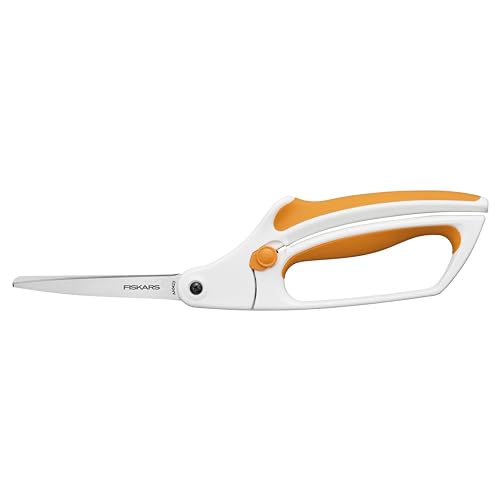
Sometimes a few practical changes are enough to make a favorite hobby easier.
Depending on the activity, useful adaptations may include:
For hand-intensive hobbies
- Larger or cushioned handles
- Ergonomic scissors
- Self-threading needles
- Non-slip mats
- Lightweight tools
- Larger craft materials
For reading
- E-readers
- Book stands
- Page-turning aids
- Audiobooks
- Adjustable lighting
For gardening
- Raised planters
- Long-handled tools
- Ergonomic garden tools
- Lightweight containers
- Kneeling or seated gardening options
For cooking
- Jar and bottle openers
- Easy-grip utensils
- Lightweight cookware
- Cutting aids
- Kitchen stools
For digital hobbies
- Stylus grips
- Voice-to-text tools
- Larger screens
- Adjustable text size
- Keyboard shortcuts
The goal is not to buy every adaptive product available. Start with the particular task that is difficult and look for a tool that addresses that specific problem.
How to Know When a Hobby Needs to Be Modified
A hobby may be enjoyable while still putting more stress on your joints than you realize.
Pay attention if you notice that an activity consistently causes:
- Increasing pain while participating
- Significant discomfort afterward
- Excessive fatigue
- Difficulty using your hands afterward
- Increasing swelling
- Numbness or unusual symptoms
That does not necessarily mean you have to give up the hobby.
Try modifying the activity first:
- Reduce the session length.
- Take more frequent breaks.
- Change your position.
- Use a larger or lighter tool.
- Reduce the size of the project.
- Eliminate the most demanding step.
- Alternate between different activities.
If symptoms continue or are concerning, talk with a healthcare professional about them.
You Don’t Have to Be Good at Your Hobby
A hobby does not have to produce something useful or impressive.
You can take photographs that never get printed. You can paint without displaying the result. You can grow a few plants instead of maintaining a large garden. You can read for 10 minutes instead of finishing an entire book.
The value of a hobby can simply be that you enjoy doing it.
That matters when arthritis has started making everyday activities feel more difficult.
Frequently Asked Questions
What are the best hobbies for someone with arthritis?
There is no single best hobby for everyone with arthritis.
Good choices are activities you enjoy that can be adapted to your joints, mobility, hand function, and energy level.
Reading, photography, gardening, swimming, gentle yoga, Tai Chi, music, crafts, journaling, and social groups are examples of activities with different physical demands.
Can hobbies help with arthritis symptoms?
Hobbies are not a treatment for arthritis, but enjoyable activities can provide recreation, social connection, creativity, relaxation, or opportunities for movement.
The effect will vary from person to person.
Choose activities because they are enjoyable and manageable rather than expecting a hobby to treat arthritis itself.
What are good hobbies during an arthritis flare?
During a flare, some people may prefer activities requiring less physical effort or repetitive hand movement.
Reading, audiobooks, music, meditation, photography from home, online communities, and planning creative projects are examples.
Your own symptoms should guide how much activity you do.
What hobbies are good if arthritis affects your hands?
Consider hobbies that require little gripping or fine finger movement, such as:
Photography
Audiobooks
Reading with an e-reader
Meditation
Birdwatching
Digital hobbies
Music listening
Online communities
You can also adapt hands-on hobbies with larger handles, thicker materials, or other assistive tools.
What hobbies can I do at home with arthritis?
Many hobbies can be done at home, including:
Reading
Audiobooks
Painting
Digital art
Crafts
Journaling
Cooking
Gardening
Music
Meditation
Photography
Online groups
The best choice depends on your physical abilities and interests.
What are some outdoor hobbies for people with arthritis?
Gardening, birdwatching, photography, and nature walks are examples.
Outdoor hobbies can often be modified by choosing shorter distances, accessible locations, nearby seating, raised garden beds, lightweight equipment, or activities that can be done from home.
Final Thoughts
Arthritis may change how you participate in a hobby, but it does not have to eliminate the things you enjoy.
The most useful approach is to adapt the activity rather than assuming you have to give it up.
Choose hobbies according to your joints, hand function, mobility, energy, and how you feel that day. Keep a few low-demand options available for difficult days, and modify more demanding hobbies when necessary.
Most importantly, choose activities because they bring something enjoyable into your life.
There is no requirement for a hobby to be productive, therapeutic, or impressive.
Sometimes, simply having something you look forward to is enough.
Related Reading
- 30 Arthritis-Friendly Crafts: Easy, Low-Strain Ideas for Sore or Stiff Hands
- Best Craft Tools for Arthritis
- Practical Tools for Daily Living With Arthritis
Medical Disclaimer: This article is for informational purposes only and does not constitute medical advice. Always consult your doctor, rheumatologist, or occupational therapist before making changes to how you manage your arthritis.
