
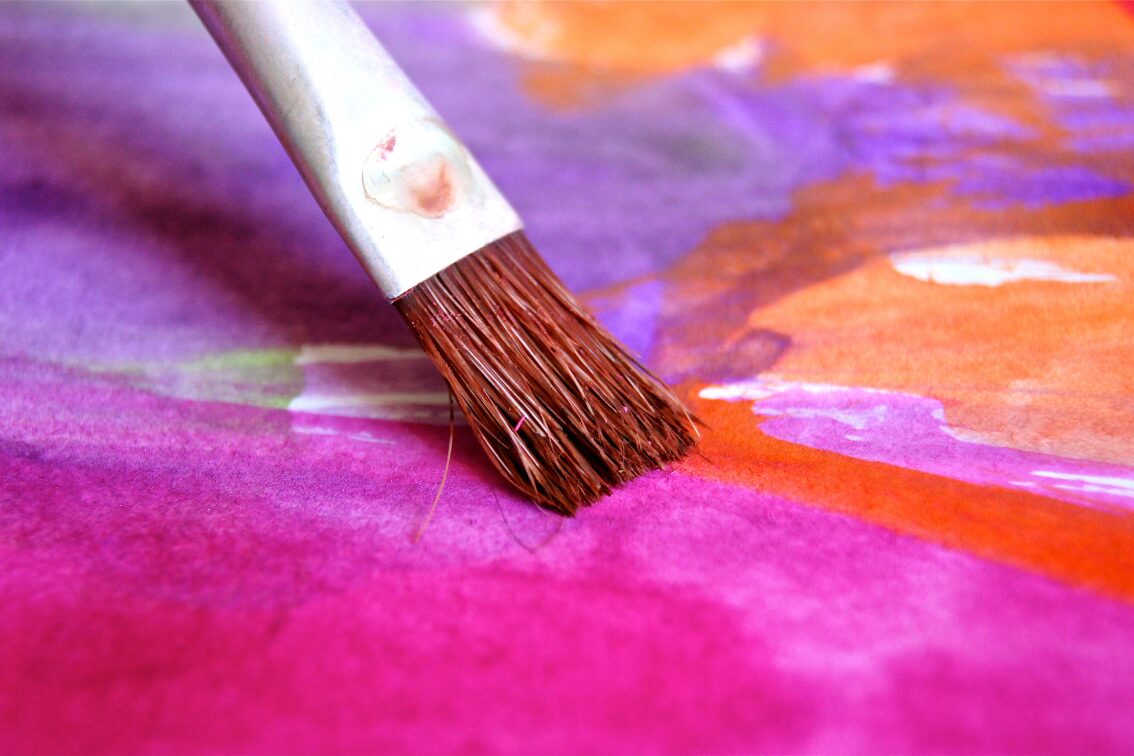
Crafting can be a rewarding way to spend time, but arthritis can make some familiar activities harder. Small tools, repetitive gripping, threading needles, cutting materials, or holding a paintbrush for a long time may put extra strain on painful or stiff hands.
That does not mean you have to give up crafting.
The key is to choose activities that match how your hands feel and then adapt the tools, materials, workspace, or technique when necessary. A craft that feels comfortable on one day may be frustrating during a flare, while another activity may be easier when your hands need a break.
This guide covers 30 crafts that can be adapted for different levels of hand comfort and energy, from very low-grip activities to more traditional crafts that can be made easier with the right tools.
Quick Answer: Which Crafts Are Easiest With Arthritis?
If gripping and fine finger movements are difficult, start with crafts that require less continuous hand pressure or allow you to use larger materials.
Some potentially easier options include:
- Digital art or coloring — minimal physical handling of materials
- Digital photography and editing — can be done with limited hand-intensive work
- Pressed flower art — relatively simple assembly
- Nature mandalas — uses larger natural materials rather than small components
- Large-paper origami — easier to handle than small paper folding
- Tablet coloring apps — can reduce the need to grip traditional coloring tools
- Silk flower arranging — can be adapted by choosing larger, easier-to-handle materials
- Decoupage — can be modified with larger pieces and easy-grip tools
- Painting with thick-handled brushes — easier for some people than narrow brushes
- Loop yarn weaving — avoids some of the fine movements required by traditional knitting
There is no single “best” craft for arthritis. The right choice depends on which joints are affected, how much gripping you can comfortably do, your energy level, and whether you are having a flare.
How We Organized These 30 Crafts
Instead of ranking the crafts from best to worst, we grouped them according to the amount and type of hand work they generally involve.
Very low hand demand
These activities can be useful when you want a creative project without a lot of repetitive gripping or fine finger work.
- Digital art and illustration
- Digital photography and editing
- Digital scrapbooking
- Tablet coloring apps
- Pressed flower art
- Nature mandalas
Low to moderate hand demand
These crafts still involve your hands, but larger materials or adapted tools can make them more manageable.
- Painting
- Stamping and card making
- Silk flower arranging
- Decoupage
- Large-paper origami
- Rock painting
- Simple loom weaving
- Loop yarn weaving
- Clay modeling with molds
More hand-intensive but adaptable
These traditional crafts can involve repetitive gripping, pinching, twisting, or fine finger movements. They may work well when your hands tolerate those movements, especially with modifications.
- Knitting
- Crochet
- Embroidery
- Jewelry making
- Macramé
- Basket weaving
- Pottery
- Latch hook
- Bead weaving
- Candle making
- Melt-and-pour soap making
- Magnetic model building
Important: “Arthritis-friendly” does not mean that an activity will be comfortable for everyone. If a craft causes increasing pain, swelling, numbness, or other concerning symptoms, stop and consider discussing the activity with a healthcare professional.
Why Keep Crafting When You Have Arthritis?
Crafting can provide more than a finished project. It can give you something enjoyable to focus on, encourage creativity, and provide a sense of accomplishment.
Depending on the activity, crafting may also provide opportunities for gentle hand movement or social connection.
However, the physical demands vary considerably. A craft involving repetitive gripping or pinching may be relaxing mentally while still being demanding on your hands.
That is why how you do the craft matters just as much as which craft you choose.
Before You Start: Make the Craft Easier on Your Hands
A few simple changes can make many crafts more manageable.
Warm up your hands if that feels comfortable
Some people find that gently warming their hands before an activity makes them feel more comfortable. A warm towel, warm water, or another comfortable source of warmth may be preferable to immediately beginning a detailed hand-intensive project.
Avoid temperatures that are uncomfortably hot.
Choose larger handles
Thin paintbrushes, crochet hooks, scissors, and other tools can require a tighter grip.
Tools with larger, cushioned, or ergonomic handles may allow you to hold them with less finger flexion.
Reduce repetitive movements
If possible, alternate tasks rather than performing the same hand movement continuously.
For example, switch between cutting, arranging, planning, and assembling instead of spending a long period doing only one repetitive motion.
Take breaks before your hands become exhausted
You do not need to wait until your hands hurt before taking a break.
Try shorter crafting sessions and adjust the length according to how your hands respond.
Set up your workspace carefully
Keep frequently used supplies within easy reach and work at a comfortable height.
You may also benefit from a supportive chair, a non-slip work surface, or a raised work area that reduces the need to bend over your project.
Adapt the craft to the day you’re having
Your abilities can vary from day to day.
On a good day, you might enjoy knitting or jewelry making. On a day when your hands are particularly stiff or sore, digital photography, tablet coloring, or arranging pressed flowers may be a better fit.
30 Arthritis-Friendly Crafts to Try
1. Knitting With Ergonomic Needles
Knitting involves repeated movements of the fingers, hands, and wrists, so it may be challenging if you have significant hand stiffness.
However, some people find it more manageable with larger needles, ergonomic handles, or thicker yarn.
Key adaptation: Try larger needles and chunky yarn rather than small needles and fine yarn.
Best for: People who enjoy knitting and can tolerate repetitive hand movements.
2. Crochet With a Wide-Handled Hook
Traditional crochet hooks can be narrow and require a sustained grip.
A crochet hook with a wider handle may be easier to hold, particularly if gripping small objects is uncomfortable.
Thicker yarn can also reduce the amount of fine manipulation required.
Key adaptation: Choose a large, cushioned crochet handle and thicker yarn.
Best for: Crocheters who want to modify their existing hobby rather than give it up.
3. Painting With Thick-Handled Brushes

Painting can be adapted in several ways.
Instead of holding a thin brush tightly, try brushes with larger handles. You can also use foam brushes, larger painting surfaces, or painting techniques that require less detailed brushwork.
Key adaptation: Use thick-handled brushes and larger tools when fine gripping is difficult.
Best for: Creative projects when detailed finger movements are uncomfortable.
4. Stamping and Card Making
Rubber stamps, ink pads, decorative paper, and stickers can be used to create cards without requiring the detailed stitching or drawing involved in some other crafts.
Choose stamps that are easy to hold and avoid designs that require excessive cutting.
Key adaptation: Use larger stamps, pre-cut paper, stickers, and easy-grip scissors.
Best for: People who enjoy making gifts or greeting cards.
5. Stretch-Cord Jewelry Making
Traditional jewelry making can require considerable pinching and manipulation of tiny components.
Using stretch cord and larger beads can simplify the process.
Magnetic clasps can also make finished jewelry easier to put on and take off.
Key adaptation: Choose larger beads, stretch cord, and easy-to-use closures.
Best for: People who enjoy jewelry but find tiny clasps and components difficult.
6. Embroidery With Self-Threading Needles
Needlework can be challenging when finger dexterity or vision makes threading a needle difficult.
Self-threading needles can eliminate one frustrating step.
Larger embroidery designs and a hoop that is easy to secure may also reduce the need to manipulate the fabric constantly.
Key adaptation: Use self-threading needles and larger designs.
Best for: People who enjoy embroidery but struggle with threading or tiny components.
7. Macramé With Thick Rope
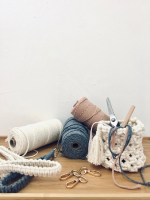
Macramé involves repeated knotting, pulling, and gripping.
Using thicker cord can make the knots easier to handle than very fine cord.
A stable work surface can also reduce the amount of force needed to hold the project in place.
Key adaptation: Start with thick rope and a small project.
Best for: People who enjoy repetitive, rhythmic projects and can tolerate some hand work.
8. Basket Weaving
Basket weaving can involve bending, pulling, twisting, and gripping materials.
Flexible reeds or other easier-to-handle materials may be preferable to stiff materials.
Because the physical demands can vary considerably between projects, start small.
Key adaptation: Choose flexible materials and a smaller basket.
Best for: People who want a hands-on project and can manage moderate hand activity.
9. Pottery With an Electric Wheel
Pottery is not automatically easy on arthritic hands. Working with clay can involve pressure, gripping, and repetitive hand movements.
An electric pottery wheel may be an option for people who enjoy ceramics and can tolerate the physical demands.
Using molds or other techniques can reduce some of the hand-intensive work.
Key adaptation: Consider molds and smaller projects instead of demanding hand-building techniques.
Best for: People interested in pottery who can comfortably manage the required hand pressure.
10. Latch Hook Rug Making
Latch hook uses repeated movements to attach yarn to a mesh backing.
The tools and materials are relatively simple, but the repetitive nature of the activity can still be tiring for some hands.
Choose a smaller design rather than starting with a large rug.
Key adaptation: Start with a small project and take frequent breaks.
Best for: People who enjoy repetitive crafts but need to control session length.
11. Silk Flower Arranging
Artificial flowers can be easier to work with than some delicate natural materials because they can be reused and arranged at your own pace.
Choose larger stems and containers that are easy to handle.
Key adaptation: Use lightweight containers and larger flower stems.
Best for: A decorative project with less fine-detail work.
12. Simple Loom Weaving
Loom weaving can provide a structured way to create scarves, wall hangings, or other decorative projects.
A larger loom and thicker yarn can make the materials easier to handle.
Key adaptation: Start with a simple loom and thicker yarn.
Best for: People who like textile crafts but want an alternative to knitting or crochet.
13. Digital Art and Illustration
Digital drawing can eliminate many of the physical tasks involved in traditional art.
A tablet and stylus still require some hand movement, but you can adjust the grip, enlarge the screen display, and use software features instead of repeatedly handling paper, paint, or small tools.
Key adaptation: Use a comfortable stylus grip and enlarge the display when needed.
Best for: Creative work when handling traditional art supplies is difficult.
14. Digital Photography and Editing
Photography can be adapted to minimize physical strain.
You do not necessarily need to carry a large camera or travel long distances. You can photograph objects around your home, take close-up nature photos, or use a smartphone and edit the images afterward.
Key adaptation: Use a lightweight camera or smartphone and photograph subjects close to home.
Best for: Creative expression with relatively little hand-intensive crafting.
15. Digital Calligraphy and Lettering
Traditional calligraphy often requires controlled pressure and repetitive hand movements.
Digital lettering lets you experiment with fonts, brushes, and lettering effects without repeatedly handling traditional pens.
Key adaptation: Use a tablet or computer and choose tools that require minimal grip pressure.
Best for: People interested in lettering who find traditional pens difficult to hold.
16. Digital Scrapbooking
Digital scrapbooking replaces paper, scissors, glue, and small embellishments with software.
You can combine photographs, backgrounds, text, and decorative elements on a tablet or computer.
Key adaptation: Use templates and drag-and-drop elements rather than creating every component manually.
Best for: Scrapbooking enthusiasts who want a lower-hand-demand alternative.
17. Tablet Coloring Apps
Coloring does not have to involve pencils or markers.
A tablet coloring app can provide a similar creative experience without requiring you to grip a coloring tool continuously.
Key adaptation: Use a larger stylus or your finger, depending on what feels most comfortable.
Best for: Low-effort creative sessions, particularly when traditional tools are difficult to handle.
18. Rock Painting
Painting larger objects can sometimes be easier than working on tiny craft pieces.
Choose smooth rocks that are large enough to hold comfortably, and use thick-handled brushes or paint markers with comfortable grips.
Key adaptation: Choose larger rocks and tools that are easy to grip.
Best for: Simple decorative projects that can be completed in short sessions.
19. Pressed Flower Art
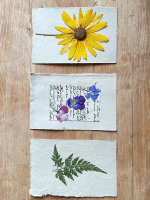
Pressed flowers can be arranged into cards, pictures, bookmarks, or framed artwork.
The activity can involve some fine placement, but larger flowers and simple arrangements can reduce the amount of detailed manipulation.
Key adaptation: Start with larger flowers and a simple design.
Best for: A quiet craft that can be done in short sessions.
20. Mini Terrariums
Terrariums combine plants, containers, stones, and decorative elements.
Small terrariums can require precise placement, so choose a larger container if handling tiny pieces is difficult.
Key adaptation: Use a wide-mouth container and larger decorative materials.
Best for: People who enjoy plants and hands-on creative projects.
21. Pressed Leaf Framing
Pressed leaves can be arranged into simple artwork and displayed in a frame.
Unlike some detailed crafts, the design can be kept simple and completed gradually.
Key adaptation: Use larger leaves and a larger frame to reduce fine-detail work.
Best for: Nature lovers who want a simple decorative project.
22. Nature Mandalas
Collect leaves, flowers, pinecones, stones, or other natural materials and arrange them into a temporary pattern.
This craft can be done indoors or outdoors and does not require specialized equipment.
Key adaptation: Use larger materials that are easy to pick up and arrange.
Best for: A flexible activity when you want creativity without complicated tools.
23. Decoupage
Decoupage involves decorating an object with pieces of paper or fabric.
You can make the activity easier by using larger pieces and avoiding intricate cutting.
Key adaptation: Choose pre-cut decorative pieces or larger patterns instead of tiny shapes.
Best for: Decorating boxes, containers, frames, and other household objects.
24. Origami With Large Paper

Traditional origami can require considerable finger dexterity.
Large sheets of paper and simpler designs can make folding easier to manage.
Key adaptation: Use oversized paper and beginner-level designs.
Best for: People who enjoy paper crafts and want to experiment with different levels of difficulty.
25. Candle Making With Pourable Wax
Candle making can involve several steps, including measuring, melting, pouring, and adding fragrance or decorative elements.
The process can be adapted by choosing simple containers and minimizing small components.
Key adaptation: Use larger containers and straightforward designs rather than intricate decorative work.
Best for: People who enjoy making useful or decorative items.
Safety note: Melted wax and hot containers can cause burns. Follow the manufacturer’s safety instructions and use appropriate equipment.
26. Bead Weaving on a Loom
Traditional beadwork can require a great deal of pinching and manipulation of small pieces.
A bead loom can provide a more structured way to create patterns, although it still requires fine motor control.
Larger beads may be easier to handle than very small ones.
Key adaptation: Choose larger beads and simple patterns.
Best for: People who enjoy detailed crafts and can comfortably manage small materials.
27. Clay Modeling With Silicone Molds
Working clay by hand can require squeezing, rolling, pressing, and shaping.
Silicone molds can reduce some of the repeated shaping required for a project.
Key adaptation: Use molds rather than relying entirely on hand shaping.
Best for: Creative projects when you want to work with clay while limiting repetitive manipulation.
28. Magnetic Model Building
Magnetic construction sets can provide a creative building activity without requiring glue or complicated fasteners.
Choose larger pieces that are easy to pick up and manipulate.
Key adaptation: Look for larger pieces and simple designs.
Best for: People who enjoy building but find tiny model parts difficult to handle.
29. Loop Yarn Weaving
Loop yarn can allow you to create scarves, blankets, and other projects without traditional knitting needles or crochet hooks.
The larger loops can be easier for some people to handle than fine yarn and small tools.
Key adaptation: Choose bulky loop yarn and start with a small project.
Best for: People interested in textile crafts who find traditional knitting or crochet tools difficult.
30. Melt-and-Pour Soap Making
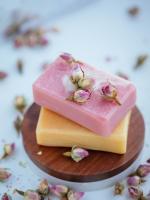
Melt-and-pour soap allows you to create bars using prepared soap bases rather than making soap entirely from scratch.
You can use simple molds and avoid some of the more complicated steps involved in traditional soap making.
Key adaptation: Choose larger molds and simple designs that do not require detailed decoration.
Best for: People who enjoy practical crafts and making items they can use or give as gifts.
Safety note: Melted soap base can be hot. Follow the product instructions and handle heated materials carefully.
Crafts to Try When Your Hands Are Having a Good Day
If your hands are feeling relatively comfortable, you may be able to enjoy crafts involving more gripping or repetitive movements.
Consider:
- Knitting
- Crochet
- Embroidery
- Macramé
- Basket weaving
- Bead weaving
- Pottery
- Latch hook
- Jewelry making
- Loom weaving
That does not mean you need to avoid these crafts during other times. Instead, adjust the project to your current abilities.
A smaller knitting project may be more manageable than a large blanket. A simple jewelry design may be easier than working with tiny clasps. A small basket may be easier than a large one.
Crafts for Days When Your Hands Need a Break
When your hands are particularly stiff, sore, or tired, consider activities that reduce gripping and repetitive finger movements.
Options include:
- Digital photography
- Digital scrapbooking
- Digital art
- Tablet coloring
- Pressed flower art
- Nature mandalas
- Watching or planning a photography project
- Simple arranging projects
- Audiobooks combined with creative planning or inspiration
You can also turn a hands-on hobby into a lower-demand activity.
For example, instead of completing a complicated craft, you might:
- Sort your existing supplies
- Choose colors for a future project
- Organize photographs
- Plan a card design
- Watch a crafting tutorial
- Prepare materials for another day
You are still participating in your hobby without requiring the same amount of hand work.
The Craft Tool Changes That Can Make the Biggest Difference
Sometimes the craft itself is not the main problem. The tool is.
A narrow handle may force you to grip tightly. Tiny components may require precise pinching. A tool that slips can make you use even more hand pressure.
Useful adaptations can include:
Ergonomic crochet hooks and knitting needles
Larger or cushioned handles may make tools easier to hold.
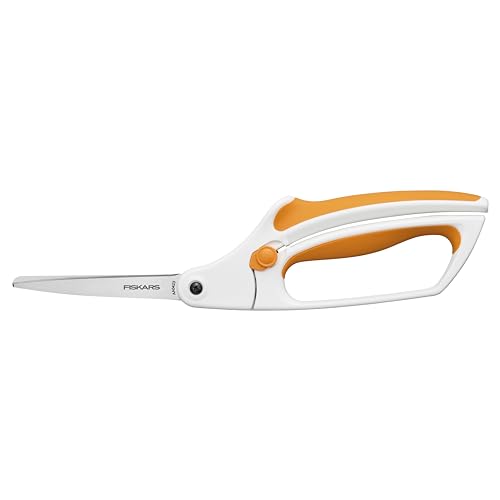
Spring-loaded scissors
These can reduce the repeated force required to reopen the scissors after each cut.
Thick-handled paintbrushes
A larger handle can be easier to grip than a thin brush.
Self-threading needles
These can eliminate one of the more difficult steps in embroidery and sewing.
Magnetic jewelry clasps
These can be easier to manipulate than very small traditional clasps.
Non-slip mats
A non-slip surface can help keep materials in place so you do not have to hold them as firmly.
For more ideas, see our guide to Best Craft Tools for Arthritis.
How to Choose a Craft Based on Your Arthritis
Rather than asking, “What is the best craft for arthritis?” it may be more useful to ask:
What kind of hand activity can I comfortably do today?
If gripping is difficult
Look for:
- Digital crafts
- Tablet coloring
- Photography
- Digital scrapbooking
- Larger-handled tools
- Larger craft materials
If fine finger movements are difficult
Try:
- Larger beads
- Large paper
- Larger brushes
- Simple designs
- Silicone molds
- Pre-cut materials
- Larger flowers and natural materials
If repetitive movement bothers your hands
Consider:
- Shorter sessions
- Alternating activities
- Digital crafts
- Planning and designing
- Larger projects broken into smaller steps
If you are dealing with a flare
You may want to temporarily reduce activities that require repeated gripping, pinching, twisting, or pressing.
Choose a craft that lets you participate without pushing through worsening symptoms.
If you want to keep a favorite hobby
You do not necessarily have to replace it.
Instead, ask:
- Can I use a larger tool?
- Can I use thicker materials?
- Can I make a smaller project?
- Can I eliminate one difficult step?
- Can I use a stand, clamp, or non-slip mat?
- Can I take more frequent breaks?
- Can someone else help with the most difficult step?
Small changes can sometimes make a familiar hobby more manageable.
What If a Craft Starts Hurting?
A little effort and increasing pain are not necessarily the same thing.
If a craft consistently causes worsening pain or other concerning symptoms, stop and reconsider the activity.
Try changing one variable at a time:
- Use a larger or more comfortable tool.
- Reduce the size of the project.
- Use larger materials.
- Shorten the session.
- Take more frequent breaks.
- Change your working position.
- Switch to a different activity.
If you regularly experience significant pain, swelling, numbness, weakness, or other symptoms while using your hands, consider discussing the problem with a healthcare professional or occupational therapist.
Frequently Asked Questions
What are the easiest crafts for people with arthritis?
There is no single easiest craft for everyone, but activities that reduce gripping and fine finger movements may be easier for some people.
Digital art, photography, digital scrapbooking, tablet coloring, pressed flower art, and nature-based projects are examples.
The easiest option for you depends on which joints are affected and how your hands feel while doing the activity.
Is crochet or knitting better for arthritis?
Neither is universally better.
Both involve repetitive hand and finger movements, but the tools and techniques are different. Some people may find ergonomic crochet hooks easier to hold, while others may prefer larger knitting needles and thicker yarn.
If one activity causes discomfort, try changing the tool size, yarn thickness, project size, or session length before deciding that the entire craft is unsuitable.
How long should I craft if I have arthritis?
There is no universal time limit that works for everyone.
Start with a manageable amount of time and pay attention to how your hands respond during and after the activity. Shorter sessions with breaks may be easier than one long session.
Your comfortable duration may also change from day to day.
Can I craft during an arthritis flare?
You may be able to continue with some activities, but you may need to change what you do.
During a flare, consider activities requiring less gripping, pinching, or repetitive hand movement. Digital crafts, photography, planning a project, or simple arranging activities may be alternatives to detailed handwork.
If an activity increases your symptoms, stop rather than trying to push through it.
What craft tools are most helpful for arthritis?
Useful tools depend on the craft and the specific hand movements that are difficult for you.
Common adaptations include:
Larger handles
Cushioned grips
Spring-loaded scissors
Self-threading needles
Magnetic clasps
Non-slip mats
Larger craft materials
Lightweight tools
The goal is not simply to buy an “arthritis-friendly” tool. Look at which movement is causing the problem and choose an adaptation that addresses it.
Can crafting help with stress when you have arthritis?
Crafting can be an enjoyable and absorbing activity, and some people find creative hobbies relaxing or helpful for taking their attention away from everyday concerns.
However, crafting is not a treatment for arthritis pain or a substitute for medical care.
Choose activities that you enjoy and that fit your physical abilities.
Final Thoughts
Having arthritis does not mean you have to give up the crafts you enjoy.
You may need to change the tools, materials, project size, or amount of time you spend crafting. You may also find that your ideal activity changes depending on how your hands feel that day.
The most useful approach is to match the craft to your current abilities rather than forcing your hands to match the craft.
Start with a manageable project, use easier-to-grip tools, take breaks, and make the activity work for you.
For more ideas, see Best Craft Tools for Arthritis and Arthritis-Friendly Hobbies: 20 Gentle Activities for Joy & Wellness.
Medical Disclaimer: This article is for informational purposes only and does not constitute medical advice. Always consult your doctor, rheumatologist, or occupational therapist before making changes to how you manage your arthritis.
