
Disclosure: As an Amazon Associate, Arthritis Wares earns from qualifying purchases at no extra cost to you. We are not paid or sponsored by any manufacturer. Affiliate links help support our work.
Crafting can be enjoyable, but arthritis can make some tools harder to use. Small handles, tight pinching, repetitive squeezing, and fine-detail work may become uncomfortable when your fingers, hands, or wrists are stiff or sore.
The good news is that you don’t necessarily have to give up the crafts you enjoy. Changing the tools, materials, or way you work can make many activities easier to manage.
This guide focuses on craft tools for arthritis that can make common tasks easier to grip, hold, cut, paint, or manipulate. The goal isn’t to promise pain-free crafting. It’s to help you find practical tools that may be easier to use on days when your hands aren’t cooperating.
Quick Answer: What Are the Best Craft Tools for Arthritis?
The most useful craft tools for arthritis are often those that reduce the need for a tight pinch grip, repeated squeezing, or prolonged gripping.
Some examples include:
- Ergonomic crochet hooks with larger, easier-to-hold handles
- Ergonomic knitting needles that are easier to hold
- Loop yarn that can simplify some knitting or weaving projects
- Spring-loaded scissors that reopen automatically after each cut
- Lever-style paper cutters that reduce repeated scissor use
- Foam-handled paintbrushes for a larger, softer grip
- Grip sleeves that can increase the diameter of small tools
- Magnetic jewelry clasps that can be easier to manipulate than tiny clasps
- Easy-grip jewelry pliers for projects that require small tools
- Stretch cord that can eliminate some of the need to work with tiny fasteners
- Silicone molds for crafts where shaping material by hand is difficult
- Adjustable tablet stands for digital crafting or pattern viewing
The right choice depends on which part of crafting is difficult for you. A person who struggles with finger pinching may benefit from different tools than someone who has difficulty holding a tool for a long time.
What to Look For in Craft Tools for Arthritis
The word “ergonomic” doesn’t automatically mean a tool will be easier for every person with arthritis. Look at the actual design and consider what your hands find difficult.
Larger Handles
Small craft tools can require your fingers to curl tightly around a narrow handle.
A larger handle may be easier to hold because it can reduce how tightly you need to wrap your fingers around the tool.
This can be particularly useful for:
- Crochet hooks
- Paintbrushes
- Scissors
- Pens and pencils
- Jewelry tools
- Crafting styluses
Grip sleeves can also increase the diameter of an existing tool without requiring you to replace everything you already own.
Reduced Pinching
Many craft activities require a precise pinch between the thumb and fingers.
If this is difficult, look for tools or materials that let you use a more relaxed grip or use larger movements.
Examples include:
- Magnetic clasps instead of tiny traditional clasps
- Stretch cord instead of some types of fasteners
- Larger craft components
- Tools with wider handles
- Stands that hold a device or pattern for you
Less Repeated Squeezing
Repeatedly squeezing scissors, pliers, or other hand tools can become tiring.
Spring-loaded or easy-action mechanisms can reduce some of the effort involved in repeatedly opening and closing a tool.
This doesn’t mean the tool will eliminate hand discomfort. It simply changes how the movement is performed.
Materials That Are Easier to Handle
Sometimes the easiest way to make a craft more manageable is to change the material rather than the tool.
For example:
- Thicker yarn may be easier to manipulate than very fine yarn.
- Larger beads may be easier than tiny beads.
- Pre-cut materials may eliminate repetitive cutting.
- Ready-made craft components can reduce fine-detail work.
- Loop yarn can simplify some projects.
Best Craft Tools for Arthritis
The following products cover several common crafting problems, from gripping crochet hooks to cutting paper and handling small jewelry components.
Best Craft Tools for Yarn and Fiber Projects
Yarn crafts can involve prolonged gripping and repetitive finger movements. Choosing larger handles or easier-to-manage materials may make a difference.
Ergonomic Crochet Hooks

A crochet hook with a larger handle can be easier to hold than a traditional narrow metal hook.
This type of design may be worth considering if you find yourself gripping a small crochet hook tightly or if the narrow handle becomes uncomfortable during longer projects.
Best for: Crocheters who want a larger handle than a traditional crochet hook.
What to consider: Handle size and shape matter. A grip that feels comfortable to one person may not feel comfortable to another.
Ergonomic Knitting Needles
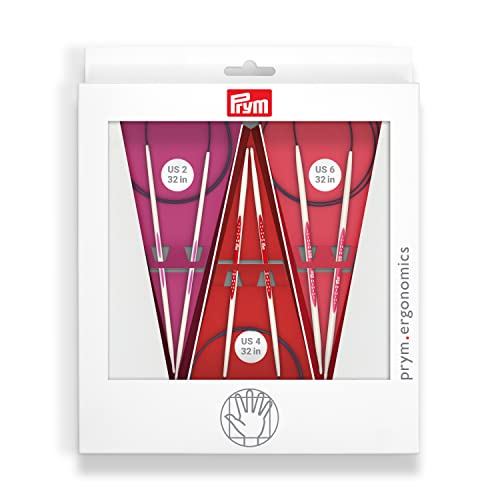
Circular knitting needles can be useful for projects where you want to avoid holding two separate long needles.
The ergonomic design may also be worth considering if traditional needle shapes are difficult for you to hold.
Best for: Knitters looking for an alternative to traditional knitting needles.
What to consider: Needle size, yarn weight, and the type of project you’re making still determine whether a particular needle is suitable.
Loop Yarn
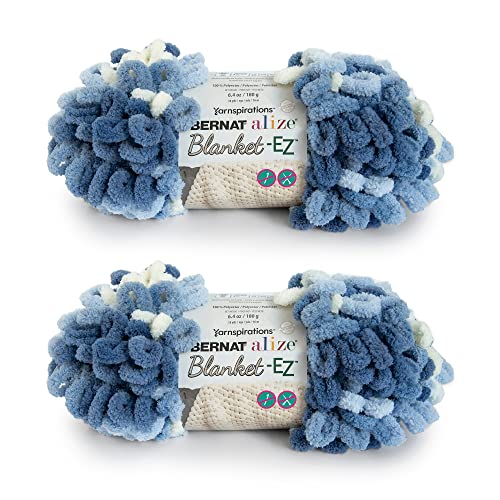
Loop yarn can be an interesting option when manipulating traditional knitting needles or crochet hooks is difficult.
Because the loops are already formed, some projects can be completed by working with the loops directly rather than repeatedly forming stitches with a needle.
Best for: People who want a simpler yarn-based project with less reliance on traditional knitting or crochet tools.
What to consider: Loop yarn is better suited to certain types of projects than others.
Best Craft Tools for Cutting and Paper Crafts
Cutting can become frustrating when repeated squeezing is difficult or when a project requires many small cuts.
Easy-Action Scissors
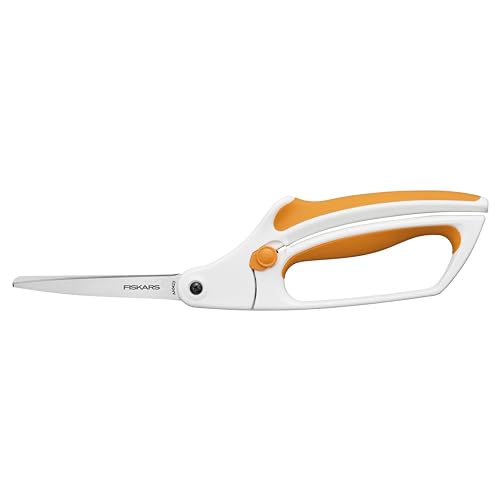
Spring-assisted scissors reopen after each cut, which can reduce the need to manually open the blades after every squeeze.
This may be useful if repeatedly opening and closing conventional scissors is one of the more difficult parts of your craft projects.
Best for: Fabric and other cutting tasks where repeated scissor use is tiring.
What to consider: Check the size and weight of the scissors and make sure they feel manageable in your hand.
Lever-Style Paper Cutter
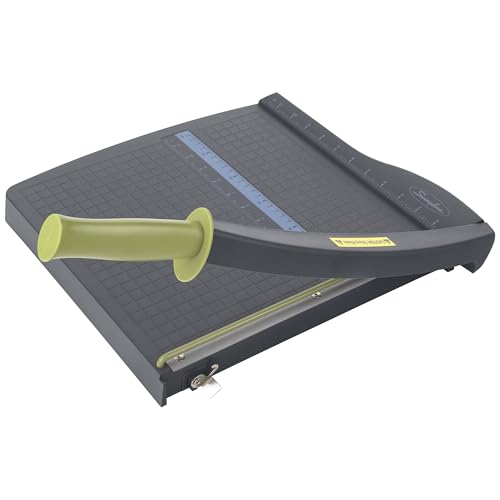
A paper cutter can be an alternative to repeatedly cutting sheets with scissors.
For card making, scrapbooking, and other paper crafts, a cutter may allow you to make straight cuts without repeatedly squeezing scissors.
Best for: Paper crafts involving repeated straight cuts.
What to consider: A paper cutter isn’t a replacement for scissors when you need curved or detailed cuts.
Pre-Cut Craft Kits
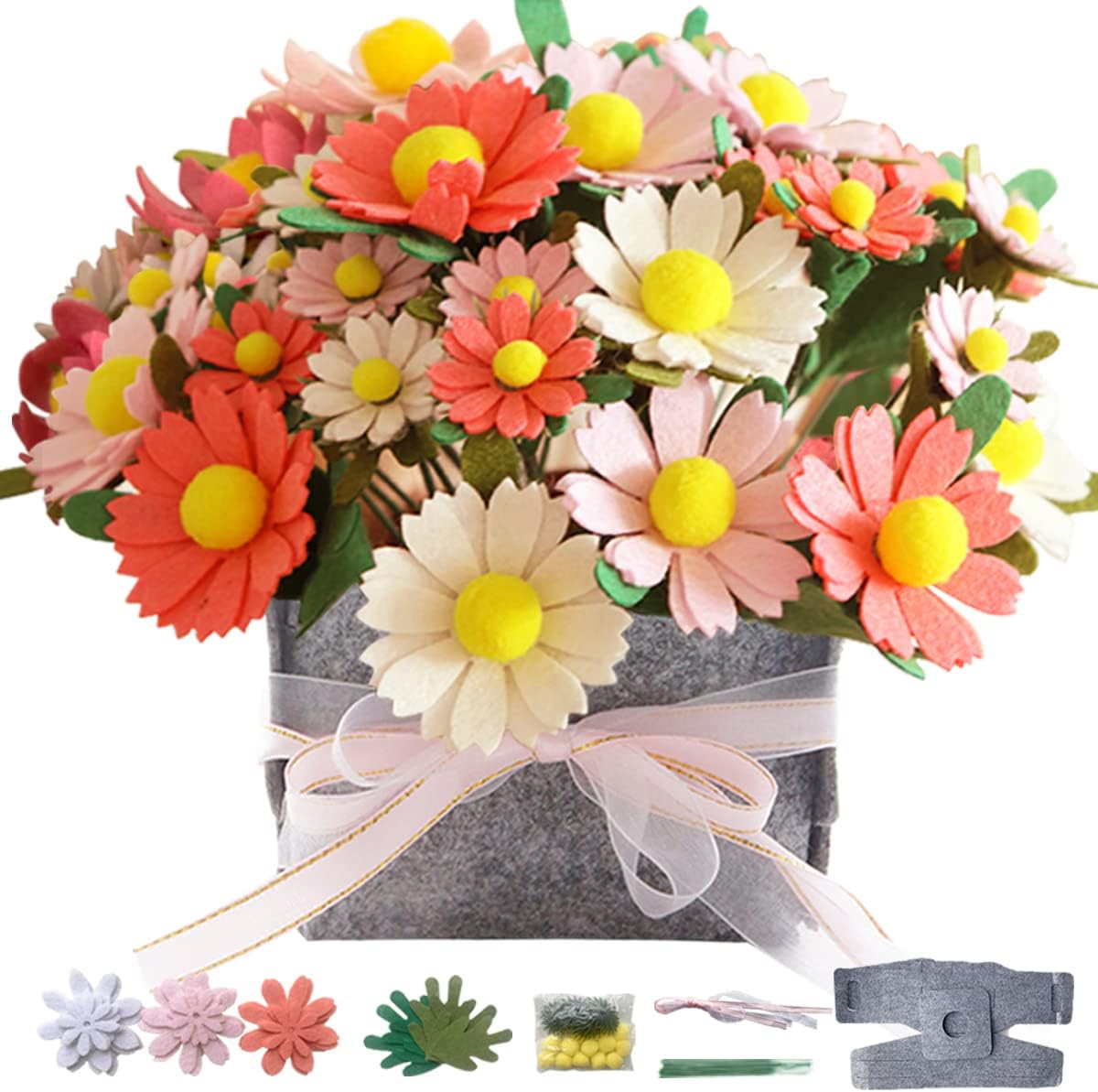
Pre-cut craft kits can remove some of the cutting and preparation work from a project.
That can be useful if preparing materials is more difficult than the creative part of the craft itself.
Best for: Crafters who enjoy assembling projects but want to reduce cutting and preparation.
What to consider: Check what parts are already prepared and what tasks you still need to complete.
Best Craft Tools for Painting and Drawing
Painting and drawing can involve holding a relatively small tool for an extended period.
A larger handle may be more comfortable than a thin brush or pencil, particularly if gripping narrow tools is difficult.
Foam Paint Brushes

Foam brushes generally have a wider surface area than very small detail brushes and can be useful for larger painting projects.
They may also be easier to work with when very precise brush control isn’t necessary.
Best for: Larger painting areas and simple craft projects.
What to consider: Foam brushes aren’t ideal for every type of painting, particularly detailed work.
Larger-Handled Paintbrushes

A variety of brush sizes gives you options for different projects.
When choosing brushes for arthritis-friendly crafting, pay attention to the handle rather than simply the number of brushes in the set. A handle that feels secure without requiring a tight grip may be preferable to a very thin brush.
Best for: Crafters who need different brush sizes for painting projects.
What to consider: You may find that only a few of the brushes in a large set are comfortable enough for regular use.
Grip Sleeves for Small Tools

A silicone grip sleeve can increase the diameter of a small tool.
This can be useful when you already own craft tools you like but find their narrow handles difficult to hold.
Instead of replacing every pen, brush, stylus, or other small tool, adding a grip may make some existing tools easier to manage.
Best for: Adapting tools you already own.
What to consider: Make sure the sleeve fits securely and doesn’t make the tool awkward to control.
Best Craft Tools for Jewelry Making
Jewelry making can be particularly demanding on the hands because it often involves tiny components, precise pinching, and small tools.
The goal isn’t necessarily to eliminate fine-detail work. Instead, you can look for ways to make the fiddliest steps easier.
Magnetic Jewelry Clasps

Small traditional jewelry clasps can be frustrating when finger dexterity is limited.
A magnetic clasp can provide an alternative that may be easier to connect and disconnect.
Best for: Jewelry makers who have difficulty manipulating tiny traditional clasps.
What to consider: Magnetic clasps come in different sizes and designs, so choose one appropriate for the jewelry you’re making.
Easy-Grip Jewelry Pliers

Pliers are useful for many jewelry projects, but their small handles can require a firm, precise grip.
An easy-grip design may make the tool more manageable, particularly when you’re working with wire or small components.
Best for: Jewelry projects that require cutting, bending, or manipulating wire.
What to consider: Different pliers perform different jobs. Choose the type based on the task rather than simply looking for the largest handle.
Stretch Cord

Stretch cord can simplify some jewelry projects by eliminating the need for certain clasps and closures.
For appropriate projects, you can create a bracelet or other piece by threading components onto the cord and using its stretch to help with fitting.
Best for: Simple stretch jewelry projects.
What to consider: Stretch cord isn’t appropriate for every jewelry design, particularly projects that require a rigid structure or specific type of closure.
Craft Tools for Mold-Based and Pour Crafts
Mold-based crafts can be useful when you want to create something without spending as much time on detailed shaping or hand manipulation.
They can also provide an alternative on days when fine-motor tasks are more difficult.
Melt-and-Pour Soap Base

Melt-and-pour soap making can reduce some of the hands-on shaping involved in traditional soapmaking.
Instead of making soap entirely from scratch, you work with a prepared base that can be melted and poured into molds.
Best for: Beginners and crafters interested in a relatively straightforward soap-making process.
What to consider: You still need to safely handle heated materials and containers.
Beginner Candle-Making Kit

A beginner candle-making kit can provide several of the materials needed for a candle project in one package.
Using a kit may reduce the amount of preparation and measuring you need to do yourself.
Best for: Beginners who want to try candle making without gathering every component separately.
What to consider: Candle making involves hot wax, so use appropriate precautions and choose a setup that doesn’t require more lifting or handling than you’re comfortable with.
Silicone Craft Molds

Silicone molds can simplify projects that would otherwise require shaping material by hand.
You pour or press the material into the mold and allow it to take the desired shape.
Best for: Soap, clay, resin, or other mold-based projects where a reusable shape is useful.
What to consider: Choose a mold that matches the material and project you’re making.
Digital Tools for Crafting
Not every craft requires a traditional physical tool.
Digital crafting, drawing, coloring, pattern viewing, photography, and other screen-based activities can provide alternatives when your hands need a break from repetitive physical work.
Adjustable Tablet Stand

A tablet stand can hold your device while you follow a pattern, watch a tutorial, read instructions, or work on a digital craft.
The main advantage is that your hands don’t have to hold the tablet throughout the activity.
Best for: Digital crafting, pattern viewing, tutorials, and other tablet-based activities.
What to consider: Look for a stable stand that can be adjusted to a comfortable viewing angle.
Lightweight Tripod

A tripod can be useful for photography, filming craft projects, or positioning a phone or camera without having to hold it continuously.
This can be particularly useful if holding a device for an extended period is tiring.
Best for: Photography, craft videos, tutorials, and hands-free device positioning.
What to consider: Make sure the tripod is compatible with the device you’re using and stable enough for the setup.
Which Craft Tool Should You Choose?
The best tool for you depends less on the word “ergonomic” and more on what part of the activity is difficult.
| If you struggle with… | Consider looking for… |
|---|---|
| Holding narrow tools | Larger handles or grip sleeves |
| Repeated squeezing | Spring-assisted or easy-action tools |
| Tiny clasps | Magnetic closures |
| Fine finger movements | Larger materials or simplified designs |
| Cutting repeatedly | Paper cutters or easy-action scissors |
| Holding a tablet | Adjustable tablet stand |
| Holding a camera or phone | Tripod |
| Manipulating traditional yarn tools | Loop yarn or larger-handled tools |
| Shaping materials by hand | Silicone molds |
| Preparing craft materials | Pre-cut kits |
You don’t need to change everything at once. Start with the part of a project that gives you the most trouble and see whether changing that one step makes the activity easier to manage.
What If a Craft Still Bothers Your Hands?
A different tool isn’t always the answer.
Sometimes the best adjustment is to change how long, how often, or how intensely you work.
Try:
- Working for shorter periods
- Taking regular breaks
- Switching between activities
- Using larger materials
- Preparing materials in advance
- Moving the project closer so you don’t have to reach
- Supporting your forearms while working
- Using a stand to hold instructions or devices
- Saving detailed projects for days when your hands feel better
If a particular movement consistently causes significant pain or other concerning symptoms, consider stopping that activity and discussing the problem with a healthcare professional.
Crafting During a Flare-Up
Your hands may not feel the same every day.
A project that is comfortable one day may be frustrating on another. Having a few lower-demand activities available can help you continue enjoying your hobbies without forcing yourself through a difficult session.
On a day when your hands are particularly stiff or sore, you might choose:
- Digital coloring
- Digital photography or editing
- Watching or organizing craft tutorials
- Planning a future project
- Simple collage work
- Nature photography
- Looking through patterns
- Projects using pre-cut materials
- Larger, easier-to-handle craft components
The goal is to adapt the activity to how your hands feel rather than assuming you have to complete the same type of project every day.
Common Mistakes When Choosing Craft Tools for Arthritis
Choosing Something Just Because It Says “Ergonomic”
“Ergonomic” is a useful starting point, but it doesn’t tell you whether a particular tool will work for your hands.
Look at the actual handle, mechanism, size, weight, and movement required.
Buying a Large Set When You Only Need One Comfortable Tool
A large set isn’t necessarily better.
If one particular tool is the part you use most, finding a comfortable version of that tool may be more useful than buying a large collection.
Focusing Only on Grip Size
A wider handle can help, but other factors matter too.
Consider:
- Weight
- Handle shape
- Required force
- Repetition
- Range of motion
- Whether the tool needs to be held continuously
Trying to Adapt the Entire Hobby at Once
You may only need to change one or two steps.
For example, if cutting is the problem, try easier-action scissors or a paper cutter before replacing all your other supplies.
Frequently Asked Questions
What are the best craft tools for arthritis in the hands?
Tools with larger handles, reduced squeezing requirements, spring-assisted mechanisms, or simpler controls can be worth considering. The best option depends on which movements are difficult for you.
Do ergonomic craft tools help with arthritis?
They may make certain tools easier to grip or use, but “ergonomic” doesn’t guarantee that a tool will be comfortable for everyone. Look at the specific design and match it to the movements that are difficult for you.
What craft tools are easier for stiff fingers?
Larger-handled tools, magnetic closures, pre-cut materials, stretch cord, and tools that reduce repetitive squeezing may be easier to manage than small, narrow tools.
What can I use instead of regular scissors?
Depending on the project, you could consider spring-assisted scissors or a paper cutter. A paper cutter works particularly well for repeated straight cuts but isn’t a replacement for scissors for every project.
How can I make crochet easier with arthritis?
Consider a crochet hook with a larger handle, use yarn that is easier to manipulate, and choose projects that don’t require very fine or repetitive movements. Taking breaks can also help prevent a long session from becoming uncomfortable.
Can I still craft if my hands hurt?
You may be able to continue crafting by changing the tools, materials, project, or length of your sessions. However, you shouldn’t feel that you have to push through significant pain to finish a project.
Related Reading
Arthritis-Friendly Crafts: 30 Easy, Low-Strain Ideas
Explore craft ideas that can be adapted for sore or stiff hands, including digital activities, painting, yarn crafts, and more.
Arthritis-Friendly Hobbies: 20 Gentle Activities for Joy & Wellness
A broader guide to hobbies that can be adapted around hand symptoms, mobility, energy, and other practical considerations.
Best Assistive Tools for Everyday Tasks With Arthritis
See tools designed to make common daily activities easier when gripping, reaching, opening, or carrying becomes difficult.
Final Thoughts
Arthritis doesn’t necessarily mean giving up the crafts you enjoy. Sometimes a relatively small change—a larger handle, an easier-action mechanism, a magnetic clasp, a tablet stand, or a different material—can make a frustrating step easier to manage.
Instead of looking for a tool that promises to eliminate discomfort, focus on what your hands are struggling to do and choose a tool that changes that specific task.
That approach can help you spend less time fighting with your equipment and more time enjoying the creative part of the hobby.
Practical tools. No hype.
Medical Disclaimer: This article is for informational purposes only and does not constitute medical advice. Always consult your doctor, rheumatologist, or occupational therapist before making changes to how you manage your arthritis.
