

Sleeping with arthritis can be frustrating. Just when you’re trying to settle down, joint pain, stiffness, or swelling can make it difficult to get comfortable. You may fall asleep in one position only to wake up because a hip, knee, shoulder, back, or hand is hurting.
The goal isn’t to find a perfect sleeping setup. It’s to reduce unnecessary pressure on painful joints, make your body comfortable, and make it easier to change positions when you need to.
This guide covers practical ways to make sleeping with arthritis easier, including sleeping positions, pillows, mattresses, heat, bedroom setup, nighttime routines, and ways to make getting out of bed easier in the morning.
Quick Answer: How Can You Sleep Better With Arthritis?
Start with the simplest changes first.
- Try a supported sleeping position. Side sleeping with a pillow between your knees or back sleeping with a pillow under your knees may be more comfortable.
- Support painful joints. Pillows can cushion your knees, hips, shoulders, neck, or arms.
- Check your mattress. A mattress that is too soft or too firm may make it harder to get comfortable.
- Use gentle heat before bed if it helps your stiffness. A warm shower, bath, or heating product may help you relax before bedtime.
- Keep bedding comfortable. Heavy blankets can be uncomfortable when joints are sensitive.
- Make the bedroom easier to navigate. Clear pathways and adequate lighting can make nighttime trips safer and easier.
- Don’t force one sleeping position. If a position becomes uncomfortable, change it.
- Look at the whole routine. What you do during the hour before bed—and how you get moving in the morning—can also affect how manageable the night feels.
For detailed instructions on positioning your body and using pillows, see Best Sleeping Positions for Arthritis Pain Relief.
Why Is Sleeping With Arthritis So Difficult?
The Vicious Cycle: Pain Disrupts Sleep ➔ Fatigue Rises ➔ Inflammation Spikes ➔ Pain Worsens
Arthritis can make sleep difficult for several reasons, and the problem isn’t always simply “pain.”
You may have to deal with:
- joint pain when you lie in one position
- stiffness after being still for a long time
- swelling or tenderness
- difficulty finding a comfortable position
- pressure from bedding on sensitive joints
- difficulty turning over in bed
- discomfort when getting in or out of bed
- waking during the night and struggling to get comfortable again
There can also be a frustrating cycle: a difficult night can leave you tired and less able to cope with discomfort the next day, while a painful or particularly active day can make the following night harder.
That makes improving your sleep environment worthwhile even when you can’t eliminate the underlying arthritis symptoms.
Start With Your Sleeping Position
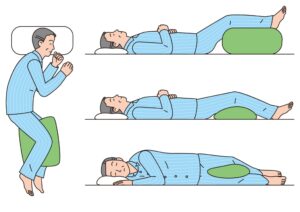
Your sleeping position is one of the easiest things to experiment with because it doesn’t require buying anything.
There isn’t one position that’s best for everyone with arthritis. Try to find one that feels supported and doesn’t put prolonged pressure on a painful joint.
Side Sleeping
Side sleeping can be comfortable for many people, especially when the legs and hips are supported.
Try placing a pillow between your knees. This can give the upper leg somewhere to rest and may make the hips and knees feel more comfortable.
If your shoulder feels unsupported, hugging a pillow can also give your upper arm somewhere to rest.
Back Sleeping
Back sleeping gives you an opportunity to distribute your body weight without putting direct pressure on one hip or shoulder.
If your legs feel uncomfortable when they’re completely straight, try placing a pillow under your knees.
Make sure your head pillow supports your neck without pushing your head too far forward.
Reclined Sleeping
Some people prefer a slightly elevated or reclined position rather than lying completely flat.
An adjustable bed or base can make it easier to experiment with different angles, although you can also try simple pillow arrangements first.
What About Stomach Sleeping?
You don’t automatically have to stop sleeping on your stomach if it’s comfortable and doesn’t cause problems.
However, stomach sleeping requires your head to remain turned to one side and may be uncomfortable for people who already have neck or back problems.
If you regularly wake with neck or back discomfort, try experimenting with side or back sleeping.
For the complete position-by-position guide, see Best Sleeping Positions for Arthritis Pain Relief.
Choose the Right Pillow Setup

Pillows aren’t just for your head. They can also act as positioning and cushioning tools.
Pillow Between the Knees
Useful for many side sleepers. It can provide cushioning between the knees and help support the upper leg.
Pillow Under the Knees
Useful for back sleepers who find a slight bend in their knees more comfortable.
Body Pillow
A full-length body pillow can provide support for your arms and legs at the same time. It can be especially useful if you tend to move your upper leg forward while side sleeping.
Pillow for the Upper Arm
If shoulder discomfort makes side sleeping difficult, try placing a pillow in front of your chest so your upper arm has somewhere to rest.
Cervical Pillow
A cervical or contoured pillow may help some people find a more comfortable neck position.
The most expensive pillow isn’t necessarily the best choice. Pillow height, shape, firmness, and your sleeping position all matter.
For more detailed pillow-buying guidance, see Best Pillows for Arthritis Pain Relief.
How to Choose a More Comfortable Mattress
Your mattress affects how much pressure your body experiences and how easily you can maintain a comfortable position.
Some people prefer a medium-firm mattress because it provides support without feeling excessively hard. Others are more comfortable on a softer or firmer surface.
Rather than assuming one firmness works for everyone, pay attention to what happens when you spend several hours on your current mattress.
Consider:
- Do your hips or shoulders feel like they’re sinking too far?
- Does the mattress create pressure points?
- Do you feel twisted or unsupported?
- Do you wake with more stiffness than when you went to bed?
- Is the mattress sagging in the middle?
If replacing the mattress isn’t practical, a mattress topper can be a less expensive way to experiment with changing the feel of your bed.
For more detailed information, see Best Mattress for Arthritis Pain Relief.
Keep Bedding Comfortable
Bedding can make a bigger difference than you might expect when joints are sensitive.
Avoid Excessive Weight
Heavy blankets can place uncomfortable pressure on the feet, ankles, knees, or other sensitive areas.
If that bothers you, try lighter bedding or use several lighter layers instead of one heavy blanket.
Consider Temperature
A bedroom that is too hot or too cold can make it harder to sleep.
Aim for a temperature that feels comfortable to you rather than trying to follow a rigid number.
Breathable sheets and lightweight bedding can help if you tend to overheat.
Make the Bed Easy to Use
If arthritis makes gripping or lifting difficult, consider bedding that is easy to pull back and rearrange.
Small changes can matter when you have to adjust the bedding several times during the night.
What About Heat Before Bed?
Some people find warmth relaxing when joints feel stiff before bedtime.
You might try:
- a warm shower
- a warm bath
- a heating pad or wrap used according to its instructions
- a heated blanket or mattress pad with appropriate safety features
The purpose is comfort and relaxation rather than treating the underlying arthritis.
If you use an electric heating product, follow the manufacturer’s safety instructions and avoid falling asleep with a product that isn’t designed for overnight use.
If heat makes your symptoms feel worse, don’t use it simply because it’s commonly recommended. Comfort is the goal.
Make Your Bedroom Easier to Navigate
Sleep problems aren’t limited to what happens while you’re lying in bed.
Getting up for the bathroom can be difficult when your joints are stiff, particularly during the night or first thing in the morning.
A few simple changes can make those trips easier:
- Keep pathways clear of clutter and cords.
- Remove loose rugs that can slide under your feet.
- Use a night-light or motion-activated light.
- Keep frequently used items within easy reach.
- Make sure the route to the bathroom is easy to navigate.
- Consider whether the height of your bed makes getting up unnecessarily difficult.
For more ideas, see Arthritis-Friendly Home Modifications.
Should You Use a Bed Rail or Bedside Support?

If getting in and out of bed is difficult, a properly installed support device may make the movement easier.
Options include:
- bed rails
- bedside grab bars
- stand-assist devices
- adjustable bed bases
These aren’t necessary for everyone. If you do use one, choose equipment appropriate for your bed and use it according to the manufacturer’s instructions.
For more help with getting up from a chair or bed, see Stand Assist Aids for Arthritis.
Build a Simple Nighttime Routine
A complicated bedtime routine isn’t necessary. A few consistent habits may make it easier to transition from daytime activity to sleep.
Give Yourself Time to Wind Down
Try to avoid going directly from a stressful or physically demanding activity into bed.
Instead, give yourself some quiet time to relax.
Try Gentle Movement
If stiffness tends to build up when you become inactive, gentle movement before bed may feel better than immediately lying down.
This could be a few comfortable stretches, range-of-motion movements, or a short walk around the house.
Avoid movements that increase pain.
Use Heat If It Helps
If warmth feels good on stiff joints, incorporate a warm shower, bath, or appropriate heating product into your evening routine.
Reduce Bright Screens
If you find that phones, tablets, or television keep you alert, try reducing screen use before bed and switching to a quieter activity.
The goal isn’t to create a perfect bedtime routine. It’s to find a routine you can realistically repeat.
What You Do During the Day Can Affect Your Night
Better sleep doesn’t begin when you climb into bed.
Regular, manageable physical activity can help you maintain mobility and may make it easier to settle at night. Walking, swimming, water exercise, and other low-impact activities are examples many people with arthritis use.
Pacing is important too. If you have a particularly active day, you may notice more discomfort later that evening.
Instead of trying to do everything on a good day, spreading activities throughout the week may make it easier to manage your energy and symptoms.
If you notice a consistent relationship between a particular activity and nighttime discomfort, make a note of it. That information can help you identify patterns.
What If Arthritis Pain Wakes You During the Night?

If you wake because a joint hurts, don’t feel that you have to remain in the same position.
Try:
- Changing position.
- Adjusting or adding pillow support.
- Removing pressure from the painful joint.
- Taking a few slow, comfortable movements if stiffness is the problem.
- Using your usual nighttime comfort strategy if you have one.
If you repeatedly wake at the same time because of pain, swelling, or another symptom, consider discussing that pattern with your healthcare professional.
Making the Morning Easier
For many people with arthritis, the difficult part isn’t only falling asleep. Getting out of bed in the morning can be just as challenging.
Keep frequently used items within easy reach and give yourself time to move rather than rushing immediately out of bed.
Depending on your needs, helpful tools may include:
- bed rails or stand-assist devices
- easy-grip clothing and dressing aids
- slip-on shoes
- grab bars
- non-slip bathroom surfaces
- heated gloves or other warming products
A few minutes of gentle movement may also help you transition from lying down to normal morning activity.
For more ideas, see How to Reduce Morning Joint Stiffness.
A Simple Arthritis Sleep Checklist
Before bed
- Choose a comfortable sleeping position.
- Place a pillow between or under your knees if helpful.
- Check that your head and neck are comfortably supported.
- Use lighter bedding if heavy blankets bother your joints.
- Try warmth before bed if it helps stiffness.
- Give yourself some quiet time to wind down.
- Keep pathways to the bathroom clear.
- Turn on a night-light or motion-activated light.
During the night
- Change positions when you become uncomfortable.
- Adjust your pillows rather than simply tolerating pressure.
- Keep frequently used items within easy reach.
- Avoid getting up in a dark or cluttered room.
In the morning
- Take your time getting out of bed.
- Use a bed rail or stand-assist device if appropriate for your needs.
- Try gentle movement before starting demanding activities.
- Use easy-to-grip items for the first part of your morning if your hands are stiff.
Frequently Asked Questions
What is the best way to sleep with arthritis?
There isn’t one sleeping position that works for everyone. Side sleeping with a pillow between the knees and back sleeping with a pillow under the knees are two options worth trying. The most useful position is the one that keeps you comfortable and doesn’t put unnecessary pressure on painful joints.
Why does arthritis hurt more at night?
Nighttime can make joint discomfort more noticeable because you’re lying still for longer periods and there are fewer daytime activities to distract you from discomfort. Stiffness, swelling, and pressure from your sleeping position can also contribute.
Is it better to sleep on a firm mattress if you have arthritis?
Not necessarily. Mattress preference varies from person to person. Some people prefer medium-firm support, while others are more comfortable on a softer or firmer surface. The important question is whether your mattress allows you to remain comfortable and supported.
Should I sleep with a pillow between my knees?
If you sleep on your side, a pillow between your knees can provide cushioning and support the position of your legs. If it makes your hips or knees uncomfortable, adjust the pillow height or try another arrangement.
Can heat help before bed?
Some people find gentle warmth relaxing when joints feel stiff. A warm bath, shower, or appropriately used heating product may be worth trying if heat feels comfortable for you.
Are weighted blankets good for arthritis?
It depends on the person. Some people enjoy the feeling of a weighted blanket, while others find the extra pressure uncomfortable on sensitive joints. If you want to try one, consider whether the weight makes it easier or harder to move and get comfortable.
Should I wear a brace while sleeping?
Some people use braces or compression products at night, but they aren’t appropriate for everyone or for every joint problem. A brace should not cause numbness, tingling, significant discomfort, or restricted circulation. If you’re unsure whether an overnight brace is appropriate, ask a healthcare professional.
What should I do if arthritis keeps waking me up?
Look for patterns. Note which joint hurts, what position you were sleeping in, whether swelling is present, and whether anything helps you become comfortable again.
Try adjusting your sleeping position, pillow support, bedding, or nighttime routine. If pain regularly disrupts your sleep, discuss it with your healthcare professional rather than simply accepting poor sleep as unavoidable.
Related Arthritis Sleep Guides
For more specific help, see:
- Best Sleeping Positions for Arthritis Pain Relief
- Best Pillows for Arthritis Pain Relief
- Best Mattress for Arthritis Pain Relief
- Best Adjustable Beds for Arthritis
- Relieve Arthritis Pain at Night
- How to Reduce Morning Joint Stiffness
Key Takeaways
Sleeping with arthritis isn’t about finding one perfect position or buying a completely new bedroom setup.
Start with the basics:
- Find a sleeping position that doesn’t put unnecessary pressure on painful joints.
- Use pillows to support your knees, hips, shoulders, or neck.
- Make sure your mattress and bedding are comfortable.
- Try gentle warmth before bed if it helps your stiffness.
- Make nighttime movement around your bedroom easier and safer.
- Give yourself time to move in the morning.
- Pay attention to patterns when pain repeatedly interrupts your sleep.
Small changes can sometimes make the difference between spending the night constantly searching for a comfortable position and having a more manageable night.
Medical Disclaimer: This article is for informational purposes only and does not constitute medical advice. Always consult your doctor, rheumatologist, or occupational therapist before making changes to how you manage your arthritis.
