
Disclosure: As an Amazon Associate, Arthritis Wares earns from qualifying purchases at no extra cost to you. We are not paid or sponsored by any manufacturer. Affiliate links help support our work.
If arthritis makes your hands or feet stiff, sore, or difficult to move, warm paraffin therapy can be a simple way to add heat to your routine.
A paraffin bath warms melted wax to a comfortable therapeutic temperature. You briefly dip your hand or foot into the wax several times, allowing a coating to build up around the area. The wax holds warmth against the skin while you relax.
Research suggests paraffin therapy can reduce pain and improve some measures of hand function, particularly in people with hand conditions such as osteoarthritis. The evidence is promising but not extensive, so it’s best viewed as a way to manage symptoms rather than a treatment that changes the underlying arthritis.
This guide explains what paraffin baths can and cannot do, who should be cautious with them, how to use one safely, and what to look for when choosing a machine for arthritic hands or feet.
Quick Answer: Are Paraffin Wax Baths Good for Arthritis?
They can be useful for temporary relief of hand or foot stiffness and discomfort, particularly when warmth makes movement easier.
A 2023 systematic review and meta-analysis of randomized controlled trials found that paraffin bath therapy reduced pain and improved some measures of hand function. The American College of Rheumatology and Arthritis Foundation also conditionally recommend paraffin as a heat-therapy option for people with hand osteoarthritis.
The evidence does not mean paraffin works for everyone or that it treats the underlying cause of arthritis.
Think of a paraffin bath as a heat-therapy tool for symptom management.
Paraffin May Be Especially Useful If:
- Your hands feel stiff when you wake up
- Warmth makes your fingers easier to move
- Cold weather makes your hands uncomfortable
- You have hand osteoarthritis and want another heat option
- You prefer a reusable home treatment rather than disposable heat packs
- Dry skin is an additional concern
It May Not Be a Good Choice If:
- You have reduced sensation in the area
- You have open cuts, sores, or damaged skin
- You have an active skin infection
- You cannot safely judge whether the wax feels too hot
- Your healthcare professional has advised you to avoid heat
What Is a Paraffin Wax Bath?
A paraffin bath is a small appliance that melts specially formulated paraffin wax and keeps it within a controlled temperature range.
For a typical hand treatment, you:
- Melt the wax in the machine.
- Slowly dip your clean, dry hand into the warm wax.
- Remove it and allow the wax to firm slightly.
- Repeat the dipping process several times.
- Cover the wax-coated hand with a plastic liner and insulated mitt if supplied.
- Leave the wax in place for the manufacturer’s recommended treatment time.
- Peel the cooled wax away when finished.
The wax creates an insulating layer that holds warmth against your skin.
The important point is that paraffin provides moist heat and insulation around the hand or foot. It does not need to penetrate deeply into the joint to be useful.
What Can Paraffin Therapy Do for Arthritis?
The best-supported reason to use paraffin is temporary symptom relief and easier movement.
It May Reduce Pain
Research on hand conditions has found reductions in pain following paraffin bath therapy.
A 2023 systematic review and meta-analysis of randomized controlled trials found that paraffin bath therapy reduced pain in people with hand conditions. In the osteoarthritis subgroup, it also improved measures including grip and pinch strength. However, the review included only five studies and noted that the studies were relatively small and heterogeneous.
That makes paraffin a reasonable option to try, but not something that should be presented as a guaranteed pain treatment.
It May Reduce Stiffness
Warmth can make stiff joints feel more comfortable and may make movement easier.
This can be particularly useful before gentle hand exercises or activities that require finger movement.
For someone whose hands feel stiff in the morning, a short heat session followed by gentle movement may be more useful than using heat alone.
It May Improve Some Measures of Hand Function
The research isn’t limited to pain.
The 2023 meta-analysis also found improvements in measures including grip and pinch strength among people with hand osteoarthritis.
That doesn’t mean paraffin makes the hands stronger in the same way that strengthening exercises do.
Rather, reduced pain and stiffness may make movement and hand use easier.
It Can Soften Dry Skin
Paraffin also has a cosmetic and skin-softening benefit.
Warm wax can leave the skin feeling smoother and more moisturized, which may be welcome if frequent hand washing, cold weather, or arthritis-related hand care leaves your skin dry.
However, don’t use a paraffin bath over broken, infected, or otherwise damaged skin.
Paraffin Bath vs. Heating Pad: What’s the Difference?
Both provide heat, but the experience is different.
| Feature | Paraffin Bath | Heating Pad |
|---|---|---|
| Best suited for | Hands and feet | Larger areas of the body |
| How heat is delivered | Warm wax surrounds the area | Heat comes from a pad |
| Fingers can be surrounded by heat | Yes | Usually no |
| Reusable | Yes | Yes |
| Setup time | Usually requires melting wax | Usually very little |
| Can cover irregular shapes | Yes | Less effectively |
| Good for quick treatments | Not always | Usually |
| Skin-softening effect | Yes | No |
If you want something you can grab and use immediately, a heating pad may be more convenient.
If your main problem is stiff fingers, hands, or feet, paraffin has an advantage because the warm wax surrounds the area rather than heating it from one side.
See our guide to Best Heating Pads for Arthritis Relief if you are deciding between the two.
Is Paraffin Therapy Right for Your Hands or Feet?
Paraffin therapy can be particularly appealing for people with:
- Hand osteoarthritis
- Rheumatoid arthritis-related hand stiffness
- Stiff fingers
- Cold-sensitive, uncomfortable hands
- Foot stiffness
- Dry hands or feet
- Morning stiffness that improves with warmth
But a diagnosis of arthritis alone does not automatically mean paraffin is appropriate.
Be More Cautious With Heat If You Have:
- Reduced sensation or numbness
- Diabetes with neuropathy or reduced ability to feel temperature
- Poor circulation
- Open wounds or sores
- Skin infections
- Significant skin inflammation
- A recent injury
- Difficulty recognizing excessive heat
The Arthritis Foundation specifically advises avoiding heat treatments such as paraffin over cuts, sores, or visible skin damage.
If you have reduced sensation, circulation problems, significant skin disease, or another condition that makes heat therapy questionable, ask your healthcare professional before using a paraffin bath.
How to Choose a Paraffin Wax Bath for Arthritis
A paraffin bath doesn’t need to have dozens of features.
For someone with arthritis, I’d pay particular attention to the things that affect ease of use.
1. Easy-to-Handle Controls
If your fingers are painful or stiff, small switches or difficult controls can become surprisingly frustrating.
Look for:
- Large, easy-to-use controls
- Clear temperature settings
- Simple operation
- A lid that is easy to remove
- Handles that make the machine easier to move
2. Basin Size
A small basin may work well for hands but be uncomfortable for larger feet.
If you expect to use the machine for both hands and feet, check the interior dimensions, not just the manufacturer’s description.
Also consider whether you can comfortably lower your hand or foot into the wax without bumping against the sides.
3. Temperature Control
Temperature control is one of the most important features.
The machine should be designed to keep the wax within its intended operating range rather than requiring you to guess when the wax is safe to use.
Always follow the manufacturer’s instructions.
4. Melt Time
This matters more than it might appear.
A machine that takes several hours to melt the wax is less convenient if you want treatment immediately after waking up.
On the other hand, a slower machine may be perfectly practical if you keep it prepared for occasional use.
Think about when you will actually use it, not simply which machine has the fastest advertised melt time.
5. Ease of Use With Limited Hand Mobility
If you have arthritis in your hands, consider the entire process:
- Can you open the lid?
- Can you operate the controls?
- Can you lift the machine?
- Can you handle the plastic liners?
- Can you peel the wax away easily?
- Can you clean or maintain the unit?
A machine with excellent heating performance isn’t very useful if you struggle to operate it.
6. Included Accessories
Some machines include:
- Paraffin wax
- Plastic liners
- Insulated mitts
- Foot covers
- A lid
- A grille or rack
Check what’s actually included because accessories can vary between models and listings.
Top Paraffin Wax Baths to Consider
The following machines represent different approaches to home paraffin therapy. Rather than declaring one universally “best,” consider which features match the way you intend to use it.
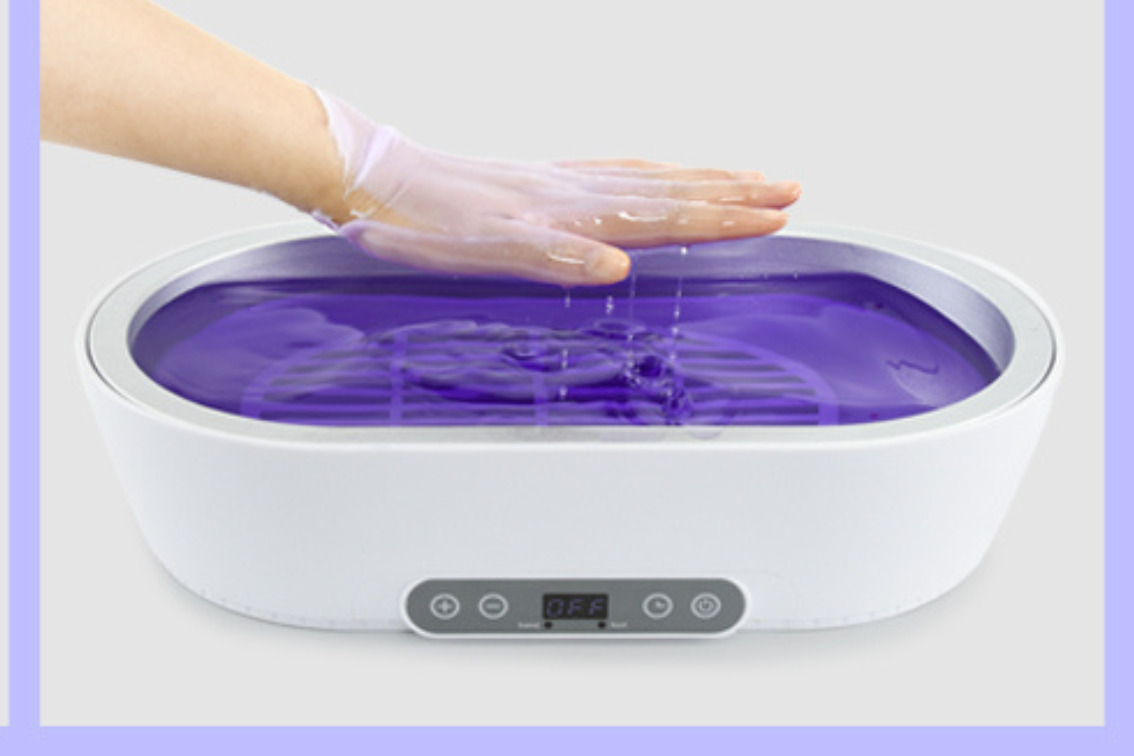
1. Karite Paraffin Wax Machine
Best for: People who prioritize convenience features and a relatively quick setup.
The Karite machine is one of the options worth considering if you want a home paraffin bath with features aimed at easier operation.
The current product listing should be checked for the exact included accessories, temperature controls, capacity, and melt-time specifications because these details can change between listings or product versions.
Why consider it:
- Designed for home paraffin treatments
- Automatic temperature control
- Intended for hand and foot use
- A potentially convenient option for people who don’t want a basic dial-only machine
Before buying: Pay particular attention to the lid and controls. If hand arthritis limits your grip strength, those seemingly small details can matter more than extra heating features.

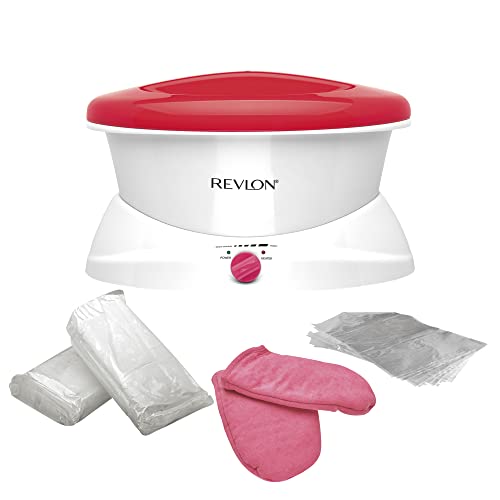
2. Revlon Moisturizing Paraffin Bath
Best for: Shoppers who prefer a familiar consumer brand and straightforward paraffin-bath design.
Revlon’s paraffin bath has been sold as a home-use moisturizing paraffin treatment system and is a more traditional choice than some newer generic machines.
Its appeal is simplicity rather than a long list of specialized controls.
Why consider it:
- Straightforward home-use design
- Intended for hand and foot treatments
- Familiar consumer brand
- Paraffin wax and accessories may be included depending on the current package
Before buying: Check the current Amazon listing to confirm exactly what is included and whether the current model matches the specifications you’re expecting.
3. Therabath Professional Paraffin Bath
Best for: People who want a larger, more substantial paraffin bath and are willing to spend more.
Therabath is a long-established paraffin-bath manufacturer. Its current professional bath is a substantially different product from many inexpensive consumer models.
The manufacturer specifies a 6–9 pound wax capacity, a 126–134°F operating range, and approximately 6–8 hours for a normal melt. It is also manufactured as an FDA Class II medical device.
That makes it particularly interesting for someone who expects to use paraffin regularly and wants a machine designed to maintain a controlled operating temperature.
Why consider it:
- Large wax capacity
- Designed for hands and feet
- Controlled operating temperature
- Long-established manufacturer
- FDA Class II medical device
- Built for frequent use
Potential downside: The larger capacity and longer melt time make it less appealing if you want a small machine you can heat up shortly before each treatment.

Paraffin Bath Comparison
| Feature | Karite | Revlon | Therabath |
|---|---|---|---|
| Best suited to | Convenience-focused home use | Straightforward home use | Frequent or more substantial use |
| Hands | Yes | Yes | Yes |
| Feet | Yes | Yes | Yes |
| Temperature control | Auto and Manual heating modes | Adjustable controls | Controlled operating range |
| Large basin | Can accept men’s feet sizes up to 14 | Standard home size | Large-capacity design |
| Melt time | Fast 20 minute meltdown | Longer than some newer units | About 6–8 hours in normal mode |
| Medical-device status | Consumer product | Consumer product | FDA Class II medical device |
| Main advantage | Convenience features | Familiar, simple option | Capacity and temperature control |
Important: Product specifications, accessories, availability, and prices can change. Verify the current listing before purchasing.
How to Use a Paraffin Bath Safely
Always follow the instructions supplied with your particular machine.
A typical paraffin treatment works like this:
1. Melt the Wax Completely
Allow the machine to bring the wax to its intended operating temperature.
Do not assume that all machines use the same temperature.
Follow the manufacturer’s instructions rather than using a generic temperature as your target.
2. Wash and Thoroughly Dry Your Skin
Your hands or feet should be clean and dry before treatment.
Do not apply paraffin over cuts, sores, or visibly damaged skin.
3. Test the Temperature Carefully
If your machine requires you to judge the temperature yourself, make sure the wax is comfortable before immersing the treatment area.
If you have reduced sensation, you may not be able to reliably judge temperature and should ask a healthcare professional whether paraffin therapy is appropriate.
4. Dip Slowly
Lower your hand or foot into the wax according to the manufacturer’s instructions.
Remove it and allow the wax to begin setting.
Repeat the dipping process as directed until you have a suitable coating.
5. Cover the Wax
If your machine includes plastic liners and insulated mitts or foot covers, use them according to the instructions.
The covering helps retain warmth.
6. Leave the Wax on for the Recommended Time
Relax while the wax remains in place.
Do not extend the treatment simply because a longer session sounds more therapeutic.
Follow the manufacturer’s recommended treatment time.
7. Remove the Wax
Once the treatment is finished, gently peel the wax away.
Discard used wax according to the manufacturer’s instructions.
Do not automatically return used wax to the machine unless the manufacturer specifically states that it is suitable for reuse.
When Is the Best Time to Use a Paraffin Bath?
There’s no universal “best” time.
For arthritis-related stiffness, some people may find heat particularly useful:
In the Morning
If your hands are stiff when you wake up, warmth may make it easier to begin moving your fingers.
A short paraffin treatment followed by gentle range-of-motion exercises may be a useful routine.
Before Hand Exercises
Warmth can make stiff hands feel more comfortable before gentle movement.
If you have exercises prescribed by a physical or occupational therapist, ask whether paraffin treatment is appropriate beforehand.
In the Evening
Some people simply prefer heat as part of a relaxing evening routine.
The most useful time is generally the time when it actually helps you function more comfortably.
Paraffin Therapy Doesn’t Replace Arthritis Treatment
Paraffin can help with symptoms, but it does not cure arthritis or reverse joint damage.
Think of it as one tool in a larger arthritis-management routine.
Depending on your condition, your overall approach might include:
- Appropriate exercise
- Joint-protection strategies
- Medication when prescribed
- Physical or occupational therapy
- Assistive tools
- Sleep management
- Heat or cold therapy
- Pacing during difficult periods
If warmth helps your hands move more comfortably, paraffin may be a useful addition to that routine.
Frequently Asked Questions
Does paraffin wax really help arthritis?
Research suggests that paraffin bath therapy can reduce pain and improve some aspects of hand function, particularly in people with hand conditions such as osteoarthritis. A systematic review found beneficial effects but also noted that the available studies were relatively few and varied in quality and design.
Is paraffin good for hand arthritis?
It can be. The American College of Rheumatology and Arthritis Foundation conditionally recommend paraffin as a heat-therapy option for hand osteoarthritis.
The benefit is generally about symptom relief and easier movement rather than changing the underlying arthritis.
Can I use a paraffin bath for my feet?
Many paraffin baths are designed for both hands and feet, but basin size varies.
If you specifically want to treat your feet, check the manufacturer’s interior dimensions and instructions before buying.
Does paraffin wax penetrate deep into joints?
It is better not to think of paraffin as a treatment that penetrates deeply into the joint.
Its practical benefit comes from applying controlled warmth around the hand or foot. That warmth may help reduce discomfort and stiffness and make movement easier.
How long should I leave paraffin wax on?
Follow the instructions supplied with your machine.
Different products can have different recommendations, so there isn’t one treatment time that should automatically be applied to every paraffin bath.
Can I use a paraffin bath every day?
Some people may use paraffin regularly, but frequency should follow the instructions for your particular machine and your healthcare professional’s advice when appropriate.
More frequent treatment is not automatically better.
If your skin becomes irritated or your symptoms worsen, stop and reassess.
Can I reuse paraffin wax?
Do not assume that used wax should be returned to the machine.
Follow the manufacturer’s instructions regarding reuse, hygiene, and replacement. If a machine is being shared between people, hygiene considerations become particularly important.
Is paraffin safe if I have diabetes or neuropathy?
Extra caution is needed if you have reduced sensation.
If you cannot reliably feel whether the wax is too hot, you may be at greater risk of a burn without realizing it.
Ask a healthcare professional before using paraffin if you have neuropathy, significant loss of sensation, or circulation problems.
Is paraffin better than a heating pad for arthritis?
Neither is automatically better.
A heating pad is faster and more versatile for larger areas, while paraffin can surround the fingers, hands, or feet with warmth.
If your main problem is stiff finger joints, paraffin may be especially convenient. If you want something for your back, knee, shoulder, or another larger area, a heating pad may be more practical.
The Bottom Line
A paraffin wax bath can be a useful home heat-therapy option for people with arthritis-related hand or foot stiffness.
The strongest evidence is for short-term symptom relief and improved hand function, particularly in hand conditions such as osteoarthritis. It should not be described as a cure or as a treatment that penetrates deep into the joints.
When choosing a machine, don’t focus only on heating power or extra features.
For someone with arthritis, ease of use matters.
Look at the basin size, controls, lid, melt time, temperature regulation, included accessories, and whether you can comfortably operate the machine with your hands.
If you want a substantial, higher-capacity machine for frequent use, Therabath is worth considering. If you want a simpler consumer option, Revlon may be more appropriate. Karite is another option for shoppers who prioritize convenience features.
And whichever machine you choose, follow its instructions carefully and avoid heat over damaged skin or when reduced sensation makes temperature difficult to judge.
Related Reading:
- Best Heating Pads for Arthritis Relief
- How to Reduce Morning Joint Stiffness From Arthritis
- Gentle Morning Stretches for Arthritis
- Best Heated Clothing for Arthritis: Vests, Gloves & Socks
Medical Disclaimer: This article is for informational purposes only and does not constitute medical advice. Always consult your doctor, rheumatologist, or occupational therapist before making changes to how you manage your arthritis.
