
Cold feet are common in winter, but they can be especially uncomfortable when you also live with arthritis.
When your feet are cold, stiff, or uncomfortable, the answer isn’t always to turn up the heat or pile on thicker socks. The most useful approach is usually a combination of keeping your feet dry and insulated, avoiding restrictive footwear, gently moving your feet, and using comfortable warmth when appropriate.
It’s also important to recognize when persistently cold feet may be related to something other than the temperature.
Quick Answer: How Can You Warm Up Cold Feet?
| If your feet are… | Try… |
|---|---|
| Cold after being outdoors | Dry socks, warm footwear, and gradual warming |
| Cold while sitting at home | Warm slippers, socks, and a warmer room |
| Cold and stiff | Warm water followed by gentle foot and ankle movement |
| Cold at night | Warm socks or a comfortable blanket, as long as your feet don’t become overheated |
| Cold inside tight shoes | Roomier footwear with enough space for your toes |
| Cold despite being in a warm room | Pay attention to other symptoms and consider discussing it with a healthcare professional |
| Cold with numbness, tingling, or color changes | Don’t assume it’s simply the weather; get medical advice if it keeps happening |
The goal is simple: keep your feet warm, dry, comfortable, and moving without exposing your skin to excessive heat.
Why Do My Feet Get So Cold?
Your feet are exposed to cold temperatures more easily than much of the rest of your body, particularly when you’re outside or walking across cold floors.
Cold weather can also make it harder to keep your hands and feet comfortable when you’re outdoors. People with Raynaud’s phenomenon can be particularly sensitive to cold, with fingers or toes sometimes becoming numb, painful, or changing color.
For someone with arthritis, cold feet can also make an already uncomfortable day feel worse. Stiffness may be more noticeable when you’re cold or when you’ve been sitting still for a long time.
But persistent cold feet shouldn’t automatically be blamed on arthritis or winter.
If your feet regularly feel unusually cold even in a warm environment, or you also experience numbness, tingling, pain, or color changes, it’s worth discussing the symptoms with a healthcare professional.
1. Start With Warm, Dry Socks
One of the easiest ways to warm cold feet is to keep them insulated.
Choose socks that are:
- Warm enough for the conditions
- Comfortable rather than tight
- Dry
- Appropriate for your footwear
- Loose enough that they don’t create pressure points
Wool or other insulating materials can be useful in cold weather because they can help retain warmth while managing moisture.
Don’t automatically choose the thickest socks
Very thick socks can sometimes make your shoes too tight.
If your toes are cramped against each other or the sides of your shoes, the extra insulation may not be worth the loss of comfort.
A slightly thinner warm sock inside a roomier shoe may work better than forcing a very thick sock into a tight shoe.
2. Wear Warm Slippers at Home
Cold floors can make your feet uncomfortable even when the rest of your house feels warm.
A pair of insulated slippers can provide a simple barrier between your feet and a cold floor.
Look for:
- A comfortable, non-restrictive fit
- Adequate insulation
- A sole with enough traction for your floors
- Enough room for your toes
- Easy entry if bending down is difficult
If you have arthritis in your feet, footwear comfort matters just as much as warmth.
A wide toe box can give your toes more room and may be preferable to footwear that squeezes the front of the foot.
3. Avoid Tight Socks and Shoes
It can be tempting to put on very tight socks or multiple pairs of socks when your feet are cold.
That isn’t always helpful.
Your footwear should leave enough room for your toes to move comfortably. Shoes that are too tight can cause pressure, rubbing, and discomfort.
If you wear two pairs of socks, make sure your shoes still fit comfortably afterward.
For people with arthritis, the right footwear should provide enough room and support without creating additional pressure on painful areas.
4. Try Warm Water
A warm foot soak can be a simple way to warm cold, stiff feet.
Use comfortably warm rather than very hot water.
You don’t need an elaborate mixture. Plain warm water is enough if your goal is simply to warm your feet.
The Arthritis Foundation recommends lukewarm water for foot soaks and notes that warm water can help with sore or stiff feet.
Be careful with very cold feet
Don’t try to rapidly heat extremely cold feet with very hot water.
If your feet have been exposed to significant cold, warm them gradually rather than applying intense heat.
This is particularly important if your feet are numb, because you may not accurately judge how hot the water is.
The NHS also advises people with chilblains to dry and slowly warm affected skin rather than putting their feet under hot water or directly against a radiator.
5. Move Your Feet and Ankles
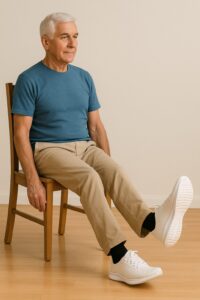
If you’ve been sitting for a while, gentle movement can help you feel warmer and reduce stiffness.
You can do simple movements while seated:
Toe taps
Alternately lift your toes and heels slightly from the floor.
Ankle circles
Slowly circle one ankle in each direction, then switch feet.
Heel raises
With your feet flat on the floor, slowly raise your heels and lower them again.
Toe and heel lifts
Lift your toes while keeping your heels down, then reverse the movement.
Keep the movements comfortable and stop if they cause significant pain.
The Arthritis Foundation recommends simple foot and ankle movements to maintain range of motion and keep the muscles around the feet and ankles active.
You don’t need a long exercise session. A few minutes of comfortable movement can be enough to break up a long period of sitting.
6. Use Gentle Heat When It Feels Good

Warmth can be useful when cold feet are also stiff or uncomfortable.
Options include:
- A warm foot bath
- A warm compress
- A heating pad designed for appropriate use
- A heated blanket
- Warm socks
- A heated foot warmer designed for safe household use
Heat may help relax muscles and make stiff joints feel more comfortable. The Arthritis Foundation also recommends warm water and heat for stiff joints, including the feet.
Don’t overheat your feet
More heat isn’t necessarily better.
Avoid placing bare feet directly against a very hot heating source, radiator, or other intense heat source.
If you’re using a heating pad or heated foot product, follow the manufacturer’s instructions and don’t fall asleep with a heating device that isn’t specifically designed for that purpose.
If your feet are numb, be especially cautious because you may not notice excessive heat quickly enough.
7. Consider Heated Socks for Outdoor Winter Use
If ordinary socks aren’t enough for the conditions you regularly encounter, heated socks can be another option.
They’re particularly useful for people who spend significant time outdoors in cold weather.
Look for:
- Adjustable heat settings
- Comfortable fit
- Battery life appropriate for your activities
- Washability
- A design that doesn’t create pressure points
- Enough room inside your footwear
Heated socks aren’t necessary for everyone. If warm socks and insulated footwear keep your feet comfortable, there’s little reason to add another device.
For people who regularly struggle with cold hands and feet outdoors, heated clothing can be one option to consider.
See our guide to Best Heated Clothing for Arthritis: Gloves, Vests & Socks for a broader look at heated wearable options.
8. Keep Your Feet Dry
Wet feet lose warmth much more quickly than dry feet.
This becomes especially important during winter activities.
Try to:
- Change wet socks promptly.
- Use waterproof or water-resistant footwear when appropriate.
- Dry your feet thoroughly after coming indoors.
- Keep an extra pair of socks available when you’re spending a long time outside.
- Avoid staying in damp footwear.
Warmth and dryness work together. A thick sock won’t be very useful if it becomes wet and stays that way.
9. Warm Up Before Going Outside
If your feet and joints are already stiff, going directly from a warm house into freezing temperatures may be uncomfortable.
Before going outside, give yourself a few minutes to get moving.
You might:
- Walk around the house
- Move your ankles
- Perform a few heel raises
- Put on your warm socks and footwear before stepping outside
- Take a few minutes to get comfortable in your winter clothing
The Arthritis Foundation recommends warming up before outdoor exercise in cold weather and protecting extremities such as the feet from the cold.
10. Protect Your Feet When Walking on Snow and Ice
Cold isn’t the only winter problem.
Snow and ice can increase your risk of slipping, which is particularly important if arthritis already affects your balance, knees, hips, or feet.
Choose footwear with good traction and avoid unnecessary trips outside when conditions are particularly hazardous.
If you need additional traction aids, make sure you understand how to use them properly and that they’re appropriate for the surfaces you’re walking on.
When winter conditions are poor, an indoor walk or another indoor activity may be a safer alternative.
What About a Heating Pad for Cold Feet?
A heating pad can feel comfortable when your feet are cold, but it needs to be used carefully.
If you choose to use one:
- Follow the manufacturer’s temperature and time recommendations.
- Use a barrier if the instructions call for one.
- Don’t use excessive heat.
- Don’t fall asleep with a standard heating pad.
- Check your skin afterward.
- Be particularly cautious if your feet have reduced sensation.
The Arthritis Foundation generally recommends limiting heat applications to about 15–20 minutes at a time.
If your feet are numb, you may not be able to reliably tell when a heating pad is becoming too hot. In that situation, ask a healthcare professional whether heat therapy is appropriate for you.
Why Are My Feet Cold Even When the Room Is Warm?
This is an important question.
If your feet remain unusually cold even when you’re indoors in a comfortable temperature, don’t automatically assume that you simply need warmer socks.
Pay attention to whether you also have:
- Numbness
- Tingling or pins and needles
- Burning sensations
- Foot pain
- Pale, blue, or unusually red toes
- Significant changes in skin temperature
- Sores or skin changes
- Symptoms that occur repeatedly
- Symptoms affecting one foot much more than the other
Several different conditions can cause cold-feet symptoms, so the cause cannot be determined from the symptom alone.
Could Cold Feet Be Raynaud’s?
Raynaud’s phenomenon is one possibility when cold temperatures trigger unusual symptoms in the fingers or toes.
People with Raynaud’s may experience episodes in which their fingers or toes become:
- Very cold
- Numb
- Painful
- Pale or white
- Blue
- Red as they warm again
Cold or emotional stress can trigger these episodes.
Raynaud’s can occur on its own, but it can also be associated with other health conditions.
If you repeatedly experience significant color changes, numbness, or pain in your toes when exposed to cold, talk with a healthcare professional rather than assuming it’s simply part of having arthritis.
What About Chilblains?
Chilblains are another cold-related problem that can affect toes.
They can cause skin changes, itching, swelling, and discomfort after exposure to cold.
If you develop chilblains, the NHS recommends avoiding further cold exposure, keeping the affected area warm and dry, and warming the skin gradually rather than using direct intense heat.
If chilblains keep returning, don’t improve, become infected, or you have diabetes, seek medical advice.
When Should You See a Doctor About Cold Feet?
Occasional cold feet during winter usually aren’t a reason for alarm.
However, persistent or recurring symptoms deserve more attention.
Consider talking with a healthcare professional if:
- Your feet are frequently cold even in warm surroundings.
- Your toes repeatedly change color.
- You experience persistent numbness or tingling.
- Coldness is accompanied by significant pain.
- You develop sores or skin changes.
- One foot is consistently much colder than the other.
- Symptoms are becoming more frequent or severe.
- You have diabetes or another condition that affects circulation or sensation.
Don’t try to diagnose the cause based solely on cold feet. There are several possible explanations, and a healthcare professional can determine whether further evaluation is appropriate.
A Simple Cold-Feet Routine
If cold feet are mainly a winter comfort problem, try this simple routine.
When you’re at home
1. Put on warm, dry socks.
Choose comfortable socks that don’t squeeze your toes.
2. Add warm slippers.
Choose footwear with enough room and adequate traction.
3. Move your feet.
Try a few ankle circles, heel raises, and toe movements.
4. Use gentle warmth if needed.
A warm foot soak or another appropriate source of warmth may help.
Before going outdoors
1. Start with dry socks.
Don’t put on footwear over damp socks.
2. Check the fit.
Make sure your winter footwear still has room for your toes.
3. Protect your feet from moisture.
Use appropriate winter footwear.
4. Warm up first.
Spend a few minutes moving around indoors.
5. Check outdoor conditions.
If snow and ice make walking hazardous, consider staying indoors.
Cold Feet and Arthritis: What Should You Remember?
Cold feet don’t necessarily mean that your arthritis is getting worse.
They may simply be a response to the environment.
Start with practical measures:
- Keep your feet dry.
- Wear warm, comfortable socks.
- Choose roomy winter footwear.
- Use warm slippers indoors.
- Move your feet and ankles regularly.
- Try comfortable warmth when appropriate.
- Avoid excessive or direct heat.
- Protect your feet when you’re outdoors.
- Pay attention to persistent numbness, tingling, pain, or color changes.
If cold feet are a recurring problem even when you’re warm indoors, it’s worth finding out why rather than continually adding more layers.
Frequently Asked Questions
What is the fastest way to warm up cold feet?
For ordinary winter cold, putting on dry warm socks and comfortable footwear, moving your feet, and using gentle warmth such as a warm foot soak can help.
Avoid trying to warm very cold or numb feet with extremely hot water or direct intense heat.
Do heated socks help with cold feet?
They can be useful for people who spend time outdoors in cold weather or who find ordinary winter socks aren’t enough.
However, heated socks aren’t necessary for everyone. Look for a comfortable fit and adjustable heat, and follow the manufacturer’s safety instructions.
Are cold feet a symptom of arthritis?
Cold feet aren’t a specific symptom of arthritis.
Someone with arthritis may notice more discomfort or stiffness when their feet are cold, but persistent cold feet can have many possible causes.
Why are my feet cold but my body is warm?
Your feet may simply be more exposed to cold surfaces or temperatures. However, persistent cold feet despite being in a warm environment can have other causes.
If you also experience numbness, tingling, pain, or color changes, discuss the symptoms with a healthcare professional.
Should I wear two pairs of socks?
You can if they remain comfortable and your footwear still fits properly.
If two pairs make your shoes tight, they may be counterproductive. Your toes should have enough room to move comfortably.
Is it safe to sleep with a heating pad on my feet?
It’s generally better not to sleep with a standard heating pad turned on.
Follow the manufacturer’s instructions for any heating product. If you have reduced sensation in your feet, be especially cautious with heat because you may not notice excessive temperature promptly.
Can warm water help cold, stiff feet?
Yes. A comfortably warm foot soak may help warm your feet and make stiff joints feel more comfortable.
Avoid very hot water, particularly if your feet are numb or have reduced sensation.
When are cold feet a medical concern?
Cold feet deserve more attention when the problem is persistent or occurs along with numbness, tingling, pain, significant color changes, sores, or other unusual symptoms.
Recurring episodes triggered by cold may sometimes be associated with conditions such as Raynaud’s phenomenon.
Related Reading
Managing Arthritis Pain in Winter: Cold Weather Comfort Strategies
Practical strategies for managing arthritis during the colder months, including staying warm, keeping active, using heat, and making winter easier at home.
Best Heated Clothing for Arthritis: Gloves, Vests & Socks
Compare heated gloves, vests, and socks for people who want wearable warmth during cold weather.
Best Hand Relief Tools for Arthritis
A broader guide to tools for stiff, aching, or difficult-to-use hands.
Gentle Morning Stretches for Arthritis
Simple seated and standing movements that can help when your joints feel stiff.
How Weather Affects Arthritis
Learn more about why some people notice changes in their arthritis symptoms when weather conditions change.
Bottom Line
Cold feet are usually a winter comfort problem that can be managed with a few simple changes.
Keep your feet warm, dry, comfortable, and moving. Start with warm socks and appropriately sized footwear, add slippers indoors, use gentle warmth when it helps, and avoid excessive heat.
Most importantly, don’t ignore persistent cold feet accompanied by numbness, tingling, pain, or unusual color changes. Those symptoms may deserve medical attention rather than simply another pair of socks.
Practical tools. No hype.
Medical Disclaimer: This article is for informational purposes only and does not constitute medical advice. Always consult your doctor, rheumatologist, or occupational therapist before making changes to how you manage your arthritis.

Yes — certain teas can help warm up cold feet by improving circulation and stimulating blood flow. The most effective options are ginger tea, cinnamon tea, and ginseng tea, all of which have warming properties that support better circulation in the extremities.
🌿 Teas That Help Warm Cold Feet
Ginger Tea
Contains compounds like gingerol that stimulate blood flow and improve circulation.
Drinking ginger tea regularly can help reduce the sensation of icy toes.
Cinnamon Tea
Naturally warming spice that enhances circulation and helps regulate blood sugar.
Its warming effect can make extremities feel more comfortable.
Ginseng Tea
Known in traditional medicine for boosting energy and circulation.
Can help counter cold extremities caused by sluggish blood flow.
Peppermint Tea (mild effect)
While cooling in taste, peppermint supports vascular health and can indirectly aid circulation.
Ayurvedic Herbal Blends
Ayurveda links cold feet to Vata imbalance. Teas with warming herbs like ginger, cardamom, and clove are recommended to restore balance.
🔑 Why These Work
Cold feet are often due to poor circulation, anemia, or thyroid imbalance. Herbal teas that stimulate blood flow can temporarily relieve discomfort.
Warming herbs increase peripheral blood flow, helping the body distribute heat more evenly.
Teas also provide hydration, which supports healthy vascular function.
☕ Practical Tips
Drink 1–2 cups daily of ginger or cinnamon tea, especially in colder months.
Combine tea with other warming practices: foot soaks, warm socks, or gentle exercise to maximize results.
If cold feet are persistent or severe, it may signal an underlying condition (like Raynaud’s or hypothyroidism), so consulting a healthcare professional is wise.