
*This post may contain affiliate links, from which we may earn a small commission at no extra cost to you.*
Many people living with arthritis search for non-medication options to ease everyday stiffness, tension, and discomfort. Acupressure mats have gained attention as a simple, low-effort tool often used for relaxation and muscle relief.
One of the most widely available options is the ProsourceFit Acupressure Mat and Neck Pillow Set. This review explains how acupressure mats work, what benefits users commonly report, and whether this type of product may be useful for arthritis-related discomfort.
Many people combine passive relaxation tools with other comfort strategies such as heat therapy, sleep positioning adjustments, and gentle mobility routines to manage daily stiffness.
Can an Acupressure Mat Help With Arthritis Discomfort?
Acupressure mats do not treat or cure arthritis. However, some individuals use them as a relaxation tool that may help with muscle tension, perceived stiffness, and general discomfort. Responses vary based on sensitivity, expectations, and consistency of use.
What Is an Acupressure Mat?

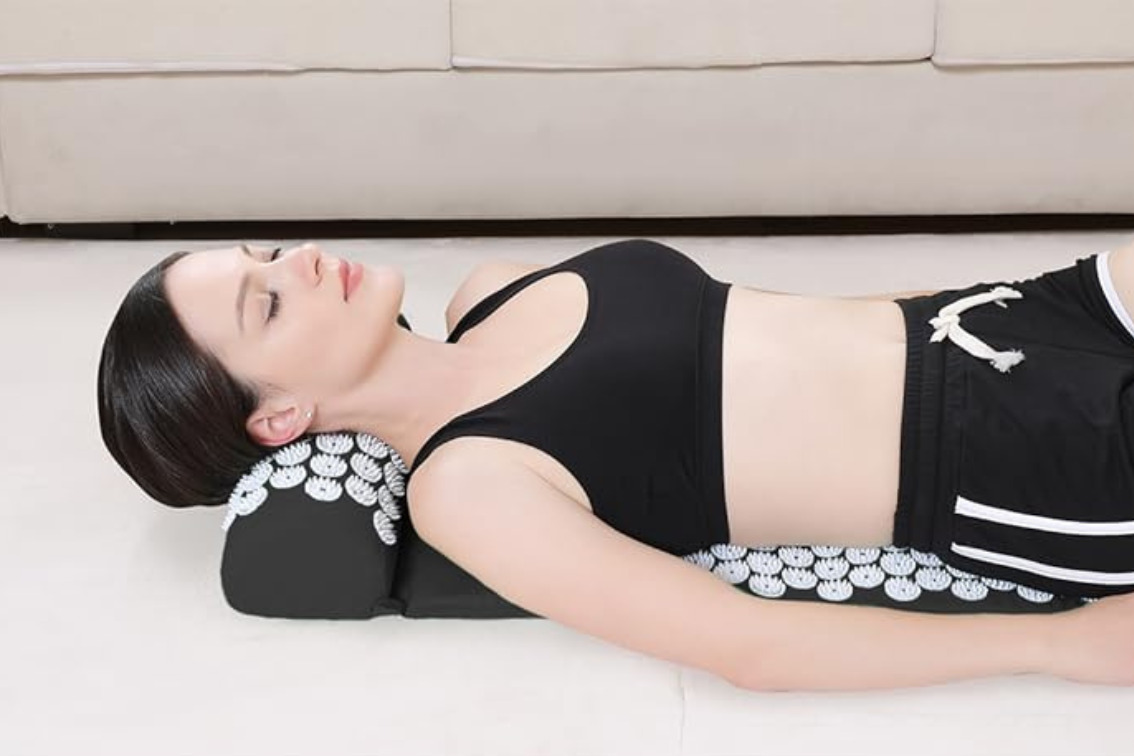
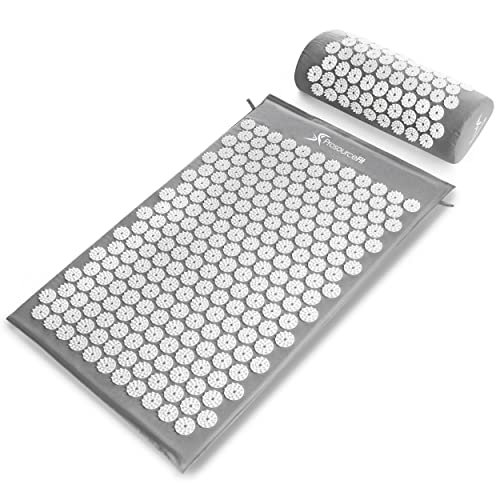
An acupressure mat is a foam-padded mat covered with hundreds or thousands of small stimulation points. When lying on the mat, these points apply gentle pressure to the skin.
Acupressure mats are commonly used to:
• Encourage relaxation
• Reduce feelings of muscle tightness
• Promote a warming or loosening sensation
• Support stress-relief routines
While acupressure does not treat arthritis itself, some individuals find it helpful for managing secondary discomforts such as tension and stiffness.
How an Acupressure Mat May Help With Arthritis Discomfort
Responses vary by individual, but acupressure mats are often used as part of broader comfort and relaxation strategies.
1. Drug-Free Relaxation Support
Short sessions — typically 10 to 30 minutes — are commonly used to promote relaxation and sensory stimulation similar to massage pressure. Some users report a reduction in perceived stiffness or tension afterward. This type of stimulation is often used alongside other non-medication approaches, including red light therapy, massage tools, and joint-friendly stretching routines.
2. Full-Back and Neck Stimulation
The ProsourceFit set includes both a mat and a neck pillow, allowing pressure stimulation across areas frequently associated with discomfort:
• Back
• Shoulders
• Neck
This may be particularly appealing for individuals whose joint discomfort is accompanied by muscle guarding or postural tension.
3. Stress and Tension Relief
Because stress and discomfort are closely linked, many people also explore sleep comfort upgrades and nighttime pain management strategies. Stress can intensify the perception of pain and stiffness. Acupressure sessions are frequently incorporated into wind-down routines or bedtime habits.
Commonly reported effects include:
• Deep relaxation sensations
• Temporary muscle release
• Improved comfort before sleep
4. Circulation and Sensory Stimulation
Pressure stimulation encourages sensory input to the skin and underlying tissues. Many users describe a warming or loosening sensation during or after use, which is often associated with relaxation responses.
Comfort Expectations: Does It Hurt?
First-time users often find acupressure mats intense. The sensation is usually described as firm, prickly pressure rather than sharp pain.
Adjustment strategies that many users find helpful:
✔ Start with a thin shirt
✔ Begin with shorter sessions
✔ Gradually increase exposure time
With repeated use, the sensation typically becomes more tolerable for most individuals.
Materials and Build Quality

The ProsourceFit Acupressure Mat is marketed as featuring:
• Cotton exterior
• Foam interior
• Dense stimulation point coverage
• Lightweight, flexible design
This construction allows the mat to remain firm while still conforming to body contours.
Who May Benefit From an Acupressure Mat
Acupressure mats are often considered by individuals who:
✔ Prefer non-medication comfort tools
✔ Experience muscle tension alongside joint stiffness
✔ Spend long hours sitting or working at a desk
✔ Use relaxation or recovery routines
Who Should Use Caution
Acupressure mats may not be suitable for everyone. Professional guidance is recommended if there is:
⚠ Extremely sensitive or fragile skin
⚠ Neuropathy or nerve-related conditions
⚠ Open wounds or skin irritation
⚠ Circulatory disorders
Choosing the Right Size
ProsourceFit offers multiple mat sizes. Larger mats typically provide:
✔ Greater body coverage
✔ Easier positioning
✔ More consistent pressure distribution
Extra-long mats are often preferred by taller individuals.
How Acupressure Mats Compare to Other Relaxation Tools
Acupressure mats are only one of several non-powered comfort tools commonly used for muscle tension and stiffness. Each option works differently and appeals to different preferences.
Acupressure Mats vs Heating Pads
Heating Pads
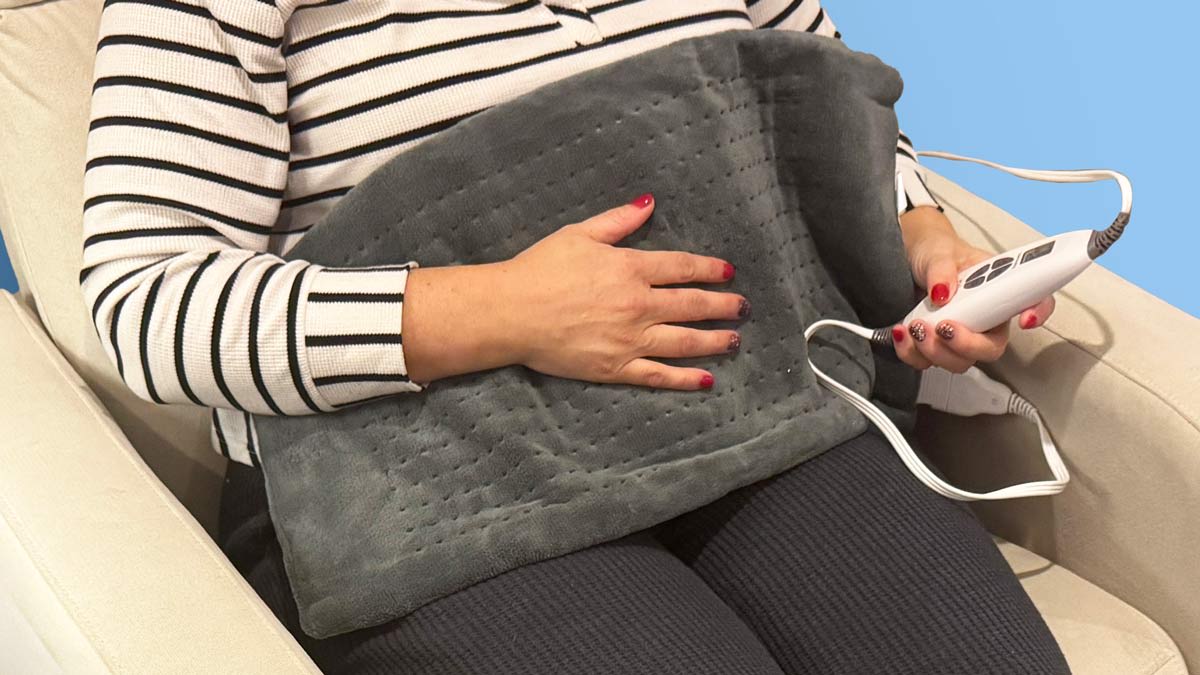
✔ Provide consistent warmth
✔ Often preferred for joint stiffness
✔ Passive and easy to tolerate
Acupressure Mats
✔ Provide pressure-based stimulation
✔ Sensation is more intense
✔ Often used for muscle tension and relaxation
Acupressure Mats vs Massage Devices
Massage Tools
✔ Deliver rhythmic movement or vibration
✔ Adjustable intensity (for powered devices)
✔ Useful for targeted muscle work
Acupressure Mats
✔ No power or settings required
✔ Stimulate large surface areas at once
✔ Provide stationary pressure rather than motion
Acupressure Mats vs Stretching & Mobility Work
Stretching / Mobility
✔ Supports flexibility and movement
✔ Requires effort and consistency
✔ Highly effective for long-term joint health
Acupressure Mats
✔ Completely passive
✔ Often used for relaxation or recovery
✔ Complements active routines rather than replacing them
Which Option Is Best?
Preferences vary widely. Many individuals combine multiple tools:
• Heat for stiffness
• Movement for mobility
• Pressure or massage for tension
• Sleep adjustments for nighttime comfort
Layering strategies often produce more consistent comfort than relying on any single method.
Quick Comparison: Popular Drug-Free Relaxation & Comfort Tools
| Feature / Benefit | Acupressure Mat | Heating Pad | Massage Device | Stretching / Mobility Work |
|---|---|---|---|---|
| Primary Sensation | Firm pressure stimulation | Gentle warmth | Rhythmic movement / vibration | Active muscle & joint movement |
| Effort Required | None (passive) | None (passive) | Low (device positioning) | Moderate (active participation) |
| Power Required | No | Yes (electric) | Usually yes | No |
| Best For | Muscle tension, relaxation routines | Joint stiffness, cold sensitivity | Targeted muscle tightness | Long-term mobility & flexibility |
| Intensity Level | Moderate to strong (initially) | Mild to moderate | Adjustable (device dependent) | User-controlled |
| Learning Curve | Short adaptation period | None | Minimal | Requires consistency |
| Coverage Area | Large surface areas at once | Localized regions | Highly targeted | Full body or targeted |
| Typical Session Time | 10–30 minutes | 10–30 minutes | 5–20 minutes | Varies |
| Common Use Timing | Relaxation / recovery / bedtime | Stiffness / flare comfort | Tension relief / recovery | Daily maintenance |
| Key Advantage | Fully passive + no power | Deeply soothing & easy to tolerate | Precise targeting | Strong long-term benefits |
| Limitations | Sensation may feel intense initially | Limited to heated area | Requires handling / settings | Requires effort & habit formation |
Among passive, non-powered options, acupressure mats appeal to individuals seeking a simple, low-maintenance relaxation tool without cords, settings, or heat sensitivity concerns.
Who an Acupressure Mat May Be Best For
An acupressure mat may be appealing for individuals who:
✔ Prefer fully passive relaxation tools
✔ Dislike powered devices or heat
✔ Experience muscle tension alongside stiffness
✔ Want a low-maintenance daily comfort routine
✔ Value portability and simple setup
Individuals sensitive to firm pressure sensations may prefer heat-based or gentler comfort options.
How to Interpret This Comparison
Each tool serves a different role in a comfort routine. Many individuals combine multiple approaches depending on symptoms and preferences.
• Heat → Often chosen for stiffness and joint comfort
• Massage → Often used for targeted muscle tension
• Acupressure → Often used for relaxation and sensory stimulation
• Movement → Critical for mobility and long-term joint function
No single solution works for everyone, which is why layered strategies are commonly recommended.
Common Mistakes to Avoid When Using an Acupressure Mat
First-time users often judge acupressure mats too quickly or use them in ways that reduce comfort. Avoiding these common mistakes can significantly improve the experience.
❌ Expecting Immediate Pain Relief
Acupressure mats are relaxation tools, not instant pain solutions. Some individuals feel benefits gradually as their body adapts to the pressure sensation.
✔ Allow time for adjustment
✔ Focus on relaxation rather than results
❌ Lying Directly on the Mat for Too Long
Starting with long sessions can feel overwhelming, especially for beginners.
✔ Begin with shorter sessions (5–10 minutes)
✔ Gradually increase duration as tolerance improves
❌ Using the Mat on Highly Sensitive Areas Too Soon
Certain areas of the body may feel more intense during early sessions.
✔ Start with broader, less sensitive regions (upper back)
✔ Progress gradually to other areas if comfortable
❌ Mistaking Intensity for Harm
The initial sensation is often described as strong or prickly. This is normal for many users.
✔ A firm sensation does not automatically indicate injury
✔ Discontinue use if discomfort feels excessive
❌ Using the Mat With Unrealistic Expectations
Acupressure mats do not replace medical care or structured arthritis management strategies.
✔ View the mat as a comfort or relaxation aid
✔ Combine with other supportive habits when appropriate
❌ Skipping Consistency
Occasional use rarely produces noticeable effects. Many users incorporate the mat into regular routines.
✔ Consistent, short sessions are common
✔ Relaxation benefits often build over time
Helpful Usage Mindset
Acupressure mats tend to be most effective when treated as a relaxation ritual rather than a corrective device. Comfort, consistency, and gradual adaptation play a larger role than session intensity.
Final Assessment: Is It Worth Trying?
Individuals experiencing persistent discomfort often benefit most from a layered approach that may include assistive tools, ergonomic adjustments, and daily joint protection habits. For individuals exploring passive, low-effort relaxation tools, acupressure mats are often viewed as a reasonable option. Benefits tend to be subjective and may vary based on sensitivity, expectations, and consistency of use.
Why Some People Add Acupressure to Their Comfort Routine
Acupressure mats are commonly used alongside other comfort strategies, including:
• Heat therapy
• Gentle mobility work
• Massage tools
• Sleep environment adjustments
Layering multiple approaches often produces more consistent comfort than relying on a single method.
Where to Buy
ProsourceFit Acupressure Mat and Pillow Set
✔ Dense stimulation point coverage
✔ Designed for full-back and neck use
✔ Lightweight, portable design
✔ No power, cords, or settings required
Widely chosen by individuals seeking a simple, drug-free relaxation tool that fits easily into home routines.
Frequently Asked Questions
Can an acupressure mat cure arthritis?
No. Acupressure mats do not treat or cure arthritis. They are typically used as a comfort or relaxation tool that may help with muscle tension and perceived stiffness.
How long should you lie on an acupressure mat?
Many users begin with 5–10 minute sessions and gradually increase to 20–30 minutes depending on comfort level and tolerance.
Is an acupressure mat painful to use?
Initial sessions may feel intense. The sensation is usually described as firm pressure or prickly stimulation rather than sharp pain. Most users adapt over time.
Who should avoid acupressure mats?
Individuals with fragile skin, nerve conditions, open wounds, or certain medical concerns should seek professional guidance before use.
When is the best time to use an acupressure mat?
Common usage times include:
• Before bed
• After long periods of sitting
• During relaxation routines
• Following light activity or stretching