

When arthritis causes pain, stiffness, or difficulty with everyday activities, it is natural to look for relief at home. You may have heard recommendations for heating pads, turmeric, herbal teas, special diets, supplements, or traditional remedies.
But not every popular remedy has good evidence behind it. Some approaches can help manage symptoms, some may provide temporary comfort, and others have little evidence of benefit. Certain herbs and supplements can also interact with medications.
This guide separates practical home strategies from remedies that deserve more caution. The aim is not to find a miracle cure, but to identify approaches that may help you manage arthritis while complementing appropriate medical care.
Quick answer: Gentle exercise, appropriately used heat or cold, a balanced eating pattern, supportive daily-living tools, and selected topical treatments can all have a place in arthritis management. Supplements and traditional remedies require more careful consideration because evidence varies and some can cause side effects or interact with medication.
Home remedies do not cure arthritis or replace prescribed treatment. If joint pain is persistent, worsening, or unexplained, consult a healthcare professional.
The Most Useful Home Remedies for Arthritis
1. Use Heat and Cold for Stiffness and Discomfort

Heat and cold are simple options that some people find helpful when managing arthritis symptoms.
Heat may temporarily ease stiffness and muscle tension. Options include a warm shower, heating pad, warm compress, or heated wrap.
Cold may help temporarily soothe a joint that feels irritated or swollen, particularly after activity.
How to use them:
- Try gentle warmth before movement if stiffness is your main concern.
- Apply a cold pack wrapped in a thin towel for short periods if cold feels more comfortable for an irritated joint.
- Follow the instructions for your heating or cooling product.
- Avoid extreme temperatures and never fall asleep with an active heating pad.
- Take extra care if you have reduced sensation, nerve damage, or circulation problems.
Neither method works equally well for everyone. Pay attention to how your symptoms respond, and avoid applying heat automatically to a joint that is unusually hot or markedly swollen.
Read next: Heat vs Cold Therapy for Arthritis: Which One Works Best?
2. Keep Moving With Joint-Friendly Exercise

Movement may seem unappealing when your joints hurt, but appropriate physical activity is an important part of managing many forms of arthritis.
Regular movement can help maintain mobility, strengthen the muscles supporting your joints, and improve your ability to carry out everyday activities.
Options to consider include:
- Walking at a comfortable pace.
- Swimming or water-based exercise.
- Gentle cycling.
- Range-of-motion exercises.
- Modified yoga or tai chi.
- Gentle strengthening exercises suited to your abilities.
You do not have to begin with long workouts. Short periods of activity spread throughout the day can be a practical starting point.
Choose activities that fit your current abilities and increase them gradually. If an exercise causes significant or persistent pain or swelling, stop and ask a healthcare professional or physical therapist how to adapt it.
3. Eat a Balanced, Nutrient-Rich Diet

There is no single diet that cures arthritis. However, a balanced eating pattern supports general health and may be useful as part of a broader approach to managing symptoms.
Rather than relying on a single so-called superfood, aim for variety. Foods commonly included in a Mediterranean-style eating pattern include:
- Vegetables and fruit.
- Whole grains.
- Beans and other legumes.
- Nuts and seeds.
- Olive oil.
- Fish, including oily fish such as salmon and sardines.
You do not need to eliminate entire food groups because of general claims about inflammation. If you suspect a particular food consistently affects your symptoms, keep a record and discuss the pattern with a healthcare professional before making major dietary changes.
Diet is not a substitute for appropriate arthritis treatment, but a sustainable eating pattern can support your overall well-being.
Read next: Anti-Inflammatory Foods for Arthritis
4. Consider Turmeric and Curcumin Carefully
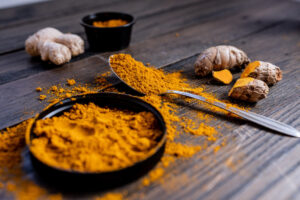
Turmeric is a familiar cooking spice that is also marketed in concentrated supplements. Its compound curcumin has been studied for potential effects on symptoms, particularly in osteoarthritis.
However, research findings vary, and results from one specific supplement cannot automatically be applied to every product or to turmeric used in cooking. Evidence also does not establish turmeric or curcumin as a cure for arthritis.
If you are considering a concentrated curcumin supplement, speak with a pharmacist or healthcare professional first. Supplements can have side effects and may interact with medications.
Using turmeric in ordinary cooking is different from taking a concentrated supplement. Do not assume that a homemade turmeric drink, balm, or paste has the same effects as a preparation studied in a clinical trial.
Read next: Natural Supplements for Arthritis Relief: What Actually Works
5. Get Omega-3 Fatty Acids From Food
Omega-3 fatty acids are found in foods such as oily fish, walnuts, flaxseed, and chia seeds.
They have been studied in inflammatory conditions, including rheumatoid arthritis. However, findings depend on the condition, the amount consumed, and whether the source is food or a supplement.
Including omega-3-rich foods in a balanced diet is a reasonable nutritional choice for many people. Fish oil supplements are a different consideration: they can cause side effects and may interact with certain medications.
If you are thinking about taking a supplement, discuss it with your pharmacist or healthcare professional, particularly if you take blood-thinning medication or several prescription medicines.
6. Consider Appropriate Topical Pain-Relief Products

Some topical products have more evidence for particular types of arthritis pain than many traditional home remedies.
Capsaicin, an ingredient derived from chili peppers, is available in commercially prepared creams and other topical products. It works through effects on pain-signaling nerves near the skin and may help some people with certain types of arthritis pain.
It can also cause burning or irritation, especially when first used.
If you try a capsaicin product:
- Follow the product directions carefully.
- Apply only to the areas specified on the label.
- Do not use it on broken or irritated skin.
- Wash your hands after application, following the label’s instructions.
- Avoid contact with your eyes and other sensitive areas.
- Do not combine it with heating pads or other heat sources unless the product instructions explicitly permit this.
If irritation is severe or persistent, stop using the product and seek advice.
Read next: Best Topical Pain Relief for Arthritis: Creams, Gels, Heat, Cold & Natural Options Compared
7. Take a Warm Bath or Try a Soothing Soak

A comfortably warm bath can be a relaxing way to ease muscle tension and temporarily make stiff joints feel more comfortable.
Some people enjoy adding Epsom salts. However, evidence that magnesium is absorbed through the skin in meaningful amounts is limited. The warmth and opportunity to relax may be the main benefits.
For a comfortable bath:
- Use warm rather than very hot water.
- Keep the soak to a comfortable length of time.
- Get in and out carefully if you have balance or mobility difficulties.
- Use a non-slip bath mat or grab bar if needed.
- Avoid bathing in water that could cause overheating or dizziness.
If you enjoy Epsom salts and can use them safely, you may choose to add them, but they should not be treated as a proven arthritis treatment.
Read next: The Power of Hydrotherapy for Arthritis Pain Relief
8. Use Arthritis-Friendly Tools to Reduce Joint Strain

Home management is not limited to food, heat, or supplements. Practical tools can make daily tasks easier by reducing gripping, pinching, twisting, and other movements that aggravate painful joints.
Depending on your needs, useful options may include:
- Easy-grip kitchen utensils.
- Jar and bottle openers.
- Button hooks and dressing aids.
- Supportive braces, when appropriate.
- Compression gloves, for some people with hand symptoms.
- Heating mittens or suitable heat wraps.
- Ergonomic tools for household tasks.
These products do not treat the underlying cause of arthritis, and not every aid is suitable for every person. The goal is to reduce unnecessary strain and make daily activities more manageable.
Read next: Best Arthritis Tools for Daily Living
For hand symptoms, see Best Compression Gloves for Arthritis.
9. Prioritize Sleep and Manage Stress

Pain, stress, and poor sleep can reinforce one another. Pain can interrupt sleep, while fatigue and stress may make it harder to cope with discomfort the next day.
Simple habits worth trying include:
- Keeping a reasonably consistent sleep schedule.
- Creating a quiet, relaxing bedtime routine.
- Practising slow breathing or other relaxation techniques.
- Taking short walks or spending time outdoors when practical.
- Adjusting your sleep environment for comfort.
- Seeking help for persistent sleep problems.
These strategies do not cure arthritis, but improving rest and coping skills may make day-to-day symptom management easier.
If pain regularly prevents you from sleeping, discuss it with your healthcare professional rather than relying solely on home remedies.
Read next: How to Sleep With Arthritis: Positions, Bedding, and Nighttime Relief Tips
10. Consider Weight Management When It Is Appropriate for You
For people with osteoarthritis affecting weight-bearing joints, particularly the knees and hips, excess body weight can increase mechanical loading on the joints.
If weight loss is appropriate for you, gradual and sustainable changes may help reduce that load. However, weight management is not a universal arthritis treatment, and its relevance varies by arthritis type and individual circumstances.
Avoid restrictive diets that leave you short of nutrients or weaken your muscles. If you are unsure what approach would suit your health, a healthcare professional or registered dietitian can help.
The goal is to support joint function and overall health—not to pursue a particular body size or blame yourself for having arthritis.
What About DIY and Homemade Arthritis Remedies?
Homemade remedies can be enjoyable additions to a self-care routine, but comfort should not be confused with proven treatment.
A warm compress may feel soothing because of the warmth. A homemade balm may moisturize dry skin, and a massage may feel relaxing. Those benefits do not establish that the preparations reduce the underlying inflammation or progression of arthritis.
If you enjoy making simple preparations, choose ingredients carefully, follow appropriate safety precautions, and keep expectations realistic.
For recipes and step-by-step instructions, see DIY Arthritis Remedies: Natural Ways to Find Relief at Home.
Popular Arthritis Remedies That Lack Strong Evidence
Some traditional remedies remain popular despite limited evidence that they meaningfully relieve arthritis symptoms.
Copper Bracelets and Magnetic Jewelry
Copper bracelets and magnetic jewelry have been promoted for arthritis pain for many years. However, research has not established convincing benefits for arthritis pain or inflammation.
Verdict: Wear them as jewelry if you enjoy them, but do not rely on them as an arthritis treatment.
Gin-Soaked Raisins
This folk remedy is sometimes promoted as a way to relieve joint pain. There is no convincing evidence that gin-soaked raisins treat arthritis or reduce joint inflammation.
Verdict: A traditional food preparation, not a proven treatment. Alcohol also has potential risks and may interact with medication.
Apple Cider Vinegar
Apple cider vinegar is sometimes advertised as a way to remove toxins or cure arthritis. There is no good evidence that drinking it treats arthritis pain or inflammation.
Frequent or excessive consumption can irritate the digestive system and damage tooth enamel.
Verdict: It can be used as a food ingredient if you enjoy it, but it is not a proven arthritis remedy.
The Alkaline Diet
Some alkaline-diet claims suggest that changing food choices will alter body acidity and thereby reduce arthritis inflammation. The body regulates blood pH tightly, and eating particular foods does not meaningfully change it in the way these claims suggest.
Verdict: Focus on a balanced, nutritious eating pattern rather than trying to change your body’s pH.
Avoiding Nightshade Vegetables
Tomatoes, peppers, eggplants, and potatoes are sometimes blamed for arthritis symptoms. There is no strong evidence that most people with arthritis need to avoid these foods.
If you suspect a consistent relationship between a particular food and your symptoms, discuss it with a healthcare professional rather than eliminating entire food groups without a clear reason.
Verdict: There is no general reason for everyone with arthritis to avoid nightshade vegetables.
Natural Remedies That Deserve Extra Caution
Natural products can still have significant risks. Be particularly cautious with the following.
Bee Venom Therapy
Bee venom has been promoted as a treatment for arthritis, but bee stings can cause severe allergic reactions, including life-threatening anaphylaxis. Homemade or unsupervised bee venom treatments are not appropriate experiments.
Verdict: Do not try bee venom therapy at home.
Willow Bark
Willow bark contains salicin, a substance related to aspirin. It can cause side effects and may not be suitable for people with certain allergies, bleeding risks, or medication combinations.
Verdict: Do not assume willow bark is harmless because it is natural. Ask a healthcare professional or pharmacist before using it medicinally.
Concentrated Herbal Supplements
Herbal supplements can have biological effects, and some interact with prescription medicines. Quality and ingredient concentrations may also vary between products.
Verdict: Check with your pharmacist or healthcare professional before starting concentrated herbal or nutritional supplements, particularly if you take medication for a chronic condition.
What Should You Try First?
If you want a manageable starting point, choose one or two strategies that fit your symptoms and routine.
- For stiffness, consider gentle warmth if it is suitable for you.
- For an irritated or swollen joint, ask whether cold therapy is appropriate.
- Build regular, joint-friendly movement into your day.
- Aim for a varied, nutrient-rich eating pattern rather than relying on miracle foods.
- Consider appropriate topical products after checking their instructions and risks.
- Use supportive tools to make difficult daily tasks easier.
- Protect your sleep and make time for relaxation.
- Ask a healthcare professional or pharmacist about supplements before starting them.
You do not need to try everything. Pay attention to what genuinely helps, and stop spending time or money on remedies that make no noticeable difference.
Frequently Asked Questions
Do home remedies cure arthritis?
No. Home remedies do not cure arthritis. Some can help manage symptoms or support general well-being, but they should complement rather than replace appropriate medical care.
What is the best home remedy for arthritis pain?
There is no single remedy that works for everyone. Heat, cold, appropriate exercise, supportive tools, and selected topical treatments may be helpful depending on the arthritis type and symptoms.
Is heat or cold better for arthritis?
Heat may be more comfortable for stiffness and muscle tension, while cold may temporarily soothe some irritated or swollen joints. The best choice depends on the situation and how your body responds.
Are natural arthritis remedies safe?
Some are low-risk when used appropriately, but natural products can still cause burns, allergic reactions, side effects, or medication interactions. Take particular care with concentrated supplements and essential oils.
Does turmeric help arthritis?
Some studies suggest that certain curcumin preparations may improve symptoms in some people with osteoarthritis, but results vary. This evidence does not establish turmeric as a cure or mean that all turmeric products have the same effects.
Can exercise make arthritis worse?
Appropriate exercise is generally an important part of arthritis management. However, an activity that causes significant or persistent pain or swelling may need to be changed. A healthcare professional or physical therapist can help you find suitable options.
When should I seek medical advice?
Seek medical advice if joint pain is persistent, worsening, or significantly interfering with daily life. A newly hot, red, or markedly swollen joint, sudden severe pain, or joint symptoms accompanied by fever also warrant prompt assessment.
Final Thoughts: Choose What Helps and Skip the Hype
Living with arthritis often means finding a combination of strategies that fits your body, symptoms, and daily life.
Gentle movement, appropriate heat or cold, balanced nutrition, supportive tools, and selected topical treatments are generally more practical starting points than remedies promoted as miracle cures.
Home remedies are one part of a larger toolkit, not a substitute for medical care. Start with a manageable change, observe how you respond, and ask for professional advice when a remedy could interact with medication or worsen an existing condition.
The aim is to make daily life more manageable through useful, realistic strategies—not to chase every new natural remedy.
Related Reading
- DIY Arthritis Remedies: Natural Ways to Find Relief at Home
- Heat vs Cold Therapy for Arthritis: Which One Works Best?
- Anti-Inflammatory Foods for Arthritis
- Natural Supplements for Arthritis Relief
- Best Arthritis Tools for Daily Living
Medical Disclaimer: This article is for informational purposes only and does not constitute medical advice. Always consult your doctor, rheumatologist, or occupational therapist before making changes to how you manage your arthritis.
