

When arthritis pain flares up, most people reach for either a heating pad or an ice pack — but reaching for the wrong one at the wrong time can actually make symptoms worse.
Here’s the simple rule: heat helps stiffness. Cold helps swelling.
Choosing the right therapy for your symptoms can reduce pain, improve mobility, and help you manage arthritis more comfortably. In this guide, you’ll learn how each therapy works, when to use it, common mistakes to avoid, and the best products for each situation.
Heat Therapy for Arthritis: Relief from Stiffness and Chronic Pain

How Heat Therapy Works
Heat increases blood flow by gently widening blood vessels. This relaxes muscles, reduces stiffness, and improves flexibility — making movement easier and less painful. It’s especially effective for chronic arthritis pain that lingers even when you’re not active.
Top Benefits of Heat Therapy
- Relieves chronic arthritis pain, especially osteoarthritis
- Improves joint flexibility and range of motion
- Reduces muscle tension and spasms
- Promotes relaxation and comfort
- Increases blood flow to stiff joints, delivering oxygen and nutrients for healing
When Heat Therapy Works Best
- Morning stiffness or joint pain when you first wake up
- Chronic, non-inflamed joint discomfort
- Before stretching or light physical activity
- Cold or damp weather that worsens stiffness
Important: Avoid heat on swollen or inflamed joints, and steer clear of applying it directly over open wounds or recent stitches. Keep sessions to 15–20 minutes with a cloth or towel between your skin and the heat source to prevent burns.
Research note: Research published in the Journal of Pain Research has found that moist heat tends to outperform dry heat for chronic joint pain, offering better relief and comfort.
Top Heat Therapy Products for Arthritis
| Product | Features | Why It’s Helpful |
|---|---|---|
| Electric Heating Pad | Adjustable temperature, auto shut-off | Convenient, reusable, and great for daily use |
| Hot Water Bottle | Budget-friendly, portable warmth | Easy to place on hands, knees, or back |
| Wearable Heat Wraps | Hands-free, discreet heat on the go | Perfect for active users with hand arthritis |
| Moist Heat Packs | Microwaveable, penetrates deeper into tissue | Reusable option for deeper, longer-lasting relief |
Cold Therapy for Arthritis: Fast Relief for Swelling and Flare-Ups
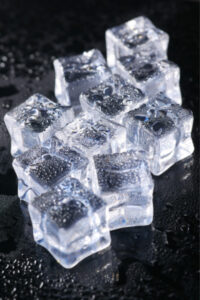
How Cold Therapy Works
Cold therapy reduces inflammation by constricting blood vessels and calming irritated tissues. It numbs sharp pain, helps manage flare-ups, and supports recovery after physical activity — especially when joints become hot, swollen, or tender.
Top Benefits of Cold Therapy
- Reduces inflammation and swelling
- Numbs acute or sharp pain
- Helps manage arthritis flare-ups
- Supports recovery after physical activity
- Decreases swelling, restoring comfort and mobility
When Cold Therapy Works Best
- During an arthritis flare-up or after acute swelling
- After exercise or physical activity
- When joints feel hot, tender, or visibly swollen
Guidance: The American Journal of Sports Medicine recommends keeping cold sessions to 10–15 minutes to avoid delayed tissue damage. Never apply ice directly to skin — always use a barrier, and limit sessions to around 20 minutes to avoid irritation or frostbite.
Top Cold Therapy Products for Arthritis
| Product | Features | Why It’s Helpful |
|---|---|---|
| Gel Cold Packs | Flexible, reusable, freezer-safe | Easy to wrap around joints |
| Cold Compress Wraps | Adjustable straps, targeted relief | Secure fit for knees, elbows, and wrists |
| Cold Therapy Machines | Circulate cold water or air for consistent cooling | Great for ongoing inflammation and flare-ups |
| Instant Cold Packs | Activate instantly, no freezer needed | Ideal for on-the-go relief during unexpected flare-ups |
Heat vs. Cold Therapy: Quick Comparison
Not sure which to use? Match your symptom to the right therapy:
| Symptom or Situation | Heat | Cold |
|---|---|---|
| Chronic stiffness | Best | — |
| Morning joint pain | Best | — |
| Swelling or inflammation | — | Best |
| Sudden flare-up pain | — | Best |
| Before stretching or exercise | Best | — |
| Post-activity soreness | Sometimes | Best |
| Rheumatoid arthritis flare | — | Best |
| Want to numb sharp pain | — | Best |
Heat Pads vs. Gel Packs: Which Tool Is Better?
When Heat Pads Are the Better Choice

Heat pads provide deep warmth that helps loosen stiff joints and relax the surrounding muscles. They work especially well for:
- Osteoarthritis stiffness
- Morning joint tightness
- Large areas like the back, hip, or knees
Most heat pads offer deeper, longer-lasting relief than dry heat alternatives.
When Gel Packs Are the Better Choice
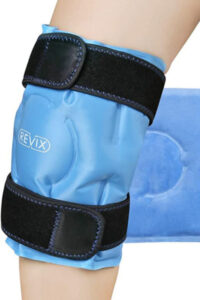
Gel packs are especially useful because they double as both heat and cold therapy — freeze one for cooling relief, or warm it for gentle heat. As a targeted cold therapy tool, they’re best for:
- Swollen or inflamed joints
- Targeted areas like wrists, knuckles, or shoulders
- Quick relief after activity
For sudden flare-ups when you’re away from a freezer, instant cold packs are a useful backup — they activate on the spot without any prep. Always use a cloth barrier and limit gel pack sessions to 10–15 minutes.
Real-Life Tip: Combine Both for Maximum Relief
Many arthritis patients find that a heat-cold combination gives the best results. A common approach that works well:
- Morning: Use a heating pad to loosen stiff joints and ease into the day
- After activity: Apply a cold pack to reduce any swelling or soreness
- Evening: Gentle heat again to relax muscles before bed
This alternating method — sometimes called contrast therapy — can help manage both stiffness and swelling throughout the day, especially if you experience both symptoms regularly.
Common Mistakes to Avoid

- Applying heat to swollen joints — this can worsen inflammation
- Leaving cold packs on too long — more than 15–20 minutes risks skin damage
- Using cold when your joints feel stiff or cold to the touch — reach for heat instead
- Skipping the barrier layer — always place a cloth between your skin and any pack
- Using heat if you have poor circulation or neuropathy — check with your doctor first
If pain persists or doesn’t improve with either therapy, consult a healthcare professional.
Final Thoughts: Choose the Therapy That Fits Your Pain
Managing arthritis well comes down to understanding your symptoms and matching the right tool to the right moment. Heat is your go-to for morning stiffness, chronic aches, and pre-activity warm-ups. Cold is your go-to for swelling, flare-ups, and post-activity recovery.
When in doubt, remember the rule: heat for stiffness, cold for swelling. And when both are part of the picture, alternating between them throughout the day can offer the most consistent, lasting relief.
Frequently Asked Questions
Can I use both heat and cold therapy on the same day?
Yes — many arthritis patients do exactly that. Space them out: use cold after activity or during a flare-up, then use heat later to relax stiff joints. Most people find combining both gives better overall relief than relying on one alone.
How long should I apply heat or cold?
Generally 15–20 minutes per session is enough for heat. For cold, keep it to 10–15 minutes. Always use a cloth layer between your skin and the source to prevent burns or frostbite.
Is heat or cold better for rheumatoid arthritis?
Cold therapy is especially helpful during active RA flare-ups, as it reduces inflammation and numbs sharp pain. Heat can help manage chronic stiffness between flares. Many RA patients use both, depending on what their joints are doing that day.
Is it safe to use heat or cold therapy every day?
Yes, with moderation. Daily use is generally safe — just make sure not to overdo sessions, and stop if either therapy worsens your symptoms.
Can heat or cold therapy replace arthritis medication?
No. These therapies help manage symptoms but do not treat the underlying condition. Always continue any prescribed treatment and speak with your doctor about the right combination approach for you.
How often can I use heat therapy?
Up to 2–3 times per day for 15–20 minutes is a good general guideline. Listen to your body and reduce frequency if your skin becomes irritated.
How We Evaluated These Recommendations
Our editorial team researches arthritis pain management products by reviewing manufacturer specifications, cross-referencing physical therapy and rheumatology guidance on heat/cold application, and prioritizing safety features like auto shut-off and skin-barrier design. We are not medical professionals, and we are not compensated by any manufacturer to feature their products.
Related Reading
- Best Heating Pads and Wraps for Arthritis Relief
- Hydrotherapy for Arthritis: Warm Water Relief That Works
- Topical Pain Relief for Arthritis
- Ultimate Guide to Living Well with Arthritis