

Disclosure: As an Amazon Associate, Arthritis Wares earns from qualifying purchases at no extra cost to you. We are not paid or sponsored by any manufacturer. Affiliate links help support our work.
Gout can cause sudden, intense joint pain, swelling, redness and warmth. An attack often begins overnight and commonly affects the base of the big toe, although the ankles, knees, wrists and other joints can also be affected.
The good news is that treatments are available to relieve a gout flare and help prevent future attacks. Cold therapy may provide temporary comfort, while prescribed medication can control inflammation and, when needed, lower uric acid levels to reduce the risk of recurring flares.
Home remedies and supplements are often promoted as natural gout treatments, but the evidence is much less convincing. This guide explains what may help, what remains uncertain, and when to seek medical care.
Quick Answer: What Helps Relieve Gout Pain?
For a gout flare, consider these practical steps:
- Use a cold pack: A cloth-wrapped cold pack may temporarily ease pain and swelling.
- Rest the affected joint: Avoid unnecessary walking, pressure or activity that aggravates the pain.
- Elevate the joint: If comfortable, raise the affected foot or limb to help reduce discomfort.
- Ask about appropriate medication: Colchicine, an NSAID or a corticosteroid may be prescribed, depending on your health and other medications.
- Stay appropriately hydrated: Avoid dehydration, but follow any fluid restrictions given for heart or kidney conditions.
- Plan for prevention: If attacks recur, discuss uric acid testing and long-term treatment with your healthcare professional.
No supplement has been established as a reliable replacement for proven gout treatment. Cold therapy can help with symptoms, but it does not remove uric acid crystals or prevent future attacks on its own.
What Causes Gout Pain?
Gout is a form of inflammatory arthritis associated with elevated uric acid levels. Uric acid can form needle-shaped crystals in and around joints, triggering an intense inflammatory response.
A gout flare may cause:
- Sudden, severe joint pain
- Redness, warmth and swelling
- Tenderness so pronounced that even a bedsheet feels uncomfortable
- Difficulty standing, walking or moving the affected joint
Uric acid levels can be influenced by genetics, kidney function, certain medications and other health factors, as well as diet and alcohol intake. Gout is not simply the result of eating the wrong foods, and even people with healthy habits can develop it.
How to Relieve Gout Pain During a Flare
1. Apply a Cold Pack
Cold therapy is a practical, non-drug option that may help relieve pain and swelling during a gout attack. The American College of Rheumatology conditionally recommends applying ice as an additional treatment during a flare.
A reusable gel cold pack can be particularly convenient because it can be shaped around the foot, toe or ankle.
How to use cold therapy safely:
- Wrap the cold pack in a thin towel or cloth. Do not apply it directly to bare skin.
- Apply it for approximately 15–20 minutes at a time.
- Allow the skin to return to its normal temperature between applications.
- Stop if the skin becomes numb, unusually pale or painful.
- Avoid tight wraps or pressure on a severely swollen, tender joint.
Do not fall asleep with a cold pack in place. If you have reduced sensation or circulation, ask a healthcare professional whether cold therapy is appropriate for you.
Cold therapy is a supportive measure, not a treatment for the underlying uric acid problem.
Recommended Product: Reusable Gel Cold Pack
A flexible, reusable gel cold pack is a sensible option for people who want an easy way to apply cold to a painful toe or foot.
What to look for:
- A flexible design that can fit around the foot or ankle
- A reusable pack that can be chilled in a freezer
- A size that covers the affected area without excessive pressure
- A washable cover or a design that can be used with a protective cloth
A general-purpose flexible gel pack may be sufficient; you do not necessarily need a product specifically marketed for gout.

2. Rest and Protect the Affected Joint
During a painful flare, reduce activities that put pressure on the joint. If your big toe or foot is affected, avoid unnecessary walking and choose footwear that does not squeeze the swollen area.
Elevating the foot may make it more comfortable. Do not force movement or massage a severely inflamed joint.
Return to normal activity gradually as the pain and swelling improve.
3. Ask About Medication for a Gout Flare
Medication can be important when pain and inflammation are severe. Clinical guidelines recommend options such as:
- Colchicine: An anti-inflammatory medication commonly used for gout flares.
- NSAIDs: Anti-inflammatory medicines such as naproxen or ibuprofen, when appropriate.
- Corticosteroids: Oral medication or an injection may be used when suitable.
The best choice depends on factors such as kidney function, stomach ulcers, heart disease, blood pressure, other medications and the timing of the flare. These medicines are not safe or appropriate for everyone, so consult a healthcare professional rather than choosing one based on a general article.
If you have a prescribed plan for treating flares, follow those instructions. Early treatment may help control symptoms.
Can You Lower Uric Acid Naturally?
Lifestyle changes can support gout management, but they generally have a smaller effect on uric acid levels than medication when medication is indicated.
Stay Hydrated
Drink fluids regularly to avoid dehydration, particularly during hot weather or illness. Water is a practical everyday choice.
There is no single water target suitable for everyone. People with heart failure, kidney disease or a prescribed fluid restriction should follow their clinician’s advice rather than deliberately increasing fluid intake.
Hydration is sensible self-care, but drinking extra water alone is not a reliable way to control established gout.
Limit Alcohol and Sugary Drinks

Alcohol, particularly beer and spirits, can contribute to gout flare risk. Drinks sweetened with high-fructose corn syrup are also worth limiting.
You do not need to assume that every flare is caused by a particular meal or drink. Gout has multiple causes, including genetic and kidney-related factors.
Choose a Balanced Eating Pattern
A balanced diet that includes vegetables, whole grains, fruit and suitable protein sources can support general health. Some people may benefit from limiting foods particularly high in purines, such as organ meats, and moderating certain seafood and meat intake.
However, diet alone usually cannot control uric acid adequately in people who need medication. Avoid extreme diets or rapid weight-loss plans, which may worsen gout in some circumstances.
If you are overweight, gradual weight management may help. The aim is sustainable health improvement, not blame or restrictive eating.
Do Supplements Help Gout?
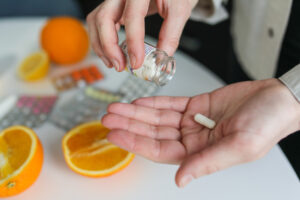
Supplements marketed for gout often claim to flush out uric acid, dissolve crystals or prevent attacks. These claims should be treated cautiously.
Tart Cherry Supplements
Tart cherries and cherry extracts are popular in gout-related products. Some observational research has explored whether cherries are associated with fewer gout attacks, but the evidence is limited and does not establish tart cherry supplements as a reliable treatment.
There is not enough strong evidence to recommend a tart cherry product for lowering uric acid or preventing gout flares.
Vitamin C
Vitamin C has been studied for its possible effects on uric acid. However, the American College of Rheumatology conditionally recommends against adding vitamin C supplements specifically to manage gout because the evidence has not demonstrated a meaningful clinical benefit.
High-dose supplements can also be unsuitable for some people, including those at risk of kidney stones. Do not start high-dose vitamin C for gout without medical advice.
Celery Seed and “Uric Acid Support” Blends
Celery seed and multi-ingredient supplements are sometimes promoted for gout. Reliable clinical evidence that these products treat gout or prevent flares is insufficient.
Ingredients may interact with medications or be unsuitable for people with certain medical conditions. A product’s name or marketing claims do not demonstrate that it lowers uric acid in a clinically meaningful way.
Should You Buy a Uric Acid Supplement?
At present, I would not recommend a specific uric acid supplement as a proven gout treatment. That is a deliberate choice: a product recommendation should offer a meaningful, evidence-based benefit rather than simply filling a space in a buying guide.
If you are considering a supplement, discuss it with your healthcare professional or pharmacist, especially if you take prescription medication or have kidney or heart problems.
For many people with recurrent gout, the more useful next step is to have uric acid levels assessed and discuss whether established treatment is appropriate.
Medical Treatment to Prevent Future Gout Attacks
Relieving a flare is only part of gout management. If uric acid remains too high, crystals may persist and attacks can recur.
A healthcare professional may recommend urate-lowering therapy, particularly for people with frequent flares, gout-related joint damage or tophi (collections of urate crystals under the skin).
Allopurinol is a commonly recommended first-line urate-lowering medicine. It is generally started at a low dose and adjusted according to blood tests and the person’s circumstances. Other treatments may be appropriate for some patients.
When urate-lowering therapy is indicated, treatment is often guided by a blood uric acid target, commonly below 6 mg/dL (about 357 micromol/L), although individual management may vary.
Do not stop or change prescribed gout medication without medical advice. Starting or adjusting urate-lowering treatment can require a plan to reduce the risk of flares during the early stages.
When Should You Seek Medical Attention?

Seek prompt medical assessment if:
- This is your first episode of a hot, red and swollen joint.
- The pain is severe or worsening.
- You have a fever, chills or feel generally unwell.
- The joint is unusually hot, red or swollen and the cause is uncertain.
- You cannot bear weight or use the affected joint.
A joint infection can sometimes resemble gout and requires urgent treatment. Do not assume a painful, swollen joint is gout simply because it affects the big toe or resembles a previous attack.
If gout attacks recur, arrange follow-up to discuss uric acid testing, kidney health, medications and a prevention plan.
Frequently Asked Questions
What is the fastest way to relieve gout pain?
Appropriate anti-inflammatory medication prescribed or recommended by a healthcare professional is often central to treating a flare. Resting the joint and applying a cloth-wrapped cold pack may provide additional comfort.
Does ice help gout?
Ice may temporarily reduce pain and swelling. Clinical guidelines support topical ice as an additional measure during a flare, but it does not treat the underlying cause of gout.
Does drinking water flush uric acid out?
Adequate hydration helps prevent dehydration, but drinking extra water is not a dependable treatment for gout or a substitute for urate-lowering medication when needed.
What supplement lowers uric acid the most?
No over-the-counter supplement has been established as a dependable substitute for prescribed urate-lowering treatment. Evidence for tart cherry, vitamin C and celery seed is insufficient to recommend them as gout treatments.
Should I avoid all meat if I have gout?
Not necessarily. Some meats and seafood contain more purines than others, but gout management involves more than diet. A balanced eating pattern, moderation and appropriate medical treatment are generally more useful than severe food restrictions.
Can gout go away permanently?
A flare can settle, but that does not necessarily mean the underlying uric acid problem has resolved. With appropriate long-term treatment, many people can substantially reduce uric acid levels and prevent future attacks.
Related Reading
- Living Well With Arthritis: Practical Relief, Tools & Daily Strategies
- Natural Supplements for Arthritis: Evidence, Benefits & Risks
- Arthritis Supplies & Tools: Complete Guide to Daily Living Aids
Sources and Further Information
- American College of Rheumatology: 2020 Guideline for the Management of Gout
- NICE: Gout—Diagnosis and Management
- American College of Rheumatology: Gout Guideline
Medical Disclaimer: This article is for informational purposes only and does not constitute medical advice. Always consult your doctor, rheumatologist, or occupational therapist before making changes to how you manage your arthritis.
