
Disclosure: As an Amazon Associate, Arthritis Wares earns from qualifying purchases at no extra cost to you. We are not paid or sponsored by any manufacturer. Affiliate links help support our work.
Arthritis can make getting in and out of a bathtub or standing at a bathroom sink more difficult. Stiff knees, painful hips, reduced grip strength, and limited mobility can make it harder to maintain balance while bathing.
The right bath mat may help improve traction, but choosing one requires care. A mat designed for the inside of a bathtub is different from a mat placed on the bathroom floor. Using the wrong type, choosing a poor fit, or allowing a mat to curl or shift can create additional hazards.
This guide compares five bath mats for different needs, explains what to look for before buying, and offers practical advice for people who want to make their bathroom easier to use with arthritis.
Quick Answer: Which Non-Slip Bath Mat Should You Choose?
- Best traditional bathtub mat: Gorilla Grip Original Bath Mat — a conventional suction-cup mat to consider for compatible, smooth bathtub surfaces.
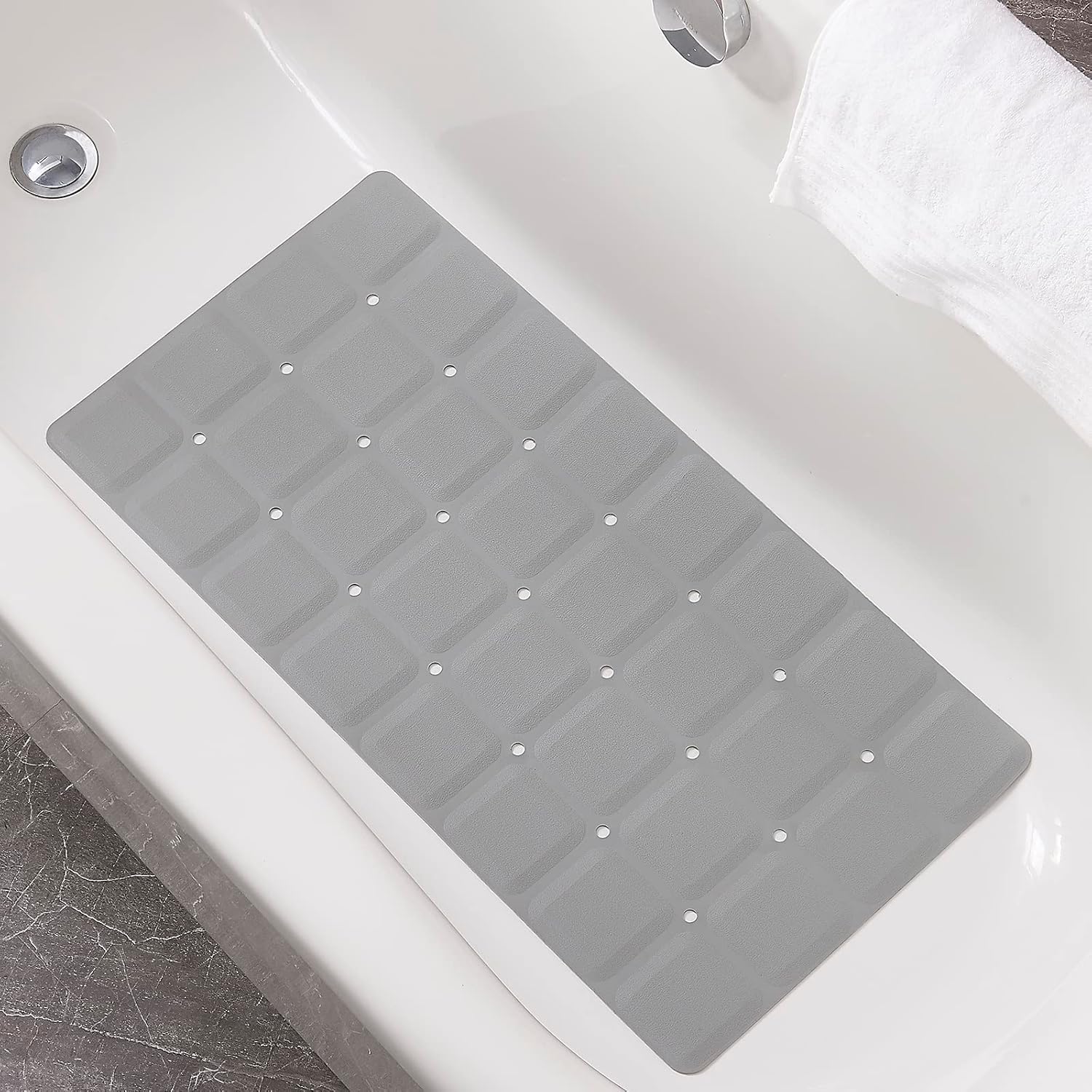
- Another bathtub option: Vive Non-Slip Bath Mat — worth comparing for its size, texture, and drainage design.
- Best alternative bathtub design: Webos Silicone Bath Mat — a silicone option to compare for fit, grip design, and cleaning requirements.
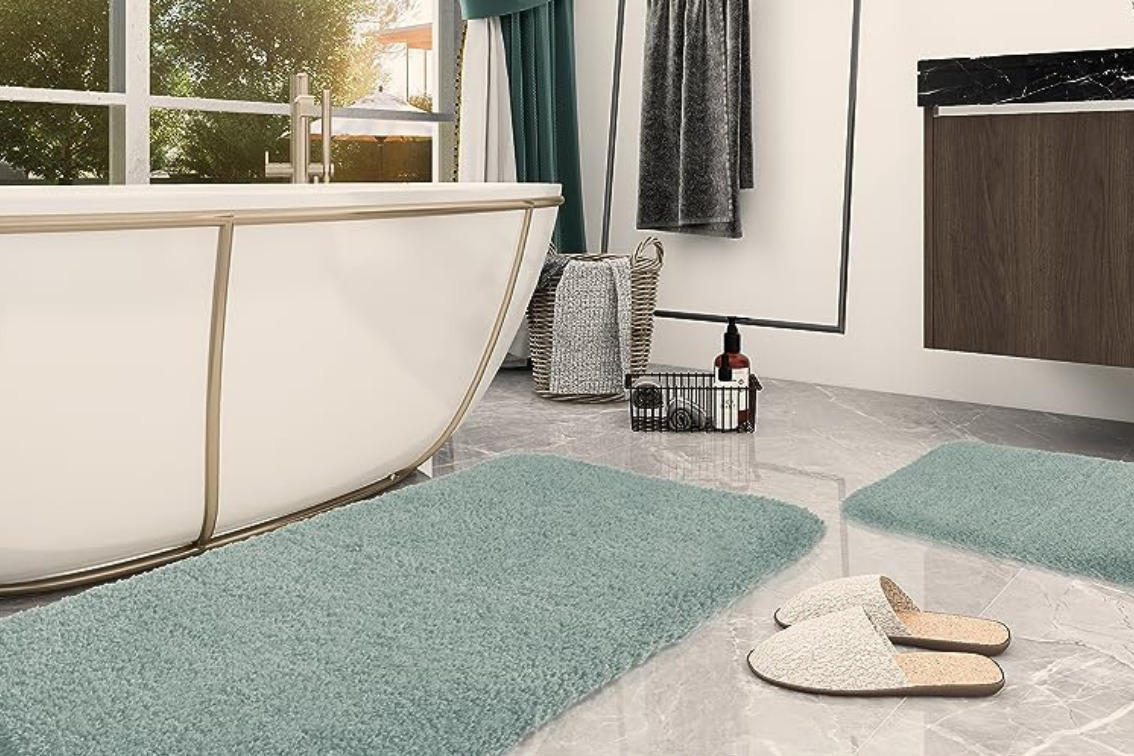
- Best soft bathroom floor mat: Yimobra Chenille Bath Rug — a soft, absorbent style for stepping onto the bathroom floor.
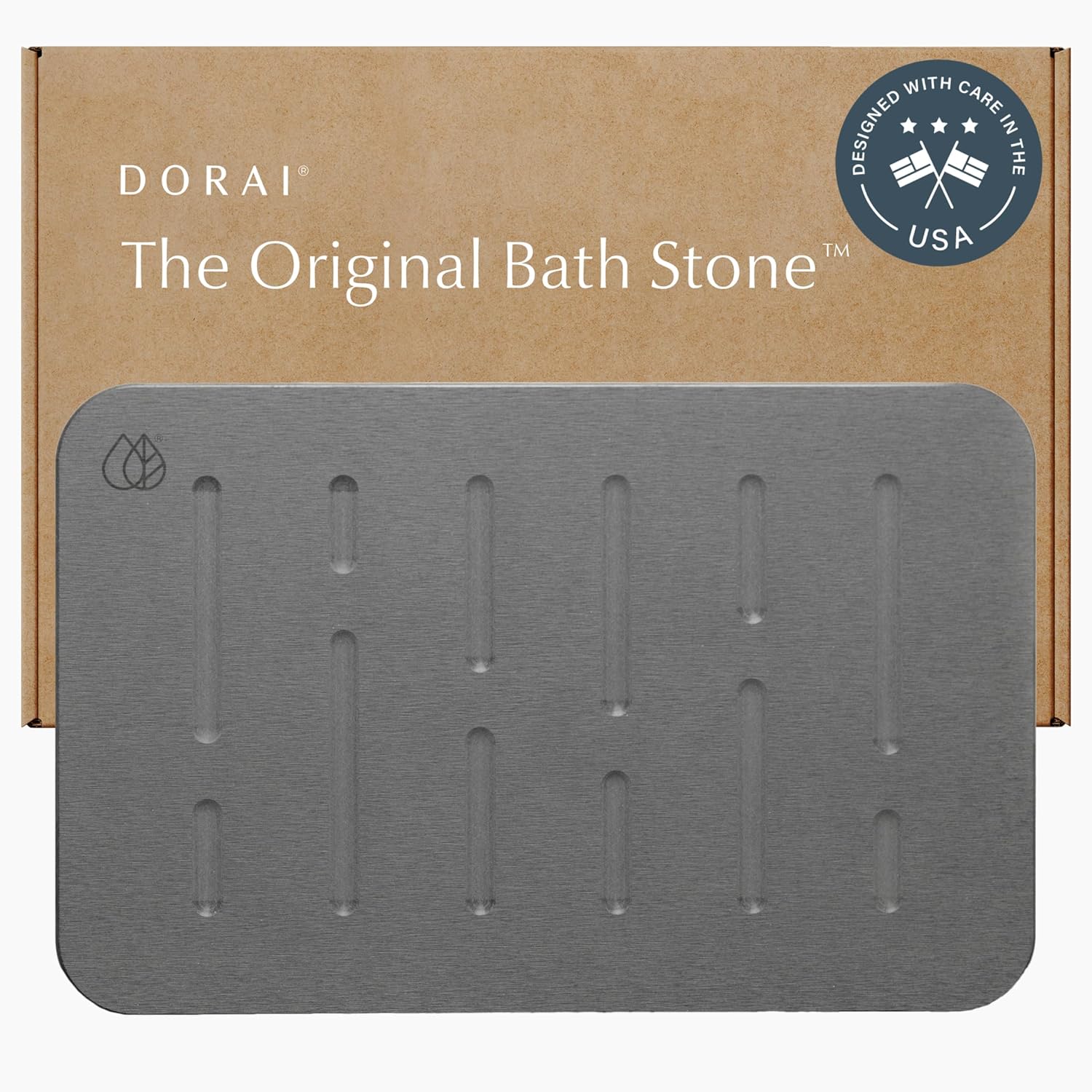
- Best hard-surface floor mat: Dorai Stone Bath Mat — a rigid, stone-style mat rather than a conventional soft rug.
Important: These products are not interchangeable. Use a bathtub mat only as directed by its manufacturer, and use a floor mat only on a suitable bathroom floor. Neither type replaces grab bars, appropriate bathing equipment, or other support that may be needed for safe movement.
Bath Mats vs. Bathroom Floor Mats: Know the Difference
Before comparing products, decide where you need the mat.
Mats for inside the bathtub
These are designed for use on the bathtub floor. Many use suction cups to help hold the mat in place, while others use different grip designs.
Check whether the mat is compatible with your tub’s surface. Some bathtub materials, textured finishes, and shapes may not allow suction cups to attach properly.
Mats for the bathroom floor
These sit outside the tub or shower, where water may drip onto the floor. Depending on the design, they may absorb water, provide a textured surface, or use a rigid material.
A floor mat must stay flat and secure underfoot. A mat that curls at the edges, shifts when stepped on, or creates a raised edge can become a tripping hazard.
Do not use a soft bathroom rug inside the bathtub unless the manufacturer explicitly identifies it as suitable for that purpose. Likewise, a bathtub suction mat is not automatically suitable for the bathroom floor.
Best Non-Slip Bath Mats: Five Options to Compare
1. Gorilla Grip Original Bath Mat
Best for: A conventional bathtub mat with suction cups
The Gorilla Grip Original Bath Mat is a traditional bathtub mat to consider if you want a mat that attaches to a compatible tub surface.
Its suction-cup design is intended to help hold the mat in place. However, suction performance depends on the bathtub surface, cleanliness, installation, and the condition of the mat.
What to consider
- Confirm that your tub surface is compatible with the suction cups.
- Check the mat’s dimensions against the usable floor area of the tub.
- Make sure the mat does not obstruct the drain.
- Follow the manufacturer’s instructions for securing, removing, and cleaning it.
Potential drawback: Suction cups may not adhere reliably to every bathtub finish. Do not assume that a mat is secure simply because it appears to be attached.

2. Vive Non-Slip Bath Mat
Best for: An alternative bathtub mat to compare
The Vive Non-Slip Bath Mat is another option to consider when comparing bathtub mats. Look at its surface texture, dimensions, drainage features, and attachment method before deciding whether it suits your bathroom.
For someone with arthritis, ease of handling matters as well as grip. A mat that is awkward to position, remove, or clean may be inconvenient if hand pain or reduced grip strength makes these tasks difficult.
What to consider
- Does the mat fit the tub without excessive folding or overhang?
- Is its attachment system appropriate for your bathtub surface?
- Can it be lifted and cleaned without straining your hands?
- Does its design allow water to drain as intended?
Potential drawback: No bathtub mat should be assumed to work on every tub surface. Check the manufacturer’s compatibility guidance before buying.

3. Webos Silicone Bath Mat
Best for: A silicone-style bathtub mat
The Webos Silicone Bath Mat provides another design to compare with conventional suction-cup mats. Silicone mats may appeal to shoppers looking for a flexible material, but the material alone does not establish how securely a particular mat will stay in place.
The important questions are whether the mat is intended for your type of tub, how its grip system works, and whether it can be cleaned and dried thoroughly.
What to consider
- Confirm that the product is specifically designed for bathtub use.
- Check its size, surface texture, and attachment method.
- Follow the cleaning and drying instructions.
- Inspect the mat regularly for damage, residue, or changes in grip.
Potential drawback: Do not assume that a silicone mat is suitable for every surface or that it cannot move. Test the attachment according to the manufacturer’s directions before use.
4. Yimobra Chenille Bath Rug
Best for: A soft mat on the bathroom floor
The Yimobra Chenille Bath Rug is a soft, absorbent-style floor mat to consider for the area outside a bathtub or shower.
A soft surface may be comfortable underfoot when stepping out of the bath. However, softness and absorbency are not the same as reliable slip resistance. The backing must be suitable for the particular floor, and the rug must remain flat when walked on.
What to consider
- Check that the backing is compatible with your bathroom flooring.
- Make sure the rug lies flat and does not slide or bunch up.
- Choose a size that does not obstruct the route between the tub, toilet, and doorway.
- Follow the washing and drying instructions so the mat does not remain damp.
Potential drawback: A thick or loosely positioned rug may create an edge that is difficult to step over, particularly for someone with stiff knees, limited foot clearance, or balance problems.

5. Dorai Stone Bath Mat
Best for: A rigid, stone-style bathroom floor mat
The Dorai Stone Bath Mat is a different kind of floor mat. Rather than a soft fabric rug, it uses a rigid, stone-style surface designed to absorb moisture.
This design may appeal to people who prefer a firm surface and want an alternative to a traditional fabric mat. However, a rigid mat still needs to remain stable on the floor, and its surface must be appropriate for the intended use.
What to consider
- Confirm that the mat is designed for the location where you plan to use it.
- Check the dimensions and ensure it does not obstruct walking space.
- Make sure it sits securely and does not rock or slide.
- Follow the manufacturer’s care instructions and inspect the surface for damage.
Potential drawback: A hard mat may be less forgiving underfoot than a soft rug, and its edges can create a trip hazard if it is raised or poorly positioned. Do not assume that moisture absorption means the walking surface is slip-proof.
How to Choose a Bath Mat When You Have Arthritis
The best choice depends on where the mat will be used, the type of surface in your bathroom, and the movements that are difficult for you.
1. Check the surface before buying
A bathtub mat that depends on suction cups needs a surface that allows the cups to attach correctly. Some textured or uneven bathtub floors may prevent a reliable attachment.
For floor mats, check the backing and the type of flooring. A backing that works on one surface may not perform the same way on another.
2. Choose the right size
A bathtub mat should fit the intended standing area without interfering with the drain or bunching up against the sides.
A bathroom floor mat should cover the area where you need it without obstructing doorways, narrow walking routes, or access to grab bars and other equipment.
Do not choose a larger mat simply because it covers more area. A poorly fitted mat can create new problems.
3. Consider how easy it is to handle
Arthritis in the hands and fingers can make it difficult to lift, reposition, scrub, or wring out bathroom mats.
Look for a design that you can manage comfortably. If lifting a mat is difficult, consider whether another person can help with cleaning and drying, or whether a different design would be easier to maintain.
4. Think about cleaning and drying
Moisture, soap residue, and accumulated dirt can affect a mat’s condition and make cleaning more difficult.
Follow the manufacturer’s instructions for washing, rinsing, and drying. Lift and inspect bathtub mats as directed, and allow the tub and mat to dry thoroughly. Floor mats should also be cleaned and dried regularly.
A mat that is difficult to maintain may become less practical over time.
5. Avoid curled edges and movement
A floor mat should lie flat and stay in place during normal use. Replace or reposition one that curls, bunches, or shifts.
For a bathtub mat, confirm that its attachment is secure before use and check it regularly. If it moves or cannot attach reliably to the surface, stop using it until the problem is resolved.
Bath Mat Safety Tips for People With Arthritis
A bath mat is only one part of a bathroom safety plan. It cannot guarantee that a surface will be slip-free or prevent every fall.
- Check the mat before each use. Look for movement, curled edges, damaged suction cups, or other signs that it may not be secure.
- Keep the walking route clear. Remove clutter, loose rugs, and items that make it harder to enter or leave the bathroom.
- Use suitable support. Properly installed grab bars can provide support where needed. Do not use towel rails, shower doors, or unstable fixtures to pull yourself up.
- Consider a shower chair or transfer bench. If standing or stepping over the bathtub wall is difficult, a mat alone will not address those challenges.
- Make soap and bathing supplies accessible. Avoid reaching or bending across a wet surface to retrieve them.
- Get help if the setup is not working. If you struggle to enter, exit, or maintain your balance, ask a qualified occupational therapist or physiotherapist to assess your bathroom setup.
If a mat cannot be secured properly, do not rely on it as a safety measure.
Frequently Asked Questions
Do non-slip bath mats prevent falls?
No mat can guarantee fall prevention. A properly selected and maintained mat may help with traction, but its effectiveness depends on the surface, fit, condition, and correct use. Bathroom layout, lighting, grab bars, and appropriate bathing equipment also matter.
Are suction-cup bath mats suitable for every bathtub?
No. Suction cups may not attach properly to some textured, uneven, or otherwise incompatible surfaces. Check the manufacturer’s instructions and confirm that the mat is suitable for your tub before using it.
Can I use a bath rug inside the bathtub?
Only if the manufacturer explicitly states that the product is designed for bathtub use. Ordinary bathroom floor rugs are not interchangeable with bathtub mats.
Are soft bathroom rugs safe for people with arthritis?
They may be useful for absorbing water outside the tub, but softness does not guarantee grip. Check the backing, make sure the rug stays flat, and avoid raised edges or mats that slide underfoot.
How often should I clean a bath mat?
Follow the product’s care instructions. Inspect the mat regularly and clean it whenever residue, dirt, or moisture builds up. Allow it to dry thoroughly, and replace it if its attachment, backing, or surface deteriorates.
Should I buy a bath mat or a shower chair first?
That depends on the difficulty you are trying to address. A suitable mat may help with traction, while a shower chair can provide a place to sit during bathing. If standing, balancing, or stepping over a tub wall is difficult, consider a shower chair or transfer bench as part of a broader safety assessment.
Final Recommendation
For a bathtub, start by checking which mats are compatible with the tub’s surface and compare their size, attachment, drainage, and cleaning requirements. The Gorilla Grip Original, Vive, and Webos silicone options provide three designs to compare.
For the bathroom floor, consider whether a soft rug such as the Yimobra Chenille or a rigid option such as the Dorai Stone better suits the space. In either case, stability, a flat profile, and easy maintenance matter more than softness or appearance alone.
If arthritis makes bathing or transferring difficult, do not rely on a mat as the only solution. A suitable shower chair, transfer bench, grab bars, and advice from an occupational therapist may address other parts of the problem.
Related Reading
- Arthritis Tools for Safe Bathing and Showering — Explore other equipment that may make bathing easier.
- Bathing Tips for Arthritis Relief: Safe and Soothing Shower Ideas — Review practical ways to simplify your bathing routine.
- Best Shower Chairs for Arthritis: Chairs, Stools & Transfer Benches — Compare seating options for bathing while seated.
- Arthritis-Friendly Home Modifications: A Room-by-Room Guide — Find other changes that may make everyday tasks easier.
Medical Disclaimer: This article is for informational purposes only and does not constitute medical advice. Always consult your doctor, rheumatologist, or occupational therapist before making changes to how you manage your arthritis.
