

When you live with arthritis, it is natural to look for foods that might make joint pain, stiffness, or swelling worse. You may have heard that sugar causes inflammation, dairy aggravates arthritis, or nightshade vegetables such as tomatoes and potatoes should be avoided.
But not every food blamed for arthritis flares has been shown to cause them. Research on diet and arthritis is mixed, and the evidence depends partly on the type of arthritis you have.
Gout is a notable exception: certain foods and drinks can increase uric acid levels or the risk of gout attacks. For rheumatoid arthritis (RA) and osteoarthritis (OA), however, there is no single list of foods that everyone needs to avoid.
This guide separates common claims from what research suggests, so you can make informed food choices without unnecessarily restricting your diet.
Quick Answer: Which Foods Can Trigger Arthritis Flares?
- Gout: Alcohol, especially beer and spirits, sugary drinks, organ meats, and some red meats and seafood can increase the risk of gout attacks.
- Rheumatoid arthritis: Some people report that particular foods worsen their symptoms, but there is no strong evidence that one specific food reliably triggers flares in everyone.
- Osteoarthritis: No individual food has been established as a universal trigger. Overall eating patterns, nutritional quality, and weight management may matter more than avoiding a particular ingredient.
- Nightshades, dairy, and gluten: These foods do not need to be avoided by everyone with arthritis. Individual intolerance or conditions such as celiac disease may make avoidance appropriate for some people.
The practical approach is to eat a balanced diet, notice consistent patterns in your own symptoms, and avoid eliminating major food groups without a good reason.
10 Foods and Food Groups Often Blamed for Arthritis Flares
1. Sugar and Sugary Drinks

What people say: Sugar causes inflammation and makes arthritis pain worse.
What research shows: A diet high in added sugar, particularly from sugary drinks and heavily processed foods, can contribute to poor overall diet quality and metabolic health. Some studies associate these dietary patterns with inflammation, but that does not prove that eating a dessert or drinking a sweetened beverage will trigger an arthritis flare.
Sugar-sweetened drinks deserve particular attention for people with gout. Drinks containing high amounts of fructose are associated with higher uric acid levels and an increased risk of gout attacks.
A practical approach: Reduce frequent sugary drinks and choose water or unsweetened beverages more often. You do not necessarily need to eliminate all sugar from your diet.
2. Refined Carbohydrates and Highly Processed Foods

What people say: Bread, pasta, white rice, and processed snacks cause joint inflammation.
What research shows: There is no strong evidence that all refined carbohydrates directly trigger arthritis symptoms. However, a diet that relies heavily on highly processed foods may leave less room for vegetables, fruit, whole grains, legumes, and other nutrient-rich foods.
The overall dietary pattern matters more than automatically labelling every carbohydrate as harmful. Whole-grain bread, oats, and other high-fibre foods can be part of a balanced eating plan.
A practical approach: Replace some refined grains with whole grains when practical. You do not need to remove bread, rice, or pasta entirely unless you have a specific medical reason to do so.
3. Red and Processed Meat

What people say: Red meat increases inflammation and worsens arthritis.
What research shows: Frequent consumption of processed meat and large amounts of red meat may be associated with less healthy dietary patterns and certain chronic health risks. Some research has also examined links between saturated fat intake and osteoarthritis progression, but this does not establish that a serving of red meat will cause a flare.
For gout, the situation is more specific. Red meat contains purines, which the body breaks down into uric acid. Organ meats, such as liver and kidney, are particularly high in purines, and some red meats can contribute to gout risk.
A practical approach: Consider eating processed meat less often and varying your protein sources. Fish, eggs, beans, lentils, tofu, poultry, and other foods can provide alternatives. If you have gout, ask your healthcare professional about a diet suited to managing uric acid.
4. Nightshade Vegetables: Tomatoes, Potatoes, Peppers, and Eggplant
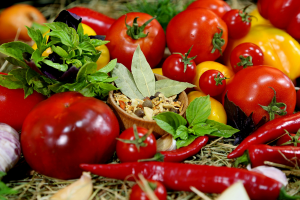
What people say: Nightshade vegetables contain substances that aggravate arthritis and should be avoided.
What research shows: There is limited scientific evidence that nightshade vegetables trigger arthritis symptoms in most people. Tomatoes, potatoes, peppers, and eggplant also provide nutrients and can fit into a balanced diet.
Some people report feeling worse after eating particular foods. Those experiences are worth investigating, but they do not establish that nightshades are a general cause of arthritis flares.
A practical approach: If you repeatedly suspect a particular nightshade, track your symptoms and test that food individually rather than eliminating the entire group indefinitely. If you notice no consistent connection, there is no established arthritis-related reason to avoid these vegetables.
5. Dairy Products: Milk, Cheese, and Yogurt

What people say: Dairy causes inflammation and increases joint pain.
What research shows: Evidence does not support a blanket recommendation for everyone with arthritis to avoid dairy. Responses vary, and lactose intolerance or a milk allergy can cause problems that are separate from arthritis itself.
Dairy foods can provide protein and nutrients such as calcium. Some dairy products may also be useful for people managing gout, as certain low-fat dairy foods are associated with lower uric acid levels.
A practical approach: If you tolerate dairy, there is generally no need to remove it solely because you have arthritis. If you suspect a connection with your symptoms, discuss a structured trial or suitable alternatives with a healthcare professional or registered dietitian.
6. Alcohol

What people say: Alcohol always increases arthritis inflammation and should be avoided by everyone with arthritis.
What research shows: The effects depend on the person, the amount consumed, the type of arthritis, and any medications being taken. Alcohol is particularly relevant to gout: drinking can increase the risk of attacks, with beer and spirits being important concerns.
Alcohol can also interact with some arthritis medications or increase certain health risks. Advice should therefore take your treatment into account.
A practical approach: If you have gout, ask your healthcare professional how best to limit alcohol based on your condition and treatment. If you take arthritis medication, check whether alcohol is safe with that medication. Do not stop or change prescribed treatment to accommodate drinking.
7. Fried Foods and Vegetable Oils

What people say: Vegetable oils, particularly oils rich in omega-6 fats, cause inflammation and should be eliminated.
What research shows: This claim oversimplifies nutrition science. Omega-6 fatty acids are essential fats, and it is not established that ordinary consumption of common vegetable oils directly causes arthritis flares.
Frequently eating deep-fried foods may contribute to a dietary pattern high in calories, salt, or less nutritious ingredients. That is different from proving that a particular cooking oil causes joint pain.
A practical approach: Focus on your overall eating pattern rather than fearing one type of oil. Use a variety of cooking methods, such as baking, steaming, grilling, or sautéing, and include unsaturated fats from foods such as olive oil, nuts, seeds, and fish.
8. Gluten and Wheat Products

What people say: Gluten causes inflammation in people with arthritis, so everyone should follow a gluten-free diet.
What research shows: There is no strong evidence that all people with arthritis benefit from avoiding gluten. Gluten must be avoided by people with celiac disease, and some people have non-celiac gluten sensitivity. Those conditions are different from assuming gluten triggers arthritis in everyone.
A gluten-free diet can also become unnecessarily restrictive if it removes nutritious whole grains without suitable replacements.
A practical approach: If wheat-based foods seem consistently associated with symptoms, discuss the pattern with a healthcare professional. If celiac disease is a possibility, seek medical advice before starting a gluten-free diet because removing gluten can affect the accuracy of diagnostic testing.
9. Food Additives and Artificial Ingredients

What people say: Artificial sweeteners, preservatives, and other additives trigger arthritis flares.
What research shows: There is not enough evidence to conclude that common food additives generally trigger arthritis symptoms. Individual sensitivities can occur, but broad claims about additives and arthritis are not well established.
It is also important not to confuse an individual food intolerance or allergy with an inflammatory arthritis flare.
A practical approach: If a particular packaged food repeatedly seems to cause a problem, check its ingredients and record the timing of your symptoms. You can then investigate that specific food rather than avoiding a long list of additives without evidence.
10. Salty Foods and High-Sodium Meals

What people say: Salt directly causes joint inflammation and arthritis flares.
What research shows: High sodium intake is a concern for overall health, especially blood pressure. Researchers have also investigated possible links between sodium and immune activity, but evidence does not establish that eating a salty meal directly triggers a flare for everyone with arthritis.
Some people need to pay particular attention to sodium because of high blood pressure, kidney disease, heart conditions, or medication-related concerns.
A practical approach: Check labels on packaged foods, sauces, soups, and processed meats, where sodium can add up. Follow any sodium limits recommended for your health conditions, but do not assume that one salty meal is the cause of a change in joint symptoms.
Why Gout Is Different From Other Types of Arthritis
Diet can have a clearer connection with gout than with many other forms of arthritis.
Gout occurs when uric acid builds up and forms crystals in or around joints. Some foods and drinks can increase uric acid levels or the likelihood of an attack. These include:
- Organ meats, such as liver and kidney.
- Some red meats and certain seafood.
- Beer and spirits.
- Sugary drinks, particularly those high in fructose.
Diet is only one part of gout management. Genetics, kidney function, other health conditions, and medications also affect uric acid levels. Dietary changes alone may not be enough to control gout, and prescribed treatment can be important for preventing future attacks and joint damage.
If you have gout, ask your healthcare professional for advice tailored to your uric acid levels and treatment plan.
How to Find Out Whether a Food Affects Your Symptoms
Arthritis symptoms can change from day to day. Sleep, activity, stress, illness, medication changes, and the natural course of the condition can all affect how you feel. A food eaten before a painful day is not necessarily the cause.
If you suspect a food trigger, use a consistent and measured approach.
1. Keep a Food and Symptom Diary
For a couple of weeks, record:
- What you ate and drank, including approximate portions.
- Joint pain, stiffness, swelling, or other symptoms.
- Sleep quality and unusual stress.
- Physical activity and changes in routine.
- Medication changes, illness, or other factors that could affect symptoms.
Look for a repeated pattern rather than drawing conclusions from one difficult day. A diary can help you identify questions to discuss with your healthcare professional.
2. Test One Suspected Food at a Time
If a particular food repeatedly appears to coincide with symptoms, consider discussing a short, structured trial of avoiding that food with a registered dietitian or healthcare professional.
Changing several foods at once makes it difficult to determine which change, if any, made a difference. It can also make your diet unnecessarily restrictive.
If a trial is appropriate, plan how to maintain adequate nutrition and how to reintroduce the food to see whether the pattern returns. Do not reintroduce a food that has caused a serious allergic reaction.
3. Avoid Unnecessary Elimination Diets
Removing entire food groups can make it harder to get enough protein, calcium, fibre, vitamins, and other nutrients. This can be especially concerning if you already have a limited appetite, are losing weight unintentionally, or have other medical conditions.
Get professional advice before making major dietary changes, particularly if you have gout, kidney disease, diabetes, food allergies, or a history of nutritional problems.
4. Do Not Change Arthritis Medication Because of Diet
Dietary adjustments may support your overall health, but they should not replace prescribed arthritis treatment. If you experience new or worsening joint swelling, persistent pain, or a suspected flare, contact your healthcare professional rather than relying on food restrictions alone.
What Should You Eat Instead?

Rather than concentrating only on foods to avoid, focus on an eating pattern that provides a wide variety of nutrients.
A Mediterranean-style approach is one option. It generally emphasizes:
- Vegetables and fruit.
- Whole grains.
- Beans, lentils, and other legumes.
- Nuts and seeds.
- Fish and other suitable protein sources.
- Unsaturated fats, including olive oil.
You do not need to follow a strict diet or buy expensive products to adopt these principles. Small, sustainable changes may be easier to maintain than a long list of forbidden foods.
For more ideas, see our guide to anti-inflammatory foods for arthritis. It explores nutritious food choices and how to include them in everyday meals without expecting any single food to cure arthritis.
Frequently Asked Questions
Can certain foods cause an arthritis flare overnight?
There is no reliable universal list of foods that causes overnight flares in people with rheumatoid arthritis or osteoarthritis. Some people notice recurring associations with particular foods, but symptoms can also change because of sleep, activity, stress, medication, or the condition itself. Gout has clearer dietary triggers, including alcohol and certain high-purine foods.
Should I stop eating tomatoes and potatoes if I have arthritis?
Not unless you have a specific reason to suspect that they affect you. There is limited evidence that nightshade vegetables trigger arthritis symptoms in most people. If you notice a consistent pattern, discuss a careful trial with a healthcare professional rather than automatically eliminating all nightshades.
Is sugar bad for rheumatoid arthritis?
A diet high in added sugar is not ideal for overall health, but there is no strong evidence that a specific sugary food reliably triggers a rheumatoid arthritis flare in everyone. Reducing frequent sugary drinks and choosing a balanced diet can be sensible without banning every sweet food.
Can changing my diet cure arthritis?
No particular diet has been shown to cure arthritis. A balanced eating pattern can support general health and may help some people manage symptoms, but the effects vary by condition and individual. Diet should complement, not replace, appropriate medical care.
Are anti-inflammatory diets better than elimination diets?
A balanced eating pattern rich in vegetables, fruit, whole grains, legumes, nuts, and suitable sources of protein is a reasonable starting point for many people. An elimination diet may be worth considering when there is a specific suspected trigger, but it is best planned carefully to avoid nutritional gaps and unnecessary restrictions.
Should I take supplements to prevent food-related arthritis flares?
Supplements are not a guaranteed way to prevent flares, and evidence varies by ingredient and type of arthritis. Some supplements can interact with medications or be unsuitable for particular health conditions. Discuss supplements with your healthcare professional before taking them.
The Bottom Line
Most people with arthritis do not need to follow a long list of forbidden foods. For rheumatoid arthritis and osteoarthritis, research has not established that common foods such as dairy, gluten, tomatoes, or potatoes universally trigger flares. Gout is different because certain foods and drinks can increase the risk of attacks.
Focus on a balanced eating pattern, track suspected triggers carefully, and make dietary changes based on repeatable patterns rather than fear or online claims. If symptoms worsen or you are considering a restrictive diet, ask your healthcare professional for guidance.
Related Reading
- Best Anti-Inflammatory Foods for Arthritis
- Arthritis Supplements: What to Know Before You Buy
- DIY Arthritis Remedies: What May Help and What to Consider
Sources and Further Reading
- Arthritis Foundation: Anti-Inflammatory Diet Do’s and Don’ts
- Arthritis Foundation: What to Eat for Arthritis
- Arthritis Society Canada: Eating Well With Arthritis
- NHS: Rheumatoid Arthritis Treatment and Dietary Changes
Medical Disclaimer: This article is for informational purposes only and does not constitute medical advice. Always consult your doctor, rheumatologist, or occupational therapist before making changes to how you manage your arthritis.
