
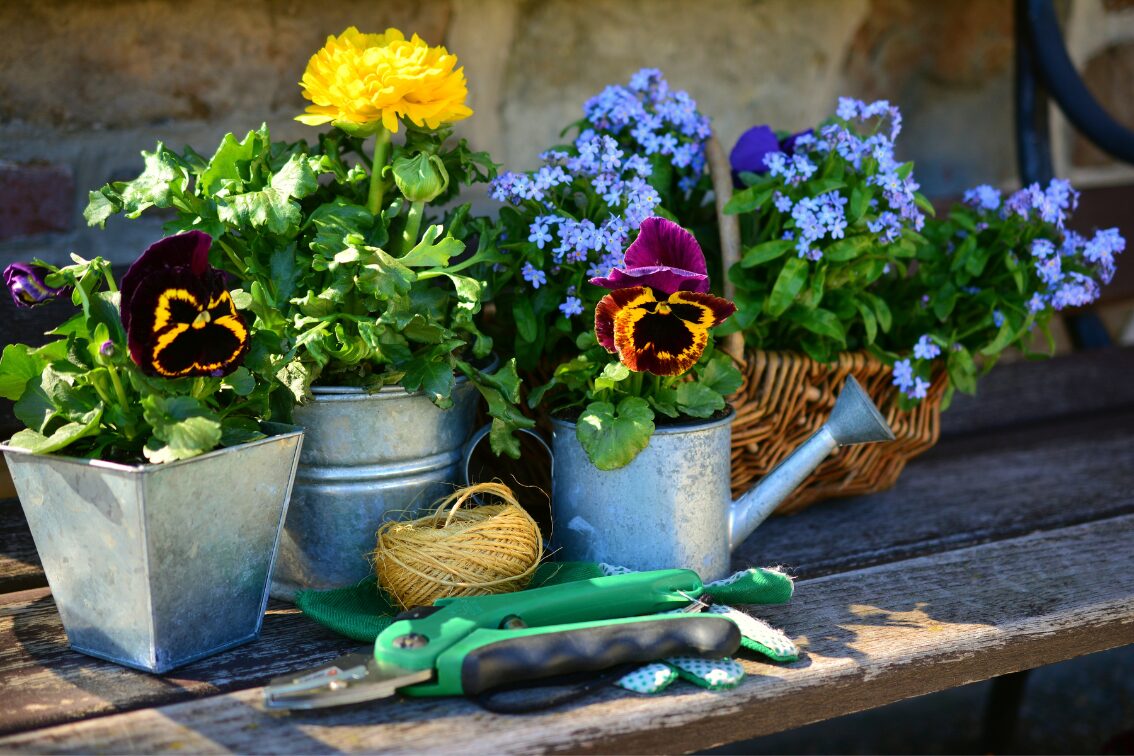
Gardening can be a rewarding way to spend time outdoors, grow fresh food and enjoy your favourite plants. But when arthritis affects your hands, knees, hips, back or shoulders, tasks such as pruning, weeding, digging and carrying pots can become more difficult.
The answer is not necessarily to stop gardening. Often, a better approach is to change how you work, choose tools that suit your needs and arrange your garden to reduce unnecessary strain.
This guide brings together practical ways to make gardening more manageable with arthritis. You will learn how to pace garden work, protect your joints, adapt common tasks and decide which equipment or garden improvements may be worth considering.
Quick answer: To make gardening easier with arthritis, work in shorter sessions, take breaks before you become exhausted, use comfortable tools that reduce gripping or bending, keep supplies close at hand and choose planting areas you can reach without straining. You do not need to change everything at once. Start with the task that causes you the most difficulty.
Quick Checklist: Make Gardening Easier
- Plan shorter sessions: Break large jobs into smaller tasks instead of trying to finish everything in one day.
- Choose comfortable tools: Look for manageable weight, suitable handles and cutting mechanisms that do not require excessive squeezing.
- Reduce bending and kneeling: Consider raised beds, elevated containers or long-handled tools.
- Keep supplies nearby: Avoid unnecessary trips while carrying tools, soil or water.
- Alternate activities: Switch between tasks that use different muscles and joints.
- Make paths safer: Keep routes stable, clear and easy to navigate.
- Rest before fatigue builds: Stop or change activities when your hands or other joints begin to tire.
- Adapt to how you feel: Your comfortable working time may vary from day to day.
1. Understand How Arthritis Can Affect Gardening
Arthritis affects people differently. The changes that help you most will depend on which joints are affected, the type of work you enjoy and how your symptoms vary.
Hand and wrist arthritis
Pruning, gripping hand tools, twisting hose connections and opening seed packets can become difficult when your fingers, thumbs or wrists are painful or stiff.
You may find it helpful to:
- Choose tools with comfortable, secure handles.
- Avoid tools that require repeated forceful squeezing.
- Use powered tools for suitable repetitive tasks if you can operate them safely.
- Choose lightweight containers and divide materials into smaller loads.
- Use work surfaces that allow you to keep your wrists in a comfortable position.
Knee and hip arthritis
Kneeling, squatting, bending toward the ground and getting up from a low position can be challenging.
Possible adjustments include:
- Working with raised beds or containers at a comfortable height.
- Using long-handled tools for selected ground-level tasks.
- Sitting on a stable chair for planting or sorting seeds.
- Keeping frequently tended plants close to paths.
- Avoiding repeated transitions between standing and kneeling.
A padded kneeler may help some gardeners, but it is not automatically suitable for everyone. If getting up from the ground is difficult, working at a higher level may be a better solution.
Shoulder, back or neck discomfort
Reaching overhead, lifting heavy pots, carrying soil and stretching across a wide bed can place extra demands on your body.
Try keeping work close to you, choosing appropriately sized loads and positioning plants where you can reach them comfortably. A long-handled tool may reduce bending, but an overly heavy or poorly balanced one can increase shoulder strain.
2. Pace Yourself: Work With Your Energy
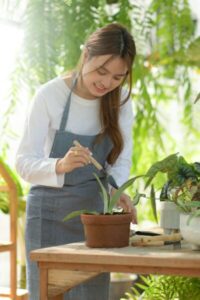
One of the most useful gardening changes is to stop treating the garden as a list of jobs that must all be completed in one session.
Doing too much at once can leave you tired and uncomfortable, making it harder to enjoy gardening the next day.
Break large jobs into smaller tasks
Instead of weeding the entire garden, choose one bed or a small section. Rather than pruning every shrub, trim a few branches and reassess how you feel.
A practical session might include:
- Choose one main task, such as planting seedlings.
- Gather the supplies you need before starting.
- Work for a manageable period.
- Take a break or change to a lighter activity.
- Stop when fatigue or discomfort tells you that you need to.
There is no single session length that works for everyone. Experiment with shorter periods and adjust based on how you feel during the activity and afterward.
Alternate demanding and lighter tasks
Repeating the same movement for a long time can tire the joints and muscles involved. Try alternating activities.
For example, you might do a little pruning, then water a few containers, then sit and label seedlings. The aim is not to avoid all effort, but to spread it out.
Take breaks before you are exhausted
A break is useful before you reach the point where your hands are struggling to grip tools or your legs feel unsteady. Sit somewhere comfortable, drink water as needed and give yourself time to recover.
If you regularly feel much worse after gardening, reduce the amount you do in one session and reconsider the movements or tools involved.
Use a flexible garden schedule
Weather, plant growth and symptoms do not always follow a convenient timetable. Prioritize jobs that genuinely need attention and leave less urgent work for another day.
A simple weekly plan can help you spread tasks out, but allow yourself to change it. Gardening should fit around your needs rather than become another source of pressure.
3. Choose Gardening Tools That Suit Your Joints
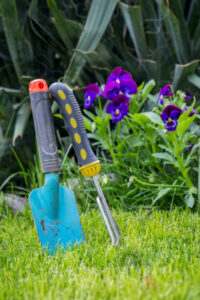
The right tools can make particular tasks easier, but an “ergonomic” label does not guarantee that a tool will suit your hands or body.
Look at the job you need to do, the amount of force required and the position you will be working in.
Features worth looking for
- Comfortable handles: Choose a grip that fits your hand without forcing you to clench your fingers.
- Manageable weight: Heavy tools can become tiring, particularly when held away from your body.
- Reduced squeezing effort: Consider suitable spring-assisted, ratcheting or powered cutting tools if manual pruning is difficult.
- Appropriate handle length: Longer tools may reduce bending, provided you can manage their weight and balance.
- Easy-to-use controls: Make sure triggers, locks and adjustments are manageable if you choose powered equipment.
- Simple maintenance: Tools that are easy to clean and store may be more convenient to use regularly.
A thicker handle may be more comfortable for some people, but not everyone benefits from the same grip size. If possible, test a tool before committing to it.
Gardening tool options to consider
Different tools help with different tasks. You may need only one or two well-chosen items rather than a complete set.
| Tool type | May help with | Consider before buying |
|---|---|---|
| Comfortable manual pruning shears | Routine trimming | Handle opening, spring action and cutting effort |
| Cordless electric pruning shears | Repeated pruning | Weight, controls, safety features and battery care |
| Long-handled hoe or cultivator | Selected weeding and soil work | Tool weight, reach and shoulder comfort |
| Lightweight hand tools | Planting and container gardening | Grip shape, weight and ease of cleaning |
| Garden kneeler-seat | Low-level tasks, if kneeling or sitting is comfortable | Stability and ease of getting up |
| Garden gloves | Protecting hands and improving grip comfort | Fit, flexibility and dexterity |
| Garden wagon or cart | Moving supplies | Wheel design, load capacity and pulling effort |
Powered cutting tools require particular care. Read the manufacturer’s instructions, keep hands clear of the blades and use the safety lock or power-isolation procedure when cleaning or clearing a jam.
For a detailed comparison of specific products, features and limitations, see Best Gardening Tools for Arthritis: Manual & Electric.
4. Make Your Garden Easier to Reach
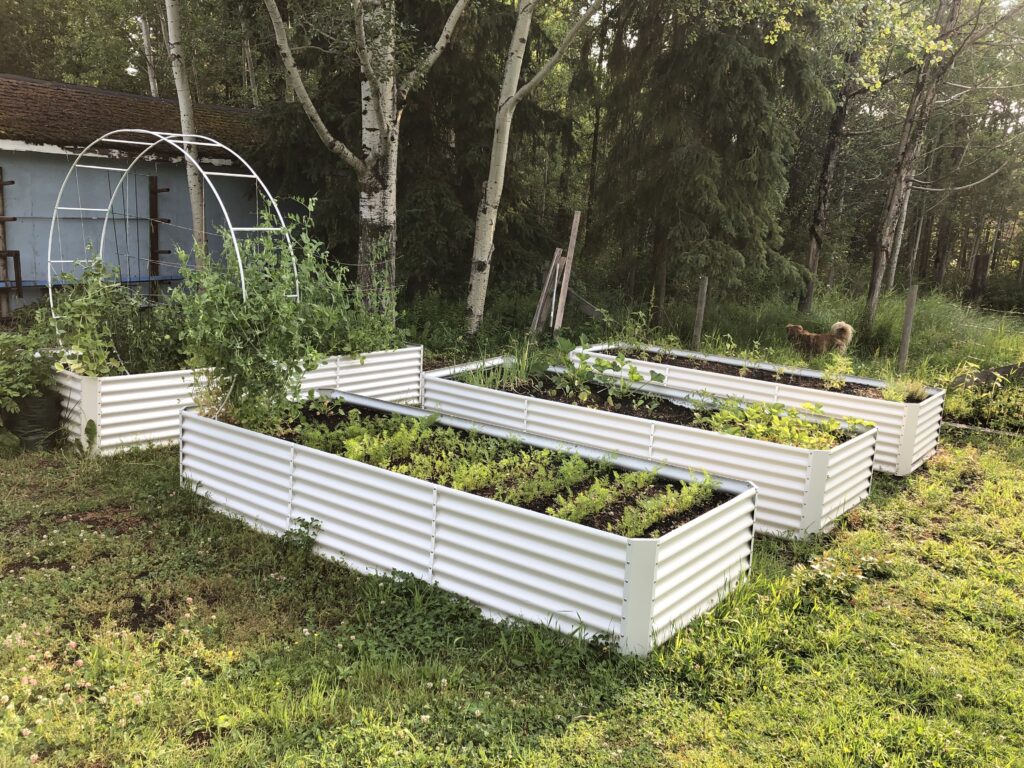
Your garden layout can affect how much bending, stretching, walking and carrying you do. You may be able to reduce these demands by changing where plants are grown and how you move between them.
Consider raised beds
Raised beds can bring planting areas closer to a comfortable working height. They may be useful if bending or kneeling is difficult, but the best height depends on whether you garden standing or seated and how far you can comfortably reach.
A raised bed that is too wide can still force you to stretch. If possible, arrange the bed so you can reach the plants from one or both sides without leaning heavily over the soil.
Use containers strategically
Containers offer flexibility because they can be placed at a comfortable height or grouped near a path. Lightweight pots may be easier to manage than large, heavy planters.
Remember that containers become much heavier when filled with damp soil. Choose their permanent location before filling them, or use suitable assistance when moving them.
Improve your paths
Stable paths can make walking and moving gardening equipment more manageable. Keep routes free of hoses, tools, loose materials and other trip hazards.
If you use a walker or wheelchair, consider the width, surface, turning space and approach to each bed. Requirements depend on your mobility aid and garden layout, so test the route where possible.
Put frequently used plants within easy reach
Place herbs, vegetables or flowers that need regular attention near your main working area. Plants that require less maintenance can be farther away if the route remains manageable.
You can also keep a small collection of everyday tools close to the garden instead of walking back and forth to a shed.
For more detailed guidance on bed heights, paths, seating, accessible planting areas and garden planning, read Accessible Garden Design for Arthritis: Raised Beds, Paths & Comfortable Access.
5. Adapt Common Gardening Tasks
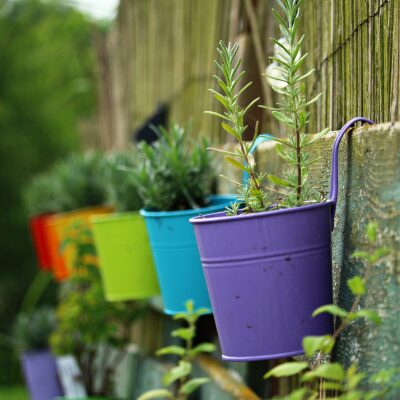
Small changes to how you approach a job can sometimes be more useful than buying a new tool.
Weeding
Weeding often involves repetitive finger movements, bending or kneeling. To make it more manageable:
- Weed a small area at a time.
- Choose a tool that lets you work without bending excessively.
- Consider growing plants in raised beds or containers.
- Use suitable mulch to help suppress some weeds.
- Take breaks rather than gripping and pulling continuously.
Avoid twisting forcefully while a tool is stuck in compacted soil. If the ground is difficult to work, consider whether a different tool or a better time to tackle the job would help.
Pruning
Repeated cutting can tire the hands, particularly when branches are thick or the tool requires substantial squeezing.
- Use pruning shears appropriate for the size of the branch.
- Avoid forcing a tool beyond its recommended cutting capacity.
- Consider powered pruners if manual cutting is difficult and you can use powered equipment safely.
- Keep the plant at a comfortable height when practical.
- Spread pruning over several sessions.
Do not use your hand strength alone to force a cut that the tool is not designed to make.
Planting seeds and seedlings
Planting can involve small, repetitive finger movements and prolonged bending over a bed.
- Prepare pots, labels and seedlings before you start.
- Use a stable table or raised work surface when appropriate.
- Choose containers and seed packets that are easy to handle.
- Sit in a comfortable position if that reduces strain.
- Plant a manageable number of seedlings at a time.
You may find it easier to do some planting at a table and move the finished containers to the garden later, with help if necessary.
Watering
Carrying a full watering can may be tiring for the hands, arms or back.
- Use a smaller can that is easier to control.
- Keep water close to the planting area where practical.
- Consider a suitable hose, drip-irrigation system or self-watering container.
- Avoid dragging a heavy hose across uneven ground if it strains your hands or shoulders.
- Keep hoses clear of walking routes when not in use.
Moving pots, soil and compost
Lifting and carrying heavy materials can be demanding, particularly when your grip or balance is affected.
- Divide soil and compost into smaller loads.
- Choose smaller pots when practical.
- Store supplies close to where you use them.
- Use a suitable cart on a stable path.
- Ask for help with heavy or awkward items.
A cart reduces the need to carry items, but pulling a heavily loaded cart can still be strenuous. Keep loads manageable and use a route that is suitable for the cart and your mobility.
Digging and cultivating
Digging can require force through the hands, wrists, shoulders and back.
- Work on a small area rather than digging the whole garden at once.
- Choose tools that suit the soil and the job.
- Avoid forceful twisting when the tool is stuck.
- Consider containers or raised beds for plants that do not need extensive digging.
- Seek help with major soil preparation if it is too demanding.
You do not need to use every gardening technique to have a successful garden. It is reasonable to choose plants and methods that require less digging and maintenance.
6. Protect Your Hands and Joints While Gardening
Joint-friendly gardening is about finding a comfortable way to do useful work, not eliminating every movement.
Use a comfortable working position
Keep tools and plants close enough that you do not need to reach far or twist repeatedly. When practical, change your position rather than stretching across a bed.
Try to avoid prolonged forceful gripping. If a task requires more effort than you can comfortably manage, stop and consider another tool or method.
Wear suitable gloves and footwear
Gloves can help protect your hands from rough materials and may improve grip if they fit well. Stiff or poorly fitting gloves, however, can make small tasks harder.
Choose footwear with suitable traction and a secure fit for the surfaces in your garden. Be particularly careful around wet paths, loose materials and uneven ground.
Pay attention to changing symptoms
Your ability to garden may vary from one day to another. Adjust the task, working time or equipment when your hands or other joints are more uncomfortable.
Do not push through sharp or worsening pain, unusual weakness or significant fatigue. Stop the activity and reassess what you are doing.
If you experience persistent or worsening symptoms, or gardening becomes difficult despite reasonable adjustments, consider discussing the problem with a healthcare professional. An occupational therapist may be able to suggest ways to adapt tasks, tools or working positions.
7. Create a Lower-Maintenance Garden
A garden that needs less repetitive work can be easier to enjoy when time, energy or joint comfort is limited.
Choose plants that suit your conditions
Consider plants that are appropriate for your local climate, soil, light and available water. Plants that thrive in the conditions you have may require less intervention than those that constantly need extra watering or care.
Group plants by their needs
Grouping plants with similar watering requirements can make watering more efficient. Keeping frequently harvested plants close to the main path can also reduce unnecessary walking.
Reduce unnecessary maintenance
Depending on your garden, options may include suitable mulch, containers, drip irrigation, ground-cover plants or a simpler planting plan.
These approaches do not eliminate all maintenance, but they may reduce the number of repetitive tasks you need to do.
Make room for rest
Place a stable chair or bench near the garden where you can pause comfortably. Keep a drink and commonly used supplies nearby when practical.
Resting is part of a manageable routine, not a sign that you have failed to finish the job.
8. What to Do When Gardening Becomes Too Difficult

If a familiar task becomes painful or tiring, you do not necessarily need to give it up immediately. First, consider whether the task can be changed.
Ask yourself:
- Can I divide this job into smaller sessions?
- Can I work at a more comfortable height?
- Is there a tool that requires less force?
- Can I move the plant or supplies closer to me?
- Could I use a different gardening method?
- Would help with one demanding part let me continue doing the rest?
For example, if digging a large bed is too demanding, you might use containers or ask for help preparing the soil, then continue with planting and care yourself.
If you find it difficult to use tools safely, maintain balance or move around the garden, prioritize safety and consider advice from a healthcare professional or occupational therapist before continuing with the more demanding tasks.
Frequently Asked Questions
Can I keep gardening if I have arthritis?
Many people with arthritis continue gardening by adapting their tools, working positions, garden layout and routine. The right approach depends on your symptoms and abilities. Start with manageable tasks, take breaks and modify activities that cause pain or excessive fatigue.
What is the best gardening tool for arthritis?
There is no single best tool for everyone. If hand pain is your main difficulty, a comfortable tool that reduces gripping or squeezing may be useful. If bending is difficult, long-handled tools or raised beds may help. If carrying supplies is tiring, a suitable cart may be more useful than another hand tool.
Are raised beds good for people with arthritis?
Raised beds can reduce bending and kneeling when their height, width and access suit the gardener. They are not automatically comfortable for everyone, and a bed that is too wide can still require excessive reaching. Consider your working position before choosing the design.
Should I use electric gardening tools?
Powered tools may reduce some repetitive manual effort, especially during pruning. However, they can be heavier and require safe handling, charging and maintenance. Choose a model only if you can comfortably manage its weight and controls and follow the safety instructions.
How long should I garden at a time?
There is no universal time limit. Start with a session that feels manageable and adjust based on how you feel during the work and afterward. Shorter sessions with breaks may be more comfortable than completing a large job in one stretch.
What should I do if my hands hurt after gardening?
Reduce the amount of work and consider which movements or tools may have contributed. You may need a more comfortable grip, a tool that requires less force or shorter sessions. If pain persists, worsens or interferes with daily activities, seek advice from a healthcare professional.
How can I make gardening easier without spending much money?
Start by changing your routine and layout. Work in shorter sessions, move tools closer to where you use them, clear paths, divide heavy loads and rearrange containers to reduce reaching. Make larger purchases only when they solve a specific problem.
Final Thoughts
Gardening with arthritis may require a different approach, but you do not have to change everything at once. Start with the task that causes the most difficulty and make one practical adjustment: use a more comfortable tool, work at a better height, shorten the session or bring supplies closer.
Over time, these changes can help you build a gardening routine that better matches your needs and energy.
The goal is not to maintain a perfect garden. It is to make gardening more manageable so you can continue enjoying the plants, outdoor time and satisfaction that make it worthwhile.
Related Reading
- Accessible Garden Design for Arthritis: Raised Beds, Paths & Comfortable Access
- Best Gardening Tools for Arthritis: Manual & Electric
Medical Disclaimer: This article is for informational purposes only and does not constitute medical advice. Always consult your doctor, rheumatologist, or occupational therapist before making changes to how you manage your arthritis.
