
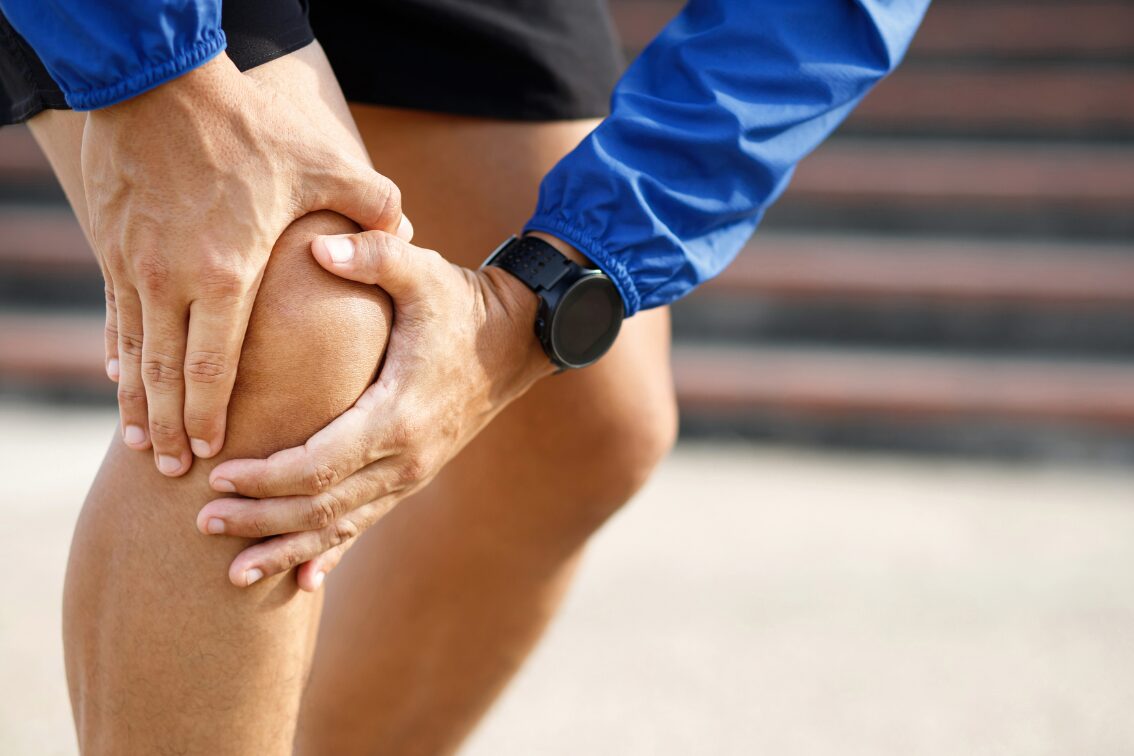
Knee arthritis is one of the most common reasons people limit their movement — and one of the most manageable, when you understand what’s actually happening in the joint and which approaches have real evidence behind them.
The stiffness when you get out of bed in the morning, the ache after a long walk, the way your knees seem to protest before you’ve even started your day — these are familiar to millions of people living with osteoarthritis or rheumatoid arthritis of the knee. What’s less familiar is how much consistent, targeted self-management can genuinely change that picture.
This guide covers the full landscape of knee arthritis management: what’s driving your pain, which relief strategies have the strongest evidence, how to choose the right supportive tools, and how to build habits that protect your joints for the long term. Where specific products help, we link to detailed buying guides so you can go deeper without losing your place here.
How We Research and Present This Information
Our editorial team draws on published clinical research, physiotherapy guidelines, and practical feedback from people living with arthritis to produce this content. We assess the evidence quality behind each strategy, note where evidence is limited, and flag when professional guidance is particularly important.
What’s in This Guide
Understanding Knee Arthritis Pain
Knee arthritis is not a single condition — and understanding which type you have shapes which management strategies will work best for you.
Osteoarthritis (OA) is the most common form. It develops when the cartilage that cushions the ends of the bones in your knee gradually breaks down, leading to bone-on-bone friction, inflammation, stiffness, and pain. OA is typically worse after activity and in the morning, and tends to affect one or both knees asymmetrically. It’s strongly associated with age, previous injury, and excess body weight.
Rheumatoid arthritis (RA) is an autoimmune condition in which the immune system attacks the joint lining (synovium), causing inflammation, swelling, and over time, joint damage. RA typically affects joints symmetrically and is managed primarily through disease-modifying medications prescribed by a rheumatologist. The self-management strategies in this guide can complement RA treatment but do not replace it.
For both types, the pain you feel day to day is driven by a combination of inflammation, muscle weakness around the joint, altered movement patterns, and — particularly with OA — reduced cartilage cushioning. Most effective management strategies address more than one of these factors simultaneously, which is why a multi-pronged approach consistently outperforms any single intervention.
Immediate Relief: The RICE Method
When your knee feels swollen, irritated, or overworked — after a long walk, a day on your feet, or a flare-up — the RICE method is a simple and well-established way to calm things down quickly.

- Rest — Give your knee a break from the activity that aggravated it. This doesn’t mean bed rest; gentle movement is still beneficial. It means stopping the specific activity that caused the problem.
- Ice — Apply a cold pack or bag of frozen vegetables wrapped in a cloth for 15–20 minutes. Cold reduces inflammation and numbs pain signals. Never apply ice directly to skin.
- Compression — A snug compression sleeve or bandage helps control swelling and provides proprioceptive feedback that can reduce pain during movement.
- Elevation — Raising your leg above heart level — lying down with your leg propped on a pillow — helps excess fluid drain away from the joint, reducing swelling more quickly.
RICE works best as an acute response — use it after overexertion or during a flare-up, not as a substitute for the longer-term strategies below. If swelling is severe, persistent, or accompanied by significant warmth and redness, seek medical advice rather than self-managing.
Heat and Cold Therapy
Heat and cold serve different purposes — and using the wrong one can make things worse. Understanding when to use each is one of the most practically useful things you can learn about managing knee arthritis day to day.
When to Use Heat
Heat increases blood flow, relaxes surrounding muscles, and makes joint tissue more pliable. It’s most effective for stiffness — the deep morning ache, tightness after sitting, or the kind of chronic discomfort that comes from a cold day or muscle tension around the joint. Apply heat before movement to loosen a stiff knee, not after inflammation has already started.
Use heat for: Morning stiffness, chronic aching, muscle tension around the knee, preparation for exercise or stretching.
Avoid heat when: The knee is actively swollen, red, or warm to the touch. Heat applied to an already-inflamed joint will worsen the inflammation.
When to Use Cold
Cold reduces inflammation and numbs pain signals. It’s most effective during or after a flare-up — when the joint is visibly swollen, hot, or has been overworked. Cold packs, cooling gels, and menthol-based topicals all deliver this effect with varying convenience.
Use cold for: Active flare-ups, swollen joints, post-activity soreness, acute pain after overexertion.
Avoid cold when: The knee is stiff and already cold. Applying cold therapy to a stiff morning knee typically makes it worse and harder to move.
Many people find that alternating heat and cold — warmth before activity, cold after — works better than either alone. A physiotherapist can help you find the pattern that works for your specific situation.
Topical Pain Relief
Topical treatments — creams, gels, and patches applied directly to the skin over the knee — are one of the most evidence-backed approaches to knee arthritis pain relief, and one of the most underused. Applied correctly, they deliver active ingredients directly to the joint with far less systemic exposure than oral medications.
The knee is actually the joint with the most clinical trial evidence for topical diclofenac (Voltaren) specifically. Most guidelines recommend it as a first-line topical treatment for knee osteoarthritis.
The main types worth knowing about:
- Diclofenac gel (Voltaren) — The only over-the-counter topical that reduces inflammation rather than just masking pain. Requires consistent twice-daily use over several days to build effect. The best-evidenced topical option for knee OA.
- Menthol cooling gels (Biofreeze) — Fast-acting relief within minutes via counter-irritation. Useful for flare-ups and post-activity soreness. Temporary but genuinely effective for breaking the pain cycle.
- Lidocaine creams (Aspercreme) — Numbs localized pain within 20–30 minutes without a strong scent or sensation. Useful for sharp or persistent localized knee pain.
- Capsaicin creams — Depletes substance P, the neurotransmitter that carries pain signals, with consistent daily use over one to two weeks. Effective for chronic pain that hasn’t responded to other topicals.
Many people use a fast-acting option like Biofreeze for immediate relief alongside Voltaren on its own twice-daily schedule for ongoing inflammation control. Allow at least 30–60 minutes between products on the same joint, and never apply topical creams immediately before using a heated massager or heat pad — the combination can cause skin irritation.
👉 Complete guide: Topical Pain Relief for Arthritis — Creams, Gels, Patches & More
Weight Management
Weight management is one of the most evidence-backed interventions for knee osteoarthritis — and one of the least discussed in practical terms. The knee joint bears roughly four times your body weight with each step on level ground, and up to seven or eight times your body weight when going up or down stairs. This means that even modest weight loss has a disproportionately large effect on joint load.
Research suggests that losing as little as 10 pounds can reduce the force on each knee by 40 pounds per step. Over the course of a normal day’s walking, that reduction accumulates into a significant decrease in cumulative joint stress — which translates directly to less pain, less inflammation, and slower progression of cartilage wear.
Weight management for knee arthritis works best when approached through a combination of dietary change and low-impact exercise — the same types of exercise that benefit the knee directly. Swimming, cycling, and walking are all effective for both cardiovascular fitness and joint-friendly calorie expenditure. A GP or dietitian can help you set realistic targets if you’re unsure where to start.
If weight loss feels overwhelming alongside managing pain, start small. Even a reduction of five percent of body weight produces measurable improvements in knee pain for many people with OA.
Anti-Inflammatory Diet

Food doesn’t cure arthritis, but what you eat consistently influences your body’s baseline level of inflammation — which directly affects how much pain and stiffness you experience day to day. The dietary pattern with the strongest evidence for arthritis management is a Mediterranean-style diet: rich in vegetables, fruit, whole grains, oily fish, legumes, and olive oil, and low in processed foods, refined sugar, and excess red meat.
Specific foods and nutrients worth prioritizing:
- Omega-3 fatty acids — Found in oily fish (salmon, sardines, mackerel), walnuts, and flaxseed. Omega-3s have demonstrated anti-inflammatory effects in clinical studies and are among the best-evidenced dietary interventions for joint pain.
- Colorful vegetables and fruit — High in antioxidants and polyphenols that reduce oxidative stress in joint tissue. Berries, leafy greens, and cruciferous vegetables are particularly beneficial.
- Turmeric and ginger — Both contain compounds with anti-inflammatory properties. Evidence is modest but consistent; both are safe to include regularly in cooking.
- Olive oil — Contains oleocanthal, a compound with NSAID-like anti-inflammatory properties at higher intakes.
- Whole grains — Associated with lower inflammatory markers compared to refined grains.
Foods associated with increased inflammation — and worth reducing:
- Ultra-processed foods and fast food
- Sugary drinks and snacks
- Excess alcohol
- Refined carbohydrates (white bread, pastries)
- High quantities of red and processed meat
Dietary changes tend to produce gradual rather than dramatic improvements — most people notice less stiffness and better energy over weeks rather than days. The benefit compounds over time, which is why consistency matters more than perfection.
👉 Top 10 Anti-Inflammatory Foods for Arthritis Pain Relief
Supportive Footwear

The shoes you wear affect every step you take — and for people with knee arthritis, footwear that provides poor cushioning, misaligns your gait, or fails to absorb impact can meaningfully worsen knee symptoms over time. Conversely, well-chosen footwear can reduce the load on your knee joints with every step and make walking considerably more comfortable.
What to look for in arthritis-friendly footwear:
- Good arch support — Helps distribute your weight evenly across your foot, preventing the gait compensations that increase knee stress.
- Shock-absorbing soles — Cushioned midsoles reduce the impact force transmitted up through the knee with each step, particularly important on hard floors or pavements.
- Stable, non-slip design — Lateral stability reduces the sideways stress on the knee joint that contributes to medial compartment OA progression.
- Proper fit — Shoes that are too narrow, too loose, or worn down at the heel alter your gait in ways that increase knee load. Replace footwear when the sole shows significant wear.
If you spend extended time on hard floors or have significant gait changes from arthritis, a podiatrist or physiotherapist can assess whether custom orthotics would provide additional benefit beyond standard supportive footwear.
👉 Best Shoes for Arthritis Pain Relief — 2026 Top Picks
Low-Impact Exercise
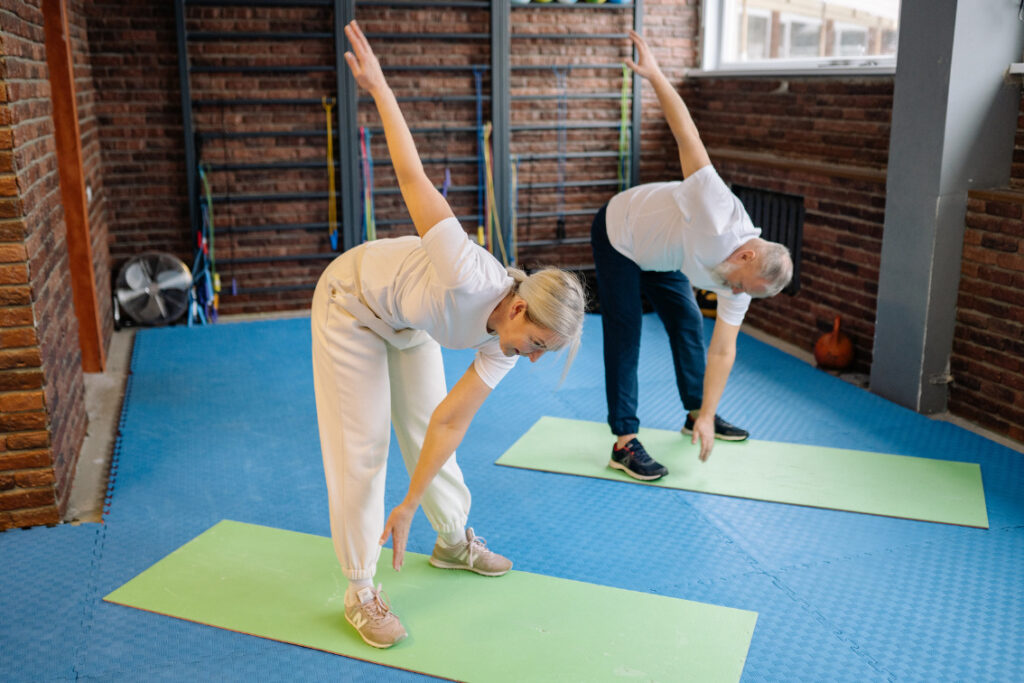
Exercise is the single most consistently evidence-backed long-term strategy for managing knee arthritis — and also the one people are most reluctant to start when their knees are painful. The fear that movement will cause further damage is understandable, but for osteoarthritis specifically, the evidence is clear: appropriate low-impact exercise reduces pain, improves function, and slows progression. Inactivity accelerates muscle weakness and joint stiffness.
The key is choosing exercise that strengthens the muscles supporting the knee without pounding the joint itself.
Cycling
Cycling — stationary or outdoor — is one of the best exercises for knee arthritis. It strengthens the quadriceps and glutes (the muscles most important for knee stability) while keeping impact minimal. The smooth, circular motion lubricates the joint without compressing it. Start with 10 minutes at low resistance and build gradually. A stationary bike removes the balance and traffic concerns that can make outdoor cycling difficult when joints are painful.
Swimming and Water Exercise
Water reduces the load on your joints by up to 90% compared to land-based exercise, making it ideal for people with moderate to severe arthritis or significant pain during weight-bearing activity. Swimming, water walking, and aqua aerobics all build cardiovascular fitness and muscle strength without joint stress. If you have access to a hydrotherapy pool (warm water), the benefits are even greater — warmth relaxes muscle tension while you exercise.
Walking
Walking is the most accessible form of low-impact exercise and remains effective for knee arthritis when done appropriately. It keeps joints mobile, supports weight management, and builds the habit of regular movement. Start with five to ten minutes on flat, even surfaces and build by no more than ten percent per week. Wear supportive footwear, and consider a walking cane or poles for additional stability if needed.
Strengthening Exercises
Strengthening the muscles around the knee — particularly the quadriceps, hamstrings, and hip abductors — reduces the load on the joint itself and improves stability. Key exercises that are effective and low-impact include:
- Straight leg raises — Lying on your back, tighten your quad and raise one leg to the height of the opposite bent knee. Hold for five seconds. Builds quad strength without bending the knee under load.
- Wall sits — Stand with your back against a wall and slide down to a comfortable angle (not necessarily 90 degrees). Hold for 10–30 seconds. Builds quad and glute strength progressively.
- Heel slides — Lying on your back, slowly slide your heel toward your buttock and back. Maintains and improves knee range of motion gently.
- Seated knee extensions — Sitting in a chair, slowly straighten one leg and hold for five seconds. Effective for building quad strength when standing exercises are too painful.
- Calf raises — Standing with support, rise onto your toes and lower slowly. Builds lower leg strength and improves circulation.
Yoga and Stretching
Gentle yoga styles — particularly Hatha, restorative, or chair yoga — improve flexibility, balance, and joint alignment, all of which reduce knee stress during everyday movement. Stretching the hip flexors, hamstrings, and calves regularly reduces the muscle tension that contributes to knee pain. Chair yoga is a good starting point if getting down to the floor is difficult.
Exercise Mistakes to Avoid
Even helpful exercises can cause problems if done incorrectly. The most common mistakes:
- Skipping warm-ups — always spend five minutes on gentle movement before more demanding exercise
- Increasing intensity too quickly — build gradually; the ten percent per week rule applies to time, distance, and resistance
- Ignoring sharp or sudden pain — discomfort during exercise is normal; sharp pain is a signal to stop
- Only doing cardio and neglecting strengthening — both are needed for long-term knee health
- Exercising through a flare-up — rest and gentle range-of-motion movement during a flare; return to full exercise when inflammation settles
If you’re unsure where to start or have significant pain during movement, a physiotherapist can design a program tailored to your current strength and mobility level.
👉 Arthritis Exercise Guide: Safe and Effective Routines for Pain Relief
👉 Chair Yoga for Arthritis: 10 Gentle Exercises for Pain Relief and Mobility
Knee Braces and Supports
Knee braces and compression sleeves can meaningfully reduce pain during movement and improve confidence in your knee — but only if you choose the right type for your symptoms. The most common mistake is reaching for a compression sleeve when what’s actually needed is structural support, or vice versa.
Compression Sleeves
Soft, pull-on sleeves made from elastic or neoprene provide gentle compression, warmth, and proprioceptive feedback — meaning they help your brain sense your knee’s position, which improves movement confidence and reduces pain perception. They’re the right choice for mild arthritis, swelling, and general daily comfort.
Important limitation: Sleeves do not stabilize the joint. If your knee feels loose, gives way, or buckles, a sleeve will not address the problem.
Hinged Knee Braces
Braces with metal or reinforced hinges on the sides guide the knee through its natural range of motion and prevent unwanted sideways movement. These are the right choice for moderate to severe arthritis with instability, or for more active use where protection during movement matters.
OA Unloader Braces
Designed specifically for osteoarthritis affecting one side of the knee (most commonly the inner, or medial, compartment), unloader braces use a three-point leverage system to shift weight away from the damaged area. They’re more structured than standard braces but can produce significant pain relief for people with single-compartment OA who haven’t responded well to sleeves or standard braces.
The Simple Rule
If your knee hurts but feels stable, start with a compression sleeve. If your knee feels unstable, wobbly, or gives way — you need a brace. When in doubt, a physiotherapist can assess your stability and recommend the right level of support.
👉 Full guide: Best Knee Braces & Supports for Arthritis — All Types Reviewed
Knee Massage Therapy
Targeted massage therapy around the knee — whether manual or using an at-home device — can reduce muscle tension, improve local circulation, reduce swelling, and interrupt pain signals through physical stimulation. It works best as a complement to other strategies rather than a standalone treatment, and is particularly useful for managing daily stiffness and post-activity soreness.
Modern at-home knee massagers combine several therapeutic modalities:
- Heat therapy — Widens blood vessels, increases blood flow, and relaxes tight muscles and tendons around the knee. Use before movement to loosen the joint.
- Vibration — Works via the gate control theory of pain: rapid tactile stimulation competes with and partially blocks the slower, deeper pain signals from the joint. Effective for chronic aching and stiffness.
- Air compression — Rhythmic inflation and deflation mimics manual lymphatic drainage, helping pump excess fluid away from a swollen joint. Best for people whose primary symptom is visible swelling.
- Red light therapy — Lower-level evidence than heat and compression, but some devices include it to support cellular recovery in the joint tissue.
One important caution: Never apply topical pain creams — particularly capsaicin, menthol, or diclofenac — immediately before using a heated massager. The trapped heat accelerates absorption and can cause significant skin irritation. Apply topicals after your massage session is complete, not before.
Knee massagers are not appropriate during an acute flare-up when the joint is actively red, hot, and severely swollen — rest and cold therapy are more appropriate in that situation. They’re best used between flare-ups for daily maintenance and after activity for recovery.
👉 Full guide: Best Knee Massagers for Arthritis & Knee Pain — 2026 Buyer’s Guide
Building a Sustainable Routine
The strategies in this guide work best when they’re combined and consistent — not applied sporadically during bad days and abandoned when things improve. Consistency matters more than intensity, and a modest routine you can maintain every day will outperform an ambitious one you abandon within a week.
A practical starting framework:
- Morning — Apply heat to stiff knees before getting up or moving around. Five to ten minutes of gentle range-of- motion movement (heel slides, gentle knee bends) before standing. Apply Voltaren if using it.
- Daily movement — Aim for at least 20–30 minutes of low-impact activity. Walking, cycling, swimming, or strengthening exercises — whatever is accessible and manageable on that day. Wear supportive footwear. Use a compression sleeve if helpful.
- After activity — Apply a cooling gel or cold pack if the knee is warm or sore. Elevate if swollen.
- Evening — A knee massager session of 15–20 minutes can help settle stiffness and soreness from the day. Apply topical cream after the session, not before.
- Flare-up days — Switch to RICE, rest, cold therapy, and gentle range-of-motion movement only. Return to your normal routine when inflammation settles.
Track your pain levels, activity, and sleep in a simple notebook or app — even rough notes help you spot patterns, identify triggers, and recognize progress that might otherwise feel invisible.
If pain is worsening despite consistent self-management, or if you develop new symptoms such as significant instability, locking, or severe swelling, seek medical assessment. A physiotherapist, GP, or rheumatologist can assess whether your current approach needs adjusting and whether additional interventions — such as corticosteroid injections, hyaluronic acid injections, or surgical options — are appropriate.
Frequently Asked Questions
What helps relieve arthritis knee pain fastest?
For immediate relief, the most effective at-home options are a cooling gel or cold pack for an inflamed knee, or heat for a stiff one. Menthol gels like Biofreeze work within minutes for fast pain interruption. Compression sleeves worn during movement also provide noticeable short-term relief for many people. For longer-term relief, consistent use of diclofenac gel, regular low-impact exercise, and appropriate bracing have the strongest evidence.
Is walking good for knee arthritis?
Yes — walking is beneficial for most people with knee arthritis when done appropriately. It keeps joints mobile, supports weight management, and builds the habit of regular movement. The key is starting at a manageable distance, wearing supportive footwear, and building gradually. If walking is currently very painful, cycling or swimming may be easier starting points that build strength before returning to walking.
Should I use heat or ice on an arthritic knee?
It depends on your current symptoms. Use heat for stiffness — particularly in the morning or before activity. Use cold for inflammation — when the knee is swollen, warm to the touch, or sore after activity. Using heat on an actively inflamed knee makes it worse; using cold on a stiff, cold knee also makes it worse. Many people benefit from heat before activity and cold after.
Do knee braces actually help arthritis?
Yes — the right brace for the right symptoms provides meaningful relief. Compression sleeves reduce pain and improve movement confidence for mild arthritis. Hinged braces improve stability for people with instability or more advanced arthritis. OA unloader braces can significantly reduce pain in single-compartment osteoarthritis. The key word is “right” — the wrong type of brace for your symptoms won’t help and may give you false confidence.
How much weight loss helps knee arthritis?
Even modest weight loss produces disproportionate benefits for knee OA because of the mechanical load the knee bears. Losing 10 pounds reduces the force on each knee by approximately 40 pounds per step. A five percent reduction in body weight produces measurable pain improvements for many people with knee OA. Weight management combined with low-impact exercise is one of the most evidence-backed long-term interventions available.
Can I use a knee massager every day?
Most at-home knee massagers are designed for daily use — typically one to two sessions of 15–30 minutes per day. Use them between flare-ups for maintenance and recovery, not during an acute flare when the joint is actively inflamed. Always follow the device manufacturer’s guidance and stop if you experience increased pain or skin irritation.
When should I see a doctor about knee arthritis?
See your GP or a specialist if: pain is worsening despite consistent self-management; your knee is significantly swollen, locked, or giving way regularly; you’ve had a fall or injury; you’re developing symptoms in new joints; or your current medications or treatments no longer seem to be working. Physiotherapy assessment is worth seeking if you’re unsure whether your exercise routine is appropriate for your current level of symptoms.
Explore the Full Knee Arthritis Resource Cluster
- Best Knee Braces & Supports for Arthritis: All Types Reviewed
- Best Knee Massagers for Arthritis & Knee Pain: 2026 Buyer’s Guide
- Topical Pain Relief for Arthritis: Creams, Gels, Patches & More
- Best Shoes for Arthritis Pain Relief: 2026 Top Picks
- Arthritis Exercise Guide: Safe and Effective Routines for Pain Relief
- Heat vs Cold Therapy for Arthritis: Which One Works Best and When
- Weight Loss and Arthritis: How Managing Your Weight Can Ease Joint Pain