
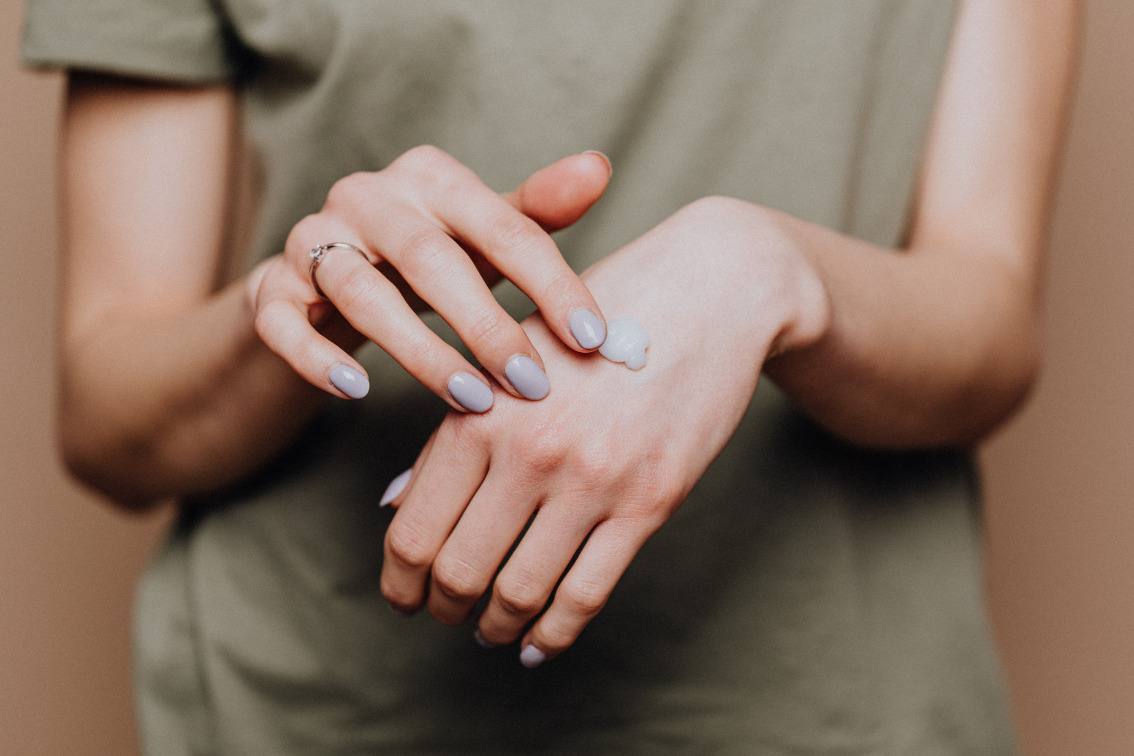
Topical arthritis treatments — applied directly to the skin over a sore joint — are one of the most practical pain management tools available. They get active ingredients to where you actually need them, with less whole-body exposure than oral medications. For many people they’re a first line of relief; for others they complement an existing treatment plan.
The challenge is that gels, creams, and patches work through fundamentally different mechanisms. Choosing between them isn’t just a format preference — it affects how quickly relief arrives, how long it lasts, and whether it actually targets your type of pain.
This article explains exactly how each format works, what it’s best suited for, and how to use it correctly. If you’re ready to compare specific products, head to our buying guide.
👉 Ready to buy? See our full product reviews: Best Pain Relief Creams for Arthritis (2026)
👉 Back to the full hub: Topical Pain Relief for Arthritis — Complete Guide
How We Evaluate Topical Formats
Our editorial team reviews each topical format using published clinical research, pharmacist-reviewed ingredient data, and practical feedback from people living with arthritis. We assess mechanism of action, evidence quality, absorption characteristics, and real-world usability across different joint types and daily routines. Affiliate links help support the site — they never influence what we include or how we present it.
What’s in This Guide
- What Are Topical Arthritis Treatments?
- Arthritis Gels
- Arthritis Creams
- Arthritis Patches
- Gels vs Creams vs Patches: Which to Choose
- How to Use Topical Treatments Correctly
- Frequently Asked Questions
What Are Topical Arthritis Treatments?
Topical arthritis treatments are products applied to the skin surface directly over a painful joint. Unlike oral medications, which travel through the digestive system and bloodstream before reaching the joint, topical treatments work locally — delivering active ingredients through the skin to the tissue underneath.
This local delivery has two important advantages. First, the active ingredient reaches the joint at a higher relative concentration than oral dosing would typically achieve at that site. Second, systemic absorption — the amount entering the broader bloodstream — is significantly lower. This is why topical treatments are often recommended for people who cannot tolerate oral NSAIDs, or who want to reduce their overall medication load.
The three main formats — gels, creams, and patches — all use this topical delivery principle, but they differ meaningfully in texture, absorption speed, duration of effect, and the active ingredients they carry. Understanding those differences is what makes the difference between a treatment that works and one that doesn’t.
Arthritis Gels: Fast Absorption, Targeted Action
Gels use a water-based or alcohol-based formulation that absorbs quickly into the skin — typically within a few minutes — leaving little residue. This makes them well suited to daytime use, joints you need to use immediately after application (hands, knees), and situations where you don’t want transfer onto clothing or surfaces.
The two most common active ingredients in arthritis gels work through completely different mechanisms.
Diclofenac Gels (NSAID — Anti-Inflammatory)
Diclofenac is a non-steroidal anti-inflammatory drug that works by inhibiting COX-1 and COX-2 enzymes — the same pathway targeted by oral NSAIDs like ibuprofen. These enzymes produce prostaglandins, the compounds responsible for triggering inflammation, pain, and swelling in arthritic joints. By blocking this process locally, diclofenac gel reduces the inflammatory response directly at the joint.
This is the only mechanism among common topical treatments that addresses inflammation rather than just the sensation of pain. It requires consistent, regular application — typically twice daily — over several days to reach peak effect. Most people report meaningful improvement after five to seven days of regular use. People who try it once or twice and give up often conclude it doesn’t work, when in reality it simply hasn’t had time to build.
Best for: Osteoarthritis with swelling, stiffness, or warmth; knee and hand arthritis in particular, which have the most clinical trial evidence for diclofenac.
Important cautions: Not recommended alongside oral NSAIDs without medical guidance, as combined use increases total NSAID exposure. People with kidney, liver, or gastrointestinal conditions should check with their doctor before use.
Menthol Gels (Counter-Irritation — Fast Temporary Relief)
Menthol works through a completely different pathway called counter-irritation. It activates cold-sensing receptors in the skin, producing an intense cooling sensation that effectively competes with and temporarily overrides the pain signals your nervous system is registering from the joint. It doesn’t reduce inflammation or change anything happening inside the joint — it changes what your nervous system perceives as the dominant sensation in that area.
The result is fast, noticeable relief — typically within minutes — that lasts a few hours. It is temporary by nature, which is why it works best as an on-demand option rather than a standalone treatment for inflammation.
Best for: Flare-ups, post-activity soreness, breaking the pain cycle before or after movement, immediate relief while waiting for longer-acting treatments to build effect.
Practical note: Menthol gels are available in roll-on formats. If squeezing a tube is painful for your hands, a roll-on removes that friction entirely.
Arthritis Creams: Warming, Numbing, and Daily Comfort
Creams have a thicker, oil-and-water emulsion base that absorbs more slowly than gels and leaves a slightly richer feel on the skin. This makes them better suited to massage application — which itself promotes local circulation — and to joints where you want the active ingredient to stay in contact with the skin longer. Many people prefer creams for the hands, where the rubbing-in process can also help loosen stiff fingers.
Capsaicin Creams (Substance P Depletion — Warming Effect)
Capsaicin is derived from chili peppers and works through a mechanism unlike any other topical option. It depletes substance P — a neuropeptide that carries pain signals from peripheral nerve endings to the brain. With repeated application, the local nerve endings temporarily lose their ability to transmit pain signals effectively.
This process takes time. Capsaicin creams require consistent daily use for one to two weeks before significant pain relief builds. Initial applications typically cause a burning or warming sensation — this is the mechanism working, not an adverse reaction, and it fades significantly after the first week. People who persist through that initial period often find it very effective for chronic pain that hasn’t responded well to other topicals.
Best for: Chronic arthritis pain; small joint arthritis in hands and fingers; people who want a non-pharmaceutical ingredient with genuine evidence behind it.
Important: Always use gloves when applying, wash hands thoroughly afterward, and keep away from eyes, mouth, and mucous membranes. Do not apply to broken or irritated skin.
Lidocaine Creams (Local Anesthetic — Numbing)
Lidocaine is a local anesthetic that blocks sodium channels in nerve cell membranes, preventing pain signals from being initiated or transmitted. Applied topically, it produces quiet, effective numbing of the treated area within 20–30 minutes — without the strong sensation of menthol or the warming of capsaicin. There is simply less pain in the area for a few hours.
It does not reduce inflammation, and pain returns when the effect wears off, making it a management tool rather than a treatment for the underlying condition. Its fragrance-free formulation makes it one of the more practical options for workplace or daytime use, and for people with scent sensitivities.
Best for: Sharp, localized, or nerve-adjacent pain; hands and fingers; post-activity discomfort; people who need to function comfortably without a strong sensation on the skin.
Natural and Herbal Creams (Gentle Daily Maintenance)
Creams using arnica, MSM, boswellia, or plant oil bases take a gentler approach. Arnica has demonstrated mild analgesic and anti-inflammatory effects in several small trials. Boswellic acids inhibit a different inflammatory pathway than NSAIDs — the 5-LOX pathway — with emerging evidence for joint pain, though most studies have used oral supplementation rather than topical application. MSM provides sulfur compounds involved in connective tissue maintenance.
The evidence for topical versions of these ingredients is less robust than for diclofenac or capsaicin, but they are generally well-tolerated and represent a reasonable choice for mild symptoms, daily maintenance, or users who prefer to avoid pharmaceutical active ingredients.
Best for: Daily comfort and routine maintenance, mild arthritis, sensitive skin, users who prefer non-pharmaceutical ingredients.
Arthritis Patches: Long-Duration, Hands-Free Relief
Patches work on the same principle as creams and gels — delivering active ingredients through the skin — but they do it slowly and continuously over an extended period, typically 8–12 hours, without requiring reapplication. The patch itself acts as a controlled-release reservoir that maintains a consistent level of active ingredient at the application site throughout the wear period.
The most common active ingredients in over-the-counter arthritis patches are lidocaine, menthol, and camphor. Prescription diclofenac patches exist in some markets and offer sustained anti-inflammatory delivery without the need for frequent reapplication.
When Patches Work Better Than Creams or Gels
Patches have a distinct advantage in specific situations:
- All-day or overnight pain — a patch provides sustained, consistent relief without any active management from you
- Hard-to-reach joints — applying cream to your own lower back, shoulder blade, or the back of a knee is awkward; a patch stays in place without assistance
- Hand arthritis — placing a patch on one hand is significantly easier than using that hand to rub in a cream or gel
- Workplace use — patches don’t transfer to surfaces, keyboards, or clothing the way gels and creams can
- Consistency — for people who forget to reapply throughout the day, a single morning patch can be more effective in practice than a cream applied four times
Limitations of Patches
Patches can cause skin irritation or a mild rash with extended daily use, particularly if applied to the same spot repeatedly — rotating application sites reduces this. They’re also less adjustable than creams: you can’t vary pressure, coverage area, or concentration the way you can by applying more or less cream. And they’re generally not suited to large surface areas or irregularly shaped joints.
Gels vs Creams vs Patches: Which Format to Choose
| Format | Absorption Speed | Duration | Best Suited To |
|---|---|---|---|
| Gel | Fast (minutes) | 2–4 hours per application | Daytime use, active joints, hands and knees |
| Cream | Moderate | 3–6 hours per application | Massage application, daily routine, hands |
| Patch | Slow (30–60 min to onset) | 8–12 hours | Sustained relief, hard-to-reach joints, overnight use |
The format matters less than the active ingredient — a lidocaine cream and a lidocaine patch work through the same mechanism, just at different speeds and durations. Choose the format that fits your joint, your routine, and your daily activities, then match the active ingredient to your type of pain.
How to Use Topical Arthritis Treatments Correctly
Getting the most from any topical treatment comes down to a few consistent practices that apply regardless of format or ingredient.
- Apply to clean, dry skin. Residue from moisturisers or other products reduces absorption. Wash and dry the area first.
- Use the right amount. More is not better — follow the product directions for dose. Overuse increases skin irritation risk without improving effectiveness.
- Be consistent. Fast-acting products like menthol and lidocaine work on demand. But NSAID gels and capsaicin creams require regular, consistent application to build and maintain their effect — skipping days resets their progress.
- Patch test first. Apply a small amount to the inside of your wrist and wait 24 hours before using a new product on a painful joint, particularly if you have sensitive skin.
- Don’t layer products. Applying multiple topicals to the same joint simultaneously increases irritation risk and makes it harder to identify what’s working. Use different products at different times, with at least 30–60 minutes between applications.
- Wash hands after application. Especially important for capsaicin and menthol products — even small amounts near the eyes are very uncomfortable.
- Rotate patch sites. If using patches daily, apply to a slightly different spot each time to reduce skin irritation from repeated adhesive contact.
Frequently Asked Questions
What’s the difference between a gel and a cream for arthritis?
Gels are water- or alcohol-based and absorb faster, leaving minimal residue — better for daytime use and active joints. Creams have a richer emulsion base that absorbs more slowly and suits massage application and daily maintenance. Both can carry the same active ingredients, so the choice often comes down to personal preference and joint location.
How long does it take for topical arthritis treatments to work?
Menthol gels and lidocaine creams provide relief within minutes to 30 minutes. Capsaicin creams typically take one to two weeks of daily use to build meaningful effect. Diclofenac gel builds over five to seven days of consistent application. Patches vary by active ingredient but generally take 30–60 minutes to reach effective concentration at the application site.
Can I use a topical cream and a patch at the same time?
Not on the same joint simultaneously — this increases the risk of skin irritation and over-application of active ingredients. You can use different products on different joints, or use them at different times on the same joint — for example, a cream during the day and a patch overnight. If you want to use multiple products regularly, check with your pharmacist to make sure the combination is appropriate.
Are topical treatments suitable for all types of arthritis?
They work best for osteoarthritis affecting specific joints close to the skin surface — knees, hands, elbows, feet. For rheumatoid arthritis, which involves a more systemic inflammatory process, topical treatments can relieve local symptoms but don’t address the underlying disease activity the way disease-modifying medications do. Topical treatments are generally used alongside, not instead of, rheumatoid arthritis medication.
What should I do if a topical treatment causes skin irritation?
Stop using it on that area immediately and wash the skin gently with soap and water. Mild redness or itching usually resolves within a few hours. If you develop blistering, significant swelling, or irritation that spreads beyond the application area, seek medical advice. With capsaicin creams, mild initial burning is expected — but persistent skin reactions beyond the first week are worth discussing with a doctor.
Final Thoughts
Gels, creams, and patches aren’t interchangeable — they work differently, suit different pain types, and fit different routines. Understanding those differences is what turns a topical treatment from something that “didn’t seem to work” into a genuinely useful part of how you manage arthritis day to day.
The short version: use a diclofenac gel if inflammation is your primary problem and you’re willing to be consistent. Use menthol or lidocaine for fast, on-demand relief. Try capsaicin if chronic pain persists and you’re prepared to commit to two weeks. Use a patch when sustained, hands-free relief matters more than immediate effect.
When you’re ready to compare specific products with prices, pros, cons, and buying advice, the guide below has everything you need.
Related Reading
- Best Pain Relief Creams for Arthritis: Reviews and Buying Guide (2026)
- Topical Pain Relief for Arthritis — Complete Hub
- Heat vs Cold Therapy for Arthritis: Which One Works Best and When
- DIY Arthritis Remedies You Can Make at Home
- Essential Oils for Arthritis Pain Relief