

Arthritis is not one single disease. It is a broad term for more than 100 conditions that affect the joints and the tissues around them. Some types develop gradually as joints change over time, while others involve inflammation, immune-system activity, or the buildup of crystals inside a joint.
Understanding the type of arthritis matters because symptoms, treatment options, and the best ways to manage daily activities can differ considerably. Osteoarthritis, for example, is not the same condition as rheumatoid arthritis, and gout has a different cause again.
This guide explains the most common types of arthritis, how their symptoms differ, how doctors assess them, and which practical tools may help make everyday tasks more manageable.
Quick Answer: What Are the Main Types of Arthritis?
The main types include:
- Osteoarthritis (OA): Joint changes involving the breakdown of cartilage and changes in other joint tissues.
- Rheumatoid arthritis (RA): An autoimmune disease in which the immune system attacks the lining of the joints.
- Psoriatic arthritis (PsA): An inflammatory arthritis associated with psoriasis that can affect joints, tendons, and ligaments.
- Gout: An inflammatory arthritis caused by urate crystals forming in and around joints.
- Ankylosing spondylitis (AS): A type of axial spondyloarthritis that primarily affects the spine and joints connecting the spine to the pelvis.
- Lupus-related arthritis: Joint pain, stiffness, and inflammation that can occur as part of systemic lupus erythematosus.
- Juvenile idiopathic arthritis (JIA): A group of inflammatory arthritis conditions that begin during childhood.
These conditions can share symptoms, including joint pain, stiffness, swelling, and difficulty moving. Symptoms alone cannot reliably establish which type a person has, so an appropriate medical assessment is important.
Comparing the Main Types of Arthritis
| Type | Main cause or process | Common symptoms or pattern |
|---|---|---|
| Osteoarthritis (OA) | Changes in cartilage, bone, and other joint tissues | Pain with activity, stiffness after rest, reduced movement |
| Rheumatoid arthritis (RA) | Autoimmune inflammation | Swollen, tender joints; prolonged morning stiffness; often affects joints on both sides |
| Psoriatic arthritis (PsA) | Inflammatory disease associated with psoriasis | Joint swelling, tendon pain, whole-finger or toe swelling, possible nail changes |
| Gout | Urate crystal deposits in joints | Sudden, severe pain, redness, warmth, and swelling |
| Ankylosing spondylitis (AS) | Chronic inflammatory disease affecting the spine and related joints | Back or buttock pain, stiffness after rest, improvement with movement in some people |
| Lupus-related arthritis | Systemic autoimmune disease | Joint pain and stiffness, sometimes with fatigue, rash, or other systemic symptoms |
| Juvenile idiopathic arthritis (JIA) | Childhood-onset inflammatory arthritis | Persistent joint swelling, stiffness, or limping; symptoms vary by subtype |
These are typical patterns, not diagnostic rules. Different conditions can overlap, and individual experiences vary.
1. Osteoarthritis (OA)

Osteoarthritis is one of the most common forms of arthritis. It involves changes in the cartilage, bone, and other tissues that make up a joint. Although it becomes more common with age, it is not simply an inevitable consequence of getting older.
Previous joint injuries, joint structure, genetics, body weight, and repeated physical stresses can all influence risk.
Common symptoms
- Joint pain that often increases with activity or prolonged use.
- Stiffness after waking or sitting still, which often eases as the joint starts moving.
- Reduced flexibility or range of motion.
- Tenderness around the joint.
- Grinding, clicking, or crackling sensations in some joints.
- Bony enlargement, particularly around finger joints.
OA commonly affects the knees, hips, hands, and spine, although other joints can be involved.
What may help?
Treatment can include tailored exercise, strengthening, physical therapy, weight management when appropriate, pain-relief medication, and other options recommended by a clinician.
Practical aids may also reduce strain during daily activities. Depending on the affected joint, useful options may include:
- Ergonomic kitchen tools and jar openers for painful hands.
- Well-fitting footwear or a clinician-recommended walking aid for mobility difficulties.
- Heat or cold products for temporary symptom relief, depending on what feels helpful.
- Reachers and other tools that reduce bending or gripping.
These tools can make some tasks easier, but they do not repair cartilage or stop OA from progressing.
Related reading: Arthritis Supplies & Tools: Complete Guide to Daily Living Aids
2. Rheumatoid Arthritis (RA)
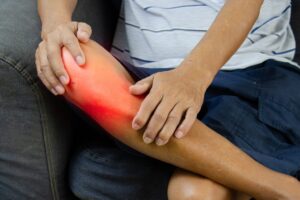
Rheumatoid arthritis is a chronic autoimmune disease. The immune system mistakenly attacks the lining of joints, causing inflammation that can damage cartilage and bone if the disease is not adequately controlled.
RA is different from osteoarthritis. It can affect people of various ages and may cause symptoms beyond the joints.
Common symptoms
- Swollen, warm, or tender joints.
- Morning stiffness that often lasts longer than stiffness associated with OA.
- Symptoms that frequently affect corresponding joints on both sides of the body.
- Fatigue or a general feeling of being unwell.
- Fluctuating periods of greater and lesser disease activity.
RA often affects the small joints of the hands and feet, although larger joints can also be involved. The pattern is not identical for everyone.
What may help?
Disease-modifying antirheumatic drugs (DMARDs) are important treatments because they can reduce inflammation and help prevent joint damage. Treatment may also include physical or occupational therapy, exercise adapted to symptoms, and other medication prescribed by a clinician.
Assistive tools can help with daily activities when pain, swelling, or reduced grip strength makes tasks difficult. Examples include easy-grip utensils, button aids, adapted handles, and devices that reduce the need to twist or squeeze.
Important: Do not rely on comfort products alone if you suspect RA. Early assessment and appropriate treatment can help reduce the risk of lasting joint damage.
3. Psoriatic Arthritis (PsA)
Psoriatic arthritis is an inflammatory condition associated with psoriasis, a disease that affects the skin and sometimes the nails. Joint symptoms can appear before, alongside, or after skin symptoms.
PsA can affect peripheral joints, the spine, and the places where tendons or ligaments attach to bone.
Common symptoms
- Pain, stiffness, and swelling in one or more joints.
- Swelling of an entire finger or toe, sometimes called dactylitis.
- Pain where tendons attach to bone, such as around the heel.
- Back pain or stiffness in some people.
- Nail pitting, separation of the nail from the nail bed, or other nail changes.
- Psoriasis patches, although skin symptoms may not always be obvious.
What may help?
Treatment depends on the areas affected and the severity of the condition. A clinician may recommend medication to control inflammation and reduce the risk of joint damage, along with suitable exercise and physical or occupational therapy.
Practical aids can help reduce gripping, pressure, and repetitive strain. If foot or heel pain is a problem, suitable footwear and professional advice about support may be useful.
Persistent joint swelling, especially in someone with psoriasis or nail changes, deserves medical assessment.
4. Gout
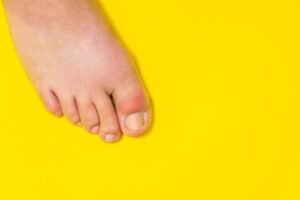
Gout is an inflammatory arthritis caused by the formation of urate crystals in and around joints. It is associated with elevated uric acid levels, although not everyone with high uric acid develops gout.
A gout attack can begin suddenly, sometimes overnight, and may cause intense pain.
Common symptoms
- Sudden, severe joint pain.
- Redness, warmth, and swelling.
- Marked tenderness, sometimes making even light contact uncomfortable.
- Attacks that improve over time but may return.
- Repeated attacks or persistent joint problems in some people.
Gout often affects the joint at the base of the big toe, but it can also affect the ankles, knees, wrists, fingers, and other joints.
What may help?
A clinician can recommend medication to manage an acute attack and, when appropriate, long-term treatment to lower uric acid and prevent future attacks. Dietary and lifestyle changes may form part of a management plan, but they are not a substitute for prescribed treatment when medication is needed.
During an attack, follow your clinician’s advice. Resting the affected joint and applying a cold pack wrapped in a cloth may help some people with discomfort. Avoid putting ice directly on the skin.
Seek urgent medical assessment for a suddenly hot, red, swollen joint, especially if you have a fever or feel unwell. Gout can resemble a joint infection, which needs prompt treatment.
5. Ankylosing Spondylitis (AS)
Ankylosing spondylitis is a form of axial spondyloarthritis, an inflammatory condition that mainly affects the spine and the joints connecting the spine to the pelvis. It can also affect other joints and tendon attachment sites.
Symptoms often begin in early adulthood, but timing and severity vary.
Common symptoms
- Persistent pain in the lower back or buttocks.
- Stiffness after sleeping or resting.
- Symptoms that may improve with movement and worsen with prolonged inactivity.
- Reduced spinal flexibility over time in some people.
- Pain around the heels, ribs, hips, or other areas in some cases.
- Significant fatigue for some individuals.
What may help?
Regular, appropriate movement and exercises that maintain mobility and posture are important parts of management. Medication may be prescribed to control inflammation, and physical therapy can help people develop a suitable routine.
Supportive pillows or adjustments to a workstation may improve comfort for some people, but they do not treat spinal inflammation. Persistent inflammatory-pattern back pain should be assessed rather than assumed to be ordinary muscle strain.
6. Lupus-Related Arthritis
Systemic lupus erythematosus (SLE), commonly called lupus, is an autoimmune disease that can affect several parts of the body. Joint pain and inflammation are common, but lupus is not exclusively a joint condition.
Common symptoms
- Aching, tender, or stiff joints.
- Joint symptoms that may come and go.
- Fatigue.
- Skin rashes, including a rash across the cheeks and nose in some people.
- Other symptoms that depend on which organs or tissues are affected.
Lupus-related joint symptoms may resemble RA or other inflammatory conditions. A clinician considers the overall pattern of symptoms, examination findings, and appropriate tests when assessing the cause.
What may help?
Treatment is guided by the person’s overall lupus activity and the organs involved. Medication and ongoing medical monitoring may be necessary. Gentle activity, pacing, and practical aids can support daily function, but comfort products cannot control the autoimmune disease.
New or worsening joint symptoms accompanied by other unexplained symptoms should be discussed with a healthcare professional.
7. Juvenile Idiopathic Arthritis (JIA)
Juvenile idiopathic arthritis is the name for several types of persistent inflammatory arthritis that begin before age 16. It is not one single condition, and symptoms differ by subtype.
Common symptoms
- Joint swelling or stiffness that persists.
- Stiffness after waking or resting.
- Limping or avoiding particular movements.
- Reduced use of an affected arm or leg.
- Fatigue or, in some subtypes, fever and rash.
Children may not always describe pain clearly. A change in walking, play, or willingness to use a limb can be a clue that something needs attention.
What may help?
Assessment by a healthcare professional experienced in childhood arthritis is important. Treatment may involve medication, physical or occupational therapy, and support for school, play, and everyday activities.
If a child has persistent joint swelling, unexplained limping, or ongoing morning stiffness, arrange a medical assessment rather than assuming it is a minor injury.
How Are the Different Types of Arthritis Diagnosed?
There is no single test that identifies every type of arthritis. Diagnosis usually combines several sources of information.
Medical history and physical examination
A clinician may ask:
- Which joints are affected?
- Did symptoms begin suddenly or gradually?
- Is stiffness worse in the morning or after rest?
- Does movement improve or worsen the symptoms?
- Are joints swollen, warm, or tender?
- Are there symptoms such as psoriasis, fatigue, fever, or a rash?
- Is there a history of injury or other relevant medical conditions?
Blood tests
Blood tests may help identify inflammation or support assessment for certain conditions, including RA or lupus. However, no single blood test confirms or excludes every type of arthritis. Results must be interpreted alongside symptoms and examination findings.
Imaging
X-rays, ultrasound, or MRI may be used to assess joint changes or inflammation, depending on the suspected condition. Imaging findings do not always match the amount of pain a person experiences.
Joint fluid testing
When gout or a joint infection is suspected, a clinician may recommend collecting fluid from the joint for analysis. Identifying crystals can support a gout diagnosis, while testing may also help investigate infection.
When Should You Seek Medical Advice?

Arrange an appointment if you have joint pain, stiffness, or swelling that persists, repeatedly returns, interferes with daily activities, or has no clear explanation.
Prompt assessment is particularly important if several joints are swollen or symptoms suggest an inflammatory condition. Early diagnosis can make a meaningful difference for conditions such as RA and PsA.
Seek urgent medical care for a suddenly hot, red, swollen joint—particularly when accompanied by fever, chills, or feeling seriously unwell. A joint infection can be an emergency, and it is not safe to assume the symptoms are gout or another type of arthritis.
Practical Ways to Make Daily Life Easier With Arthritis
The right approach depends on the condition, affected joints, symptom severity, and advice from your healthcare team. Practical aids are intended to support everyday function and comfort, not replace medical treatment.
Reduce unnecessary joint strain
- Choose tools with larger, easier-to-grip handles if squeezing is painful.
- Use two hands or a larger joint when practical rather than putting all the load on small finger joints.
- Break demanding tasks into shorter steps.
- Use a reacher or other aid when bending or reaching is difficult.
- Consider professionally recommended mobility aids if walking or balance is affected.
Adapt activity to your symptoms
Gentle movement and appropriate strengthening can help maintain mobility and function for many people with arthritis. The right type and intensity depend on the condition and your current symptoms. A physiotherapist or occupational therapist can help tailor activities and suggest joint-protection strategies.
Avoid pushing through severe or unexplained pain, and seek advice if an activity consistently worsens symptoms.
Use heat or cold thoughtfully
Some people find warmth helpful for stiffness, while a cold pack may ease discomfort during certain episodes of swelling. Use a protective layer between the skin and the heat or cold source, and follow product safety instructions.
People with reduced sensation or circulation problems should seek professional guidance before using these products.
Choose aids for the problem you actually have
A product that helps with painful finger joints may not help with hip stiffness or inflammatory back pain. Start by identifying the task or movement that is difficult, then look for an aid that addresses that specific problem.
For a broader overview, see the Arthritis Supplies & Tools: Complete Guide to Daily Living Aids.
Frequently Asked Questions
What is the most common type of arthritis?
Osteoarthritis is generally considered the most common type. It involves changes in cartilage, bone, and other joint tissues and often affects the hands, knees, hips, and spine.
What is the difference between osteoarthritis and rheumatoid arthritis?
Osteoarthritis involves changes in joint tissues, while rheumatoid arthritis is an autoimmune disease that causes inflammation in the joint lining. OA pain often increases with activity, while RA commonly causes persistent swelling and prolonged morning stiffness. These patterns can overlap, so they cannot diagnose a condition on their own.
Can you have more than one type of arthritis?
Yes. A person can have more than one form of arthritis, such as osteoarthritis and gout. This is one reason a new or changing symptom should not automatically be attributed to an existing diagnosis.
Can arthritis start suddenly?
Yes, some forms can cause sudden symptoms. Gout often produces an abrupt, severe attack. Other inflammatory conditions can also develop or worsen over a short period. Sudden joint swelling—especially with warmth, redness, or fever—needs prompt assessment because infection is another possible cause.
Can arthritis be cured?
There is no single answer for all types. Many forms of arthritis are chronic, but treatments can reduce symptoms, control inflammation, protect joints, and help maintain function. The treatment plan depends on the specific condition.
Do arthritis tools treat the disease?
No. Assistive tools, braces, ergonomic products, and heat or cold products may make particular activities more manageable or provide temporary comfort. They do not cure arthritis or replace disease-specific medical treatment.
How can I tell which type of arthritis I have?
Symptoms can offer clues, but they are not enough to identify the condition reliably. A healthcare professional may use your medical history, physical examination, blood tests, imaging, or joint fluid testing, depending on the symptoms.
The Bottom Line
Arthritis includes several different conditions, and the distinction matters. Osteoarthritis, rheumatoid arthritis, psoriatic arthritis, gout, ankylosing spondylitis, lupus-related arthritis, and juvenile idiopathic arthritis have different causes and may require different approaches to treatment.
If symptoms persist or interfere with daily life, seek an assessment rather than trying to identify the condition from symptoms alone. Once the type of arthritis and affected joints are better understood, appropriate treatment, movement strategies, and practical aids can help you manage everyday challenges.
Related Reading
- Early Signs of Arthritis: Symptoms You Shouldn’t Ignore
- Arthritis vs. Normal Joint Pain: How to Tell the Difference
- Arthritis Pain by Body Part: Where Arthritis Hurts and What Helps
- The Ultimate Guide to Coping with Arthritis
- Arthritis Supplies & Tools: Complete Guide to Daily Living Aids
Medical Disclaimer: This article is for informational purposes only and does not constitute medical advice. Always consult your doctor, rheumatologist, or occupational therapist before making changes to how you manage your arthritis.
