

If you live with arthritis, you may have heard that certain foods can help fight inflammation and ease joint pain. While no food can cure arthritis, the foods you eat regularly can contribute to your overall health and may support a healthy eating pattern.
Some foods contain omega-3 fatty acids, antioxidants, fibre, and other nutrients that researchers have studied for their potential roles in inflammation and general health. However, evidence varies. A food that is nutritious is not necessarily proven to reduce arthritis pain, prevent flares, or slow joint damage.
This guide looks at 10 foods worth considering as part of a balanced diet, how to include them in everyday meals, and what to realistically expect.
Quick Answer: What Are the Best Anti-Inflammatory Foods for Arthritis?
Ten nutritious choices to consider are:
- Fatty fish, such as salmon and sardines.
- Berries, including blueberries and strawberries.
- Broccoli and other cruciferous vegetables.
- Ginger.
- Turmeric.
- Garlic.
- Walnuts.
- Extra-virgin olive oil.
- Spinach and other leafy greens.
- Tart cherries.
These foods provide a range of nutrients that can fit into a healthy eating pattern. They are not proven arthritis treatments, and no single food works for everyone. Focus on variety and consistency rather than expecting one ingredient to deliver quick pain relief.
1. Fatty Fish: Salmon, Sardines, and Mackerel

Fatty fish are among the most useful foods to consider when building an arthritis-friendly eating pattern. Salmon, sardines, trout, and mackerel provide omega-3 fatty acids, particularly EPA and DHA.
These fats have been studied for their effects on inflammatory processes. Some research suggests omega-3 supplementation may provide modest benefits for certain symptoms of rheumatoid arthritis, such as joint tenderness or stiffness. However, the evidence does not mean that eating fish will reliably relieve pain or prevent flares, and results vary.
How to include fatty fish in your diet
- Bake salmon with lemon, herbs, and olive oil.
- Add canned sardines or salmon to whole-grain toast.
- Serve grilled trout with vegetables and brown rice.
- Include fish in meals regularly if you enjoy it and it fits your budget.
If fresh fish is expensive, canned salmon and sardines can be convenient alternatives. Check sodium levels if you have been advised to limit salt.
What to expect: Fatty fish are a nutritious protein choice, but they should not replace prescribed arthritis medication. Eating fish is also different from taking a concentrated fish-oil supplement.
2. Berries: Blueberries, Strawberries, and Raspberries

Berries provide fibre, vitamins, and plant compounds called polyphenols, including anthocyanins in many dark-coloured berries. These compounds have attracted research interest because of their antioxidant and other biological effects.
However, laboratory findings do not automatically translate into meaningful improvements in arthritis symptoms. There is not enough evidence to say that eating blueberries or strawberries will directly reduce joint pain or prevent an arthritis flare.
Easy ways to eat more berries
- Add blueberries or strawberries to oatmeal.
- Mix berries into plain yogurt.
- Blend frozen berries into a smoothie.
- Keep frozen berries on hand for convenient breakfasts and snacks.
Fresh and frozen berries can both be useful choices. Frozen fruit is often practical because it lasts longer and can be less expensive when berries are out of season.
What to expect: Berries are a simple way to add fruit and fibre to your diet. Enjoy them for their nutritional value rather than as a stand-alone arthritis remedy.
3. Broccoli and Other Cruciferous Vegetables
Broccoli, cauliflower, cabbage, and Brussels sprouts contain fibre, vitamins, and plant compounds such as glucosinolates. Researchers have investigated some of these compounds for their biological effects, including pathways related to inflammation.
Much of the interest in compounds such as sulforaphane comes from laboratory and early-stage research. It is not established that eating broccoli prevents cartilage damage or slows the progression of arthritis in people.
Practical ways to eat broccoli
- Steam broccoli and serve it with fish or chicken.
- Roast broccoli with olive oil and garlic.
- Add chopped broccoli to soups, pasta dishes, or stir-fries.
- Use frozen broccoli when fresh vegetables are inconvenient.
If chopping vegetables is difficult because of hand pain or stiffness, consider pre-cut or frozen options. Convenience can make it easier to include vegetables regularly.
What to expect: Broccoli is a nutrient-rich vegetable that fits well into a balanced diet. There is no need to eat it in unusually large amounts or treat it as a specific treatment for joint inflammation.
4. Ginger
Ginger has a long history of culinary use and contains compounds called gingerols and shogaols. Researchers have studied ginger for its possible effects on inflammatory pathways and pain.
Some clinical studies have examined ginger preparations for pain, including osteoarthritis symptoms, but the studies vary in quality, preparation, and dose. The evidence is not strong enough to conclude that ordinary amounts of ginger reliably relieve arthritis pain.
Ways to use ginger
- Grate fresh ginger into a vegetable stir-fry.
- Add a little ginger to soups or homemade dressings.
- Brew ginger tea if you enjoy the flavour.
- Add ginger to marinades for fish or chicken.
Fresh, frozen, and powdered ginger can all be convenient cooking ingredients.
What to expect: Ginger can add flavour to meals without relying on excess salt. Treat it as a food ingredient, not a substitute for medical treatment.
If you are considering concentrated ginger supplements, check with a healthcare professional or pharmacist, particularly if you take blood-thinning medication or have other medical conditions.
5. Turmeric
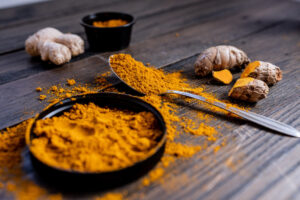
Turmeric is a yellow-orange spice commonly used in curries, soups, and rice dishes. It contains curcumin, a compound that has been investigated for its potential effects on inflammation.
Some clinical trials of curcumin preparations have reported improvements in osteoarthritis symptoms. However, studies differ in their design and quality, and results from concentrated extracts cannot automatically be applied to turmeric used in cooking. More research is needed to establish which preparations, if any, are reliably beneficial.
Easy ways to use turmeric
- Add turmeric to lentil or vegetable soup.
- Mix it into rice or grain dishes.
- Use it in curries with vegetables and your preferred protein.
- Combine it with other herbs and spices to add flavour to meals.
Turmeric has a distinctive taste, so start with a small amount if you are unfamiliar with it.
What to expect: Culinary turmeric can be part of a varied diet, but adding it to meals is not the same as taking a concentrated curcumin supplement. High-dose products may cause side effects and interact with medications. Ask your pharmacist or healthcare professional before using them for arthritis.
6. Garlic
Garlic adds flavour to many dishes and contains sulphur-containing compounds that have been studied for their biological effects. However, much of the research on garlic and inflammation involves laboratory studies or outcomes other than arthritis symptoms.
There is not strong clinical evidence that eating garlic directly reduces arthritis pain, prevents flares, or slows joint damage.
Simple ways to use garlic
- Add minced garlic to roasted vegetables.
- Use it in soups, sauces, and homemade salad dressings.
- Combine garlic, lemon, and olive oil for a simple fish marinade.
- Roast whole garlic cloves for a milder flavour.
Garlic can help make meals flavourful, especially if you are trying to use less salt.
What to expect: Enjoy garlic as a versatile cooking ingredient. There is no established arthritis-specific amount you need to eat.
Concentrated garlic supplements can have different effects from culinary amounts and may increase bleeding risk or interact with some medications.
7. Walnuts
Walnuts provide plant-based omega-3 fatty acids in the form of alpha-linolenic acid (ALA). They also contain fibre, protein, and unsaturated fats.
ALA is different from the EPA and DHA found in fatty fish. The body can convert some ALA into EPA and DHA, but the conversion is limited. As a result, walnuts are nutritious but should not be considered a direct replacement for the omega-3s in oily fish.
Research supports including nuts as part of healthy dietary patterns, but evidence that walnuts specifically improve arthritis symptoms is limited.
How to add walnuts to meals
- Sprinkle chopped walnuts over oatmeal.
- Add them to salads or grain bowls.
- Mix a small handful into plain yogurt.
- Combine walnuts with fruit for a simple snack.
Walnuts are energy-dense, so a small handful can be a practical serving. Choose unsalted varieties if you are watching your sodium intake.
What to expect: Walnuts provide useful nutrients and can add variety to your protein and fat sources. They are not a proven treatment for arthritis pain.
8. Extra-Virgin Olive Oil
Extra-virgin olive oil is a source of monounsaturated fat and contains plant compounds, including polyphenols. It is a common part of Mediterranean-style eating patterns, which emphasize vegetables, fruit, whole grains, legumes, nuts, fish, and unsaturated fats.
Research has investigated the relationship between Mediterranean-style diets and health outcomes, including inflammation. However, it is difficult to separate the effects of one ingredient from the effects of the overall dietary pattern. Olive oil alone has not been established as a treatment for arthritis.
Practical ways to use olive oil
- Drizzle it over cooked vegetables.
- Use it in salad dressings.
- Add a small amount when sautéing vegetables.
- Use it in marinades for fish, chicken, or tofu.
You do not need to purchase the most expensive bottle to benefit from using olive oil as a cooking fat. Choose a product that fits your budget and how you plan to use it.
What to expect: Olive oil can be a useful alternative to some fats high in saturated fat. It works best as part of an overall balanced eating pattern, not as a stand-alone remedy.
9. Spinach and Other Leafy Greens

Spinach, kale, collard greens, and other leafy vegetables provide fibre, folate, and a range of vitamins and minerals. Spinach also contains vitamin K, which plays a role in normal blood clotting and bone health.
Although leafy greens are nutritious, there is not strong evidence that spinach specifically reduces arthritis pain or prevents flares. Their value is in helping provide a varied, nutrient-rich diet.
Easy ways to include leafy greens
- Add spinach to omelettes or scrambled eggs.
- Stir leafy greens into soups near the end of cooking.
- Use spinach or kale in salads.
- Add a handful of spinach to pasta or a cooked grain dish.
Frozen spinach can be a convenient option when fresh produce is expensive or difficult to keep on hand.
A medication note: If you take warfarin, a blood thinner affected by vitamin K, do not suddenly make large changes to your intake of spinach or other vitamin-K-rich foods. Ask your healthcare professional how to keep your intake consistent.
What to expect: Leafy greens are valuable components of a balanced diet, but eating more spinach has not been shown to cure arthritis or directly reverse joint damage.
10. Tart Cherries
Tart cherries contain anthocyanins and other polyphenols that researchers have studied for their potential biological effects. Tart cherry juice and extracts have also been investigated in relation to exercise recovery, pain, and gout.
The evidence is still limited, and findings from small studies should not be treated as proof that tart cherries relieve arthritis pain. Tart cherry products are also not interchangeable with prescribed gout treatment.
Ways to enjoy cherries
- Eat fresh or frozen cherries when available.
- Add cherries to oatmeal or plain yogurt.
- Use frozen cherries in a smoothie.
- If you choose tart cherry juice, check the label for added sugar and serving size.
Juice can contain substantial natural sugar even when no extra sugar has been added. Whole fruit generally provides more fibre.
What to expect: Tart cherries can be included as one of many fruit choices. They are not a proven way to prevent gout attacks or manage osteoarthritis or rheumatoid arthritis.
If you have gout, do not rely on cherry products instead of prescribed uric-acid-lowering treatment or your clinician’s advice.
How to Build an Arthritis-Friendly Eating Pattern

Choosing individual foods is useful, but your overall eating pattern is usually a more practical focus than trying to find one powerful anti-inflammatory ingredient.
A Mediterranean-style pattern is one option. It emphasizes a variety of plant foods, whole grains, legumes, nuts, unsaturated fats, and suitable sources of protein.
You do not need to change everything at once. Start with one or two adjustments you can maintain.
Simple meal ideas
| Meal | Practical idea |
|---|---|
| Breakfast | Oatmeal topped with berries and walnuts |
| Lunch | Leafy-green salad with chickpeas, olive oil dressing, and whole-grain bread |
| Dinner | Baked salmon, broccoli, and brown rice |
| Snack | Fruit, plain yogurt, or a small handful of unsalted nuts |
| Vegetarian dinner | Lentil and vegetable soup with whole-grain toast |
Adapt these ideas to your appetite, food preferences, budget, allergies, and medical needs. Frozen vegetables, canned fish, dried or canned beans, and other pantry staples can help reduce preparation time and waste.
If arthritis in your hands makes cooking difficult, choose pre-cut vegetables, easy-open packaging, lightweight cookware, and meals that require fewer steps. The best eating plan is one you can realistically follow.
Can Anti-Inflammatory Foods Reduce Arthritis Pain?
They may support overall health, but the evidence needs to be interpreted carefully.
- Rheumatoid arthritis: Some research suggests omega-3 supplements may provide modest symptom benefits for some people. Dietary changes alone are not a replacement for disease-modifying treatment.
- Osteoarthritis: Healthy eating can support general health and may be helpful alongside appropriate movement and weight management when relevant. No single food has been shown to rebuild damaged cartilage.
- Gout: Diet can influence uric acid levels and attack risk, but genetics, kidney function, medications, and other factors also matter. Many people need prescribed treatment in addition to dietary changes.
Be cautious of claims that a particular food will stop a flare, eliminate inflammation, or reverse arthritis damage. Those promises go beyond what the evidence can reliably support.
What About Omega-3 and Curcumin Supplements?

You may see supplements marketed for joint pain or inflammation, including fish oil, turmeric, and curcumin. These products are not the same as eating foods that naturally contain omega-3 fats or using spices in cooking.
Research on supplements varies by ingredient, formulation, dose, and type of arthritis. A result from one particular product cannot automatically be applied to every supplement on the shelf.
Supplements can also cause side effects, interact with medications, and vary in quality. Before buying one for arthritis, discuss the specific product with your healthcare professional or pharmacist.
For more information, see our guide to Arthritis Supplements.
Foods to Limit: Is There Anything You Should Avoid?
An arthritis-friendly diet does not require everyone to follow the same list of forbidden foods.
For many people, it makes sense to limit frequent sugary drinks and heavily processed foods while eating a wider variety of vegetables, fruit, whole grains, and suitable protein sources. But the right choices depend on your health, preferences, and the type of arthritis you have.
Gout is different because some foods and drinks, including alcohol, sugary drinks, organ meats, and certain seafood or red meats, can contribute to attack risk.
Claims that everyone with arthritis should avoid dairy, gluten, tomatoes, potatoes, or all vegetable oils are not supported by strong evidence.
Read our related guide, Foods That Trigger Arthritis Flares: What Research Really Shows, for a closer look at common food-trigger claims and how to investigate a suspected connection without unnecessary restrictions.
Frequently Asked Questions
What is the best anti-inflammatory food for arthritis?
There is no single best food for everyone with arthritis. Fatty fish, berries, vegetables, nuts, and olive oil can all fit into a balanced eating pattern, but none is proven to cure arthritis or reliably stop a flare.
How long does it take for anti-inflammatory foods to work?
There is no established timeline because individual foods have not been shown to reliably relieve arthritis symptoms. Dietary patterns may support general health over time, but they should not be treated as a quick pain-relief method. If symptoms are worsening, consult your healthcare professional.
Are turmeric and ginger good for arthritis?
Both have been studied for possible effects on inflammation and pain, but evidence varies and is not conclusive. Culinary amounts can add flavour to meals. Concentrated supplements have different risks and should be discussed with a healthcare professional or pharmacist.
Should I take fish oil instead of eating fish?
Not necessarily. Fish provides protein and other nutrients in addition to omega-3 fats. Some research suggests fish-oil supplements may modestly improve certain rheumatoid arthritis symptoms, but supplements are not appropriate for everyone and should not replace prescribed treatment. Ask your healthcare professional whether one is suitable for you.
Is a Mediterranean diet good for arthritis?
A Mediterranean-style eating pattern provides a range of nutritious foods and is associated with several general health benefits. Some studies have examined its relationship with arthritis symptoms, but it is not a cure and cannot guarantee pain relief. It is one reasonable approach to balanced eating.
Do I need to buy special foods or expensive supplements?
No. You can build balanced meals with ordinary groceries, including frozen vegetables, canned fish, beans, oats, seasonal fruit, and affordable nuts or seeds. Expensive products are not a requirement for eating well, and supplements should not be purchased on the assumption that they will treat arthritis.
The Bottom Line
Fatty fish, berries, broccoli, ginger, turmeric, garlic, walnuts, olive oil, leafy greens, and tart cherries can all have a place in a varied, balanced diet.
Some contain nutrients and compounds that researchers are studying for their potential effects on inflammation. But evidence for a particular food directly improving arthritis symptoms is often limited, and no single ingredient can replace appropriate treatment.
Start with realistic changes that suit your tastes, budget, and abilities. Choose a variety of nutritious foods, be cautious about strong health claims, and seek professional advice before making major dietary changes or taking supplements.
Medical Disclaimer: This article is for informational purposes only and does not constitute medical advice. Always consult your doctor, rheumatologist, or occupational therapist before making changes to how you manage your arthritis.
