
*This post may contain affiliate links, from which we may earn a small commission at no extra cost to you.*
Benefits, risks, safety tips, and the best options for people living with arthritis
Living with arthritis often means managing daily stiffness, inflammation, and unpredictable joint pain. While heating pads and warm baths have long been go-to remedies, infrared sauna blankets are becoming a popular at-home option for deeper, longer-lasting heat relief.
But do infrared sauna blankets really help with arthritis pain?
Let’s break down the science, benefits, risks, and the best options — so you can decide if this therapy fits into your pain-management routine.
⭐ Quick Answer: Do Infrared Sauna Blankets Help Arthritis?
Yes — for many people, they can help.
Infrared sauna blankets may temporarily reduce arthritis pain and stiffness by improving circulation, relaxing tight muscles, and supporting overall relaxation. They are not a cure, but many people with osteoarthritis, rheumatoid arthritis, and chronic joint pain report noticeable symptom relief when used safely and consistently.
🔥 What Is an Infrared Sauna Blanket?
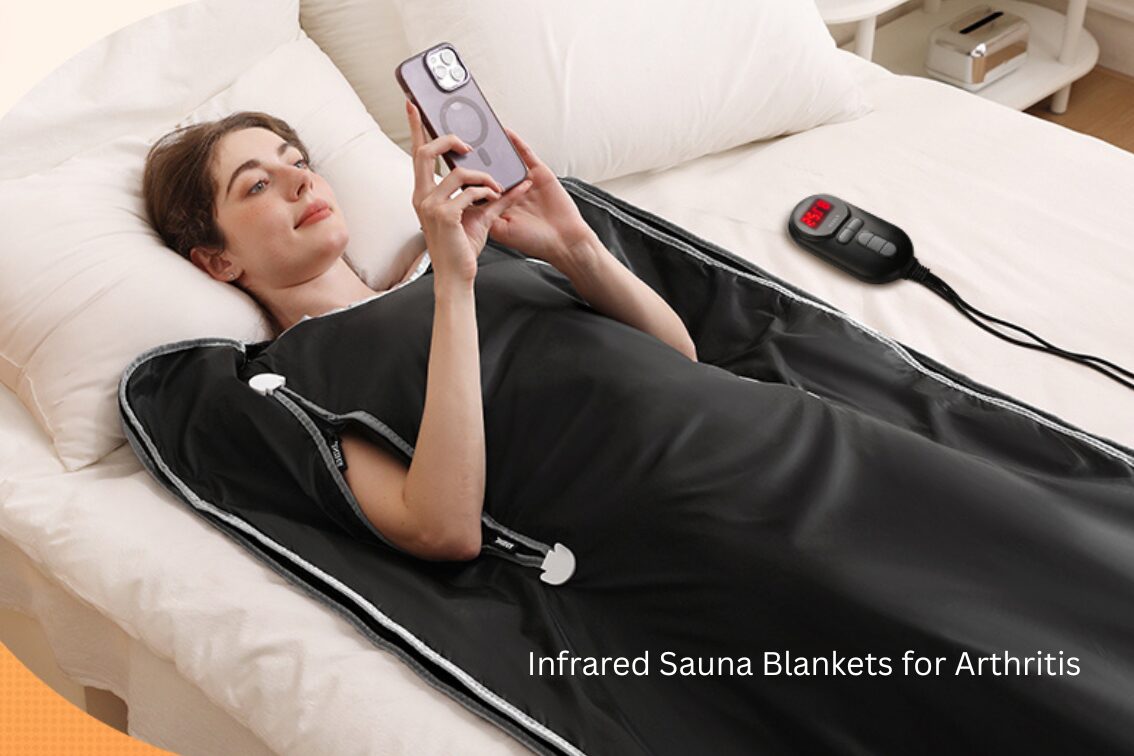
An infrared sauna blanket is a portable, full-body heating device that uses far-infrared (FIR) heat to warm your body directly — rather than heating the air like a traditional sauna.
How Far-Infrared Heat Works
Far-infrared heat:
- Penetrates deeper into muscles and joints
- Increases blood flow
- Helps loosen stiff connective tissue
- Promotes relaxation and stress relief
This deeper heat penetration is why many people with arthritis find infrared therapy more effective than standard surface-level heating pads.
💆♀️ Is Infrared Heat Good for Arthritis?
For many people, yes — especially for stiffness, circulation issues, and muscle tension around painful joints.
Infrared heat may help arthritis by:
- Encouraging movement of synovial fluid in joints
- Relaxing muscles that support stiff or painful joints
- Improving circulation to affected areas
- Temporarily reducing pain signals
People with osteoarthritis often report improved mobility after sessions, while some with rheumatoid arthritis notice reduced morning stiffness when used outside of flare-ups.
🌡️ Benefits of Infrared Sauna Blankets for Arthritis Pain
1️⃣ Reduced Joint Stiffness
Heat therapy is widely used to loosen stiff joints, particularly after inactivity or in the morning.
2️⃣ Improved Circulation
Better blood flow delivers oxygen and nutrients to sore joints while helping remove metabolic waste.
3️⃣ Muscle Relaxation
Relaxed muscles reduce strain and pressure on already-painful joints.
4️⃣ Stress & Sleep Support
Chronic pain takes a toll on sleep and mental health. Infrared heat promotes relaxation, which may improve sleep quality.
5️⃣ Convenient At-Home Therapy
Unlike spa saunas, infrared sauna blankets are portable, affordable, and easy to use at home.
⚠️ Risks & Who Should Avoid Infrared Sauna Blankets
Infrared sauna blankets are generally safe for many people — but not everyone should use them.
Avoid or consult your doctor if you:
- Have uncontrolled high blood pressure
- Are pregnant
- Have a pacemaker or implanted medical device
- Have severe neuropathy or reduced heat sensation
- Are sensitive to heat
- Are experiencing an active rheumatoid arthritis flare
Possible Side Effects
- Dehydration
- Dizziness or lightheadedness
- Overheating
- Skin irritation
👉 Always start with short sessions and low heat.
🔄 Infrared Sauna Blanket vs Heating Pad for Arthritis
| Feature | Infrared Sauna Blanket | Heating Pad |
|---|---|---|
| Heat Type | Far-infrared (deep heat) | Surface heat |
| Penetration | Deep into muscles & joints | Shallow |
| Best For | Whole-body stiffness & circulation | Targeted pain |
| Cost | $$ | $ |
| Coverage | Full body | One area |
Best approach: Many arthritis sufferers use both — a sauna blanket for overall stiffness and a heating pad for spot treatment.
🧭 How Often Should You Use an Infrared Sauna Blanket?
Most people with arthritis find relief using an infrared sauna blanket:
- 3–5 times per week
- 20–40 minutes per session
- At low to medium heat settings
Consistency matters more than intensity.
🛍️ Best Infrared Sauna Blankets for Arthritis (Amazon Picks)
Below are popular, well-reviewed options that many people with arthritis consider for at-home heat therapy. Product availability and features may change, so always check current listings and reviews.
⭐ Best Overall: HigherDOSE Infrared Sauna Blanket V4
- Multi-layer design with far-infrared heat
- Adjustable heat settings
- Foldable and easy to store

⭐ Best for Pain Relief & Recovery: REVIIV Infrared Sauna Blanket
- Even heat distribution
- Adjustable temperature range
- Popular for joint pain and stiffness

⭐ Budget-Friendly Option: MiHIGH Infrared Sauna Blanket
- Lightweight and portable
- Simple setup
- Good entry-level choice

🔁 Alternative Option: Far-Infrared Heating Wraps
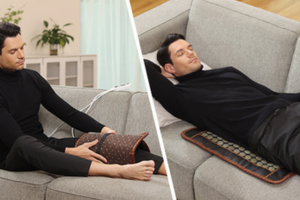
If lying inside a full blanket isn’t comfortable, infrared heating wraps or pads for knees, back, or shoulders may be a better fit.
👉 Browse Far-Infrared Heating Pads on Amazon
💬 What Arthritis Sufferers Often Report
While results vary, many people say infrared heat helps with:
- Less morning stiffness
- Improved mobility after sessions
- Reduced muscle tension
- Better sleep and relaxation
📄 Infrared Heat Safety & Use Guide
✔ Before Your Session
☐ Drink water
☐ Wear loose cotton clothing
☐ Remove jewelry
☐ Set heat to low or medium
☐ Keep a towel nearby
✔ During Your Session
☐ Start with 10–20 minutes
☐ Breathe comfortably
☐ Stop if dizzy, nauseous, or overheated
✔ After Your Session
☐ Rehydrate
☐ Allow body to cool gradually
☐ Clean and air out blanket
⚠ Safety Reminders
☐ Avoid use during RA flare-ups
☐ Do not use if pregnant or medically restricted
☐ Never sleep inside the blanket
🧠 Final Thoughts
Infrared sauna blankets won’t cure arthritis — but they can be a valuable complementary therapy for managing pain, stiffness, and stress. When used safely, they offer deep, soothing heat that many people find more effective than traditional heating methods.
Start slow, stay hydrated, and listen to your body. As always, talk with your healthcare provider before adding new therapies to your routine.