
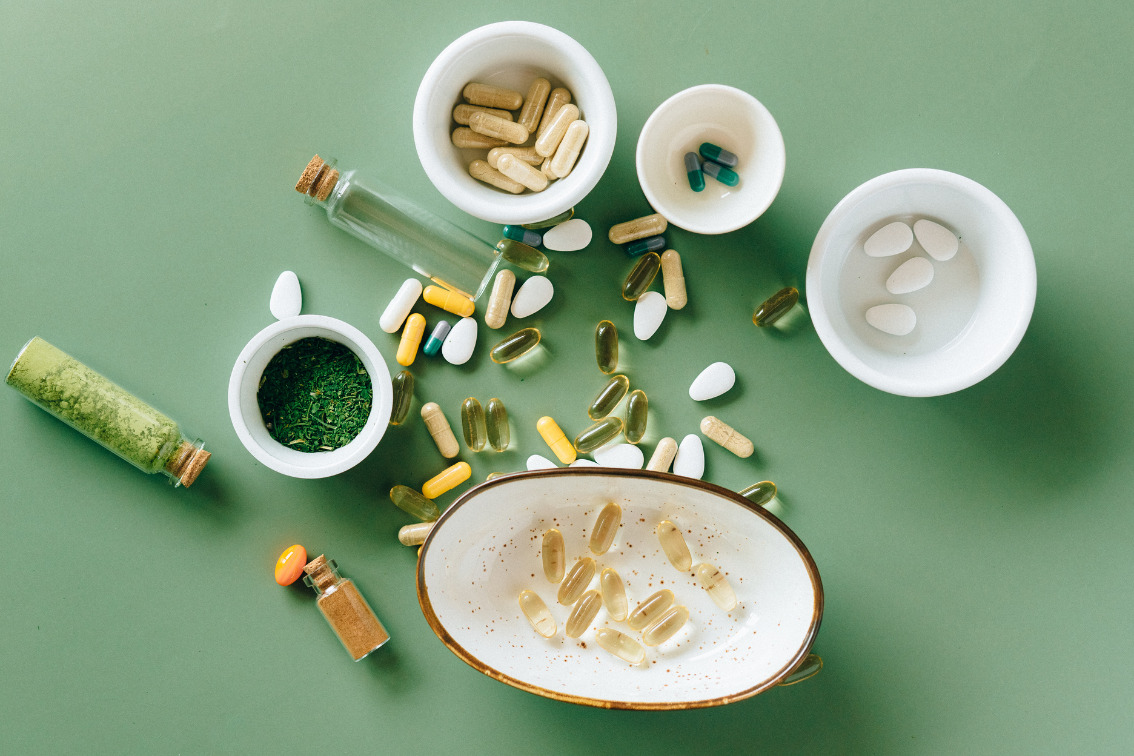
When arthritis pain is part of daily life, it’s natural to look beyond the medicine cabinet. Many people want options they can actually make themselves — remedies that feel tangible, accessible, and under their control.
The good news is that some of the most well-supported natural approaches to joint pain management are genuinely simple to prepare at home. This guide covers DIY topical treatments, herbal teas, essential oil blends, and soothing bath therapies — all using ingredients that are easy to find and inexpensive to use.
Important note before you start: Natural remedies can complement medical treatment, but they’re not a substitute for it. If you’re managing a diagnosed condition or taking medication, check with your doctor before adding new topical or herbal remedies to your routine — especially if you have sensitive skin, allergies, or vascular concerns.
Why Some People With Arthritis Turn to Natural Remedies

Natural approaches aren’t for everyone — and they’re not meant to replace conventional care. But there are real reasons people find them worthwhile alongside their existing treatment plan:
- Fewer side effects for topical use: Applying an ingredient directly to a sore joint is different from taking it systemically. Many people tolerate topical natural remedies well, even when oral medications cause issues.
- Genuine anti-inflammatory compounds: Ingredients like turmeric (curcumin), ginger, and arnica have been studied for their anti-inflammatory effects — though topical absorption and concentration vary.
- Ritual and routine: Brewing a tea or applying a balm can become a calming part of a daily pain management routine, which has real value for stress and sleep — both of which affect inflammation.
- Affordable and customizable: Most ingredients cost very little and can be adjusted to your preferences and sensitivities.
👉 Looking for ready-made tools instead? See our guide: Arthritis Tools That Make Everyday Tasks Easier
What’s Actually Driving Arthritis Pain?
Understanding the mechanism helps you choose the right remedy. In most forms of arthritis — particularly rheumatoid arthritis and osteoarthritis — inflammation is central to the pain cycle. The immune system attacks joint tissue, triggering swelling, warmth, and stiffness. Over time, cartilage breaks down and joints change structurally.
This is why anti-inflammatory ingredients show up in so many natural remedy recipes. Reducing local inflammation — even modestly — can take the edge off pain and improve how a joint moves and feels day-to-day.
DIY Topical Treatments for Arthritis Joint Pain

Topical remedies let you apply active ingredients directly where the pain is. These four recipes use well-known natural compounds and are straightforward to make at home.
Before you start: Always do a patch test on a small area of skin before applying any new recipe to a painful joint. If you have sensitive skin, nut allergies, or a history of skin reactions, consult a healthcare professional first.
🌿 Pain-Relieving Cream (Peppermint and Lavender)
A general-purpose balm for soreness and tension. Peppermint provides a cooling, numbing sensation; lavender adds calming properties that make this useful before bed or after a long day.
Ingredients:
- 1 cup coconut oil
- ½ cup shea butter
- ¼ cup beeswax
- 10 drops peppermint essential oil
- 10 drops lavender essential oil
Instructions: Melt the coconut oil, shea butter, and beeswax together in a double boiler over low heat. Remove from heat and allow to cool slightly, then stir in the essential oils. Pour into a glass jar and leave to set at room temperature. Apply to sore joints and massage in gently.
Best for: General joint soreness, end-of-day pain, sleep preparation
🌿 Turmeric and Ginger Balm
Turmeric’s active compound, curcumin, has well-documented anti-inflammatory properties. Combined with ginger and black pepper (which improves absorption), this balm is specifically aimed at reducing inflammation and stiffness in arthritic joints.
Ingredients:
- ¼ cup turmeric powder
- ½ cup coconut oil
- ¼ cup beeswax
- 10 drops ginger essential oil
- 5 drops black pepper essential oil
Instructions: Combine all ingredients in a double boiler over low heat, stirring until fully melted and blended. Pour into a small container and allow to cool completely. Apply to affected joints as needed.
Note: Turmeric stains — use old clothing or towels and avoid white fabrics.
Best for: Inflammation, morning stiffness, swollen joints
🌶️ Capsaicin Warming Cream
Capsaicin — the active compound in chili peppers — is one of the more evidence-backed topical ingredients for arthritis pain. It works by temporarily depleting a neurotransmitter called substance P, which carries pain signals to the brain. Regular use tends to produce the best results.
Ingredients:
- 2 tbsp chili pepper powder
- ½ cup coconut oil
- ¼ cup beeswax
Instructions: Heat all ingredients together in a double boiler, stirring until smooth and fully combined. Allow to cool before applying. Use gloves when applying and avoid touching your eyes or face. Wash hands thoroughly after use.
Important: Capsaicin causes a warming or burning sensation — this is normal, but always patch-test first. Start with a small amount and increase gradually. Not suitable for broken skin.
Best for: Chronic joint pain, knees, knuckles, hands
🌼 Arnica and Rosemary Salve
Arnica has long been used topically for pain and bruising, and several small studies suggest it may be comparable to mild anti-inflammatory gels for joint pain. Rosemary and peppermint add circulation-boosting and cooling properties.
Ingredients:
- ¼ cup dried arnica flowers
- ½ cup olive oil
- ¼ cup beeswax
- 10 drops rosemary essential oil
- 10 drops peppermint essential oil
Instructions: Gently warm the arnica flowers in the olive oil over very low heat for 1–2 hours — do not let it boil. Strain out the flowers using cheesecloth, then return the infused oil to heat and add beeswax until melted. Remove from heat, stir in the essential oils, and pour into containers to set.
Best for: Bruised or sore joints, post-activity recovery, swollen hands
Herbal Teas That Support Joint Health

Anti-inflammatory herbal teas aren’t a cure, but they can be a genuinely pleasant daily habit that contributes to lower inflammation over time — and the ritual of making and drinking tea has its own calming effect on the nervous system, which matters for pain management.
Five Teas Worth Trying
- Ginger-Turmeric Tea — Simmer a 1-inch piece each of fresh ginger and turmeric root in 2 cups of water for 10 minutes. Add a squeeze of lemon and honey to taste. Both ingredients have anti-inflammatory properties; lemon adds vitamin C.
- Chamomile and Lemon Balm Tea — Steep 1 tbsp of dried chamomile flowers and 1 tsp of dried lemon balm leaves in boiling water for 5–7 minutes. Mildly sedating and calming — particularly good in the evening.
- Nettle Leaf Tea — Nettle is rich in minerals including magnesium, calcium, and iron, and has been studied for its anti-inflammatory effects in arthritis. Steep 1–2 tsp of dried nettle leaf for 5 minutes.
- Cinnamon and Clove Tea — A warming blend that improves circulation. Add a cinnamon stick and 2–3 cloves to simmering water for 10 minutes. A splash of almond milk makes it particularly comforting in cold weather.
- Green Tea with Turmeric and Lemon — Green tea contains EGCG, a polyphenol with anti-inflammatory properties. Add a pinch of turmeric and a squeeze of lemon to a standard green tea for a stacked antioxidant cup.
👉 See also: Essential Oils for Arthritis Pain Relief: A Natural Approach
Essential Oil Blends for Joint Comfort
Essential oils work best when diluted in a carrier oil (coconut, jojoba, or sweet almond oil) and massaged gently into the affected joint. The massage action itself promotes circulation and can ease stiffness.
Dilution guide: Use 1–2 drops of essential oil per teaspoon of carrier oil. For a larger area, scale up but keep the same ratio. Always patch test before first use.
Five Blends for Different Needs
- Peppermint + Eucalyptus — Cooling and refreshing; best for acute pain and hot, inflamed joints. Apply and leave uncovered for the cooling effect to work.
- Lavender + Chamomile — Calming and mildly analgesic; ideal before sleep or during a flare-up when you want relief without stimulation.
- Frankincense + Myrrh — Both have historical use in joint support; frankincense in particular (boswellic acid) has been studied for its anti-inflammatory effects when taken orally. Topically, the scent is grounding and calming.
- Ginger + Black Pepper — Warming blend to ease stiffness and improve local circulation. Particularly useful in the morning or in cold weather.
- Rosemary + Marjoram — Helps ease muscle tension around arthritic joints and may improve flexibility with regular use.
Soothing Baths and Warm Compresses

Heat therapy is one of the most reliably effective at-home approaches to arthritis stiffness. It relaxes muscles, increases blood flow, and makes joints more pliable before movement. These two methods are easy to add to your weekly routine.
Epsom Salt Bath
Add 2 cups of Epsom salt and 10 drops of lavender essential oil to warm (not hot) bathwater. Soak for 15–20 minutes. Epsom salt is magnesium sulfate — magnesium may be absorbed through the skin, and many people find the soaks deeply relaxing for achy legs, hands, and lower back joints.
Ginger or Chamomile Warm Compress
Brew a strong ginger or chamomile tea, allow it to cool to a comfortably warm temperature, then soak a clean cloth in the tea, wring it out, and apply it directly to a sore joint. Leave in place for 10–15 minutes, rewarming as needed. Particularly useful for hand and knee joints.
👉 Explore more water-based approaches in: The Power of Hydrotherapy for Arthritis Pain Relief
Lifestyle Habits That Make Natural Remedies Work Better

No topical remedy works as well in isolation as it does alongside consistent daily habits. These aren’t complex changes — but they make a meaningful difference to how much relief you get from everything else you’re doing.
- Eat anti-inflammatory foods: Colorful fruits and vegetables, leafy greens, whole grains, olive oil, and omega-3-rich fish (salmon, sardines, mackerel) all reduce systemic inflammation over time.
- Move gently every day: Yoga, swimming, tai chi, and walking maintain joint mobility and muscle support without adding strain. Even 10–15 minutes daily makes a difference.
- Manage stress actively: Chronic stress elevates inflammatory markers. Daily breathing exercises, mindfulness, or even a short walk outdoors all help bring this down.
- Prioritize sleep: Inflammation increases during poor sleep. Aim for 7–9 hours and use a consistent routine — the lavender or chamomile remedies above can support this.
- Maintain a healthy weight: Even modest weight loss reduces load on weight-bearing joints like knees and hips significantly.
- Use assistive tools: Ergonomic utensils, jar openers, braces, and easy-grip aids protect your joints from daily strain. Small changes add up.
- Stay hydrated: Joints need adequate hydration to stay lubricated. Water remains the most important daily habit for joint health.
👉 See our guide: Best Arthritis Tools for Daily Living (2026)
Frequently Asked Questions
Are DIY arthritis remedies safe to use alongside my medication?
Most topical remedies — balms, salves, and creams applied to the skin — are unlikely to interact with oral medications, but it’s always worth checking with your doctor or pharmacist before starting anything new. Herbal teas carry slightly more risk of interaction: ginger, for example, has mild blood-thinning properties that can be relevant if you’re taking warfarin or other anticoagulants. Turmeric in large amounts may also affect how certain medications are absorbed. The general rule: topical use is lower risk, internal use warrants a conversation with your healthcare provider first.
How long does it take for natural remedies to work?
It depends on the remedy and the person. Topical treatments like capsaicin cream and peppermint balm can provide noticeable relief within minutes — though capsaicin works better with consistent daily use over 1–2 weeks as the pain-signaling effect builds up. Herbal teas and anti-inflammatory lifestyle changes work more gradually; most people notice a difference after 2–4 weeks of regular use. If you try a remedy for 3–4 weeks and notice no improvement at all, it’s reasonable to move on and try something else.
Can I use these remedies if I have sensitive skin?
Yes, but with extra caution. Always do a patch test before applying any new balm or oil to a painful joint: apply a small amount to the inside of your wrist or elbow, wait 24 hours, and check for redness, itching, or irritation. If you react, don’t use it. People with sensitive skin may do better with simpler recipes — the plain peppermint and lavender cream, for example, is gentler than the capsaicin or turmeric blends. If you have eczema, psoriasis, or a history of contact dermatitis, consult a dermatologist or healthcare provider before trying any new topical ingredient.
Is turmeric actually proven to help with arthritis?
The honest answer is: promising but not definitive. Curcumin — the active compound in turmeric — has shown genuine anti-inflammatory effects in laboratory and animal studies, and several small human trials have found it helpful for reducing arthritis pain and stiffness, particularly in osteoarthritis of the knee. However, curcumin is poorly absorbed on its own; combining it with black pepper (piperine) significantly improves absorption, which is why it appears in the balm recipe here. Topical absorption through the skin is less studied than oral supplementation. It’s reasonable to try and many people find it helpful — just go in with realistic expectations rather than expecting a cure.
How should I store homemade balms and creams?
Store them in clean, airtight glass jars in a cool, dark place — a bathroom cabinet or bedside drawer works well. Most beeswax-based balms made with coconut oil will keep for 3–6 months at room temperature. If your kitchen runs warm or it’s summer, keep them in the refrigerator to prevent the oils from going rancid. Signs that a batch has turned: an off or sour smell, change in color, or mold. When in doubt, make a fresh batch — the ingredients are inexpensive enough that it’s not worth the risk. Label each jar with the date you made it so you don’t have to guess.
Are herbal teas safe for everyone with arthritis?
Generally yes, in normal tea quantities — but a few caveats are worth knowing. Ginger tea may increase bleeding risk if you’re on blood thinners; check with your doctor if this applies to you. Nettle leaf tea acts as a mild diuretic and can interact with blood pressure medications or diuretic drugs. Green tea contains caffeine, which affects some people’s sleep and heart rate. Chamomile is in the ragweed family, so people with ragweed allergies occasionally react to it. If you’re pregnant, breastfeeding, or managing a complex health condition, run your tea choices by your healthcare provider — particularly if you plan to drink them daily.
Final Thoughts
Natural DIY remedies aren’t magic — but used consistently alongside appropriate medical care, they can meaningfully reduce daily discomfort and give you more control over how you feel.
Start with one thing: brew a cup of ginger-turmeric tea, mix a small batch of the peppermint cream, or draw an Epsom salt bath tonight. Build from there based on what actually helps you.
The goal is a toolkit — not a single solution. Natural remedies, assistive tools, gentle movement, good sleep, and your medical care all work better together than any of them do alone.
👉 For a complete picture, see our Ultimate Guide to Living Well With Arthritis