

*This post may contain affiliate links, from which we may earn a small commission at no extra cost to you.*
When arthritis pain flares up, most people reach for either a heating pad or an ice pack. But using the wrong therapy at the wrong time can actually make symptoms worse.
Here’s the simple rule:
- Heat helps stiffness
- Cold helps swelling
Choosing the right therapy for your symptoms can reduce pain, improve mobility, and help you manage arthritis more comfortably—often without increasing medication use.
In this guide, you’ll learn:
- How heat and cold therapy work
- When to use each safely for arthritis pain
- Common mistakes to avoid
- Which tools work best for different situations
🔥 Heat Therapy for Arthritis: Relief from Stiffness & Chronic Pain

How Heat Therapy Works
Heat therapy increases blood flow by gently widening blood vessels. This relaxes muscles, reduces joint stiffness, and improves flexibility—making movement easier and less painful.
Benefits of Heat Therapy
- Relieves chronic arthritis pain, especially osteoarthritis
- Improves joint flexibility and range of motion
- Reduces muscle tension and spasms
- Promotes relaxation and comfort
When Heat Therapy Works Best
- Morning stiffness or joints that feel tight
- Chronic, non-inflamed joint pain
- Before stretching or physical activity
- Cold or damp weather that worsens stiffness
👉 arthritis-friendly heating pads and wraps
🧠 Research Insight
A 2023 Journal of Pain Research study found that moist heat therapy penetrates deeper than dry heat, offering greater pain relief and improved comfort for chronic joint pain.
⚠️ Important:
Avoid heat on swollen or inflamed joints, and limit sessions to 15–20 minutes with a cloth barrier.
❄️ Cold Therapy for Arthritis: Reduce Swelling & Inflammation
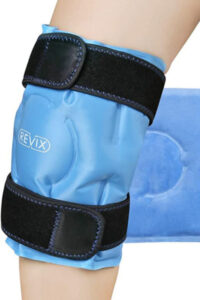
How Cold Therapy Works
Cold therapy slows blood flow to inflamed areas, helping reduce swelling and numb pain—especially during flare-ups or after activity.
Benefits of Cold Therapy
- Reduces inflammation and swelling
- Numbs sharp or acute pain
- Helps manage rheumatoid arthritis flare-ups
- Supports recovery after physical activity
When Cold Therapy Works Best
- During arthritis flare-ups
- After overuse or physical activity
- When joints feel hot, swollen, or tender
🧊 Latest Guidance
A 2024 review in the American Journal of Sports Medicine recommends short cold sessions (10–15 minutes) to avoid delayed healing or skin irritation.
🔁 Heat vs Cold Therapy: Quick Comparison
| Symptom or Situation | Heat 🔥 | Cold ❄️ |
|---|---|---|
| Chronic joint stiffness | ✅ Best | 🚫 Not ideal |
| Swelling or inflammation | 🚫 No | ✅ Best |
| Morning arthritis pain | ✅ Yes | 🚫 No |
| Post-activity soreness | ⚠️ Sometimes | ✅ Yes |
| Rheumatoid arthritis flare | 🚫 No | ✅ Yes |
🔥 Heat Pads vs ❄️ Gel Packs: Which Tool Is Better?
Once you know whether heat or cold is right for your symptoms, the next step is choosing the right tool.
When Heat Pads Are the Better Choice
Heat pads provide steady warmth that helps loosen stiff joints and relax surrounding muscles.
Best for:
- Osteoarthritis stiffness
- Morning or long-term joint tightness
- Larger areas like the back, hips, or knees
Moist heat pads often provide deeper relief than dry heat.
When Gel Packs Are the Better Choice
Gel packs are especially effective for cold therapy, though many can also be warmed.
Best for:
- Swollen or inflamed joints
- Arthritis flare-ups
- Targeted areas like hands, knees, or shoulders
- Quick relief after activity
Always use a cloth barrier and limit cold sessions to 10–15 minutes.
🌀 Can You Use Heat and Cold on the Same Day?
Yes. Many people with arthritis use both, depending on how their symptoms change.
A common routine:
- Heat in the morning to loosen stiff joints
- Cold later in the day if swelling or irritation appears
Contrast therapy (alternating heat and cold) may help when stiffness and swelling occur together, but it should be used cautiously—especially if you have circulation or nerve issues.
⚠️ Common Mistakes to Avoid

- Using heat on swollen joints
- Applying ice directly to skin
- Leaving cold packs on too long
- Using heat if you have poor circulation or neuropathy
If pain worsens or doesn’t improve, consult a healthcare professional.
❓ Frequently Asked Questions
Can I use heat and cold therapy on the same day?
Yes. Many people use heat for stiffness and cold for swelling at different times.
Is heat or cold better for rheumatoid arthritis?
Cold is best during flare-ups. Heat may help stiffness between flares.
How often can I use heat therapy?
Up to 2–3 times per day for 15–20 minutes.
Can heat or cold therapy replace arthritis medication?
No. These therapies help manage symptoms but do not treat the underlying condition.
Final Thoughts: Choose the Therapy That Fits Your Pain
Heat and cold therapy are simple, affordable tools for managing arthritis pain—when used correctly. Understanding your symptoms and choosing the right method can improve comfort, mobility, and daily function.
👉 Heat and cold therapy are part of a broader approach to pain relief.
Explore our Topical Pain Relief for Arthritis hub to see how temperature-based therapies work alongside creams, gels, and patches.