
*This post may contain affiliate links, from which we may earn a small commission at no extra cost to you.*
Gardening with arthritis can feel challenging—but with the right setup, tools, and pacing, it can remain one of the most enjoyable and therapeutic activities you do.
This complete guide brings together arthritis-friendly gardening strategies in one place. You’ll learn how to reduce joint strain, choose supportive tools, and design a garden that works with your body—not against it.
Whether you’re dealing with hand pain, knee stiffness, fatigue, or flare-ups, this hub will help you garden more comfortably and confidently.
Why Gardening Can Be Beneficial for Arthritis
When done thoughtfully, gardening offers gentle movement, stress relief, and a sense of purpose—all of which support joint health and mental well-being.
Potential benefits include:
- Low-impact physical activity that keeps joints moving
- Improved mood and reduced stress
- Light strength and flexibility gains
- Connection to nature and routine
The key is adapting how you garden, not giving it up.
Start With an Accessible Garden Layout

Before tools or techniques, garden design matters most.
An accessible layout reduces:
- Excessive bending and kneeling
- Overreaching and twisting
- Balance risks and fatigue
Features like raised beds, stable pathways, seating zones, and reach-friendly layouts can dramatically reduce strain.
👉 Read: Accessible Garden Design for Arthritis
(Covers raised beds, paths, seating, and low-maintenance layout planning)
Choose Ergonomic Gardening Tools That Protect Your Joints
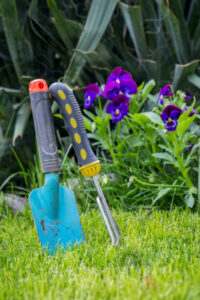
Standard tools often require tight gripping and repetitive force—both hard on arthritic joints. Ergonomic gardening tools are designed to reduce hand strain and improve control.
Helpful features include:
- Padded, non-slip handles
- Angled or curved grips
- Lightweight materials
- Spring-assisted or ratcheting mechanisms
Different joints benefit from different tools, so choosing the right ones matters.
👉 Read: Best Ergonomic Gardening Tools for Arthritis Relief
(In-depth guide to pruners, trowels, kneelers, gloves, and carts)
Use Arthritis-Friendly Gardening Techniques

Even with good design and tools, how you garden plays a major role in comfort.
Joint-friendly techniques include:
- Gardening in short sessions instead of long stretches
- Alternating tasks to avoid repetitive strain
- Using seated or standing positions interchangeably
- Scheduling gardening during cooler parts of the day
Pacing helps prevent flare-ups and keeps gardening enjoyable long term.
Reduce Physical Strain With Smart Gardening Methods
Simple strategy changes can lower joint stress dramatically:
- Mulch heavily to reduce weeding
- Group plants with similar care needs
- Use drip irrigation instead of watering cans
- Choose low-maintenance, slow-growing plants
Less effort means more consistency—and less pain.
Know When to Modify (or Pause)
Gardening should never require pushing through pain.
On higher-pain or low-energy days:
- Focus on light tasks (watering, harvesting, planning)
- Use seating and assistive devices
- Stop early if joints feel unstable or inflamed
Listening to your body is part of arthritis-friendly gardening.
FAQs
Can gardening make arthritis worse?
Gardening can worsen arthritis symptoms if it involves repetitive strain, heavy lifting, or poor posture. However, when adapted with joint-friendly techniques, proper pacing, and supportive tools, gardening can remain safe and beneficial.
Is gardening considered good exercise for people with arthritis?
Yes. Gardening provides low-impact movement that can help maintain flexibility, circulation, and strength when done gently and with appropriate breaks.
What type of gardening is easiest on the joints?
Gardening methods that reduce bending, kneeling, and gripping—such as raised beds, container gardening, and light maintenance tasks—are typically easier on arthritic joints.
How often should someone with arthritis garden?
Short, frequent sessions are usually better than long periods of activity. Many people with arthritis find 15–30 minute sessions with rest breaks help prevent flare-ups.
Should I stop gardening during an arthritis flare-up?
During flare-ups, it’s best to reduce intensity or switch to lighter tasks like planning, watering, or harvesting. Listening to your body helps prevent worsening symptoms.
Final Thoughts: Gardening on Your Terms
Arthritis doesn’t mean giving up the garden—it means gardening smarter. With accessible design, ergonomic tools, and mindful techniques, you can continue to enjoy the calm, creativity, and satisfaction that gardening brings.
Your garden should support your health—not challenge it.
Explore More Arthritis-Friendly Gardening Guides
- Accessible Garden Design for Arthritis
Create a safer, more comfortable garden layout - Best Ergonomic Gardening Tools for Arthritis Relief
Protect your hands, wrists, knees, and shoulders