
*This post may contain affiliate links, from which we may earn a small commission at no extra cost to you.*
Living with arthritis can create daily challenges, but loss of independence does not have to be one of them. Many falls are preventable, and small adjustments to movement habits, home setup, and health awareness can dramatically reduce risk.
Whether symptoms involve stiffness, joint pain, instability, or fatigue, safer routines can help preserve mobility, confidence, and control over daily life.
Why Arthritis Can Increase Fall Risk
Arthritis affects more than joint comfort. It can influence balance, reaction time, muscle strength, and movement patterns.
Common contributors include:
• Joint stiffness limiting natural movement
• Muscle weakness or reduced stability
• Pain-avoidance behaviors that alter posture
• Fatigue reducing coordination
• Medication side effects such as dizziness
Understanding these factors is important because targeted prevention strategies are highly effective.
How Can People With Arthritis Reduce Fall Risk?
People with arthritis often improve stability by maintaining gentle physical activity, modifying home hazards, moving mindfully, monitoring medications, and using supportive aids when needed. Consistent small adjustments tend to produce the greatest safety benefits.
Stay Active to Support Strength and Balance

Avoiding movement may feel protective, but appropriate activity is one of the most reliable ways to reduce fall risk. Regular motion supports joint function, muscle stability, and coordination.
Helpful low-impact options include:
✅ Walking – encourages mobility and circulation
✅ Swimming or water exercise – reduces joint stress
✅ Gentle stretching or yoga – improves flexibility
✅ Balance-focused exercises – enhances stability
Even brief daily sessions can contribute to meaningful improvements over time.
👉 Related reading: Gentle Exercise Strategies for Arthritis Stiffness
Move Slowly and Deliberately
Falls often occur during transitions — standing, turning, reaching, or rushing. Slower, intentional movement reduces instability and protects sensitive joints.
Safer movement habits:
• Rise from chairs and beds gradually
• Pause briefly before walking
• Use stable surfaces for support when needed
• Avoid multitasking while moving
• Allow joints time to adjust after rest
Small pacing adjustments frequently reduce sudden balance loss.
Supportive Devices That Assist With Transitions
For individuals experiencing instability when standing or changing position, small environmental supports may help reduce strain and sudden balance shifts.
Examples include:
• Chair assist handles
• Bed rails or bedside supports
• Stability canes or walkers
• Raised seating aids
👉 Related: Mobility & Stability Aids for Arthritis
Make the Home Environment Safer
Most falls occur at home, where everyday layouts may quietly create hazards. Simple modifications can significantly improve safety.
Effective home adjustments:
🏠 Remove loose rugs and clutter
💡 Improve lighting in halls and stairways
🚿 Add non-slip surfaces in bathrooms
🛠 Install grab bars in key locations
🛏 Ensure bed height supports safe standing
👉 Helpful guides:
• Arthritis-Friendly Bathroom Safety
• Safer Bedroom Setup for Arthritis
• Arthritis-Friendly Home Modifications
Helpful Tools That Improve Home Stability
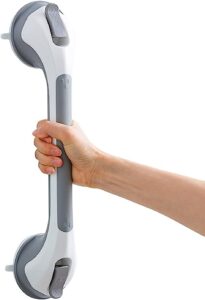
Certain assistive products can quietly reduce fall risk by improving grip, visibility, and movement support.
Commonly helpful categories include:
• Non-slip bath mats for wet surfaces
• Grab bars for high-risk transition points
• Motion-sensor night lights
• Bedside support rails
• Lever-style door handles
👉 See: Recommended Arthritis-Friendly Home Safety Aids
Monitor Health Factors That Affect Stability
Balance issues are not always mechanical. Vision changes, blood pressure shifts, and medication effects frequently influence fall risk.
Important considerations:
👁 Schedule regular eye examinations
💊 Review medications for dizziness or drowsiness
🩺 Monitor blood pressure fluctuations
⚠ Address recurring lightheadedness promptly
Identifying underlying contributors often prevents repeat incidents.
Avoid Common Fall-Risk Mistakes
Many preventable falls stem from subtle daily habits rather than major events.
Frequent risk amplifiers:
• Rushing movements or direction changes
• Poor nighttime visibility
• Wearing unstable footwear indoors
• Ignoring mild dizziness
• Overestimating strength on low-energy days
Awareness of these patterns helps reinforce safer routines.
Environmental Supports That Reduce Common Hazards

Many fall risks stem from slippery surfaces, poor lighting, or unstable support points rather than mobility limitations alone.
Simple tools that often help:
• Anti-slip flooring solutions
• Hallway night lighting
• Bathroom grip enhancements
• Stair visibility improvements
👉 See: Arthritis-Friendly Night & Lighting Solutions
Build a Supportive Safety Network
Maintaining independence does not mean managing everything alone. Strategic support often improves both safety and confidence.
Valuable resources may include:
🤝 Occupational or physical therapy guidance
🧑🤝🧑 Support groups or education communities
🧡 Assistance with high-risk tasks
🦯 Properly selected mobility aids
Preventive support is a stability strategy, not a limitation.
Frequently Asked Questions
Does arthritis increase the likelihood of falls?
Arthritis can influence balance, strength, and movement patterns, which may elevate fall risk without preventive strategies.
What types of exercise help reduce fall risk?
Low-impact activities that support stability and coordination — such as walking, water exercise, stretching, and balance training — are often beneficial.
Where do most falls occur?
Many falls happen at home, particularly in bathrooms, bedrooms, stairways, and poorly lit areas.
Are mobility aids helpful for fall prevention?
When appropriately selected, aids such as canes, walkers, and support rails can improve stability and reduce strain.
Final Thoughts
Fall prevention with arthritis is rarely about dramatic lifestyle changes. Consistent small adjustments — safer movement pacing, improved lighting, reduced hazards, and health awareness — typically deliver the greatest long-term benefits.
Protecting stability helps protect independence.