
*This post may contain affiliate links, from which we may earn a small commission at no extra cost to you.*
Proven Daily Strategies, Lifestyle Habits & Tools for Long-Term Relief
Living with arthritis doesn’t mean giving up comfort, independence, or the things you enjoy. While joint pain, stiffness, fatigue, and flare-ups can make daily life more challenging, the right coping strategies can help you protect your joints, manage symptoms, and stay active on your own terms.
This guide is your go-to resource for coping with arthritis in everyday life — covering movement, joint protection, sleep, diet, practical tools, and sustainable habits that support long-term relief and better quality of life.
Understand Your Arthritis: Knowledge Gives You Control
Arthritis isn’t a single condition. Osteoarthritis, rheumatoid arthritis, gout, psoriatic arthritis, and other forms affect the body differently — and understanding your specific diagnosis helps you make better decisions about care, activity, and symptom management.
Helpful self-management habits:
- Track flare-ups, pain levels, fatigue, sleep, and triggers
- Learn how your arthritis type typically progresses
- Prepare written questions for medical appointments
- Follow reputable health organizations and medical guidance
📌 The more you understand your arthritis, the more confidently you can manage it.
Work With Your Healthcare Team

Arthritis management works best when it’s proactive. Regular check-ins help ensure your treatment plan stays effective as your needs change.
Discuss with your provider:
- Medication effectiveness or side effects
- New or worsening symptoms
- Safe exercise options
- Whether supplements or complementary therapies are appropriate
💡 Tip: Bring notes to appointments so nothing gets overlooked.
Eat to Support Joint Health & Reduce Inflammation

Diet plays a meaningful role in managing inflammation and supporting joint health. While no single food cures arthritis, consistent choices can reduce flare-ups and support overall wellness.
Focus on:
- Leafy greens, berries, broccoli
- Fatty fish (salmon, sardines), walnuts, flaxseed
- Olive oil, turmeric, ginger
- Whole grains over refined carbohydrates
Limit when possible:
- Highly processed foods
- Sugary snacks and soda
- Excess alcohol
📌 Even modest weight changes can reduce joint stress — especially in knees and hips.
Move Gently to Maintain Strength & Mobility

Movement helps nourish joints, strengthen surrounding muscles, and reduce stiffness. The key is low-impact exercise routines for arthritis — not pushing through pain.
Arthritis-friendly exercises:
- Walking
- Swimming or aquatic therapy
- Tai chi or gentle yoga
- Stationary cycling
- Light resistance bands
Movement tips:
- Warm up slowly
- Modify movements as needed
- Stop if pain increases
- Focus on consistency over intensity
Protect Your Joints During Everyday Tasks
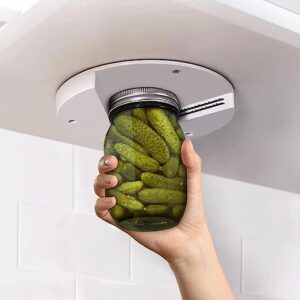
Small adjustments throughout the day can significantly reduce joint strain and fatigue.
Joint-protective habits:
- Use ergonomic tools in the kitchen and around the house
- Break tasks into shorter sessions
- Maintain good posture while sitting or standing
- Use assistive devices when needed — without guilt
Helpful Arthritis-Friendly Tools
| Tool | Best For | How It Helps |
|---|---|---|
| Easy-grip jar opener | Weak or painful hands | Reduces grip strain |
| Adaptive utensil set | Eating comfortably | Wide handles improve control |
| Compression arthritis gloves | Hand stiffness | Gentle warmth & support |
| Lift-assist standing aid | Chairs & beds | Reduces knee & hip pressure |
| Offset-handle walking cane | Balance support | Improves stability |
| Sock aid or dressing tool | Getting dressed | Avoids bending or twisting |
📌 These tools don’t replace ability — they protect it.
Sleep Better to Reduce Pain & Fatigue

Quality sleep supports immune function, lowers inflammation, and improves pain tolerance — yet arthritis often disrupts rest.
Better sleep strategies:
- Keep consistent sleep and wake times
- Avoid screens at least one hour before bed
- Stretch gently or take a warm bath before sleep
- Use supportive pillows or mattress toppers
🛏️ Good sleep is not a luxury — it’s part of arthritis care.
Use Heat, Cold & Simple Recovery Techniques

Different symptoms respond to different approaches. Rotate techniques based on how your body feels.
Try:
- Heat therapy for stiffness and muscle tension
- Cold packs after activity or swelling
- Short rest breaks during the day
- Gentle stretching to prevent locking up
Read more on using heat and cold therapy for arthritis pain.
Stay Engaged With Life — At Your Own Pace

Coping with arthritis isn’t just about managing symptoms — it’s about staying connected to the things that bring meaning and enjoyment.
Helpful reminders:
- Pace activities instead of pushing through pain
- Modify hobbies rather than abandoning them
- Allow yourself to rest without guilt
- Celebrate progress, even when it’s small
📌 Sustainable routines matter more than perfection.
Emotional Well-Being Matters Too
Living with chronic pain can affect mood, motivation, and resilience. While this guide focuses on physical and lifestyle coping strategies, emotional support plays an important role in overall arthritis management.
👉 For a deeper look at managing stress, anxiety, frustration, and emotional fatigue related to arthritis, read our complete guide to coping emotionally with arthritis.
Frequently Asked Questions
What’s the best exercise for arthritis?
Low-impact movement such as walking, swimming, yoga, or tai chi helps maintain flexibility and reduce stiffness.
Can diet really help arthritis symptoms?
Yes — anti-inflammatory foods can support joint health and reduce flare frequency for many people.
How do I protect my joints daily?
Use ergonomic tools, pace tasks, maintain posture, and avoid unnecessary strain.
Is rest important with arthritis?
Absolutely. Rest prevents overuse, reduces inflammation, and supports recovery.
Final Thoughts
Arthritis may shape your daily routine — but it doesn’t define your limits. With gentle movement, supportive tools, smart habits, and consistent self-care, you can protect your joints, maintain independence, and improve your quality of life over time.
Small steps add up. Choose what works for your body, and adjust as needed.