
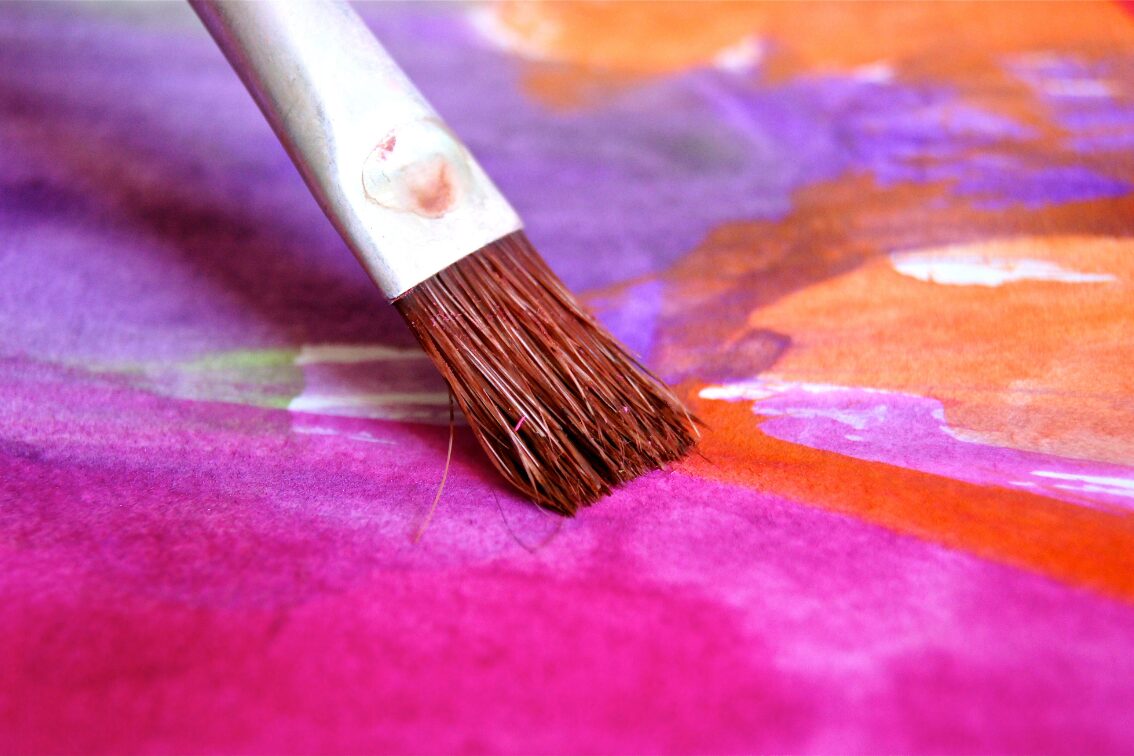
Arthritis changes how you craft — but it doesn’t have to end it. Gripping scissors, threading needles, or holding a paintbrush for long periods can flare up hand pain quickly. But with the right adaptations — different tools, shorter sessions, and choosing activities that are naturally lower-strain — creative hobbies stay genuinely accessible.
This guide covers 30 crafts organized by how much hand demand they actually involve, so you can match what you try to how your hands feel that day. Each one includes what makes it arthritis-friendly and what tools or adaptations help most.
Why Crafting Is Worth Keeping in Your Life With Arthritis
Creative hobbies aren’t just pleasant — they have documented benefits for people managing chronic pain:
- Distraction and pain perception: Focused creative activity reduces the brain’s attention to pain signals — a well-studied mechanism sometimes called attentional distraction.
- Gentle movement: Many crafts involve the kind of gentle, varied hand movement that keeps joints mobile without straining them — far better than inactivity.
- Mental health: Chronic pain significantly increases risk of depression and anxiety. Creative engagement consistently reduces both.
- Sense of completion: Finishing a project — however small — builds confidence and counters the loss of capability that arthritis can bring.
The goal isn’t to push through discomfort. It’s to find crafts that feel good to do.
Before You Start: Setting Yourself Up for Comfortable Crafting
A few consistent habits make the difference between a craft session that energizes you and one that leaves your hands worse than before:
- Warm your hands first. 5–10 minutes of warm water, a heat pad, or gentle finger stretches before picking up any tools reduces stiffness and improves dexterity.
- Work at the right height. Materials at chest or elbow height prevent shoulder and neck strain. A lap desk or adjustable table helps enormously.
- Take breaks every 20–30 minutes. Set a timer. Hands absorb strain gradually — by the time they hurt, you’ve often already done too much.
- Choose lightweight tools and materials. Heavy scissors, thick wire, and dense yarn all increase grip demand. Lighter alternatives exist for almost every craft.
- Stop at the first sign of discomfort — not when pain becomes significant. The aim is to end each session feeling the same or better, not worse.
🧰 Essential Arthritis-Friendly Craft Tools
These tools make most of the crafts below significantly more comfortable and are worth having before you start:
- Ergonomic crochet hooks and knitting needles — cushioned, wide handles reduce the pinch force required and distribute pressure across the palm rather than the fingertips. View on Amazon →
- Spring-loaded easy-action scissors — open automatically after each cut, eliminating the repeated squeezing that causes the most hand fatigue. View on Amazon →
- Foam or thick-handled paintbrushes — wider handles mean less grip force for the same control. View on Amazon →
- Self-threading needles — removes one of the most frustrating fine-motor steps in sewing and embroidery. View on Amazon →
- Magnetic jewelry clasps — snap together without the pinching or twisting required by traditional clasps. View on Amazon →
- Non-slip craft mat — holds materials in place so you’re not using one hand to stabilize while the other works. View on Amazon →
👉 See the full guide: Best Craft Tools for Arthritis
🎨 Low-Grip Creative Crafts (Fine-Motor-Friendly)
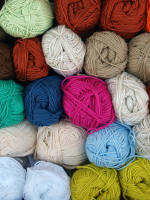
These crafts involve some hand use but can be meaningfully adapted with the right tools. They suit people with mild to moderate hand arthritis on good days.
1. Knitting With Ergonomic Needles
Standard knitting needles are thin and require significant pinch grip — but ergonomic needles with cushioned, wider handles distribute that force much more comfortably. Choosing chunkier yarn (bulky or super-bulky weight) means fewer stitches per row and less time holding the needles. Start with a simple scarf or dishcloth rather than anything requiring tension management.
Key adaptation: Ergonomic needles, chunky yarn, short sessions of 15–20 minutes.
2. Crocheting With Wide-Handled Hooks
Crochet involves one hook rather than two needles, making it slightly easier to manage unilaterally. Ergonomic hooks with foam or silicone grips reduce the pinching that causes finger fatigue. Single crochet and half-double crochet stitches are the most joint-friendly — fewer wrist movements per stitch.
Key adaptation: Ergonomic hook, arm supported on a pillow, rest hand gently on work rather than gripping.
3. Painting With Foam or Thick-Handled Brushes
Traditional thin paintbrush handles require a tight pinch. Foam brushes and brushes with wide handles allow you to hold them in your palm rather than between fingertips — a much lower-effort grip. Acrylic paints are ideal: water-based, easy to clean, and available in squeeze bottles that eliminate the need to open tubes.
Key adaptation: Wide-handled or foam brushes, squeeze-bottle paints, work at table height with elbow supported.
4. Stamping and Card Making
Self-inking stamps require a single, straight-down press — no pinching, gripping, or holding for extended periods. Pre-cut card stock removes cutting from the process entirely. This is one of the genuinely lowest-strain crafts available and produces immediately satisfying results with minimal setup.
Key adaptation: Self-inking stamps, pre-cut materials, foam pad under paper to reduce pressure needed.
5. Jewelry Making With Stretchy Cord and Magnetic Clasps
Traditional jewelry making involves small clasps and wire tools that are extremely hard on arthritic hands. Using stretchy elastic cord instead of wire, and magnetic clasps instead of lobster clasps, transforms this into an accessible craft. Bead boards hold beads in place so you’re not chasing them around a table.
Key adaptation: Stretchy cord, magnetic clasps, bead board, tweezers or a bead scoop rather than fingertips.
6. Embroidery With Self-Threading Needles
Embroidery involves repetitive but gentle hand movement that many people find genuinely therapeutic. The strain points are threading the needle and maintaining consistent tension. Self-threading needles solve the first problem; using a hoop solves the second by keeping fabric taut so you don’t have to. Choose larger-weave fabrics (like aida cloth) for easier needle placement.
Key adaptation: Self-threading needle, embroidery hoop, aida cloth or other open-weave fabric.
🌿 Gentle, Rhythmic Crafts That Relax the Hands
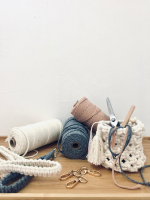
These crafts involve soft, repetitive movements rather than fine motor precision — often described as meditative by people who do them. They suit moderate hand arthritis and are good for maintaining gentle movement on most days.
7. Macramé With Thick Rope
Macramé involves tying large knots in rope or cord — a movement that uses the whole hand rather than finger pinching. Using 4–6 mm cotton rope (rather than thin cord) means the knots are larger and easier to manipulate. Working on a mounted board means both hands are always free to work, rather than one stabilizing and one knotting.
Key adaptation: Thick rope (4–6 mm minimum), mounted board, simple square and half-hitch knots.
8. Basket Weaving With Flexible Reeds
Basket weaving uses large, controlled movements and flexible reeds that don’t require significant force to manipulate. Pre-soaked reeds are particularly pliable. Simple flat-based baskets are a good starting point — the weaving pattern is repetitive and meditative, and the material does most of the work.
Key adaptation: Pre-soaked reeds for maximum flexibility, start with flat-base patterns, take breaks when tension increases.
9. Pottery With an Electric Wheel
Hand-building pottery (pinching, coiling) can be demanding for arthritic hands, but electric wheel pottery is different — the wheel does most of the rotational work, and your hands guide the clay with consistent, open-palm pressure rather than pinching or gripping. The wet clay is also naturally warming and softening on the joints during the session.
Key adaptation: Electric wheel rather than hand-building, softer clay bodies, seat at the right height for comfortable arm positioning.
10. Latch Hook Rug Making
Latch hook involves pushing a wide-handled hook through a pre-made canvas grid and looping pre-cut yarn — a simple, repetitive motion that requires minimal grip strength. The hook handle is naturally larger than most craft tools, and the motion is the same each time, making it easy to find a comfortable rhythm.
Key adaptation: Ergonomic latch hook, canvas mounted on a frame rather than held, chunky pre-cut yarn.
11. Silk Flower Arranging
Silk flower arranging involves bending and positioning stems — light, varied movements rather than sustained gripping. Soft-grip floral scissors make any cutting easy. Unlike fresh flowers, silk arrangements can be left mid-project without any pressure to finish, making this ideal for people who need to stop and rest frequently.
Key adaptation: Pre-wired stems, floral foam to hold stems in place without gripping, lightweight container.
12. Weaving on a Simple Loom
Lap looms and tabletop looms eliminate most of the fine motor demand from weaving. Threading the warp is done once, and the actual weaving motion — passing yarn over and under — uses whole-hand movement and can be done with a wide, flat shuttle. Chunky yarn means faster visible progress, which is motivating.
Key adaptation: Pre-warped loom, chunky yarn, flat wooden shuttle.
💻 Digital and Technology-Based Creative Hobbies
Digital crafts are ideal for flare-up days when physical tools are too much. A tablet, stylus, and the right apps give you a full creative outlet with zero grip strain.
13. Digital Art and Illustration
Drawing apps like Procreate (iPad) or Adobe Fresco allow pressure-sensitive illustration using a stylus. The stylus can be held loosely — far less grip force than a pencil or paintbrush — and a cushioned stylus grip reduces it further. Undo is always available, which removes the perfectionism pressure that can make traditional art frustrating during pain flares.
Key adaptation: Cushioned stylus grip, tablet stand at comfortable eye height, wrist support pad.
14. Digital Photography and Editing
Smartphone photography requires almost no hand strain — most phones are lightweight and the shutter button requires minimal pressure. Editing photos using a tablet stylus rather than a mouse eliminates wrist strain from repetitive clicking. Photography also gets you moving and outdoors, which has its own arthritis benefits.
Key adaptation: Lightweight phone or camera, phone grip ring for stability, stylus for tablet editing.
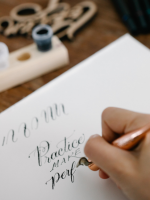
15. Digital Calligraphy and Lettering
Traditional calligraphy requires controlled pen pressure over long periods — hard on arthritic hands. Digital calligraphy on a tablet mimics the visual result with a fraction of the physical demand. Procreate and the Calligraphy Studio app both have brushes that produce authentic calligraphy effects with light stylus pressure.
Key adaptation: Pressure-sensitive stylus, tablet stand, short sessions.
16. Digital Scrapbooking
Scrapbooking on a tablet or computer involves arranging digital photos, papers, and elements using drag-and-drop — no cutting, gluing, or handling small paper pieces. The results can be printed professionally or shared digitally. Canva and similar tools make this accessible without design experience.
Key adaptation: Stylus or mouse, large monitor for visibility, pre-made digital kits reduce the design work.
17. Tablet-Based Coloring Apps
Coloring apps like Pigment or ColorIt offer hundreds of intricate designs that can be colored with a stylus or even a fingertip — no grip, no pressure, no mess. This is genuinely one of the lowest-barrier creative activities available and one of the most effective for stress reduction and distraction-based pain relief.
Key adaptation: Stylus preferred over finger for precision, tablet propped at comfortable angle.
🌸 Nature-Inspired, Sensory-Friendly Crafts
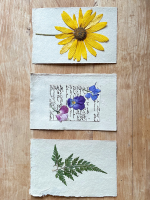
These crafts involve gentle, unhurried movements working with natural materials. The sensory engagement — textures, colours, small details — is naturally absorbing and grounding.
18. Rock Painting
Smooth stones are easy to hold in the palm — no gripping required. Painting them with thick-handled or foam brushes involves relaxed, low-pressure strokes. Acrylic paints work well on stone and dry quickly. This craft has no wrong answers and is particularly popular because the results can be left outdoors for others to find — a tangible connection to other people.
Key adaptation: Smooth flat stones, foam brushes, acrylic paint in squeeze bottles.
19. Pressed Flower Art
Collecting flowers and leaves involves gentle outdoor movement. Pressing them requires only placing them between book pages and waiting. Arranging pressed flowers on card or canvas can be done with tweezers rather than fingertips, and a foam brush applies glue easily. The whole process is naturally paced across multiple days, which suits people who need to work in short bursts.
Key adaptation: Tweezers for arrangement, foam brush for adhesive, ready-made frames for display.
20. Mini Terrariums
Building a small terrarium involves placing moss, soil, and succulents into a glass container using long-handled tools — very little grip or pinching required. Succulents are ideal: they’re forgiving, low maintenance, and don’t require watering more than once a week or two. The result is a living, permanent project.
Key adaptation: Long-handled planting tools, wide-mouthed glass container, pre-packaged terrarium soil.
21. Pressed Leaf Framing
A simpler variation of pressed flower art — collecting autumn leaves, pressing them, and mounting them in frames. Large leaves are easier to handle than small flowers, making this more accessible during flare periods. Framed collections look genuinely striking and require very little technical skill.
Key adaptation: Tweezers for placement, foam brush for adhesive, pre-cut mats in standard frame sizes.
22. Nature Mandalas
Arranging stones, leaves, pinecones, and natural objects into circular mandala patterns on a flat surface. There is no adhesive, no cutting, and no gripping — objects are simply placed and rearranged until the composition feels right. Photograph the finished mandala before leaving it outdoors. This is one of the genuinely zero-strain creative activities available.
Key adaptation: Work at a table rather than on the ground, collect materials in a lightweight bag.
✋ Low-Strain Crafts for Flare Days

These crafts are specifically suited to high-pain days when hand use needs to be minimal. They involve large movements, soft materials, or very little grip.
23. Decoupage
Decoupage involves tearing or cutting paper and brushing it onto a surface with adhesive. Tearing paper by hand (rather than cutting) is actually one of the most arthritis-friendly techniques — the motion uses the whole hand and requires no tool grip. A foam brush applies the adhesive evenly with minimal pressure. Almost any surface works: boxes, trays, picture frames, plant pots.
Key adaptation: Tear rather than cut paper, foam brush for adhesive, work on a non-slip mat.
24. Origami With Large Paper Sheets
Standard origami paper is small and folds require precision grip — not ideal for arthritic hands. Large-format origami paper (A4 or bigger) changes the experience entirely: the folds are bigger, the movements are larger, and less pinching is needed to create crisp creases. Simple designs like boats, boxes, and modular stars are satisfying and genuinely achievable.
Key adaptation: Large paper sheets, a bone folder or ruler edge for crisp folds rather than fingernails.
25. Candle Making With Pourable Wax
Melt-and-pour candle making involves melting pre-made wax, adding fragrance, and pouring it into moulds — a process that requires almost no hand strength or dexterity. The stirring and pouring movements are large and gentle. The result is a finished, usable product that also makes a meaningful gift.
Key adaptation: Pre-measured wax kits, silicone moulds with wide bases, pour using a pitcher with a handle rather than ladling.
26. Bead Weaving on a Loom
Using a bead loom means you’re threading beads onto a pre-strung warp rather than stringing them individually — far less finger dexterity required. A bead scoop picks up beads without using fingertips. Simple geometric patterns are easy to follow and produce impressive-looking results quickly.
Key adaptation: Bead loom, bead scoop, large-hole beads.
27. Clay Modeling With Silicone Moulds
Air-dry clay is soft and requires no kiln — just time to dry. Using silicone moulds removes the need for shaping by hand: press clay into the mould, smooth the surface, and remove it when set. This produces consistent, professional-looking results with minimal hand effort. Moulds for leaf imprints, geometric shapes, and decorative tiles are all widely available.
Key adaptation: Silicone moulds, soft air-dry clay, foam tool or credit card for smoothing.
🧰 Easy Craft Kits and Assisted Projects
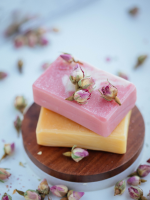
Pre-packaged craft kits remove setup, eliminate material sourcing, and reduce decision fatigue — all of which matter when managing a health condition alongside a creative hobby. These are particularly good options for getting started or for gifting.
28. Magnetic Model Building Kits
Magnetic tile sets and model kits snap together with satisfying ease — no glue, no tools, no fine motor precision required. The magnetic connection does the joining work. These suit a wide age range and can be disassembled and rebuilt indefinitely, making them a genuinely reusable creative outlet.
Key adaptation: Larger magnetic tile sets rather than small magnet kits, work on a flat non-slip surface.
29. Loop Yarn Weaving (No Needles Required)
Loop yarn is a chunky, pre-looped yarn designed to be woven with fingers rather than needles. The result looks like knitting but requires no tools whatsoever — loops are pulled through each other using a simple finger motion. The yarn itself is soft and forgiving, and projects are completed quickly. Lap blankets and small pouches are popular beginner projects.
Key adaptation: No adaptation needed — this is already tool-free. A wide, flat surface to work on helps.
30. Melt-and-Pour Soap Making
Similar to candle making, melt-and-pour soap kits involve melting a pre-made soap base, adding colour and fragrance, and pouring it into moulds. The process is almost entirely about pouring and waiting rather than any manual dexterity. Finished soaps can be personalized with herbs, flowers, or layering, making them endlessly customizable without increasing physical demand.
Key adaptation: Silicone soap moulds, microwave-safe pouring pitcher, pre-measured soap base kits.
Frequently Asked Questions
What crafts are best for severe hand arthritis?
On very high-pain days, the lowest-strain options are digital crafts (tablet coloring, digital art, photography editing), decoupage using torn paper and a foam brush, nature mandalas, and loop yarn weaving. These either require no tool grip at all or use large, open-palm movements rather than finger pinching.
Is crocheting or knitting better for arthritis?
Crochet is generally slightly easier because it uses one hook rather than two needles, which reduces coordination demand and means you only need one hand working at a time. Both can be adapted effectively with ergonomic tools and chunky yarn. The best one is whichever you enjoy more — consistency matters more than which specific craft you choose.
How long should I craft for when I have arthritis?
Start with 15–20 minute sessions and see how your hands feel during and after. If you finish a session with no increase in pain or stiffness, you can extend gradually. The goal is to end sessions feeling the same or better than you started — not to push to a stopping point. Most occupational therapists recommend a maximum of 30–45 minutes of continuous hand craft activity before a proper rest break.
Should I craft during a flare-up?
Gentle creative activity is generally fine during mild flare-ups, particularly digital crafts or crafts that don’t involve hand tools. During severe flare-ups, rest is more important than maintaining a creative habit. If your hands are significantly swollen or acutely painful, prioritize rest and ice or heat therapy, and return to crafting when inflammation has reduced.
What tools make the biggest difference for arthritis crafters?
The three that make the most consistent difference are: spring-loaded easy-action scissors (eliminate repetitive squeezing), ergonomic crochet hooks or knitting needles (redistribute grip force), and a non-slip mat (so one hand isn’t constantly stabilizing materials). A good adjustable-height work surface or lap desk also significantly reduces shoulder and neck strain across all crafts.
⚕️ Medical Disclaimer
The content on ArthritisWares.com is for informational purposes only and is not intended as medical advice. Always consult your doctor or a qualified healthcare provider before making changes to your treatment plan, trying new activities, or if you have questions about a medical condition.
Final Thoughts
The right craft for arthritis is the one that fits how your hands feel today — not the one you used to do, or the one that looks impressive. Start with something low-strain, give yourself permission to rest mid-project, and build from there.
Good days and flare days call for different activities. Having a few options across both categories means you’re never completely shut out of something creative — and that continuity, across months and years, is where the real benefit builds.
Related Reading
- Best Craft Tools for Arthritis
- Arthritis-Friendly Hobbies for Comfort, Creativity and Joy
- Best Arthritis Tools for Daily Living (2026)
- Effective Self-Massage Routines for Arthritis Pain Relief