
*This post may contain affiliate links, from which we may earn a small commission at no extra cost to you.*
Gardening can still be deeply rewarding—even with arthritis. With a few thoughtful design choices, you can create a garden that’s easier on your joints, safer to move through, and more enjoyable to spend time in.
This guide focuses on accessible garden layout and design for people living with arthritis. Instead of pushing through pain, you’ll learn how to set up your outdoor space to work with your body—so you can garden more comfortably, for longer.
Why Garden Design Matters When You Have Arthritis
When arthritis causes joint pain, stiffness, or fatigue, the way your garden is laid out matters just as much as what you plant. Poor design can force unnecessary bending, twisting, or lifting—leading to flare-ups and frustration.
An accessible garden:
- Reduces strain on knees, hips, hands, and back
- Improves balance and safety
- Makes gardening possible even on lower-energy days
- Encourages gentle, consistent movement
With the right setup, gardening becomes supportive rather than stressful.
Raised Garden Beds: The Foundation of an Accessible Garden
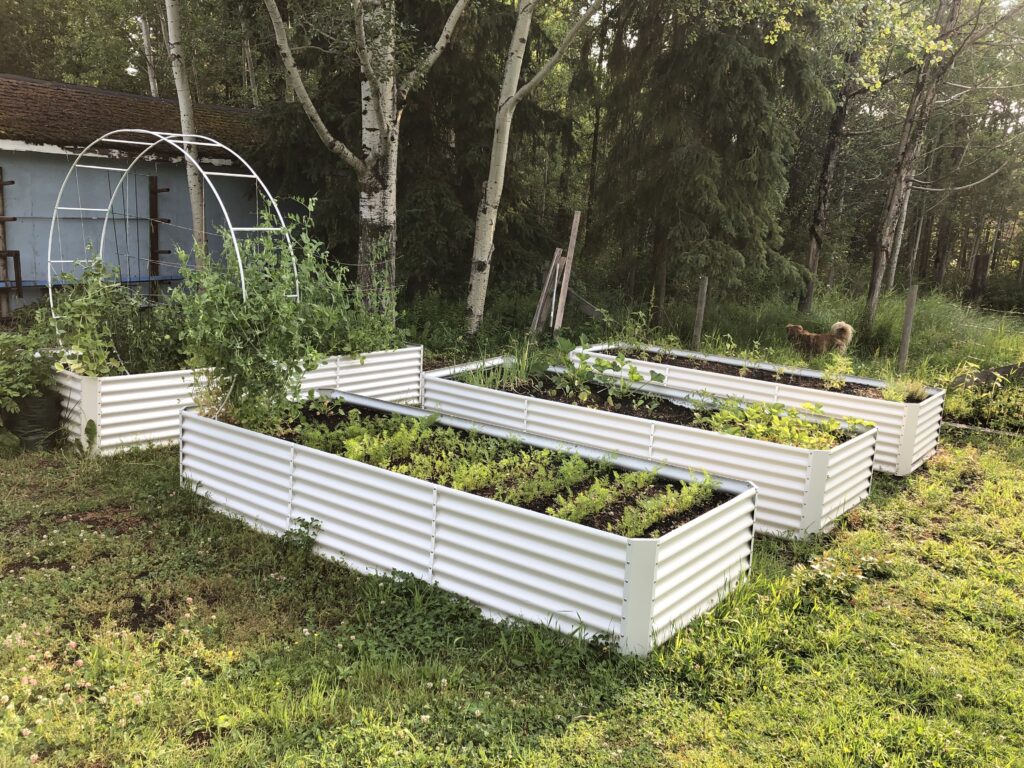
Raised garden beds are one of the most effective ways to reduce joint strain while gardening.
Why Raised Beds Help
- Minimize bending, kneeling, and squatting
- Allow gardening from a seated or standing position
- Improve soil drainage and control
- Make planting, watering, and harvesting easier
Ideal Height for Arthritis-Friendly Beds
- 24–30 inches: Best if you prefer standing
- 30–36 inches: Ideal for seated gardening or limited mobility
💡 Tip: Leave enough space around beds to sit comfortably and move freely with carts or stools.
Designing Safe, Comfortable Garden Paths

Navigating your garden should feel stable and predictable—not risky.
Pathway Design Tips
- Use firm, even materials (pavers, compacted gravel, rubber mulch)
- Avoid loose stones or uneven stepping areas
- Keep paths at least 36 inches wide for carts, walkers, or mobility aids
- Add handrails or edging on slopes or raised areas
Solar path lighting is a simple upgrade that improves visibility and reduces fall risk in early mornings or evenings.
Seating, Rest Zones & Work Areas
Accessible gardens aren’t meant to be worked in nonstop. They’re designed for pacing.
Smart Seating Ideas
- Place benches near raised beds or high-use areas
- Choose seating with armrests to help with standing
- Create shaded rest zones to cool down and reduce fatigue
A well-placed seat can mean the difference between stopping early and enjoying a longer, more relaxed gardening session.
Reach-Friendly Plant Layouts
Where you place plants matters as much as what you grow.
Layout Tips That Reduce Strain
- Keep frequently tended plants close to edges
- Avoid deep bed layouts that require overreaching
- Use wide spacing so you don’t have to twist or stretch awkwardly
- Group plants with similar watering needs together
Designing with reach in mind protects shoulders, wrists, and hands.
Low-Maintenance Design Choices That Support Your Joints
An accessible garden is also a low-effort garden.
Joint-Saving Design Strategies
- Use mulch to reduce weeding
- Install drip irrigation to avoid carrying watering cans
- Choose hardy, slow-growing plants that need less pruning
- Avoid heavy planters that require lifting or repositioning
Less maintenance means more enjoyment—and fewer flare-ups.
Healthy Gardening Habits to Support Accessibility
Even with great design, how you garden still matters.
- Warm up with gentle stretches before starting
- Break tasks into short sessions
- Take frequent rest and hydration breaks
- Stop early on high-pain or high-fatigue days
Your garden should adapt to you, not the other way around.
Final Thoughts: A Garden That Works With Your Body
Arthritis doesn’t mean giving up gardening—it means gardening differently. With raised beds, stable pathways, thoughtful seating, and low-maintenance layouts, your outdoor space can remain a place of comfort, creativity, and calm.
Designing an accessible garden is an investment in your joints—and in your joy.
Related Guides
- Best Ergonomic Gardening Tools for Arthritis Relief
(For hand-friendly tools and adaptive equipment) - Gardening with Arthritis: Complete Guide to Tools, Layout & Techniques
(For a full overview of joint-friendly gardening strategies)