
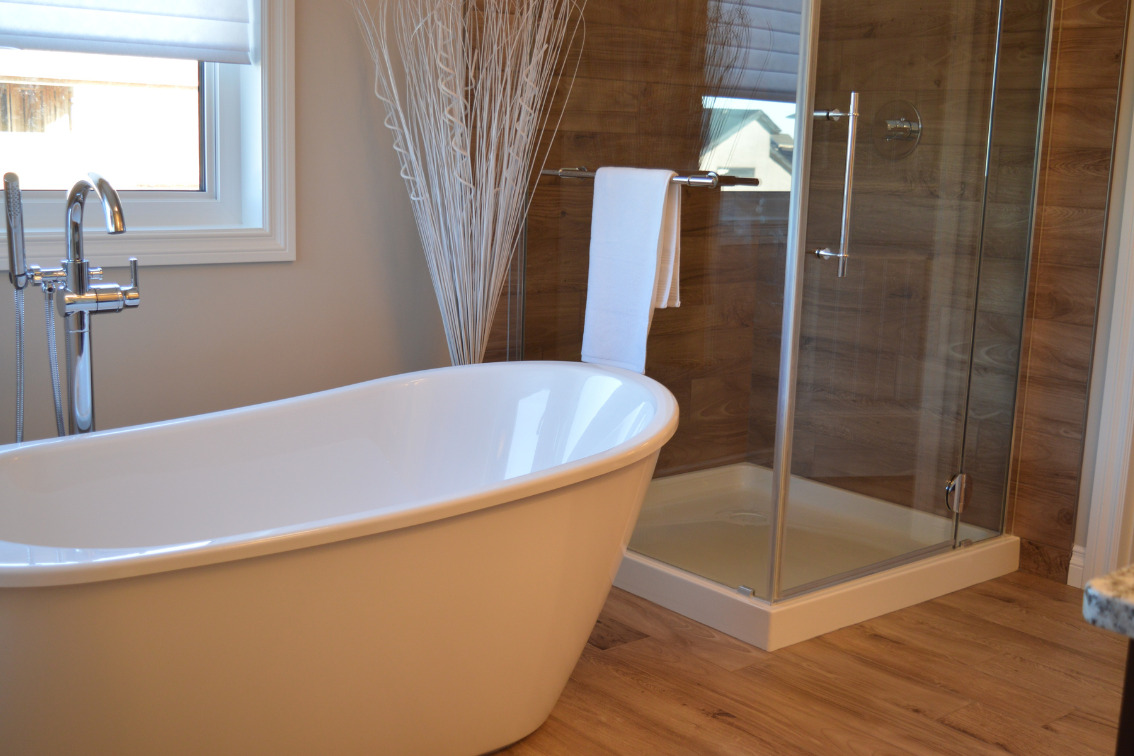
Bathing is a simple daily task, but arthritis can make it surprisingly difficult. Morning stiffness, painful joints, fatigue, limited reach, or difficulty getting in and out of the tub can turn a shower or bath into something that requires planning.
The good news is that you don’t necessarily need to change your entire routine. Small adjustments to water temperature, timing, movement, pacing, and bathroom setup may make bathing more comfortable and manageable.
This guide focuses on the how of bathing with arthritis. If you need help choosing equipment such as shower chairs, grab bars, transfer benches, handheld showerheads, or long-handled bathing aids, see our companion guide: Arthritis Tools for Safe Bathing and Showering.
Quick Answer: How Can You Make Bathing Easier With Arthritis?
| If bathing is difficult because of… | Try… |
|---|---|
| Morning stiffness | A comfortably warm shower or bath and extra time to move |
| Painful or tired joints | Sitting while showering and pacing yourself |
| Difficulty reaching | A handheld showerhead or long-handled bathing aid |
| Trouble getting into or out of the tub | Appropriate grab bars or a transfer aid |
| Weak or painful hands | Pump dispensers and easy-to-handle bottles |
| Fatigue | Organizing everything before you start and taking breaks |
| Slippery surfaces | Appropriate non-slip surfaces and keeping the floor dry |
| Difficulty bathing safely | Asking an occupational therapist to assess your setup |
You don’t need to make every change at once. Start with the part of bathing that causes you the most pain, fatigue, difficulty, or concern about safety.
Start With Bathroom Safety
Before thinking about water temperature or bathing technique, make sure the bathroom itself allows you to move safely.
Bathrooms combine wet surfaces, transfers, limited space, and awkward movements. CDC data have found that falls account for most nonfatal bathroom injuries, with injuries in or around the tub or shower particularly common.
A few basic principles can make bathing easier:
- Keep the floor and walking path clear. Remove clutter and anything that could cause you to trip.
- Keep frequently used items within comfortable reach. Avoid repeatedly bending down or stretching overhead.
- Sit when standing becomes tiring or painful. A shower chair or stool may be appropriate for some people.
- Use stable support where needed. Properly installed grab bars can provide support when getting into or out of the tub or changing position.
- Keep the area well lit. Good lighting is particularly important for nighttime bathroom trips.
- Have your towel and clothing ready before you begin. This reduces unnecessary movement after bathing.
The Arthritis Foundation also recommends adapting the home environment to make daily activities such as bathing easier and safer, with occupational therapists able to help identify appropriate modifications.
For a detailed look at bathing equipment, see Arthritis Tools for Safe Bathing and Showering.
Choose a Comfortable Water Temperature

Warm water is one of the simplest ways to make bathing more comfortable when joints feel stiff.
Warm Water May Help With Stiffness
A comfortably warm shower or bath may help loosen stiff joints and relax tired muscles. The Arthritis Foundation recommends warm baths and showers as one form of heat therapy for arthritis and notes that heat can help with joint stiffness and achy muscles.
You don’t need extremely hot water to get this effect.
Aim for comfortably warm rather than very hot.
Very hot water can dry or irritate the skin and may make some people feel light-headed or uncomfortable. If you have a condition that affects your ability to tolerate heat, or you become dizzy in hot water, talk with your healthcare professional about what is appropriate for you.
What About Cooler Water?
There isn’t one water temperature that works for everyone.
If a joint feels particularly uncomfortable during a flare, some people prefer cooler temperatures, while others find that cold increases their stiffness. The Arthritis Foundation generally describes heat as more useful for stiff joints and cold as more useful for acute pain and swelling.
Rather than forcing yourself to follow a particular temperature rule, pay attention to how your joints respond.
Test the Water Before Getting In
If you have reduced sensation in your hands, feet, or other areas of your body, be particularly careful with water temperature.
Test the water before stepping into the tub or shower. If you have difficulty judging temperature reliably, ask your healthcare professional whether you need additional precautions.
When Is the Best Time to Bathe With Arthritis?
There isn’t a universally best time of day. The most useful time is often the one that matches your symptoms and energy level.
Morning Showers for Stiffness
If stiffness is one of your biggest morning problems, a comfortably warm shower may help you get moving more comfortably.
This can be particularly useful when stiffness makes early tasks such as dressing, preparing breakfast, or walking around the house more difficult.
Give yourself enough time that you don’t have to rush.
The Arthritis Foundation specifically recommends a warm shower as one way to ease morning stiffness, particularly for people with rheumatoid arthritis.
Evening Baths or Showers
Some people prefer bathing later in the day when joints and muscles feel tired from daily activity.
A warm bath or shower may be relaxing and can provide temporary comfort before bed. If bathing helps you wind down, an evening routine may work better for you than a morning shower.
Match Bathing to Your Energy Level
If fatigue is a major problem, consider bathing at the time of day when you typically have the most energy.
You may also find it easier to divide tasks. For example, you might bathe earlier and get dressed later rather than trying to complete everything immediately.
The goal isn’t to follow a perfect schedule. It’s to find a routine that doesn’t leave you exhausted.
Move Slowly and Deliberately
The way you move in the bathroom matters, particularly when your joints are stiff or you’re tired.
Avoid Rushing
Give yourself extra time when getting into or out of the tub or shower.
Wet surfaces and stiff joints can make quick movements more difficult to control. Take your time when changing position.
Avoid Awkward Twisting
If reaching your back, feet, or lower legs requires uncomfortable twisting, consider changing your position or using an appropriate long-handled bathing aid.
Don’t force a joint into a position that causes pain simply to reach an area that is difficult to access.
Use Support When You Need It
If you need support while standing, use equipment designed for that purpose rather than relying on a towel rack, shower door, or other unstable surface.
Properly installed grab bars can be useful when getting into or out of a tub or shower and when changing positions. The CDC recommends grab bars in and around tubs and showers as part of home fall-prevention measures.
Sit When Standing Becomes Difficult
You don’t have to stand through an entire shower.
If standing increases pain or fatigue, a properly fitted shower chair or stool may allow you to bathe while conserving energy.
If you’re unsure whether shower seating is appropriate for your bathroom or how it should be positioned, an occupational therapist can help.
Make Bathing Easier on Your Energy
Bathing can involve more work than it appears to: standing, reaching, washing, rinsing, drying, dressing, and putting everything away.
If fatigue is part of your arthritis, think about energy conservation rather than trying to complete everything as quickly as possible.
Prepare Before You Get In
Put the things you’ll need within easy reach before starting:
- Towel
- Clothing
- Soap and shampoo
- Hair-care products
- Any bathing aids you use
This avoids unnecessary trips across the bathroom afterward.
Use Products That Are Easy to Handle
If gripping and squeezing are painful, consider pump-style dispensers instead of bottles that require a strong pinch.
Similarly, choose containers that are easy to open and hold rather than large, heavy bottles.
Keep the Bathroom Uncluttered
A clear floor gives you more room to move and reduces unnecessary obstacles.
This is especially important if you use a cane, walker, shower chair, or other mobility equipment.
Take Breaks
If you become tired during bathing, stop and rest.
There is no benefit to pushing through significant fatigue simply to finish the routine without a break. Pacing and rest can help conserve energy for the rest of your day.
The Arthritis Foundation specifically recommends pacing activities and taking breaks to help manage fatigue and protect joints.
What to Do After a Bath or Shower
The few minutes after bathing can be just as important as the bath or shower itself.
Moisturize While Your Skin Is Still Damp
If your skin tends to become dry after bathing, applying moisturizer while the skin is still slightly damp can help retain moisture.
A pump-style container may also be easier to use than a squeeze tube if hand arthritis makes gripping difficult.
Don’t Rush Into the Next Activity
If bathing leaves you tired, sit for a few minutes before moving on to dressing or other activities.
Have your clothing ready beforehand so you don’t have to search for things while you’re tired or wet.
Gentle Movement May Feel Easier
Some people find that their joints feel more comfortable after warming up in the shower or bath.
If gentle movement is already part of your routine, this may be a convenient time for simple range-of-motion movements such as:
- Gentle shoulder rolls
- Slow ankle movements
- Easy hand and finger movements
- Gentle bending and straightening of a comfortable joint
Keep movements within a comfortable range. Stop if an exercise causes sharp, increasing, or unusual pain.
If you have a specific arthritis condition, recent surgery, or an injured joint, ask your physical or occupational therapist which movements are appropriate.
What About Epsom Salt Baths?
Epsom salt baths are popular, but it’s important to separate the potential effects of warm water from claims about the salts themselves.
The Arthritis Foundation discusses Epsom salts as an option for a warm bath, but that does not establish that Epsom salts provide a significant arthritis-specific benefit beyond bathing in warm water.
If you enjoy Epsom salt baths and your healthcare professional has no reason for you to avoid them, you may choose to use them as part of your bathing routine. But you don’t need Epsom salts to make a warm bath worthwhile.
Avoid treating Epsom salts as a replacement for prescribed arthritis treatment.
If you have a medical condition or are unsure whether soaking in Epsom salts is appropriate for you, ask your healthcare professional.
When Bathing Becomes Difficult or Unsafe
Pain isn’t the only reason to rethink your bathing routine. If bathing has become difficult enough that you are worried about falling or getting stuck, the issue is no longer simply about comfort.
Consider getting professional advice if you:
- Have fallen or nearly fallen in the bathroom
- Have difficulty getting into or out of the tub
- Need to pull heavily on unstable surfaces to stand
- Become very fatigued while showering
- Have difficulty remaining upright long enough to bathe
- Have significant balance problems
- Have trouble controlling water temperature
- Cannot safely reach the areas you need to wash
- Avoid bathing because the process has become too difficult
An occupational therapist (OT) can look at how you perform everyday activities and recommend changes to your environment, equipment, or technique. The Arthritis Foundation specifically recommends occupational therapists as a resource for identifying appropriate home adaptations for people with arthritis.
This can be particularly useful because the best solution depends on your bathroom layout and how you move—not simply on which products are popular.
Bathing During an Arthritis Flare
A flare can make an ordinary shower or bath more tiring than usual.
On a difficult day:
- Give yourself more time.
- Consider sitting rather than standing.
- Keep the water comfortably warm rather than very hot.
- Avoid unnecessary reaching or twisting.
- Take a break if fatigue increases.
- Keep the bathing routine shorter if needed.
- Don’t force painful movements.
Some people find heat soothing during a flare, while others prefer cold when a joint is acutely painful or swollen. The appropriate approach depends on the symptoms and the individual.
If a flare is severe enough that you cannot bathe safely, consider asking someone you trust for assistance or using a temporary alternative such as a seated wash until you’re able to move more safely.
Bath or Shower: Which Is Better for Arthritis?
There isn’t a universal winner.
| A bath may suit you if… | A shower may suit you if… |
|---|---|
| You enjoy soaking in warm water | You prefer a shorter routine |
| You have widespread stiffness | Getting into a tub isn’t difficult for you |
| Sitting in the tub is comfortable and safe | You have appropriate shower seating |
| You find bathing relaxing | Standing or transferring is easier in your shower |
| You can safely get in and out | You need a handheld showerhead |
The most important consideration is whether you can get in, bathe, and get out safely.
If getting over the tub wall is difficult, a shower may be the safer option. If you already have a shower that requires prolonged standing, appropriate seating may make a substantial difference.
If you’re unsure which setup is appropriate, an occupational therapist can assess your individual situation.
Frequently Asked Questions
Is a warm bath or shower good for arthritis?
Warm water may temporarily ease stiffness and make movement more comfortable for some people. The Arthritis Foundation recommends warm baths and showers as a form of heat therapy for stiff joints and tired muscles.
Use comfortably warm rather than excessively hot water.
What is the best time of day to shower with arthritis?
There is no single best time. If morning stiffness is your biggest problem, a warm morning shower may help you get moving more comfortably. If your joints feel more tired later in the day, an evening shower or bath may suit you better.
Choose the time when bathing is most comfortable and least likely to leave you exhausted.
What water temperature is best for arthritis?
Comfortably warm water is a reasonable starting point for stiffness. Very hot water isn’t necessary and can be uncomfortable or cause light-headedness for some people.
If your joints are acutely painful or swollen, you may prefer cooler temperatures. Individual responses vary.
Can I shower during an arthritis flare?
Often, yes, but you may need to modify your routine.
Consider sitting rather than standing, moving more slowly, shortening the shower, and avoiding movements that increase pain. If you’re having a severe flare and don’t feel safe getting in or out of the shower, ask for help rather than risking a fall.
Is a bath better than a shower for arthritis?
Not necessarily. A warm bath may feel relaxing and can warm several joints at once, while a shower may be easier for people who have difficulty getting into or out of a tub.
Safety and mobility should take priority over choosing one type of bathing.
Do Epsom salt baths help arthritis?
The evidence for an arthritis-specific benefit from Epsom salts is limited. Warm water itself may help reduce stiffness and improve comfort, so you don’t need Epsom salts to benefit from a warm bath.
Should I sit down while showering?
If standing is painful, tiring, or unsteady, a properly fitted shower chair or stool may make bathing easier. Whether you need one depends on your mobility, balance, bathroom layout, and individual needs.
When should I talk to an occupational therapist about bathing?
Consider an OT assessment if bathing has become difficult, exhausting, or unsafe, particularly if you’re having trouble getting into or out of the tub, maintaining your balance, reaching, or standing.
An OT can look at your specific bathroom and recommend appropriate modifications or equipment rather than having you buy products that may not solve the actual problem.
Making Bathing Work for You
Bathing with arthritis doesn’t have to mean completely changing your routine.
For some people, the most useful adjustment may be a warm shower in the morning. For others, sitting down, taking more time, organizing supplies beforehand, or changing the way they get into and out of the tub may make the biggest difference.
Start with the part of bathing that causes you the most difficulty.
If the problem is stiffness, experiment with comfortably warm water and timing.
If it’s fatigue, focus on pacing and sitting.
If it’s reaching or gripping, look for ways to change the task rather than forcing painful movements.
And if the problem is safety, don’t rely on willpower. Consider appropriate equipment or an occupational therapy assessment.
Related Reading
- Arthritis Tools for Safe Bathing and Showering For detailed information about choosing bathing equipment.
- Arthritis-Friendly Home Modifications: A Room-by-Room Guide
Medical Disclaimer: This article is for informational purposes only and does not constitute medical advice. Always consult your doctor, rheumatologist, or occupational therapist before making changes to how you manage your arthritis.
