
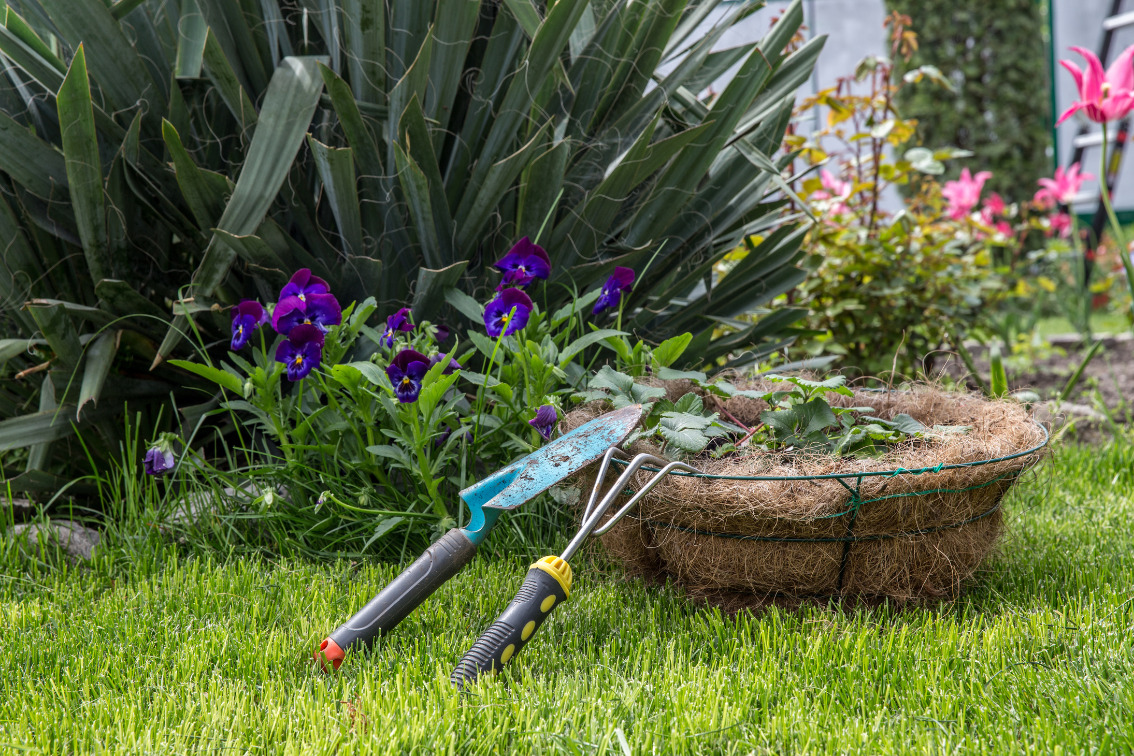
Gardening can still be deeply rewarding — even with arthritis. With a few thoughtful design choices, you can create a garden that’s easier on your joints, safer to move through, and more enjoyable to spend time in.
This guide focuses on accessible garden layout and design for people living with arthritis, including wheelchair and mobility-device accessibility. Instead of pushing through pain, you’ll learn how to set up your outdoor space to work with your body — so you can garden more comfortably, for longer.
How We Approached This Guide
We included specific measurements — bed height, path width, wheelchair clearance — rather than vague “make it accessible” advice, following general ADA and universal-design guidance so the numbers are actually usable when planning.
Why Garden Design Matters When You Have Arthritis
When arthritis causes joint pain, stiffness, or fatigue, the way your garden is laid out matters just as much as what you plant. Poor design can force unnecessary bending, twisting, or lifting — leading to flare-ups and frustration.
An accessible garden reduces strain on knees, hips, hands, and back; improves balance and safety; makes gardening possible even on lower-energy days; and encourages gentle, consistent movement. With the right setup, gardening becomes supportive rather than stressful.
🌱 Accessible Garden Design: At a Glance
30–36″ seated
Open base for wheelchair knee clearance
Min. 60″ for wheelchair turning radius
Pavers, compacted gravel, rubber mulch
No loose stone
Placed every 15–20 ft
Shaded rest zones
Avoid deep, overhand reaching
Slow-growing, hardy plants
Lightweight containers
Source: Arthritis Wares — feel free to embed this graphic with a link back to this page.
Raised Garden Beds: The Foundation of an Accessible Garden
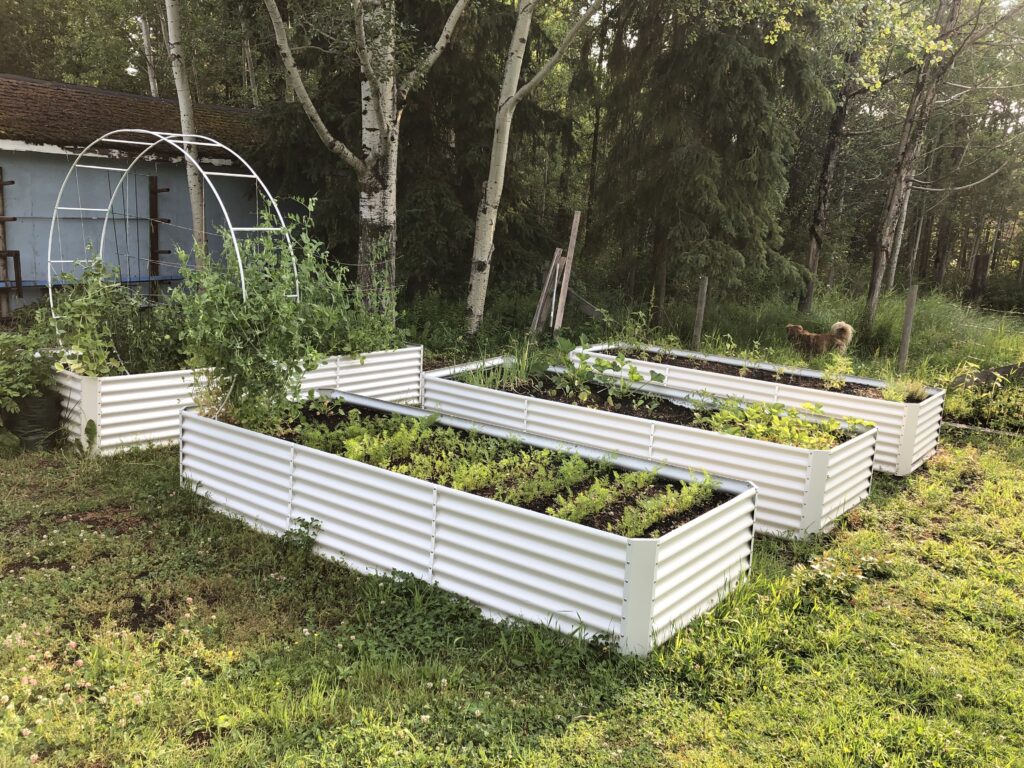
Raised garden beds are one of the most effective ways to reduce joint strain while gardening. They minimize bending, kneeling, and squatting; allow gardening from a seated or standing position; improve soil drainage and control; and make planting, watering, and harvesting easier overall.
Ideal Height for Arthritis-Friendly Beds
- 24–30 inches: best if you prefer standing
- 30–36 inches: ideal for seated gardening or limited mobility
Tip: Leave enough space around beds to sit comfortably and move freely with carts or stools.
Making Raised Beds Wheelchair and Mobility-Device Accessible
If you or someone gardening with you uses a wheelchair or scooter, a standard raised bed built as a solid box often isn’t usable — there’s nowhere for the wheelchair’s footrest and legs to fit underneath. A few adjustments make a significant difference:
- Leave open space beneath the bed (roughly 24–27 inches of clearance) so a wheelchair user can roll up close and garden from the side rather than reaching over a solid frame
- Keep bed width to 24–30 inches if it will be accessed from one side only, so the far side stays within comfortable reach
- Build beds no more than 4 feet wide if accessible from both sides
- Use a table-style or elevated planter design with legs, rather than a solid raised box, for the easiest wheelchair access
These specifications generally follow ADA and universal design guidance for accessible gardening spaces, and are especially relevant for community and shared garden plots that need to serve a range of mobility needs.
Designing Safe, Comfortable Garden Paths

Navigating your garden should feel stable and predictable — not risky. A few pathway design choices make a meaningful difference:
- Use firm, even materials (pavers, compacted gravel, rubber mulch)
- Avoid loose stones or uneven stepping areas
- Keep paths at least 36 inches wide for carts, walkers, or mobility aids
- Widen key junctions to at least 60 inches if a wheelchair needs to turn around
- Add handrails or edging on slopes or raised areas
Solar path lighting is a simple upgrade that improves visibility and reduces fall risk in early mornings or evenings.
Seating, Rest Zones & Work Areas
Accessible gardens aren’t meant to be worked in nonstop — they’re designed for pacing. Place benches near raised beds or high-use areas, choose seating with armrests to help with standing, and create shaded rest zones to cool down and reduce fatigue. A well-placed seat can mean the difference between stopping early and enjoying a longer, more relaxed gardening session.
Reach-Friendly Plant Layouts
Where you place plants matters as much as what you grow. Keep frequently tended plants close to bed edges, avoid deep layouts that require overreaching, use wide spacing so you don’t have to twist or stretch awkwardly, and group plants with similar watering needs together. Designing with reach in mind protects shoulders, wrists, and hands.
Low-Maintenance Design Choices
An accessible garden is also a low-effort garden. Mulching reduces weeding, drip irrigation eliminates the need to carry watering cans, hardy slow-growing plants need less frequent pruning, and lighter planters avoid repositioning strain. Less maintenance built into the design itself means more enjoyment and fewer flare-ups — without relying on willpower alone to pace yourself.
Raised Bed Materials: What to Choose (and What They Cost)
If you’re building or buying raised beds, material affects both cost and how easy the bed is to maintain over time.
| Material | Typical Cost | Pros | Cons |
|---|---|---|---|
| Cedar/wood | $$ | Natural look, easy to build, widely available in kits | Breaks down over 5–10 years; needs untreated wood for food safety |
| Composite | $$$ | Won’t rot, low maintenance, long lifespan | Higher upfront cost |
| Galvanized metal | $$ | Very durable, lightweight to assemble, modern look | Can heat up in direct sun; may need liner |
| Pre-built elevated planter kits | $–$$$ | Fastest setup, many come wheelchair-height ready, no tools needed | Smaller growing area than a built-in-place bed |
No Yard? Container and Vertical Gardening
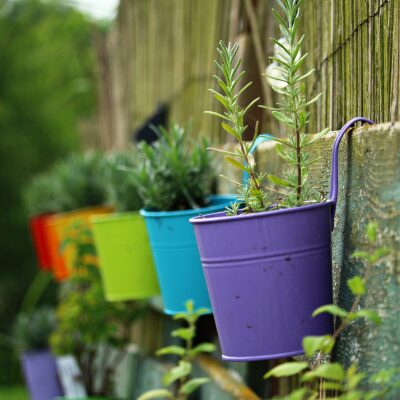
Not everyone has room for a raised bed — this is especially common in apartments, condos, and retirement communities. You can still garden accessibly with:
- Elevated container planters that sit on legs at standing or seated height, requiring no digging or bed-building
- Vertical planters or wall-mounted grow systems that bring plants to eye and hand level, reducing bending entirely
- Lightweight fabric or resin pots that are easy to reposition without straining shoulders or wrists
- A balcony or patio drip irrigation kit so watering doesn’t require carrying full cans
Container gardening also makes it easy to bring plants indoors during flare-ups or extreme weather, which isn’t possible with an in-ground bed.
Frequently Asked Questions
How wide should garden paths be for wheelchairs or walkers?
Aim for at least 36 inches for a single-file path used by a walker or cart, and at least 60 inches at any point where a wheelchair needs to turn around.
What’s the best raised bed height if I garden from a wheelchair?
Most wheelchair users find beds between 24–30 inches tall most comfortable, with at least 24 inches of open clearance underneath for footrests and legs.
Can I make an existing garden more accessible without rebuilding it?
Often, yes. Adding a layer of firm mulch or pavers over uneven paths, placing a bench near existing beds, and adding elevated container planters around the perimeter can improve accessibility without a full redesign.
Is container gardening a good alternative to raised beds?
Yes — elevated containers and vertical planters offer similar joint-protection benefits to raised beds and are a practical option when yard space, budget, or a landlord’s restrictions rule out permanent beds.
Final Thoughts: A Garden That Works With Your Body
Arthritis doesn’t mean giving up gardening — it means gardening differently. With raised beds, stable pathways, thoughtful seating, and low-maintenance layouts, your outdoor space can remain a place of comfort, creativity, and calm.
Designing an accessible garden is an investment in your joints — and in your joy.
Related Guides
- Gardening with Arthritis: Complete Guide to Tools, Layout & Techniques — full overview of joint-friendly gardening strategies
- Best Ergonomic Gardening Tools for Arthritis Relief — hand-friendly tools and adaptive equipment
Medical Disclaimer: This article is for informational purposes only and does not constitute medical advice. Always consult your doctor, rheumatologist, or occupational therapist before making changes to how you manage your arthritis.
