
*This post may contain affiliate links, from which we may earn a small commission at no extra cost to you.*
Introduction
Long Covid can bring a frustrating mix of fatigue, brain fog, breathlessness, sleep disruption, and fluctuating symptoms. While recovery experiences vary widely, many people find day-to-day life easier by using supportive tools, comfort aids, and energy-conserving strategies.
This guide highlights commonly used devices and practical home supports that may help reduce physical strain, improve comfort, and simplify routines. These tools do not treat Long Covid, but they may help you better manage symptoms and conserve energy.
What tools help manage Long Covid symptoms?
Many people with Long Covid use supportive tools to monitor health, reduce exertion, and improve comfort. Frequently used aids include:
- Pulse oximeters for oxygen monitoring
- Digital thermometers for tracking symptom patterns
- Hydration supports & electrolyte mixes
- Weighted blankets & noise-reduction tools
- Compression wear & ergonomic accessories
- Voice-activated smart devices
While these tools do not replace medical care, they may make daily activities more manageable.
Health Monitoring Devices
1. Pulse Oximeter: Monitor Oxygen Levels Easily
For individuals experiencing respiratory symptoms, a pulse oximeter offers a quick way to check oxygen saturation and pulse rate. Tracking trends over time can sometimes be more helpful than focusing on isolated readings.
Why people like it: Large displays, one-button operation, and instant readings make these devices easy to use during symptom flare-ups.
🛒 Popular option: Zacurate Pro Series Fingertip Pulse Oximeter – known for fast readings and clear visibility.
Helpful tip: Measure during rest and gentle activity to observe patterns.
2. Digital Thermometer: Track Subtle Changes
Temperature fluctuations are commonly reported with post-viral conditions. A reliable digital thermometer can help identify recurring patterns.
🛒 Popular option: iHealth No-Touch Forehead Thermometer – valued for speed and hygienic use.
Fatigue & Energy Management Tools
3. Hydration Support: Small Habit, Big Impact
Fatigue and dizziness are frequent Long Covid complaints. Staying properly hydrated may help support circulation and overall wellbeing.
Simple strategies:
✔ Keep a large insulated bottle nearby
✔ Use low-sugar electrolyte mixes if helpful
✔ Sip consistently rather than drinking large amounts at once
🛒 Common choice: Liquid I.V. Hydration Multiplier – widely used for convenience and taste variety.
4. Compression Socks: Support Circulation
Periods of inactivity and fatigue may contribute to leg heaviness or mild swelling. Compression wear is often used for comfort and circulation support.
🛒 Popular option: Physix Gear Compression Socks – breathable and designed for extended wear.
5. Energy-Saving Kitchen Tools

Low-energy days can make meal preparation challenging. Simplifying kitchen tasks can reduce physical and cognitive strain.
Helpful adjustments:
✔ Batch cooking when energy is higher
✔ Using pre-prepared ingredients
✔ Choosing lightweight cookware
🛒 Popular option: Hamilton Beach Slow Cooker – enables hands-free cooking with minimal effort.
🔗 Related reading: Making Meal Prep Easier: Kitchen Tools That Help with Arthritis
Comfort & Nervous System Support

6. Weighted Blankets: Promote Relaxation
Sleep disruption and nervous system sensitivity are widely reported with Long Covid. Some individuals find gentle, evenly distributed pressure calming.
🛒 Popular option: YnM Weighted Blanket – recognized for balanced weight distribution.
7. Noise-Canceling Headphones: Reduce Sensory Load
Noise sensitivity and cognitive fatigue often occur together. Noise-canceling headphones can help create a calmer environment for rest or focus.
🛒 Popular option: Sony WH-1000XM5 – praised for comfort and strong noise reduction.
Common uses: Rest periods, guided breathing, relaxation audio.
8. Mindfulness & Relaxation Tools

Stress can intensify symptom perception. Many people use relaxation supports to encourage nervous system regulation.
Common options:
✔ Aromatherapy diffusers
✔ Guided breathing or meditation apps
✔ Low-effort creative activities
🛒 Popular option: Vitruvi Stone Diffuser – frequently chosen for quiet operation and design.
Home Environment Optimization
9. Air Purifier: Improve Indoor Air Quality
Cleaner indoor air may reduce airborne irritants such as dust, smoke, and allergens. Some individuals report improved breathing comfort in cleaner environments.
🛒 Popular option: Levoit Core 300S Air Purifier – compact and widely used in bedrooms or small spaces.
10. Voice-Activated Devices: Conserve Energy
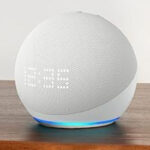
Smart speakers and voice assistants can reduce physical effort on low-energy days.
Common uses:
✔ Setting reminders
✔ Controlling lights or music
✔ Managing simple tasks hands-free
🛒 Popular option: Amazon Echo – valued for ease of use and accessibility.
🔗 Related reading: Arthritis-Friendly Home Gadgets: Smart Devices for Independent Living
11. Ergonomic Accessories: Reduce Physical Strain
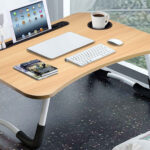
Long periods of rest or remote work can create discomfort. Ergonomic supports help maintain more relaxed positioning.
🛒 Popular option: LapGear Lap Desk – stable surface with wrist support.
🔗 Related reading: Top Ergonomic Lap Desks for Comfort & Support
Pain & Discomfort Relief Options

12. Topical Comfort Supports
Muscle and joint discomfort may persist for some individuals. Non-invasive comfort aids are commonly used for temporary relief.
🛒 Frequently chosen options:
✔ Biofreeze Pain Relief Gel – cooling sensation for targeted areas
✔ ThermaCare HeatWraps – gentle warmth for stiffness
🔗 Related reading: Best Pain Relief Creams for Arthritis: Reviews & Buying Guide
Health Tracking & Symptom Awareness
13. Health Tracking Apps
Tracking symptoms, sleep patterns, and energy fluctuations may help identify triggers or patterns worth discussing with healthcare providers.
Commonly used apps:
✔ CareClinic
✔ Bearable
✔ MyTherapy
Conclusion: Small Supports Can Ease Daily Strain
Long Covid recovery rarely follows a straight line. Supportive tools, comfort aids, and energy-saving adjustments can help make difficult days easier and more predictable.
Start with what feels most helpful, observe how your body responds, and build routines centered on comfort and sustainability rather than pressure or perfection.
Frequently Asked Questions About Long Covid Tools
What tools are most helpful for Long Covid fatigue?
Hydration supports, ergonomic accessories, pacing strategies, and voice-activated devices are commonly used to conserve energy and reduce strain.
Do these tools replace medical treatment?
No. These supports are designed to complement professional care, not replace it. Persistent or worsening symptoms should always be discussed with a qualified healthcare provider.
Which comfort aids make the biggest difference?
Experiences vary, but weighted blankets, noise-reducing tools, ergonomic supports, and compression wear are frequently reported as helpful for comfort management.