
*This post may contain affiliate links, from which we may earn a small commission at no extra cost to you.*
Choosing a walker isn’t just about mobility — it’s about confidence, safety, and independence. If you’re living with arthritis, recovering from surgery, or dealing with balance issues, the right walker can make everyday life feel manageable again.
One of the most common questions I see is:
Should I choose a standard walker or a rollator walker?
They may look similar at first glance, but they serve very different needs. In this guide, I’ll break down the key differences, pros and cons, and real-life use cases so you can choose the walker that truly fits your body and lifestyle.
Standard Walker vs. Rollator Walker: Quick Comparison
| Feature | Standard Walker | Rollator Walker |
|---|---|---|
| Stability | Maximum stability and balance support | Moderate stability |
| Movement | Lift or slide to move | Rolls smoothly on wheels |
| Best Use | Indoor use, recovery, balance issues | Outdoor use, longer distances |
| Seat | No | Yes |
| Storage | Minimal or none | Built-in storage |
| Hand Strength Needed | Low | Moderate (for brakes) |
| Turning Space | Tight spaces | Needs more room |
| Learning Curve | Very low | Slight learning curve |
What Is a Standard Walker?
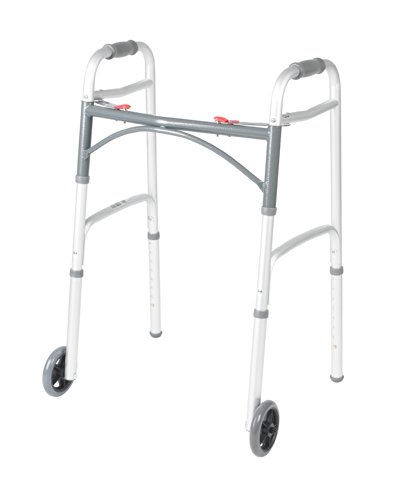
A standard walker is a simple, lightweight mobility aid with four legs and no brakes. Some models have two small front wheels, which help reduce lifting while still offering excellent stability.
This type of walker is often recommended for people who need maximum balance support, especially indoors.
Key Benefits of a Standard Walker
- Excellent stability for balance problems or weakness
- Easy to control with no brakes to squeeze
- Lightweight and foldable for storage
- Great for indoor spaces like hallways and bathrooms
- Less strain on arthritic hands compared to hand brakes
Best For
- People with arthritis-related balance issues
- Post-surgery or injury recovery
- Seniors who feel unsteady while walking
- Primarily indoor use
💡 Recommended Option: Check the best-rated standard walkers on Amazon.
⭐ Example: Standard Walker Style
Lightweight Folding Walker with Front Wheels
A basic folding walker with small front wheels can be a good middle ground. It offers strong support while reducing the need to lift the walker with every step — something many people with arthritis appreciate.
Look for adjustable height, padded grips, and a sturdy frame designed for indoor stability.
What Is a Rollator Walker?
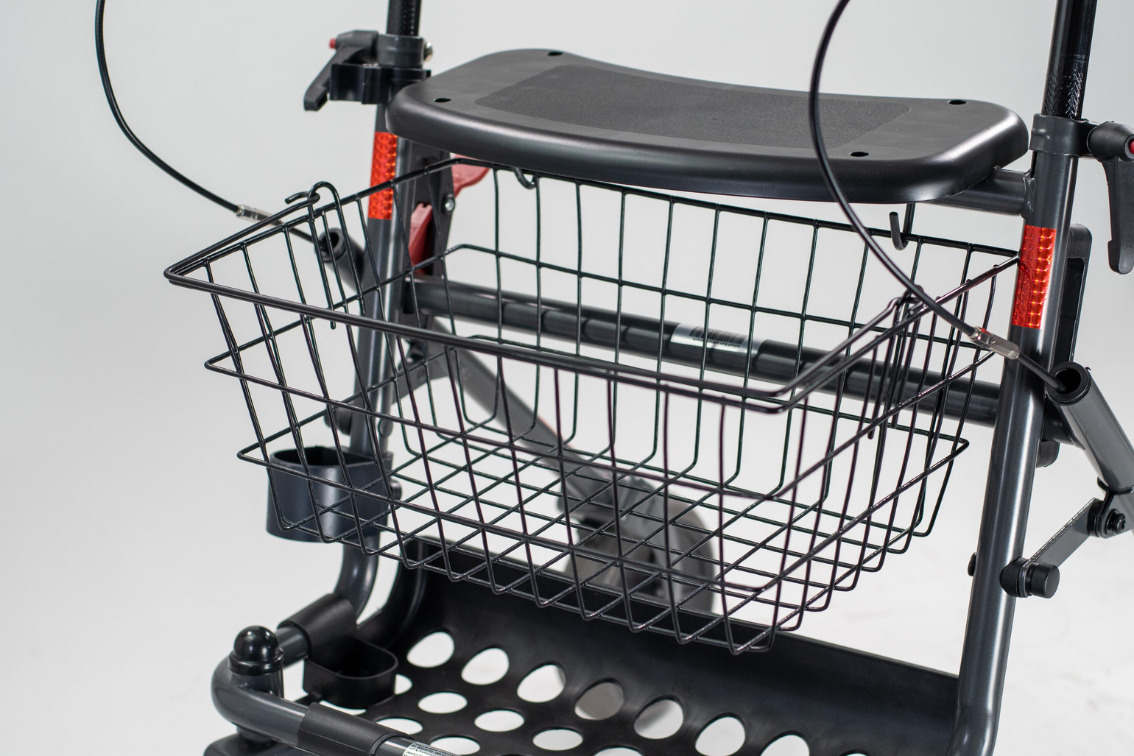
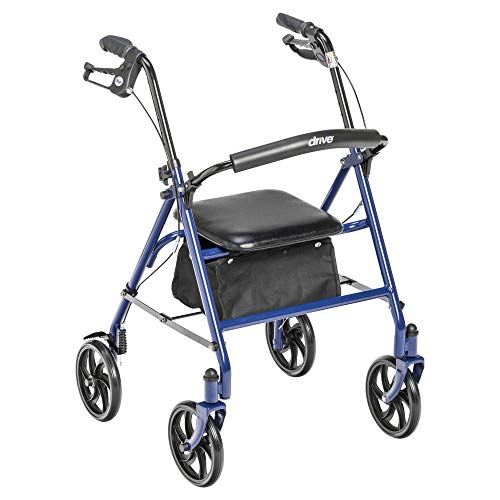
A rollator walker (also called a rolling walker) has three or four wheels, hand brakes, a built-in seat, and storage. It’s designed for people who can walk independently but need support, endurance, or rest breaks.
Rollators are especially popular for outdoor walking, errands, and social outings.
Key Benefits of a Rollator Walker
- Smooth rolling movement with less effort
- Built-in seat for resting anytime
- Storage space for bags or personal items
- Adjustable handles for posture and comfort
- Ideal for longer distances and outdoor use
Best For
- People with good balance but limited stamina
- Arthritis sufferers who fatigue easily
- Outdoor walking, shopping, and appointments
- Users who need frequent rest breaks
💡 Recommended Option: Find top-rated rollator walkers on Amazon.
⭐ Example: Rollator Walker Style
Four-Wheel Rollator with Seat and Storage
A four-wheel rollator with hand brakes, a padded seat, and an under-seat pouch offers flexibility and comfort for active users. Larger wheels handle sidewalks and uneven paths more easily.
Look for easy-to-squeeze brakes, adjustable height, and a stable frame.
Arthritis Considerations When Choosing a Walker
If you have arthritis, these details matter more than you might expect:
- Hand grip comfort: Soft, ergonomic grips reduce joint strain
- Brakes: Rollator brakes require hand strength — not ideal for severe hand arthritis
- Weight: Heavier walkers can be harder to maneuver or lift
- Movement style: Rolling may reduce shoulder and wrist pain
- Posture: Adjustable height helps prevent back and neck pain
👉 Many people with arthritis start with a standard walker during recovery, then switch to a rollator once confidence and endurance improve.
How to Choose the Right Walker: Ask Yourself These Questions
Before buying, take a moment to think about your daily routine:
- Do I need maximum balance support?
- Will I mostly use it indoors or outdoors?
- Do I need to sit and rest while walking?
- Can my hands comfortably use brakes?
- Do I need storage for errands or outings?
Quick Decision Guide
- Choose a Standard Walker if:
- Stability is your top priority
- You’re recovering from surgery or injury
- You mainly walk indoors
- You have weak grip strength or hand pain
- Choose a Rollator Walker if:
- You walk longer distances
- You need frequent rest breaks
- You go outdoors often
- You want storage and seating convenience
Expert Tip: Talk to a Professional
A physical therapist or healthcare provider can evaluate your gait, balance, and strength. Their guidance can help you avoid choosing a walker that feels uncomfortable or unsafe.
Final Thoughts: Walk with Confidence
The best walker is the one that supports your body, your lifestyle, and your comfort.
- Standard walkers offer unmatched stability and simplicity
- Rollator walkers provide freedom, endurance, and convenience
Choosing the right one can make everyday activities feel possible again — and that confidence is priceless.