

*This post may contain affiliate links, from which we may earn a small commission at no extra cost to you.*
Sleeping with arthritis can feel like a nightly battle — tossing, turning, and waking up stiff, sore, or unrested. Joint pain often intensifies at night, and poor sleep can worsen inflammation, fatigue, mood, and pain sensitivity the next day.
The good news? Better sleep with arthritis is possible.
With the right sleep environment, joint-friendly positions, supportive bedding, and calming nighttime habits, many people experience deeper rest and less morning stiffness.
This guide walks you through why arthritis disrupts sleep and the most effective, practical ways to improve comfort and rest — without hype or unrealistic promises.
Why Arthritis Pain Often Feels Worse at Night
Many people notice their arthritis pain becomes more noticeable once they lie down. This happens for several reasons:
- Joint inactivity increases stiffness
When joints stay still for long periods, inflammation can build and mobility decreases. - Pain feels louder at night
With fewer distractions, discomfort becomes harder to ignore. - Fluid shifts while lying down
Swelling may increase when joints are not supported or elevated properly. - Poor sleep increases pain sensitivity
Inadequate rest lowers pain tolerance and can intensify symptoms the next day.
Breaking this cycle starts with supporting your body properly overnight.
Optimize Your Sleep Environment for Arthritis Comfort
Your bedroom setup plays a bigger role than many people realize.
Keep the Room Cool, Dark, and Quiet
- Ideal sleep temperature: 60–67°F (15–19°C)
- Use blackout curtains to reduce light
- Try white noise or a fan to mask disturbances
Improve Air Quality
Clean air can reduce nighttime congestion and improve breathing, which supports deeper sleep. A small, quiet air purifier can help — especially if allergies or dry air affect your rest.
Choose the Best Bedding for Arthritis Pain Relief
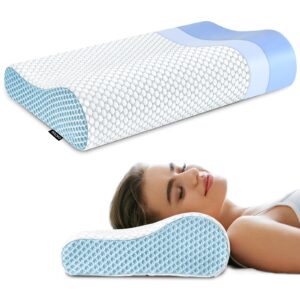
Supportive bedding helps reduce pressure on sensitive joints and keeps your spine aligned while you sleep.
Mattress Support Matters
A medium-firm mattress typically offers the best balance for arthritis:
- Cushions pressure points (hips, shoulders, lower back)
- Maintains spinal alignment
- Helps reduce morning stiffness
If replacing a mattress isn’t realistic right now, a memory foam topper can improve comfort significantly.
👉 See: Best Mattress for Arthritis Pain Relief
Pillows That Support the Neck, Shoulders, and Spine
The wrong pillow can strain your neck and upper joints all night.
Helpful options include:
- Contoured memory foam pillows for neck arthritis
- Adjustable loft pillows for combination sleepers
- Body pillows for side sleepers needing hip and knee support
👉 See: Best Pillows for Arthritis
Best Sleep Positions for Arthritis Relief
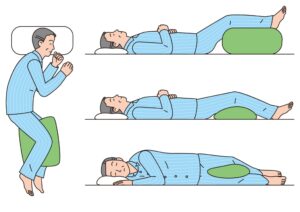
Small adjustments to your sleep position can bring noticeable relief.
Side Sleeping
- Place a pillow between your knees to align hips and spine
- A full-length body pillow can support multiple joints at once
Back Sleeping
- Place a pillow under your knees to reduce lower-back and hip pressure
- Use a supportive pillow that keeps your neck neutral
Stomach Sleeping (Least Recommended)
- If unavoidable, use a very low pillow under your head
- Place a small pillow under your pelvis to reduce spinal strain
Tip: Try one position for several nights before changing — your body needs time to adjust.
Use Heat and Gentle Support for Nighttime Relief
Heat Therapy
Warmth helps relax muscles, improve circulation, and ease stiffness.
- Heated mattress pads
- Electric blankets (with auto shut-off)
- Warm compresses on affected joints
Night Braces and Supports
Light braces may help stabilize joints like wrists, knees, or ankles overnight — especially for carpal tunnel or joint instability.
Build a Calming Bedtime Routine That Reduces Pain
Consistency and relaxation signal your nervous system that it’s time to rest.
Helpful habits include:
- A warm shower or bath about one hour before bed
- Gentle stretching, yoga, or light movement
- Turning off screens at least 60 minutes before sleep
- Listening to calming music or guided relaxation
A predictable routine can reduce nighttime anxiety and help your body settle more easily.
Manage Daytime Pain to Sleep Better at Night
What you do during the day affects how well you sleep.
- Stay gently active with low-impact movement (walking, swimming, stretching)
- Use heat or cold therapy earlier in the day to reduce evening stiffness
- Follow your care plan and ask a healthcare provider about medication timing if sleep is disrupted
Reducing pain buildup during the day often makes falling asleep easier.
Support Sleep With Healthy Daily Habits
Better sleep doesn’t start at bedtime — it starts earlier.
- Eat anti-inflammatory foods (leafy greens, berries, fatty fish)
- Stay hydrated
- Limit caffeine and alcohol after mid-afternoon
- Get daylight exposure to support your natural sleep rhythm
Small lifestyle shifts can have a compounding effect on sleep quality.
When an Adjustable Bed May Help

Adjustable beds can be helpful for people with:
- Back or hip arthritis
- Swelling in legs or knees
- Difficulty getting in and out of bed
Head or leg elevation can reduce joint pressure and improve circulation overnight.
👉 See: Best Adjustable Beds for Arthritis Pain Relief
Frequently Asked Questions
What is the best sleeping position for arthritis?
Side sleeping with a pillow between the knees or back sleeping with a pillow under the knees are most commonly recommended.
Why does arthritis pain worsen at night?
Reduced movement, increased stiffness, fluid shifts, and heightened pain sensitivity all contribute.
What mattress firmness is best for arthritis?
Most people do best with a medium-firm mattress that balances support and pressure relief.
Do weighted blankets help arthritis pain?
Some people find them calming, but lighter options are usually better to avoid joint pressure.
Final Thoughts: Better Sleep With Arthritis Is Achievable
Restful sleep is not a luxury — it’s a critical part of managing arthritis pain, energy, and overall quality of life.
With:
- Supportive bedding
- Joint-friendly sleep positions
- Heat therapy and gentle routines
- Consistent daily habits
many people find they can sleep longer, wake up less stiff, and manage pain more effectively.
Start with one change tonight — a pillow adjustment, added warmth, or a calmer bedtime routine.
Small improvements add up.
Related Reading
- Best Mattress for Arthritis Pain Relief
- Best Pillows for Arthritis
- Managing Arthritis Fatigue: Tips to Regain Energy
- The Ultimate Guide to Coping With Arthritis Pain