
*This post may contain affiliate links, from which we may earn a small commission at no extra cost to you.*
🌿 Move Better, Feel Better: Why Exercise Matters for Arthritis
Living with arthritis can make even the simplest movements—like getting out of bed or walking up stairs—feel painful. But staying active is one of the most effective ways to manage symptoms. The right exercises can help reduce stiffness, improve flexibility, and strengthen joints, making everyday tasks easier and less painful.
In this guide, we’ll explore the best exercises for arthritis pain relief, along with practical tips to help you move confidently and safely.
🏃♀️ Low-Impact Aerobic Exercises (Joint-Friendly Cardio)

Low-impact cardio improves circulation, boosts heart health, and reduces stiffness—without adding stress to sore joints.
1. Walking
Start small with short strolls around your home or block. Gradually increase pace and duration as your comfort improves. Walking strengthens muscles and supports healthy joint motion.
2. Cycling
Stationary or outdoor cycling is excellent for your knees and hips. It increases mobility and helps maintain joint flexibility while providing a heart-healthy workout.
3. Swimming & Water Aerobics
Water supports your body weight, relieving pressure on painful joints. The gentle resistance builds muscle strength and range of motion with minimal pain.
🧘♀️ Range-of-Motion Exercises for Flexibility

Keeping your joints limber can help ease daily stiffness and maintain function.
1. Joint Rotations
Perform gentle wrist circles, shoulder rolls, or ankle rotations each morning. These small movements keep joints active and flexible.
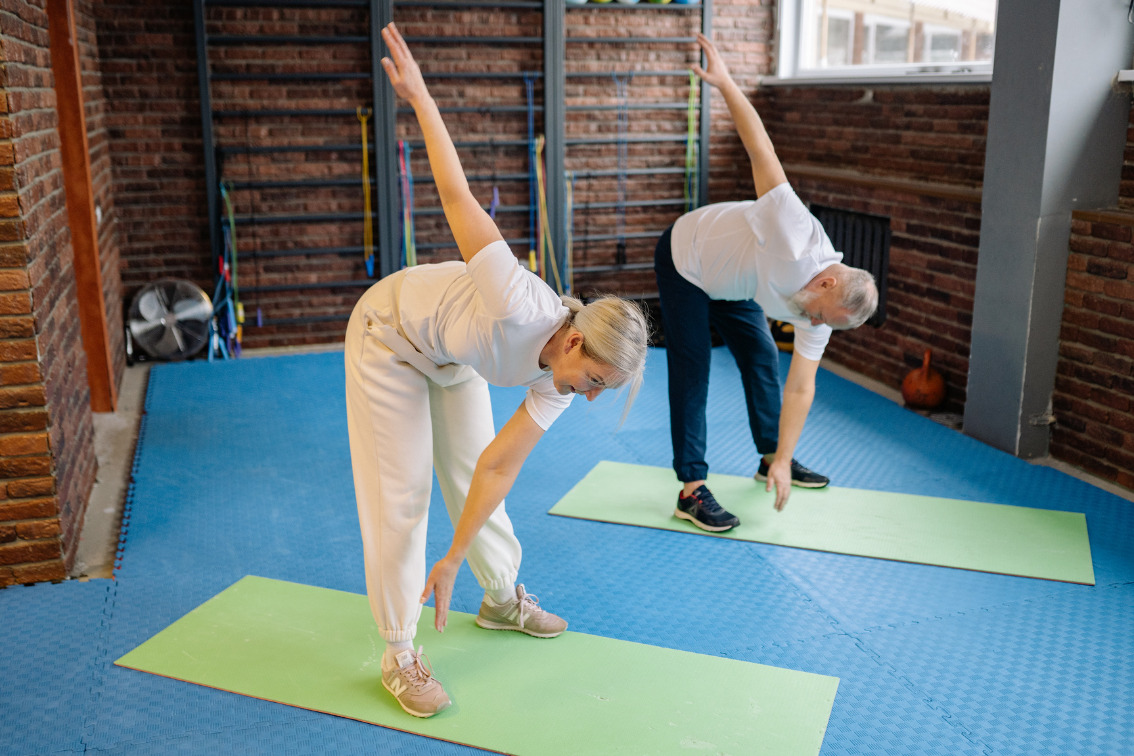
2. Gentle Stretching
Try simple stretches like toe touches, side bends, or overhead arm reaches. Stretching loosens tight muscles and reduces the risk of injury.
💡 Tip: Move slowly and breathe deeply—stretching should feel relieving, not painful.
💪 Strength Training to Support and Protect Your Joints
Building strength helps your muscles better support arthritic joints, reducing pain and improving stability.
1. Bodyweight Exercises
Wall push-ups, gentle squats, or sit-to-stands can all increase strength using your own body weight. Start with a few repetitions and build up gradually.
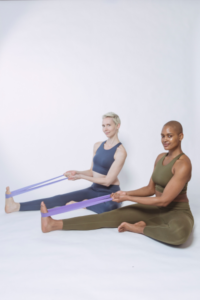
2. Resistance Bands
These are great for low-impact strength work. Try bicep curls, leg presses, or shoulder extensions with a light band.
➡️ Recommended: Easy-Grip Resistance Bands for Arthritis
3. Yoga & Tai Chi
These gentle, flowing practices blend strength, flexibility, and mindfulness—helping you relax both your body and mind while supporting joint mobility.
🧍 Balance and Stability Exercises to Prevent Falls

Arthritis can affect coordination and confidence. Balance exercises help reduce the risk of falls and improve body awareness.
1. One-Leg Stands
Hold onto a stable surface, lift one foot slightly, and balance for 20–30 seconds. Repeat with the other leg. Gradually reduce support as you improve.
2. Heel-to-Toe Walk
Walk in a straight line, placing the heel of one foot directly in front of the toes of the other. This strengthens your core and improves posture.
3. Pilates or Gentle Yoga
Both target your core muscles and promote stability—helping you move with more control and confidence.
✅ Tips for Safe and Effective Exercise
- Start Slowly: Ease into your routine and increase intensity over time.
- Modify as Needed: Adapt exercises to your comfort and mobility level.
- Listen to Your Body: Stop if you feel sharp or sudden pain.
- Warm Up & Cool Down: Always prepare your joints with light movement.
- Consult a Professional: A physical therapist can design a plan tailored to your arthritis type and fitness level.
🙋♀️ Frequently Asked Questions (FAQ)
What are the best exercises for arthritis pain relief?
Low-impact options like walking, swimming, resistance bands, yoga, and stretching are all excellent. They reduce stiffness and improve mobility.
How often should I exercise if I have arthritis?
Aim for at least 15–30 minutes most days of the week. Start slow and gradually increase frequency as your body adapts.
Can exercise make arthritis worse?
Not if done properly. Avoid high-impact movements and stop any activity that causes sharp pain. Gentle, regular movement often reduces symptoms.
What if I have limited mobility?
Chair-based stretches, water exercises, and simple range-of-motion movements are great alternatives. Modify to suit your abilities.
Should I talk to a doctor before starting an arthritis exercise program?
Yes. Always consult with your healthcare provider or a physical therapist, especially if you have severe symptoms or additional health concerns.
Is stretching good for arthritis?
Yes. Gentle stretching maintains flexibility, reduces stiffness, and improves circulation in affected joints.
What time of day is best to exercise with arthritis?
Many people find late morning or early afternoon ideal, once stiffness from sleep has eased.
🏁 Final Thoughts: Every Step Counts
You don’t have to push your limits to feel better. Combining low-impact cardio, stretching, strength training, and balance exercises can make a real difference in managing arthritis symptoms.
Start small, stay consistent, and celebrate progress. Every step, stretch, and movement brings you closer to more comfort, strength, and independence.
🔗 Further Reading
- Strengthen and Soothe: Best Exercise Equipment for Arthritis
- Exercise Guide for Coping with Arthritis: Enhancing Mobility and Reducing Pain
- The Benefits of Yoga for Arthritis: Pain Relief, Flexibility & Better Sleep