
*This post may contain affiliate links, from which we may earn a small commission at no extra cost to you.*
Bathing tips for arthritis relief focus on improving safety, reducing joint strain, and creating a soothing routine that supports mobility, comfort, and independence during daily hygiene.
Bathing should be one of the most relaxing parts of your day. For people living with arthritis, however, stiff joints, limited mobility, balance issues, and fatigue can make showering or getting in and out of the tub uncomfortable—or even risky. The good news is that with a few practical adjustments and arthritis-friendly habits, bathing can become safer, more comfortable, and far less stressful.
This guide shares simple, non-product-focused strategies to help you bathe safely, manage pain, and turn your shower or bath into a calming part of your daily routine.
Create an Arthritis-Friendly Bathroom Setup
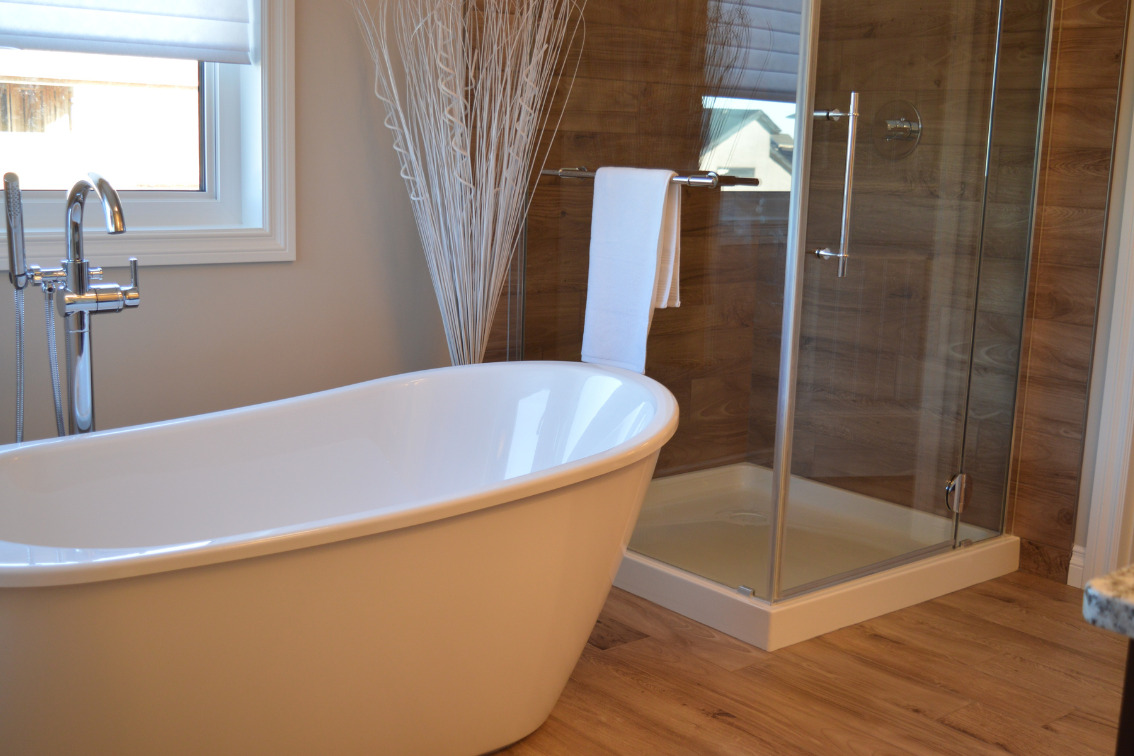
A secure, well-organized bathroom is the foundation of safe bathing with arthritis. Even small changes can significantly reduce fall risk and joint strain.
- Improve stability: Install properly anchored grab bars near the shower, tub, and toilet to assist with sitting, standing, and balance.
- Reduce standing time: Sitting while showering can ease pressure on knees, hips, and the lower back.
- Prevent slipping: Use non-slip mats inside the shower or tub and on the bathroom floor.
- Minimize reaching: A handheld showerhead allows you to rinse without twisting or stretching.
For a full overview of safety equipment, see our guide to arthritis tools for safe bathing and showering.
Find the Ideal Water Temperature for Arthritis Relief

Water temperature plays an important role in joint comfort and muscle relaxation.
- Use warm (not hot) water: Warm water helps relax muscles, reduce stiffness, and improve comfort.
- Cool water during flare-ups: Cooler showers or brief cool rinses may help calm inflammation for some people.
- Always test the water first: Arthritis can affect sensation, increasing the risk of accidental burns.
Some people find that ending a shower with a short cool rinse improves comfort, but preferences vary—listen to your body.
Use Joint-Friendly Techniques While Bathing
How you move during bathing matters just as much as what tools you use. Simple technique changes can reduce pain and fatigue.
- Avoid rushing: Move slowly and deliberately to protect painful joints.
- Pace yourself: Take brief pauses between steps if fatigue sets in.
- Maintain neutral joint positions: Avoid twisting or bending awkwardly when washing or reaching.
Adaptive tools can help, but safe movement and pacing remain essential.
Simplify Your Bathing Routine for Comfort and Ease
Streamlining your routine reduces unnecessary strain and helps conserve energy.
- Keep essentials within easy reach: Store soap, shampoo, towels, and clothing at waist or shoulder height.
- Choose lightweight items: Lightweight towels and robes are easier to manage with sore hands.
- Reduce clutter: A clear, organized space lowers the risk of tripping and makes movement easier.
These adjustments are especially helpful during flare-ups or periods of increased stiffness.
After-Bath Self-Care for Ongoing Relief
What you do after bathing can extend the benefits and support joint recovery.
- Moisturize while skin is damp: This helps lock in hydration and is easier on sore hands when using pump-style containers.
- Gentle stretching: Light movements such as ankle circles or shoulder rolls can help maintain flexibility.
- Rest before dressing: Sitting for a few minutes allows joints to recover before the next activity.
Frequently Asked Questions
Is a bath or shower better for arthritis pain?
A warm shower is often easier for mobility, while a warm bath may provide deeper muscle relaxation. The best choice depends on your comfort, balance, and energy level on a given day.
What is the safest way to bathe with arthritis?
Focus on stability and simplicity. Use non-slip surfaces, sit when needed, keep items within reach, and avoid rushing.
Can Epsom salts help with arthritis pain?
Epsom salt baths may help soothe muscles and ease tension for some people. While not a treatment, they can complement an arthritis self-care routine.
How can I make my bathroom more arthritis-friendly?
Prioritize safety and ease of movement. Improving stability, reducing standing time, and organizing the space to limit reaching can make bathing much safer and more comfortable.
Turning Bath Time Into Safe, Soothing Self-Care
Living with arthritis does not mean giving up comfort or independence. By focusing on safety, gentle movement, and thoughtful routines, bathing can become a calming form of self-care rather than a source of stress.
Start small—adjust water temperature, organize your space, or sit while showering. Over time, these changes can make bathing safer, reduce pain, and restore confidence in your daily routine.
Further Reading
- Arthritis Tools for Safe Bathing and Showering
- Non-Slip Bath Mats for Arthritis
- Shower Seats and Benches for Arthritis Safety
For a deeper room-by-room strategy, visit arthritis-friendly home modifications.