
*This post may contain affiliate links, from which we may earn a small commission at no extra cost to you.*
Foods That Trigger Arthritis Flares: What People Say vs. What Research Shows
If you’ve ever felt your arthritis pain spike after a meal, you’re not alone. Many people say certain foods instantly trigger inflammation — but the scientific evidence isn’t always as straightforward.
This guide breaks down the most commonly reported trigger foods, what research actually says, and how to identify your personal food sensitivities without guesswork.
Disclaimer: This content is for general educational purposes only. Always talk to your doctor before making major dietary changes.
Common Foods People Say Trigger Their Arthritis Flares
Across arthritis communities, support groups, and surveys, the same “trigger foods” show up again and again. Here’s what people report — and how science compares.
1. Sugar & Sweets

What People Say:
Sugar causes swelling, stiffness, throbbing pain, and next-day flare-ups.
What Research Shows:
Research strongly supports sugar as an inflammatory trigger. High sugar intake is linked to:
- increased inflammatory markers
- higher CRP levels
- weight gain that stresses joints
- worse symptoms in OA and RA
Sugary drinks are the biggest culprit.
Verdict: Strongly supported by research.
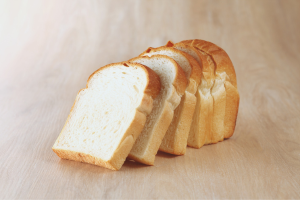
2. Processed Carbs (White Bread, Pasta, Pastries)
What People Say:
These foods cause sudden inflammation or “instant pain.”
What Research Shows:
Refined carbs spike blood sugar, which leads to an inflammatory response. Studies link high refined-carb diets to:
- increased joint pain
- elevated inflammation
- faster cartilage breakdown
Verdict: Supported by research.
3. Red Meat & Processed Meats

What People Say:
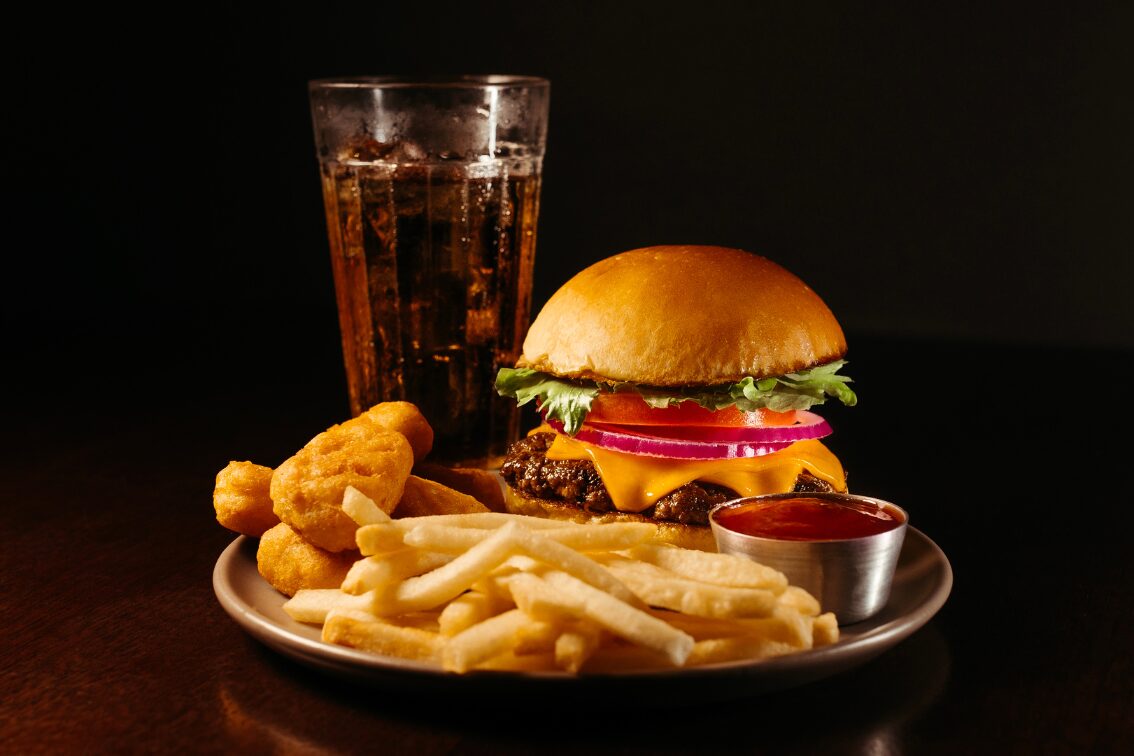
Steak, bacon, burgers, and deli meats worsen stiffness and swelling.
What Research Shows:
Processed meats are strongly linked with:
- inflammation
- immune response activation
- higher arthritis progression
Red meat has mixed results — some people tolerate it well, while others react to saturated fats.
Verdict: Supported for processed meats; mixed for untreated red meat.
4. Tomatoes & Nightshades
What People Say:
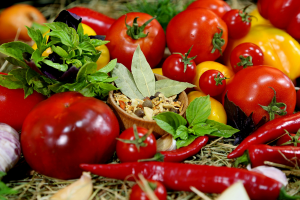
Tomatoes, peppers, eggplants, and potatoes cause flares — especially in osteoarthritis.
What Research Shows:
Research shows:
- no strong evidence that nightshades universally worsen arthritis
- some individuals do have sensitivities
- alkaloids may irritate joints in a subset of people
Verdict: Not strongly supported by science, but personal sensitivities exist.
5. Dairy
What People Say:
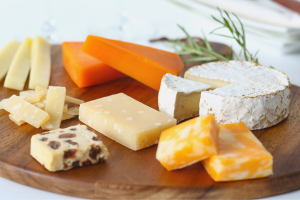
Dairy causes swelling, stiffness, and “creaky” joints.
What Research Shows:
Surprisingly, many studies show dairy — especially yogurt — may reduce inflammation.
However, some people react to:
- lactose
- casein
- dairy fat
In these individuals, dairy may worsen symptoms.
Verdict: Mixed. Real trigger for some, beneficial for others.
6. Alcohol

What People Say:
Alcohol, especially beer, leads to next-day pain and stiffness.
What Research Shows:
Alcohol can:
- increase uric acid (bad for gout)
- raise inflammation
- worsen sleep, which increases pain
Beer is the biggest issue because it contains purines.
Verdict: Supported by research, especially for gout.
7. Fried Foods & Vegetable Oils

What People Say:
Fast food, fried chicken, fries, and packaged snacks cause rapid flares.
What Research Shows:
These foods are high in omega-6 oils and highly processed ingredients, leading to:
- inflammation
- oxidative stress
- higher joint pain scores
Verdict: Strongly supported by research.
8. Gluten

What People Say:
Gluten causes swelling, fatigue, brain fog, and severe joint pain.
What Research Shows:
Gluten can trigger inflammation in people with:
- celiac disease
- non-celiac gluten sensitivity
Evidence is mixed for others.
Some studies show gluten-free diets improve RA symptoms, likely due to overall diet improvement.
Verdict: Supported for gluten-sensitive individuals; mixed for others.
9. Artificial Additives (MSG, Aspartame, Food Dyes)

What People Say:
These cause flare-ups, headaches, and “hot” joints.
What Research Shows:
Research is early but suggests additives may influence:
- gut inflammation
- immune activity
- symptom sensitivity
Verdict: Limited research but strong user-reported reactions.
10. Salt & High-Sodium Foods

What People Say:
Salty foods cause morning stiffness and swollen joints.
What Research Shows:
High sodium is linked to:
- increased inflammation
- higher RA activity
- water retention that stresses joints
Verdict: Supported by research.
People’s Reports vs. Research: Quick Comparison
| Food | People Report Flares | Supported by Research | Notes |
|---|---|---|---|
| Sugar | ✔️ | ✔️ Strong | One of the top triggers |
| Processed carbs | ✔️ | ✔️ | Inflammation spikes |
| Processed meats | ✔️ | ✔️ | Very consistent |
| Nightshades | ✔️ | ❌ Mixed | Individual sensitivity |
| Dairy | ✔️ | ❌ Mixed | Yogurt often helps |
| Alcohol | ✔️ | ✔️ | Beer highest risk |
| Fried foods | ✔️ | ✔️ | Omega-6 overload |
| Gluten | ✔️ | ❌ Mixed | Big for sensitivities |
| Additives | ✔️ | ❌ Limited | Early research |
| Salt | ✔️ | ✔️ | Strong RA links |
Why Food Triggers Affect People Differently
Everyone’s body reacts differently because of:
- genetics
- gut microbiome
- inflammation level
- autoimmune sensitivity
- stress and sleep
- existing health conditions
- hormone fluctuations
This is why one food may affect you but not someone else.
How to Identify Your Arthritis Trigger Foods
1. Keep a 7–14 Day Food & Symptom Log
Track everything you eat and your symptoms afterward. Patterns appear quickly.
2. Try a Short Elimination Trial
Remove one food for 2–4 weeks, then reintroduce it.
3. Avoid Cutting Many Foods at Once
This leads to deficiencies and confusion about what’s actually helping.
4. Support Gut Health
A healthier gut reduces food sensitivities. Include:
- probiotics
- fiber
- fermented foods
- omega-3 fats
- turmeric and ginger
5. Talk With a Dietitian
Especially before removing major food groups.
Foods That May Reduce Arthritis Flares
- leafy greens
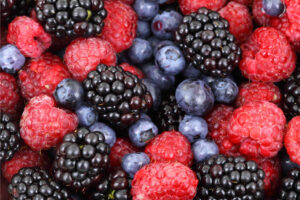
- berries
- fatty fish
- olive oil
- turmeric/curcumin
- ginger
- nuts & seeds
- green tea
- probiotic-rich foods
- whole grains
These support a lower-inflammation diet.
Final Thoughts
Food triggers are real — but highly individual. While science confirms several major triggers (sugar, sodium, alcohol, fried foods), others depend on personal sensitivity.
Listening to your body, tracking your reactions, and making gradual changes is the most effective approach.
You don’t need a perfect diet. You just need a diet that works for you.
Related Reading
- Foods That Fight Inflammation Naturally
- Natural Supplements for Arthritis Relief: What Actually Works
- Natural Ways to Manage Arthritis Without Medication
- Ease Your Arthritis: Home Remedies That Truly Work
FAQ
Do certain foods really cause arthritis flare-ups?
Yes, many people experience flares after specific foods, and research supports several common triggers.
Are nightshades bad for arthritis?
Not for most people. Some individuals are sensitive, but research doesn’t show a universal effect.
How soon can symptoms appear after eating a trigger food?
Anywhere from a few hours up to 48 hours.
What’s the best way to find my food triggers?
Use a food/symptom journal and reintroduce foods one at a time.
Do different arthritis types have different triggers?
Yes. OA, RA, gout, and psoriatic arthritis each respond differently to foods.