
*This post may contain affiliate links, from which we may earn a small commission at no extra cost to you.*
Why Mobility Aids Matter for Arthritis
Arthritis doesn’t have to steal your independence. With the right mobility aids, you can reduce joint pain, improve stability, prevent falls, and regain confidence — whether at home or out and about. This guide covers a comprehensive list of tools that suit different degrees of arthritis and mobility needs.
Quick Tip:
Mild arthritis often benefits from canes or walking sticks.
Moderate arthritis may require walkers or rollators.
Severe mobility limitations may call for home safety aids, wheelchairs, or scooters.
Comparison Table: Mobility Aid Overview
| Mobility Aid | Best For / When to Use | Key Features / Benefits |
|---|---|---|
| Canes | Mild arthritis, occasional support | Lightweight, ergonomic grip, adjustable height |
| Walkers | Moderate arthritis, stability support | Two‑wheeled or static options, foldable, stronger support than cane |
| Rollators | Moderate–severe arthritis, errands/outings | Wheels, built-in seat, storage basket, hand brakes |
| Grab Bars | Home safety (bathrooms, stairs) | Simple install, strong support, reduces slip/fall risk |
| Shower Chairs / Bath Stools | Limited standing balance, safe bathing | Stable seating, non-slip surface, foldable options |
| Raised Toilet Seats / Safety Frames | Knee/hip strain, difficulty sitting or standing | Extra height, secure handles for support |
| Stair Lifts | Multi-level homes, severe mobility limitations | Motorized lift, safe stair navigation without joint strain |
| Reachers & Grabbers | Limited reach, stiffness, joint pain | Extend reach, reduce bending/straining, ergonomic grip |
| Sock & Dressing Aids | Difficulty dressing, limited flexibility | Reduces bending, easy dressing with minimal strain |
| Transfer Boards / Pivot Discs | Bed/chair transfers, limited mobility | Smooth sliding, reduces strain, easier transfers |
| Wheelchairs / Mobility Scooters | Advanced arthritis, limited walking ability | Indoor/outdoor mobility, seat support, less joint stress |
| Portable Vehicle Handles | Car entry/exit with arthritis pain | Extra leverage, reduces knee/hip strain |
| Knee Scooters | Post‑injury, foot/ankle arthritis, mobility restrictions | Off‑load weight from ankles/knees, easier mobility |
1. Canes — Simple Yet Effective Support for Mild Arthritis
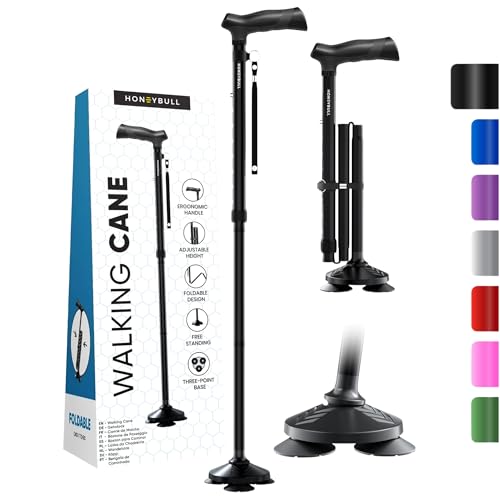
Why choose a cane: When arthritis is mild or flare-ups unpredictable, a cane gives just enough stability — reduces joint stress and helps with balance on uneven terrain or longer walks.
Related reading: Walking Canes for Arthritis: In‑Depth Comparison & Buying Guide
Recommended:
HoneyBull Adjustable Walking Cane
2. Walkers — Stability and Confidence for Daily Movement
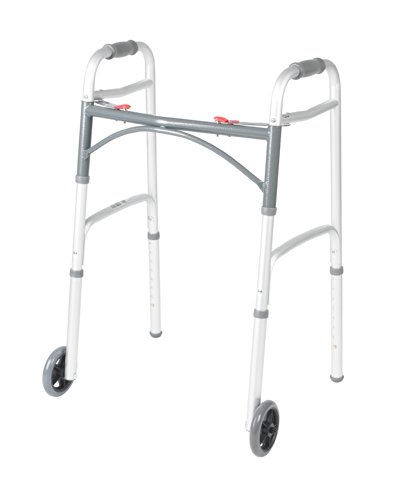
Why walkers help: For moderate arthritis, especially when balance is an issue, a walker provides two‑handed support and better joint alignment, reducing strain on knees, hips, and back.
Related reading: Best Walkers and Rollators for Arthritis: A Complete Review
Recommended:
Drive Medical Foldable Walker
3. Rollators — Mobility with Comfort and Convenience
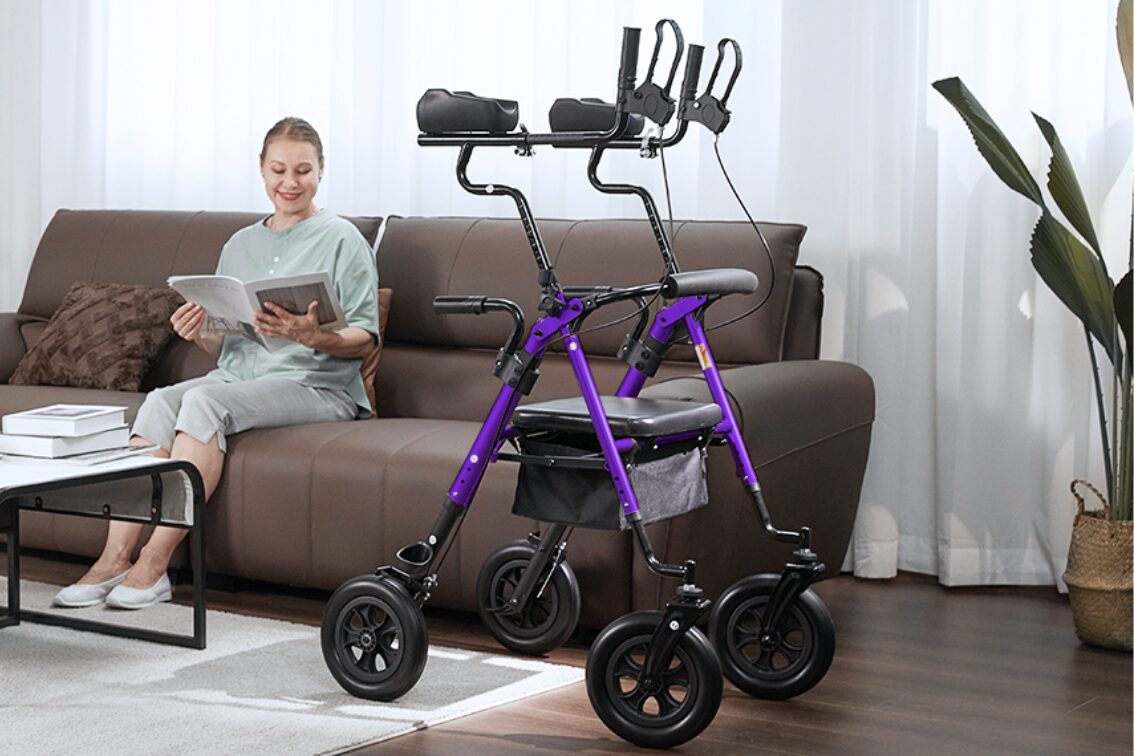
Why rollators are ideal: Rollators combine support with mobility — wheels for smooth movement, a seat to rest, and storage for carrying essentials. Great for errands, shopping, or long walks.
Related reading: Best Walkers and Rollators for Arthritis: A Complete Review
Recommended:
Drive Medical Rollator Walker with Seat & Backrest

4. Home Safety Aids — Grab Bars, Shower Chairs & Raised Toilet Seats
Grab Bars
Help prevent falls — especially in bathrooms or stairways where slipping is risky.
Related reading: Arthritis Tools for Safe Bathing and Showering
Recommended:
Moen 18-Inch Stainless Steel Grab Bar

Shower Chairs / Bath Stools
Provide stable seating when standing is painful or risky.
Recommended:
Drive Medical Folding Shower Chair

Raised Toilet Seats / Safety Frames
Reduce strain on knees and hips when sitting or standing.
Recommended:
Carex Raised Toilet Seat with Handles

5. Stair Lifts — Safe Navigation for Multi-Level Homes
If stairs are painful or unsafe due to joint pain or limited mobility, a stair lift provides a secure, smooth way to move between floors — maintaining access to full home without risk.
Related reading: Arthritis-Friendly Home Upgrades for Easier Living
Recommended: Bruno Stair Lifts and Acorn Stairlifts — contact them for a custom solution (no direct Amazon link, as stair lifts are usually professionally installed).
6. Reachers & Grabbers — Extend Your Reach Without Strain
Feeling stiff or unable to bend comfortably? Reachers help you pick up dropped items, grab things from high shelves, or reach behind furniture — all without bending or straining painful joints.
- Avoids bending and twisting during flare-ups
Related reading: Top Adaptive Gadgets for Arthritis
Recommended:
Vive Reacher Grabber Tool

7. Sock Aids & Dressing Aids — Easier Dressing with Less Strain
When bending, twisting, or kneeling is painful, sock aids and dressing sticks allow you to dress independently — reducing strain on knees, hips, and back.
Related reading: Dressing with Ease: Tips for Arthritis-Friendly Wardrobe Mastery
Recommended:
RMS Deluxe Sock Aid

8. Transfer Boards & Pivot Discs — Safe Bed/Chair Transfers
For those with limited mobility or difficulty standing, a transfer board or pivot disc makes transfers (bed-to-chair, chair-to-wheelchair) smoother and safer — reducing joint stress and risk of falls.
Related reading: Top 10 Gadgets and Tools for Managing Arthritis Symptoms
Recommended:
DMI Transfer Board

9. Wheelchairs & Mobility Scooters — When Walking Isn’t Enough
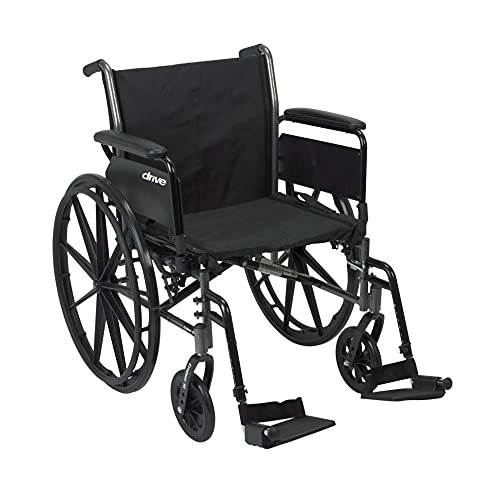
When arthritis makes walking long distances painful or impossible, a wheelchair (manual or powered) or a mobility scooter helps you maintain independence — both indoors and outdoors — without stressing your joints.
Related reading: Best Mobility Scooters for Arthritis: Reviews and Buying Tips
Recommended:
Drive Medical Cruiser III Wheelchair
10. Portable Vehicle Handles — Easier Car Entry & Exit
Getting in and out of cars can be difficult if knees, hips, or balance are affected. A portable vehicle handle gives extra leverage and support for safer entry and exit.
Recommended:
Vehicle Door Handle

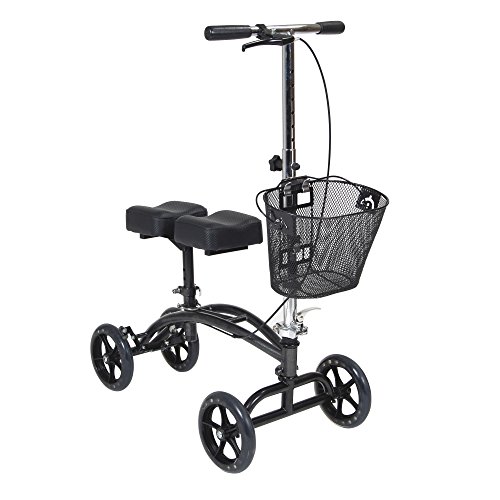
11. Knee Scooters — Mobility without Weight on Knees or Ankles
If you have foot/ankle arthritis or are recovering from surgery — but still need mobility — a knee scooter allows you to move around without putting weight on painful joints.
Recommended:
Drive Medical Knee Scooter
Benefits of Using Arthritis-Friendly Mobility Aids
- ✅ Reduced joint strain and pain
- ✅ Improved stability and balance
- ✅ Lower risk of falls and injuries
- ✅ Increased independence and confidence
- ✅ Better quality of life, less fatigue
Final Thoughts: Embrace Mobility & Independence
Mobility aids aren’t a sign of giving up — they’re tools to help you live fully and comfortably. Whether you choose a simple cane or a full mobility scooter, the right aid can transform how you navigate daily life.
What’s helped you most? Share in the comments — your story may help someone else take the first step toward safer, easier mobility.
Further Reading
- Walking Canes for Arthritis: In‑Depth Comparison & Buying Guide
- Best Walkers and Rollators for Arthritis: A Complete Review
- Arthritis Tools for Safe Bathing and Showering
Frequently Asked Questions (FAQ)
What mobility aid is best for mild arthritis?
For mild arthritis, a cane or lightweight walker is often sufficient to improve balance and reduce joint stress.
Do mobility aids really reduce arthritis pain?
Yes — by reducing stress on joints, improving posture, and preventing overuse, mobility aids can significantly reduce pain during movement.
How do I choose the right mobility aid?
Assess your arthritis severity, balance, home environment, and daily activity needs. A simple cane may work for mild issues; walkers/rollators or mobility scooters may be better for more serious mobility challenges. Consider consulting a physical therapist.
Are bathroom aids (grab bars, shower chairs) worth it even if I can still walk?
Absolutely. Arthritis can impair balance and strength even without limiting walking — bathroom aids dramatically reduce fall risk and increase confidence during bathing.
Can mobility aids prevent joint flare-ups?
By reducing stress on joints and avoiding overuse, mobility aids can help minimize flare-ups and support joint health over the long term.