
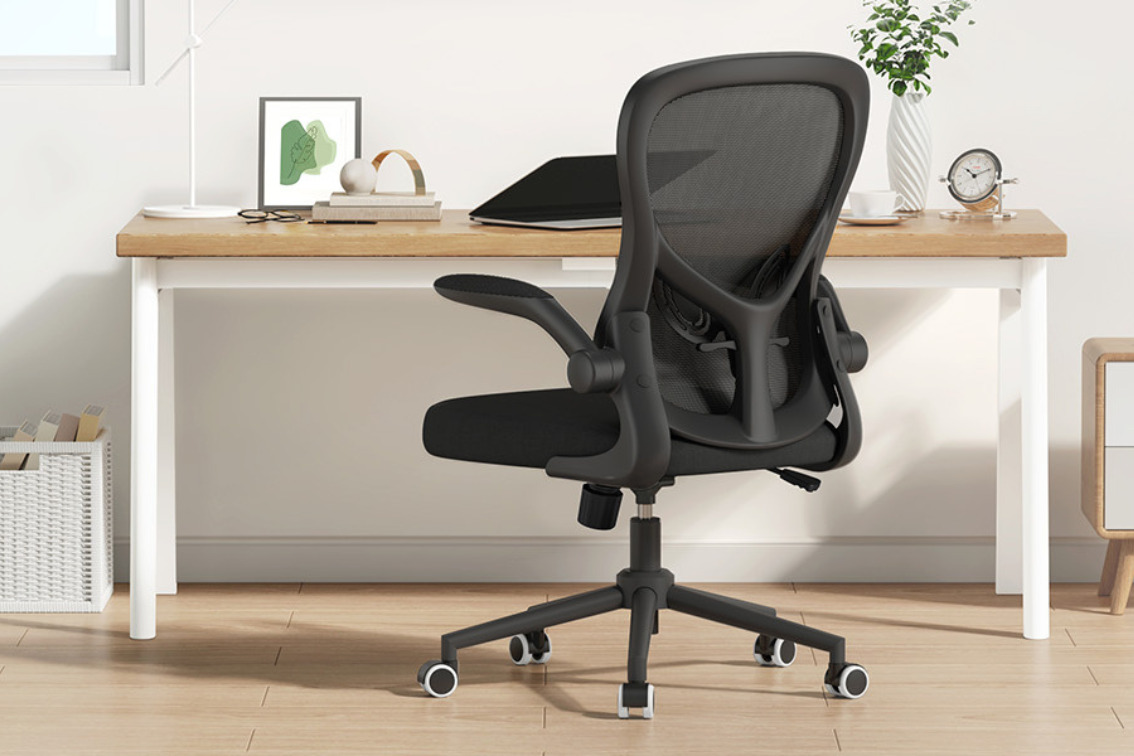
If you live with arthritis, sitting for long hours can quickly turn into stiffness, joint pressure, and fatigue. The wrong office chair can worsen hip pain, aggravate lower back inflammation, and strain shoulders and wrists.
The good news? The right ergonomic office chair can dramatically improve your daily comfort.
This guide will walk you through exactly what to look for in an arthritis-friendly office chair — so you can make a confident, informed decision.
👉 Looking for specific product recommendations?
See our complete list of Best Ergonomic Office Chairs for Arthritis Relief.
How This Guide Was Put Together
This guide reflects our editorial team’s research into ergonomic design principles and joint mechanics, cross-referenced with product specifications, verified buyer reviews, and occupational therapy resources on posture and joint protection. It is written from a practical, real-world comfort perspective, not a clinical one. It does not replace individualized guidance from a doctor, rheumatologist, or occupational therapist, who can account for your specific joints, disease activity, and mobility needs. Last reviewed and updated for accuracy in 2026.
Why Office Chairs Matter More When You Have Arthritis
Arthritis affects joints differently depending on the type:
- Osteoarthritis (OA) can make hips, knees, and spine more sensitive to pressure and poor posture.
- Rheumatoid arthritis (RA) may cause wrist, shoulder, and elbow inflammation that can worsen with unsupported arm positioning.
- Spinal arthritis tends to increase the need for proper lumbar alignment.
When you sit in a poorly designed chair, several things can happen:
- Your hips may tilt backward
- Your spine may collapse forward
- Your shoulders may elevate and tighten
- Your wrists may bend unnaturally
Over time, this pattern may contribute to increased inflammation and fatigue.
A properly designed ergonomic chair may help:
- Maintain spinal alignment
- Reduce joint compression
- Support neutral posture
- Encourage micro-movements that may reduce stiffness
Key Features to Look for in an Arthritis-Friendly Office Chair
Not all “ergonomic” chairs are truly supportive. Here’s what actually matters.
1. Adjustable Seat Height
Your feet should rest flat on the floor with:
- Knees at roughly 90 degrees
- Hips slightly higher than knees
- Thighs parallel to the ground
If your seat is too high, knee pressure may increase. If it’s too low, hip joints may compress.
Look for easy-to-operate height controls, especially important if hand strength is limited.
2. Seat Depth Adjustment
Seat depth affects pressure behind the knees.
You should have 2 to 3 fingers of space between the back of your knees and the seat edge.
- Too deep may restrict circulation
- Too shallow may leave thighs under-supported
For people with knee arthritis, this is especially important.
3. Lumbar Support (Non-Negotiable)
Lower back support may help reduce spinal compression.
Look for:
- Adjustable lumbar height
- Adjustable lumbar depth
- Support that follows the natural curve of your spine
Why it matters: poor lumbar support can encourage slouching, which may increase joint stress in the hips and shoulders over time.
4. Adjustable Armrests
Armrests aren’t just a comfort feature; they may help reduce joint strain.
They should:
- Adjust up and down
- Move inward and outward if possible
- Support elbows at roughly a 90-degree angle
Proper arm support may help reduce shoulder tension, wrist strain, and upper back fatigue. For people with RA, padded armrests are especially helpful.
5. Cushioning and Pressure Distribution
Arthritis and pressure points don’t mix well.
Look for:
- High-density foam
- Memory foam
- Gel-infused cushions
- A waterfall seat edge, which may reduce pressure under the thighs
Try to avoid extremely hard seats and thin padding that flattens quickly. People with hip arthritis especially tend to benefit from higher-quality cushioning.
6. Recline and Tilt Mechanism
Micro-movement may help reduce stiffness.
A good chair allows:
- Slight reclining
- Tilt tension control
- Lock positions
Prolonged static sitting may contribute to joint stiffness, while controlled movement may help ease it.
7. Easy-to-Use Controls
If you have hand arthritis, levers and knobs should:
- Require minimal grip strength
- Be reachable while seated
- Operate smoothly
This detail is often overlooked, but it matters a great deal day to day.
Feature Comparison Guide
Use this table when evaluating chairs:
| Feature | Why It Matters for Arthritis |
|---|---|
| Adjustable Height | Reduces knee & hip pressure |
| Seat Depth | Improves circulation & knee comfort |
| Lumbar Support | Protects spinal alignment |
| Adjustable Armrests | Reduces shoulder & wrist strain |
| Memory Foam Cushion | Minimizes pressure points |
| Tilt Function | Encourages joint-friendly movement |
| Smooth Casters | Prevents twisting and strain |
When to Consider Alternatives
Sometimes a traditional office chair isn’t enough on its own. You may also benefit from:
- A footrest, which may reduce knee strain
- A gel seat cushion, for tailbone relief
- A standing desk converter, to reduce prolonged sitting
- An ergonomic keyboard tray, for wrist support
If sitting for long periods seems to worsen your symptoms significantly, alternating between sitting and standing throughout the day may help.
How to Test a Chair Before You Buy
If possible:
- Sit in the chair for at least 10 to 15 minutes
- Adjust all controls yourself
- Check pressure under your thighs and hips
- Make sure the lumbar support feels natural
- Confirm the armrests support relaxed shoulders
If buying online:
- Read reviews from users with arthritis or back pain
- Check the weight limit
- Confirm the return policy
Common Mistakes to Avoid
- Buying based on price alone
- Ignoring seat depth
- Choosing aesthetics over support
- Forgetting about armrest adjustability
- Assuming “gaming chairs” are automatically ergonomic
Final Thoughts
Choosing the right ergonomic office chair isn’t just about comfort. It’s about protecting your joints, supporting lower inflammation, and preserving long-term mobility.
When you invest in proper support, you may notice:
- Reduced daily fatigue
- Improved posture
- Lower pain levels
- Increased productivity
Your chair is something you use every day. Make sure it works for your body, not against it. Make sure it works for your body — not against it.
👉 Ready to see top-rated options?
Explore our detailed guide: Best Ergonomic Office Chairs for Arthritis Relief